

For all the sectarian differences between Saudi Arabia and Iran, what divides the two countries most may be the thing they have in common. Both regimes have predicated their legitimacy on a transnational mission of exporting religion and safeguarding Islam. Following the Arab awakenings and the collapse of the regional state system that followed, their competition for power has only become more urgent. For months, the Islamic republic had been warning the Saudis not to harm the dissident Shia cleric Sheikh Nimr al-Nimr. The kingdom’s rash decision to kill him probably stems from a sense of vulnerability. Weakening oil prices are sapping the Sauds’ petroleum wealth just as the jihadis of Isis challenge the Islamic orthodoxy that underpins their claim to power.
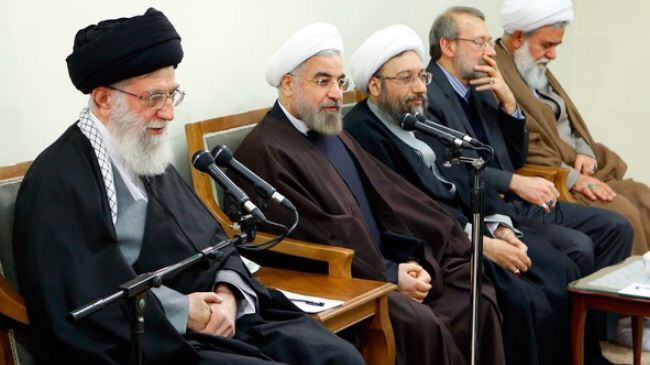
The US, for decades the guarantor of Saudi security, has lately seemed not just flat-footed but indifferent. It is not lost on Riyadh that the Obama administration transacted a deficient nuclear agreement with Tehran, which offers ample financial rewards in return for transitory checks on an Iranian bomb. The US has stood aside as Iran directed the battle against Isis in Iraq, and looked askance as the Syrian civil war produced the worst humanitarian catastrophe of the modern Middle East.
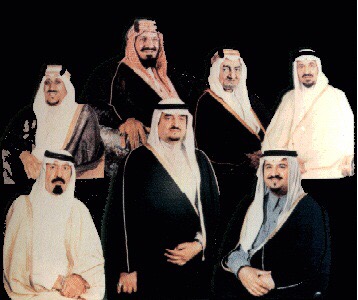
But while insecurity may explain why the Saudis lashed out, the principal victim will be House of Saud itself. The execution is bound to polarise politics further in Saudi Arabia and beyond, helping Tehran to kindle an affinity with the Arab Shia community
 OBLONG MEDIA GLOBAL INTELLIGENCE
Leave a comment