
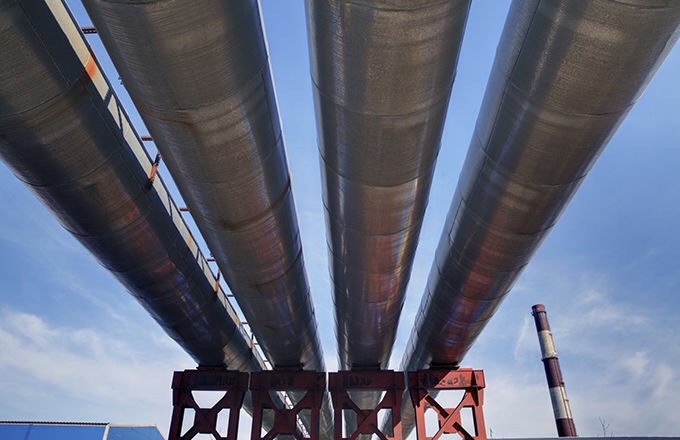
Nigerian militants claim to have bombed an oil pipeline owned by Chevron Corp. (CVX) as a warning to oil companies not to repair damaged infrastructure until they have completed talks with the Nigerian government about sharing some of the oil wealth with the people of the Niger Delta.
The attack came as a surprise, as security forces had been anticipating that a peace agreement would be signed next Monday.
The Niger Delta Avengers (NDA), which claimed responsibility for the bombing, have been blamed for cutting Nigerian oil production from 2.2 million barrels a day to 1.4 million.
In August 2016, the NDA agreed to a cease-fire, but that was soon broken by another militant group, the Niger Delta Greenland Justice Mandate.
The bombed Chevron pipeline transfers approximately 100,000 barrels of oil per day for export from the Bay of Benin.
The Niger Delta Avengers may be trying to send a warning to Royal Dutch Shell (RDS.A, RDS.B), which plans to resume exports from its Forcado terminal after militants bombed an undersea pipeline in February 2016. The NDA claimed responsibility for that attack as well, halting the export of 250,000 to 300,000 barrels of oil per day.
These attacks against oil majors have put additional pressure on the Nigerian government, which depends on the oil industry for 70% of its revenue. Low oil prices and decreased output have driven revenues down and sent inflation in Nigeria soaring to an 11-year high.
Because of the attacks on its oil infrastructure, Nigeria has been exempted from OPEC’s proposed production freeze, a small victory unless the country can raise production to previous levels.
For Chevron and other producers in the region, this puts a serious crimp on the upstream market of Africa’s richest oil resource. Unless government officials can negotiate a permanent solution, the expense caused from militant attacks will continue to stymie exports and shrink profits.
 OBLONG MEDIA GLOBAL INTELLIGENCE
Leave a comment