
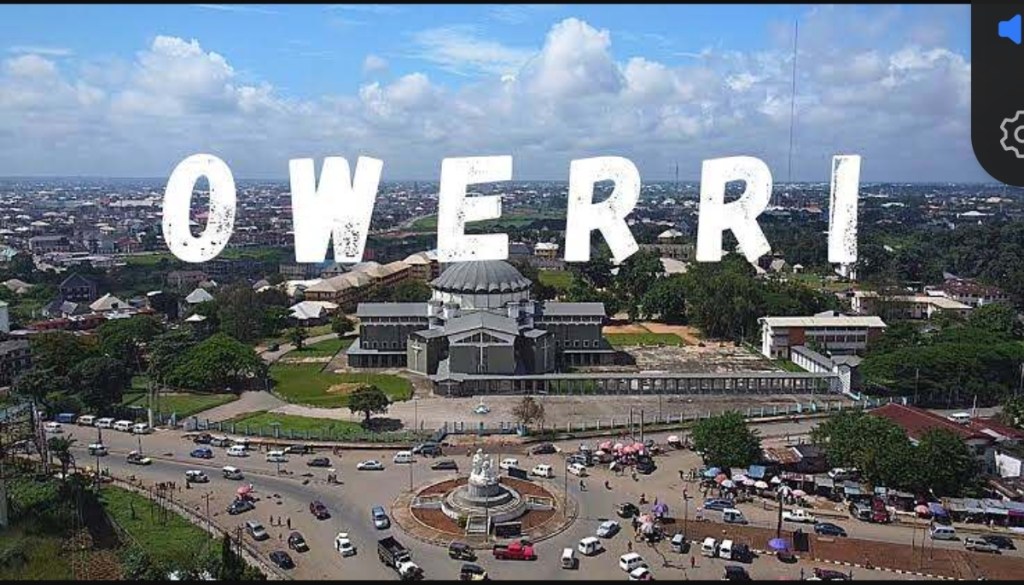
𝐏𝐫𝐞-𝐀𝐦𝐚𝐥𝐠𝐚𝐦𝐚𝐭𝐢𝐨𝐧 𝐘𝐞𝐚𝐫𝐬 (𝟏𝟗𝟎𝟏 -𝟏𝟗𝟏𝟒)
𝟏𝟗𝟎𝟏-𝟏𝟗𝟎𝟐: The Anglo-Aro wars to subdue the domination of the Aro hegemony. Military Garrison established in Owerri.
𝟏𝟗𝟎𝟑: Owerri Native Court established.
𝟏𝟗𝟎𝟔: Owerri becomes Divisional Headquarters in the Eastern Province. Egerton disapproves the proposed Owerri-Isiokpo railway.
𝟏𝟗𝟏𝟎: The proposed Itu-Ikot Ekpene-Owerri-Oguta Railway project, declined by the colonial authorities.
𝟏𝟗𝟏𝟐: E.O Okoroji from Aro appointed Court clerk in Sogho Native Court, Ogoni.
𝟏𝟗𝟏𝟑-𝟏𝟗𝟒𝟓: Sierra-Leonians, Liberians Ghanians and other educated Africans dominate/pioneer clerical services, contracts, commercial firms in the city of Port-Harcourt.
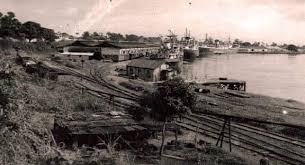
𝟏𝟗𝟏𝟑: Port-Harcourt established on the banks of the Bonny River to export coal from Enugu mines.
𝟏𝟗𝟏𝟒: Yellow fever outbreaks in Degema, Oguta, Bonny and Nembe. Amalgamation of the Northern and Southern protectorates of Nigeria.
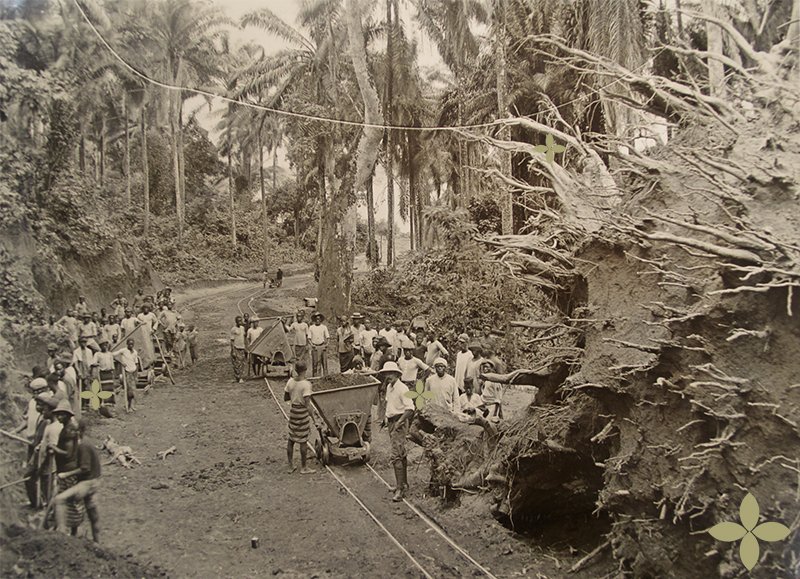
𝐏𝐨𝐬𝐭-𝐀𝐦𝐚𝐥𝐠𝐚𝐦𝐚𝐭𝐢𝐨𝐧 𝐏𝐞𝐫𝐢𝐨𝐝 (𝟏𝟗𝟏𝟒-𝟏𝟗𝟑𝟓)
𝟏𝟗𝟏𝟒: Òwerri becomes a Province, covering Owerri, Aba, Okigwi, Bende, Orlu, Brass, Ahoada and Degema divisions.
𝟏𝟗𝟏𝟓: Opobo and Afikpo divisions ceded to Calabar and Ogoja Provinces, respectively.
𝟏𝟗𝟏𝟕: Izọn elites, educationally privileged, dominate Owerri Province administration, having over 40% of the provincial clerks and controlling the Civil Service, even after relocation of provincial headquarters to Owerri.
𝟏𝟗𝟐𝟎: Grand Native Club founded by African elites in Port-Harcourt. The Igbo under represented due to their being largely uneducated.
The Igbo were scorned by the privileged Izọn and Diobu-Ikwerre as bush, soc¡al ¡nfer¡ors, ¡nf¡dels, slaves, peasant labourers.
𝟏𝟗𝟐𝟔: Colonial authority rejects proposed Oguta-Owerri-P.H.C
rail line. Africans admitted in administration of Port-Harcourt city. Sierra-Leonians, Ghanians,
Gambians, Yorùbás, Izọns and Efiks involved. Igbo excluded for being educationally unprivileged. Migrant Igbo Groups begin to establish town unions in Port-Harcourt.
𝟏𝟗𝟑𝟎: Coastal people begin to nurse resentment towards the Igbo whose vast migrant Populations in the coastal regions caused an unhealthy competition for jobs, Political influence and land.
𝟏𝟗𝟑𝟑: Several town unions of migrant Igbo from the Òwerri Onitsha and Benin provinces, unite, organize grand reception for first Igbo Medical Doctor, S.E Onwu, in Port-Harcourt. Igbo Union in Port-Harcourt, is founded, excluding indigenous Igbo peoples of Ahoada division, with no Migrant town unions in Port-Harcourt, as the city was within same district and proximity.
𝟏𝟗𝟑𝟓: African Community League, comprising different Ethnic bodies, formed in Port Harcourt. Rapid reception of Western Education among the Igbo. Igbo Town unions sponsor scholarship of towns men. Missions schools spread.
Igbo town unions begin to embark on Developmental projects at hometowns.
𝐌𝐢𝐧𝐨𝐫𝐢𝐭𝐲 𝐀𝐠𝐢𝐭𝐚𝐭𝐢𝐨𝐧 𝐏𝐞𝐫𝐢𝐨𝐝 (𝟏𝟗𝟑𝟓-𝟏𝟗𝟓𝟕)
𝟏𝟗𝟑𝟕: Shell D’Arcy Exploration Company begins oil exploration in the Niger-Delta.
𝟏𝟗𝟒𝟏: Earnest Sisei Ikoli of Nembe advocates for the creation of 4 States in Nigeria. North, South, East and West. North for Hausa, Fulani, Kanuri and other Northern minorities; West for Yorùbá, Edo, Urhobo, Itsekiri and Isoko, East for Igbo, Efik, Ibibio, Annang, Ogoni, and other Eastern minorities;
Southern State for only the Izọn ethnic group!
𝐍𝐨𝐯𝐞𝐦𝐛𝐞𝐫 18 𝟏𝟗𝟒𝟑: Founding of Ijaw Rivers People’s League at Enitonna High School, Port-Harcourt, with chiefs from Izọn, Epie, Ọgbịa, Abua, Engenni, Degema, Kalabari, Okrika and Opobo tribes, with the aim of removing the areas from Òwerri Province and removing Opobo from Calabar Province.
𝟏𝟗𝟒𝟒: Ijaw State Union in Lagos applies pressure for the creation of Rivers Province. Provisions were made for the inclusion of Ndọkị in Aba division, Ogoni and the Ahoada division in the Ijaw Rivers People League.
𝟏𝟗𝟒𝟒: National Council of Nigeria and Cameroons created. .
𝟏𝟗𝟒𝟔.: Elite migrant Igbo in Port-Harcourt, take over from Educated non-Igbo Migrants in Port-Harcourt as Africans become fully involved in administration.
𝟏𝟗𝟒𝟔: E. T Dimeari of the C.M.S, and member representing Brass Division, calls for creation of Rivers Province.
𝐀𝐩𝐫𝐢𝐥 𝟏𝟗𝟒𝟕: Arthur Richards creates Rivers Province from the Degema, Brass and Ahoada Divisions of Owerri Province. Port Harcourt becomes Headquarters. Opobo opt out of Rivers Province for fear of loosing status and prestige of being a Divisional Headquarters. Rejoins Calabar Province.
𝟏𝟗𝟒𝟕 : Eastern Nigeria House of Assembly created in Enugu.
𝟏𝟗𝟒𝟖: Port-Harcourt becomes Headquarters of the Igbo State Union. Aro-Calabar, Onitsha, Arochukwu proved most difficult to integrate to the Igbo Union and NCNC.
𝟏𝟗𝟒𝟗: Headquarters of Òwerri Province moved to Umuahia. Zikist protests in Onitsha, Port-Harcourt and Aba over the killing of coal miners in Iva valley, Enugu. Migrant Igbo settlers win major seats in the Port-Harcourt Municipal Council election, ousting the Sierra-Leonians, Ghanians and Gambians holding positions. The Igbo from Owerri and Onitsha Provinces, begin fierce competition for political dominance of the Port-Harcourt council.
𝟏𝟗𝟓𝟎: Shell BP relocates headquarters from Òwerri to Port-Harcourt.
𝟏𝟗𝟓𝟎 : Yoruba-Igbo conflicts in Lagos.

𝟏𝟗𝟓𝟏.: Ijaw Union reformed. Harold Wilcox Biriye becomes President. Fights for Izọn dominance of the Municipal Council of Port-Harcourt.
𝟏𝟗𝟓𝟏: Politicization of the Igbo State Union. Opposition spread propaganda of the NCNC being a solely Igbo project, as Nnamdi Azikiwe heads both the NCNC and the Igbo State Union.
𝟏𝟗𝟓𝟑: Igbo State Union becomes major critic and opposition of the NCNC. Calabar-Ogoja-Rivers State movement begins in Uyo. Eastest Regional Government crisis. NCNC expells Eyo-Ita. Eyoita forms National Independence Party.
𝟏𝟗𝟓𝟒: Nnamdi Azikiwe emerges the Premier of the East. Leaders of Ijaw Union meet Awolowo and Action Group leaders, introducing A.G to the Rivers Province as opposition against the NCNC. Yorùbá dominated A.G,
supports the creation of the Calabar-Ogoja-Rivers State. NCNC allies with Fulani NEPU.
𝐉𝐮𝐥𝐲 4, 𝟏𝟗𝟓𝟔: Formation of Rivers Chiefs and People’s Conference moved by Chief P.G Warmate.
𝟏𝟗𝟓𝟔: Oil discovered in commercial quantities at Oloibiri.
𝟏𝟗𝟓𝟕: Mobil, Gulf (Chevron), Agip, Safrap(Elf), Tenneco, Amoseas become active in Nigeria’s oil sector.
𝐓𝐡𝐞 𝐖𝐢𝐥𝐥𝐢𝐧𝐤𝐬 𝐂𝐨𝐦𝐦𝐢𝐬𝐬𝐢𝐨𝐧 𝐇𝐞𝐚𝐫𝐢𝐧𝐠 𝟏𝟗𝟓𝟖
𝟏𝟗𝟓𝟕: Widespread resentment for the Igbo for feared economic and political domination, among the Minorities, necessitate the establishment of Henry Willink Commission of Enquiry into Minority problem.
𝐎𝐜𝐭𝐨𝐛𝐞𝐫 𝟏𝟗𝟓𝟕: Ikwerre, Ekpeye Ọgba and Etche tribes of Ahoada Division, disassociate from Rivers State Movement over suspicion of intended Ijaw domination with the inclusion of the Izọn people of the Warri Province.
𝐉𝐚𝐧𝐮𝐚𝐫𝐲 𝟏𝟗𝟓𝟖: Willinks Commission Hearing.
•𝑻𝒉𝒆 𝑰𝒋𝒂𝒘 𝒅𝒊𝒅 𝒏𝒐𝒕 𝒘𝒂𝒏𝒕 𝑹𝒊𝒗𝒆𝒓𝒔 𝑺𝒕𝒂𝒕𝒆 𝒘𝒊𝒕𝒉𝒐𝒖𝒕 𝑷𝒐𝒓𝒕-𝑯𝒂𝒓𝒄𝒐𝒖𝒓𝒕, 𝒂𝒏 𝒆𝒏𝒗𝒊𝒔𝒂𝒈𝒆𝒅 𝑰𝒋𝒂𝒘 𝒎𝒆𝒈𝒂 𝒄𝒊𝒕𝒚, 𝒐𝒏𝒆 𝒕𝒉𝒂𝒕 𝒃𝒆𝒄𝒂𝒎𝒆 𝒕𝒉𝒆 𝒄𝒆𝒏𝒕𝒓𝒆 𝒇𝒐𝒓 𝑰𝒋𝒂𝒘 𝑵𝒂𝒕𝒊𝒐𝒏𝒂𝒍𝒊𝒔𝒎. 𝑰𝒕 𝒊𝒔 𝒂𝒅𝒎𝒊𝒕𝒕𝒆𝒅 𝒕𝒉𝒂𝒕 𝒂𝒏 𝑰𝒋𝒂𝒘 𝑹𝒊𝒗𝒆𝒓𝒔 𝑺𝒕𝒂𝒕𝒆 𝒘𝒊𝒕𝒉𝒐𝒖𝒕 𝑷𝒐𝒓𝒕-𝑯𝒂𝒓𝒄𝒐𝒖𝒓𝒕 𝒘𝒐𝒖𝒍𝒅 𝒍𝒂𝒄𝒌 𝒈𝒆𝒐𝒈𝒓𝒂𝒑𝒉𝒊𝒄𝒂𝒍 𝒄𝒐𝒏𝒕𝒊𝒏𝒖𝒊𝒕𝒚 𝒂𝒏𝒅 𝒃𝒆 𝒆𝒄𝒐𝒏𝒐𝒎𝒊𝒄𝒂𝒍𝒍𝒚 𝒖𝒏𝒗𝒊𝒂𝒃𝒍𝒆.
•𝑻𝒉𝒆 𝑰𝒋𝒂𝒘 𝒆𝒎𝒑𝒉𝒂𝒄𝒊𝒛𝒆 𝒕𝒉𝒆 𝒅𝒊𝒔𝒕𝒊𝒏𝒄𝒕𝒊𝒗𝒆𝒏𝒆𝒔𝒔 𝒐𝒇 𝒕𝒉𝒆 𝑰𝒈𝒃𝒐 𝒈𝒓𝒐𝒖𝒑𝒔 𝒐𝒇 𝑨𝒉𝒐𝒂𝒅𝒂 𝑫𝒊𝒗𝒊𝒔𝒊𝒐𝒏, 𝒄𝒊𝒕𝒊𝒏𝒈 𝒕𝒉𝒆𝒊𝒓 𝒂𝒈𝒆-𝒍𝒐𝒏𝒈 𝒓𝒆𝒍𝒂𝒕𝒊𝒐𝒏𝒔𝒉𝒊𝒑 𝒘𝒊𝒕𝒉 𝒕𝒉𝒆 𝑰𝒌𝒘𝒆𝒓𝒓𝒆 𝒂𝒏𝒅 𝒕𝒉𝒆 𝒓𝒆𝒔𝒆𝒏𝒕𝒎𝒆𝒏𝒕 𝒂𝒏𝒅 𝒄𝒐𝒏𝒕𝒆𝒎𝒑𝒕 𝒕𝒉𝒆 𝑫𝒊𝒐𝒃𝒖-𝑰𝒌𝒘𝒆𝒓𝒓𝒆 𝒊𝒏𝒅𝒊𝒈𝒆𝒏𝒆𝒔 𝒐𝒇 𝑷𝒐𝒓𝒕-𝑯𝒂𝒓𝒄𝒐𝒖𝒓𝒕 𝒉𝒂𝒅 𝒇𝒐𝒓 𝒕𝒉𝒆 𝒎𝒊𝒈𝒓𝒂𝒏𝒕 𝑰𝒈𝒃𝒐, 𝒂𝒔 𝒕𝒉𝒆 𝑫𝒊𝒐𝒃𝒖 𝑰𝒏𝒅𝒊𝒈𝒆𝒏𝒆𝒔 𝒂𝒓𝒆 𝒘𝒐𝒐𝒆𝒅 𝒃𝒚 𝒕𝒉𝒆 𝑰𝒋𝒂𝒘 𝒅𝒐𝒎𝒊𝒏𝒂𝒕𝒆𝒅 𝑹𝒊𝒗𝒆𝒓𝒔 𝑺𝒕𝒂𝒕𝒆 𝑴𝒐𝒗𝒆𝒎𝒆𝒏𝒕 𝒂𝒏𝒅 𝒕𝒉𝒆 𝑴𝒊𝒈𝒓𝒂𝒏𝒕 𝑰𝒈𝒃𝒐/𝑵𝑪𝑵𝑪 𝒅𝒐𝒎𝒊𝒏𝒂𝒕𝒆𝒅 𝑹𝒆𝒈𝒊𝒐𝒏𝒂𝒍 𝑮𝒐𝒗𝒆𝒓𝒏𝒎𝒆𝒏𝒕 𝒘𝒉𝒐 𝒐𝒑𝒑𝒐𝒔𝒆 𝑹𝒊𝒗𝒆𝒓𝒔 𝑺𝒕𝒂𝒕𝒆 𝒄𝒓𝒆𝒂𝒕𝒊𝒐𝒏 𝒘𝒊𝒕𝒉 𝒕𝒉𝒆 𝒊𝒏𝒄𝒍𝒖𝒔𝒊𝒐𝒏 𝒐𝒇 𝑷𝒐𝒓𝒕-𝑯𝒂𝒓𝒄𝒐𝒖𝒓𝒕.
•𝑨 𝑫𝒊𝒐𝒃𝒖 𝒔𝒑𝒐𝒌𝒆𝒔𝒎𝒂𝒏 𝒓𝒆𝒗𝒆𝒂𝒍𝒔 𝒕𝒉𝒆 𝒊𝒏𝒕𝒆𝒏𝒕𝒊𝒐𝒏 𝒐𝒇 𝒕𝒉𝒆 𝑫𝒊𝒐𝒃𝒖 𝒕𝒐 𝒅𝒊𝒔𝒂𝒔𝒔𝒐𝒄𝒊𝒂𝒕𝒆 𝒇𝒓𝒐𝒎 𝒕𝒉𝒆 𝑴𝒊𝒈𝒓𝒂𝒏𝒕 𝑰𝒈𝒃𝒐 𝒘𝒉𝒐 𝒗𝒊𝒐𝒍𝒂𝒕𝒆𝒅 𝒕𝒓𝒊𝒃𝒂𝒍 𝒄𝒖𝒔𝒕𝒐𝒎𝒔, 𝒃𝒐𝒖𝒈𝒉𝒕 𝒍𝒊𝒎𝒊𝒕𝒆𝒅 𝒄𝒐𝒎𝒎𝒖𝒏𝒂𝒍 𝒍𝒂𝒏𝒅𝒔 𝒊𝒏𝒅𝒊𝒔𝒄𝒓𝒊𝒎𝒊𝒏𝒂𝒕𝒆𝒍𝒚, 𝒄𝒐𝒎𝒑𝒆𝒕𝒆𝒅 𝒊𝒏 𝒔𝒂𝒍𝒆 𝒐𝒇 𝒑𝒓𝒐𝒅𝒖𝒄𝒆 𝒊𝒏 𝒎𝒂𝒓𝒌𝒆𝒕𝒔 𝒘𝒊𝒕𝒉 𝒕𝒉𝒆 𝒏𝒂𝒕𝒊𝒗𝒆𝒔, 𝒄𝒓𝒆𝒂𝒕𝒆𝒅 𝒕𝒉𝒆𝒊𝒓 𝒐𝒘𝒏 𝒆𝒙𝒄𝒍𝒖𝒔𝒊𝒗𝒆 𝒎𝒂𝒓𝒌𝒆𝒕𝒔, 𝒘𝒊𝒕𝒉𝒊𝒏 𝒕𝒉𝒆 𝑰𝒌𝒘𝒆𝒓𝒓𝒆 𝒂𝒓𝒆𝒂, 𝒅𝒐𝒎𝒊𝒏𝒂𝒕𝒆𝒅 𝒂𝒏𝒅 𝒆𝒙𝒄𝒍𝒖𝒅𝒆𝒅 𝒕𝒉𝒆 𝑰𝒌𝒘𝒆𝒓𝒓𝒆 𝒊𝒏 𝒕𝒉𝒆 𝒂𝒇𝒇𝒂𝒊𝒓𝒔 𝒐𝒇 𝑨𝒅𝒎𝒊𝒏𝒊𝒔𝒕𝒓𝒂𝒕𝒊𝒐𝒏 𝒘𝒊𝒕𝒉 𝒕𝒉𝒆𝒊𝒓 𝒏𝒖𝒎𝒆𝒓𝒊𝒄𝒂𝒍 𝒔𝒕𝒓𝒆𝒏𝒈𝒕𝒉 𝒂𝒏𝒅 𝒕𝒉𝒆 𝒄𝒐𝒏𝒏𝒆𝒄𝒕𝒊𝒐𝒏 𝒐𝒇 𝒕𝒉𝒆 𝑵𝑪𝑵𝑪 𝒘𝒊𝒕𝒉 𝒕𝒉𝒆 𝑰𝑩𝑶 𝑺𝒕𝒂𝒕𝒆 𝑼𝒏𝒊𝒐𝒏 𝒘𝒉𝒊𝒄𝒉 𝒆𝒙𝒄𝒍𝒖𝒅𝒆𝒅 𝒕𝒉𝒆 𝑰𝒌𝒘𝒆𝒓𝒓𝒆 𝒑𝒆𝒐𝒑𝒍𝒆.
• 𝑻𝒉𝒆 𝑰𝒈𝒃𝒐 𝒅𝒆𝒍𝒆𝒈𝒂𝒕𝒊𝒐𝒏 𝒘𝒂𝒓𝒏𝒔 𝑫𝒊𝒐𝒃𝒖 𝒐𝒇 𝒕𝒉𝒆 𝒄𝒐𝒏𝒔𝒆𝒒𝒖𝒆𝒏𝒄𝒆𝒔 𝒐𝒇 𝒃𝒆𝒊𝒏𝒈 𝒊𝒏 𝒂𝒏 𝑰𝒋𝒂𝒘 𝒅𝒐𝒎𝒊𝒏𝒂𝒕𝒆𝒅 𝑹𝒊𝒗𝒆𝒓𝒔 𝑺𝒕𝒂𝒕𝒆. 𝑪𝒉𝒊𝒆𝒇 𝑱𝒐𝒔𝒆𝒑𝒉 𝑾𝒐𝒃𝒐 𝒐𝒇 𝑫𝒊𝒐𝒃𝒖 𝒐𝒑𝒑𝒐𝒔𝒆𝒔 𝒕𝒉𝒆 𝑹𝒊𝒗𝒆𝒓𝒔 𝑺𝒕𝒂𝒕𝒆 𝒎𝒐𝒗𝒆𝒎𝒆𝒏𝒕 𝒂𝒏𝒅 𝒕𝒆𝒔𝒕𝒊𝒇𝒊𝒆𝒔 𝒕𝒉𝒂𝒕 𝒕𝒉𝒆 𝑰𝒌𝒘𝒆𝒓𝒓𝒆 𝒂𝒏𝒅 𝒕𝒉𝒆 𝒎𝒊𝒈𝒓𝒂𝒏𝒕 𝑰𝒈𝒃𝒐 𝒑𝒆𝒐𝒑𝒍𝒆 𝒘𝒆𝒓𝒆 𝒐𝒇 𝒐𝒏𝒆 𝒂𝒏𝒅 𝒕𝒉𝒆 𝒔𝒂𝒎𝒆 𝒑𝒆𝒐𝒑𝒍𝒆 𝒂𝒏𝒅 𝒕𝒉𝒂𝒕 𝒕𝒉𝒆 𝒑𝒆𝒐𝒑𝒍𝒆 𝒇𝒓𝒐𝒎 𝑫𝒊𝒐𝒃𝒖 𝒕𝒐 𝒕𝒉𝒆 𝒆𝒏𝒅𝒔 𝒐𝒇 𝑶𝒏𝒊𝒕𝒔𝒉𝒂 𝑷𝒓𝒐𝒗𝒊𝒏𝒄𝒆, 𝒘𝒆𝒓𝒆 𝒐𝒏𝒆 𝒑𝒆𝒐𝒑𝒍𝒆.
•Chief Wobo is opposed by Diobu people who supported the inclusion of Diobu in a separate Rivers State.
• The commission notes the reluctance of the mainland Igbos to loose Port-Harcourt and notes the overwhelming Support for Rivers State Creation from the Degema, Ogoni and Brass divisions, while noting the problems the inclusion of Ahoada division and Port-Harcourt in an Ijaw dominated Rivers State would create.
•In response to the concerns of the swamps, the Willink Commission recommends the creation of a special area to comprise the Rivers Province (Excluding the Ahoada division and Port-Harcourt area, whose Indigenes were not regarded as Minorities)
•The recommendation of a creation of the NigerDelta Development Board for the Ogoni and Ijaw (groups in the Rivers Province that were neither Igbo nor Ogoni) sections of Rivers Province and the Western Izọn people of Warri Province. The Ahoada division, whose people were considered part of the majority tribe, was excluded.
𝐏𝐨𝐬𝐭 𝐖𝐢𝐥𝐥𝐢𝐧𝐤𝐬 𝐑𝐞𝐩𝐨𝐫𝐭𝐬 𝐏𝐞𝐫𝐢𝐨𝐝 (𝟏𝟗𝟓𝟖-𝟏𝟗𝟔𝟎)
𝟏𝟗𝟓𝟗: Harold Biriye founds the Niger Delta Congress which later allies with the Northern People’s Congress. Igbo dominated NCNC is kicked out of alliance.

𝟏𝟗𝟔𝟎: Nigeria gains Independence. Mike Okilo of Brass Division becomes secretary to Tafawa Belewa. Tafawa Belewa sets committees for physical Development of the NigerDelta Special Area.
𝐏𝐨𝐬𝐭 𝐈𝐧𝐝𝐞𝐩𝐞𝐧𝐝𝐞𝐧𝐜𝐞 𝐀𝐠𝐢𝐭𝐚𝐭𝐢𝐨𝐧𝐬 (𝟏𝟗𝟔𝟏-𝟏𝟗𝟔𝟕)
𝟏𝟗𝟔𝟏: Southern Cameroons opt out of Nigeria. The NigerDelta Development Board charged with a ten-year development plan, is established for the Minority Ethnic Nationalities in the Eastern and the Izọn of Warri Province.
𝟏𝟗𝟔𝟐: NCNC raises alarm on the sidelining of the East by the 1962-1968 Development plans that allocated majority of Federal projects totalling £670 Million for the North alone.
𝐃𝐞𝐜𝐞𝐦𝐛𝐞𝐫 10, 𝟏𝟗𝟔𝟐 :
The Ahoada division and Port-Harcourt areas were exempted but for social, economic and adminstrative expediencies, the headquarters of the NDDB is sited in Azikiwe Road, Port-Harcourt, seen by the Izọn as an Ijaw capital city.
The Dutch and British in the NDDB carry out intensive study of the NigerDelta.
𝟏𝟗𝟔𝟑: House of Chiefs created in the Eastern Region. The Ijaw Ethnic groups produce highest number of first class chiefs.
-Ọgbakọ Ikwerre established with Chief J.A Oriji as pioneer Chairman.
- Nigeria’s Census figures which doubles the Population of the North within ten years and assumed the Western Region(which combined with the Midwest had a lesser Population than the East in the previous census), larger than the East, is rejected by the Eastern Regional Government and the people of Eastern NIGERIA.
- Niger Delta Congress, allied with Northern Nigeria, accepts the controversial figures.
20th 𝐒𝐞𝐩𝐭𝐞𝐦𝐛𝐞𝐫 𝟏𝟗𝟔𝟑: Chief Zumoh Efeke V of Yenagoa Province makes a case in the Eastern House of Chiefs for the creation of a fifth Region in Nigeria to be known as “Southern Region” which would comprise the Yenagoa, Degema, Ogoni and Uyo Provinces, Opobo Division and the Izọn people of the Midwest, excluding the people of Port-Harcourt Province.
21 𝐒𝐞𝐩𝐭𝐞𝐦𝐛𝐞𝐫 𝟏𝟗𝟔𝟑: 𝑪𝒉𝒊𝒆𝒇 𝑱𝒂𝒄𝒌𝒔𝒐𝒏 𝑶𝒎𝒆𝒌𝒘𝒆 𝑨𝒍𝒆𝒓𝒖𝒄𝒉𝒊 𝑴𝒑𝒊 𝒐𝒇 𝑰𝒔𝒊𝒐𝒌𝒑𝒐, 𝒇𝒊𝒓𝒔𝒕 𝒄𝒍𝒂𝒔𝒔 𝑰𝒌𝒘𝒆𝒓𝒓𝒆 𝒄𝒉𝒊𝒆𝒇 𝒓𝒆𝒑𝒓𝒆𝒔𝒆𝒏𝒕𝒊𝒏𝒈 𝑷𝒐𝒓𝒕-𝑯𝒂𝒓𝒄𝒐𝒖𝒓𝒕 𝑷𝒓𝒐𝒗𝒊𝒏𝒄𝒆, 𝒄𝒉𝒂𝒓𝒈𝒆𝒔 𝑪𝒉𝒊𝒆𝒇 𝒁𝒖𝒎𝒐𝒉 𝑬𝒇𝒆𝒌𝒆 𝒐𝒇 𝒕𝒓𝒆𝒔𝒑𝒂𝒔𝒔𝒊𝒏𝒈 𝒇𝒐𝒓 𝒔𝒑𝒆𝒂𝒌𝒊𝒏𝒈 𝒐𝒇 𝑰𝒋𝒂𝒘 𝒊𝒏𝒕𝒆𝒓𝒆𝒔𝒕 𝒊𝒏 𝑷𝒐𝒓𝒕 𝑯𝒂𝒓𝒄𝒐𝒖𝒓𝒕.
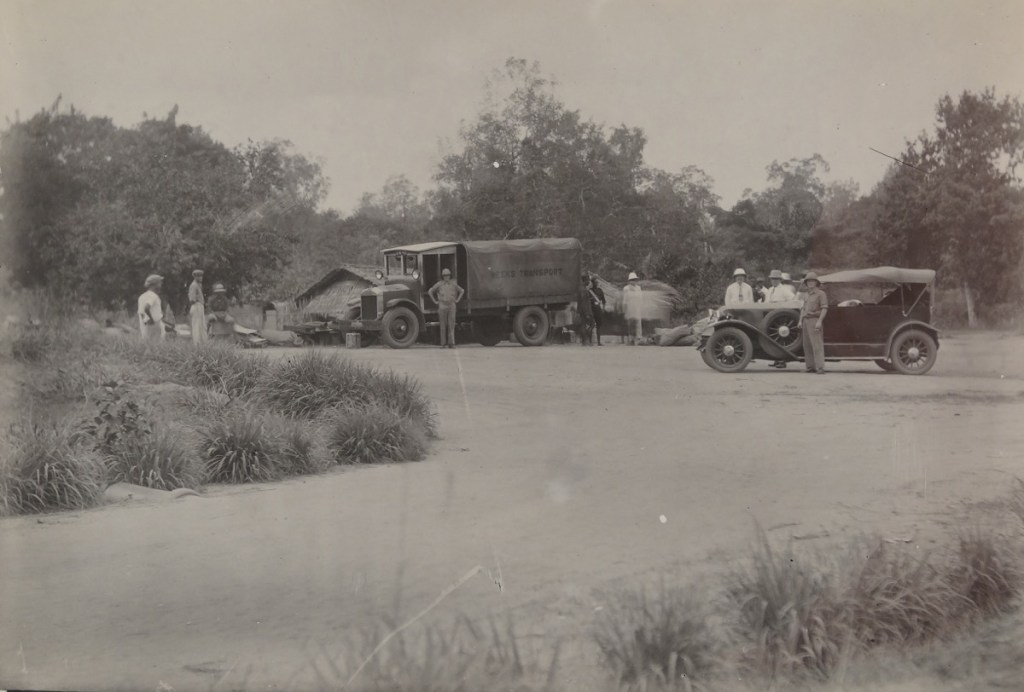
- 𝑪𝒉𝒊𝒆𝒇 𝑴𝒑𝒊 𝒘𝒂𝒓𝒏𝒔 𝒈𝒐𝒗𝒆𝒓𝒏𝒎𝒆𝒏𝒕 𝒕𝒐 𝒎𝒂𝒌𝒆 𝒅𝒆𝒎𝒂𝒓𝒄𝒂𝒕𝒊𝒐𝒏 𝒄𝒍𝒆𝒂𝒓 𝒘𝒉𝒆𝒏 𝒄𝒓𝒆𝒂𝒕𝒊𝒏𝒈 𝒑𝒓𝒐𝒗𝒊𝒏𝒄𝒆𝒔 𝒐𝒓 𝒅𝒊𝒗𝒊𝒔𝒊𝒐𝒏𝒔.
- 𝑯𝒆 𝒍𝒂𝒎𝒆𝒏𝒕𝒔 𝒕𝒉𝒆 𝒔𝒊𝒕𝒊𝒏𝒈 𝒐𝒇 𝒕𝒉𝒆 𝒉𝒆𝒂𝒅𝒒𝒖𝒂𝒓𝒕𝒆𝒓𝒔 𝒐𝒇 𝒕𝒉𝒆 𝑵𝑫𝑫𝑩 𝒂𝒕 𝑷𝒐𝒓𝒕 𝑯𝒂𝒓𝒄𝒐𝒖𝒓𝒕 𝒊𝒏𝒔𝒕𝒆𝒂𝒅 𝒐𝒇 𝑫𝒆𝒈𝒆𝒎𝒂 𝒐𝒓 𝒀𝒆𝒏𝒂𝒈𝒐𝒂 𝑫𝒊𝒗𝒊𝒔𝒊𝒐𝒏𝒔 𝒃𝒆𝒊𝒏𝒈 𝒕𝒘𝒐 𝒑𝒓𝒐𝒗𝒊𝒏𝒄𝒊𝒂𝒍 𝒉𝒆𝒂𝒅𝒒𝒖𝒂𝒓𝒕𝒆𝒓𝒔 𝒐𝒇 𝒕𝒉𝒆 𝒎𝒊𝒏𝒐𝒓𝒊𝒕𝒚 𝒑𝒆𝒐𝒑𝒍𝒆 𝒔𝒆𝒓𝒗𝒆𝒅 𝒃𝒚 𝒕𝒉𝒆 𝑵𝑫𝑫𝑩.
- 𝑴𝒑𝒊 𝒇𝒖𝒓𝒕𝒉𝒆𝒓 𝒅𝒆𝒔𝒄𝒓𝒊𝒃𝒆𝒔 𝒑𝒆𝒐𝒑𝒍𝒆 𝒎𝒂𝒌𝒊𝒏𝒈 𝒏𝒐𝒊𝒔𝒆 𝒂𝒃𝒐𝒖𝒕 𝒄𝒓𝒆𝒂𝒕𝒊𝒐𝒏 𝒐𝒇 𝑴𝒊𝒏𝒐𝒓𝒊𝒕𝒚 𝒂𝒓𝒆𝒂𝒔 𝒂𝒏𝒅 𝒔𝒕𝒂𝒕𝒆𝒔 𝒂𝒔 𝒔𝒆𝒍𝒇𝒊𝒔𝒉 𝒆𝒍𝒆𝒎𝒆𝒏𝒕𝒔 𝒘𝒉𝒐 𝒘𝒂𝒏𝒕𝒆𝒅 𝒕𝒐 𝒃𝒆 𝒑𝒓𝒆𝒎𝒊𝒆𝒓𝒔, 𝒎𝒊𝒏𝒊𝒔𝒕𝒆𝒓𝒔, 𝒑𝒓𝒆𝒔𝒊𝒅𝒆𝒏𝒕𝒔 𝒐𝒇 𝒕𝒉𝒆 𝑯𝒐𝒖𝒔𝒆 𝒐𝒇 𝑪𝒉𝒊𝒆𝒇𝒔, 𝒊𝒇 𝒕𝒉𝒆𝒊𝒓 𝒅𝒆𝒎𝒂𝒏𝒅𝒔 𝒘𝒆𝒓𝒆 𝒎𝒆𝒕.
- 𝑴𝒑𝒊 𝒔𝒂𝒚𝒔 𝒕𝒉𝒆𝒓𝒆 𝒘𝒂𝒔 𝒏𝒐 𝒔𝒆𝒏𝒔𝒆 𝒊𝒏 𝒕𝒉𝒆 𝒅𝒆𝒎𝒂𝒏𝒅 𝒇𝒐𝒓 𝒎𝒊𝒏𝒐𝒓𝒊𝒕𝒚 𝒂𝒓𝒆𝒂 𝒄𝒓𝒆𝒂𝒕𝒊𝒐𝒏 𝒘𝒉𝒆𝒏 𝒎𝒂𝒏𝒚 𝒂𝒎𝒆𝒏𝒊𝒕𝒊𝒆𝒔 𝒘𝒆𝒓𝒆 𝒃𝒆𝒊𝒏𝒈 𝒅𝒊𝒔𝒕𝒓𝒊𝒃𝒖𝒕𝒆𝒅 𝒕𝒐 𝒕𝒉𝒆 𝒅𝒊𝒇𝒇𝒆𝒓𝒆𝒏𝒕 𝒑𝒂𝒓𝒕𝒔 𝒐𝒇 𝒕𝒉𝒆 𝒓𝒆𝒈𝒊𝒐𝒏
𝟏𝟗𝟔𝟒.: Ikwerre stake holders clamour for inclusion in NDDB as Oil is drilled in many parts of Ikwerre Land but Ikwerre people are exempted from the benefits of the NDDB. Ikwerre is declared as a distinct Minority oil producing group.
– Elugwaraonu an Mbaise, is nominated by the Migrant Igbo Union through the Igbo Migrant dominated Diobu chapter of the NCNC, to represent the Ikwerre tribe in Ahoada Central Constituency, is defeated by an independent Ikwerre candidate, Nwobidike Nwonodi.
-Izọn and other Ijaw people in Port-Harcourt withdraw support for the creation of Calabar-Ogoja-Rivers State over fears of being subordinate to the larger Crossriver Populations of Ibibio-Ogoja axis.
– They insist on the creation of an Izọn dominated state to include the Western Izọn, Opobo and Andoni, and the outlying Igbo areas of Ndoki who didn’t share any boundaries with any Izọn or Ijaw Community.
𝟏𝟗𝟔𝟓: – Oil refining in Nigeria begins as a £12 million refinery is built near Port-Harcourt.
- Isaac Adaka Boro, Sam Owonaro, Nottingham Dick establish the NigerDelta Volunteer force. Boro extols Tafawa Belewa as a protector of the Izọn people.
- Tafawa Belewa accuses Igbo people of being incorrigible and not admitting mistakes, flaws and wrong doings. He susoects NCNC of sponsoring Tiv unrests and the UMBC led by Joseph Tanka.
- Z. Obi, president of Ibo State Union raises alarm over a conspiracy by the rest of Nigeria to reduce the Igbo into second class citizens.
𝐉𝐚𝐧𝐮𝐚𝐫𝐲 𝟏𝟗𝟔𝟔: Coup affects the industrialization and urbanization vision of The NDDB towards the NigerDelta

𝐓𝐡𝐞 𝐓𝐰𝐞𝐥𝐯𝐞 𝐃𝐚𝐲 𝐑𝐞𝐯𝐨𝐥𝐮𝐭𝐢𝐨𝐧
(𝐅𝐞𝐛𝐫𝐮𝐚𝐫𝐲 𝟐𝟑 – 𝐌𝐚𝐫𝐜𝐡 𝟔 𝟏𝟗𝟔𝟔)
Niger Delta Volunteer Force begins violent Agitations for secession of a NigerDelta Republic that would include only the Ijaw Ethnic groups of the Rivers area.
- Adaka Boro leads the secession, arguing that the NigerDelta was blatantly denied Development.
- The declaration for the secession made at Kaiama .
- Institutions and properties belonging to both the Federal and Eastern governments in Yenagoa Province, attacked.
- NDDB Outpost attacked.
- Administrators of non Izọn origin attacked in the multi Ethnic Province of Yenagoa. NCNC Officials attacked.
- Looting of shops and businesses belonging to non Izọn people was encouraged and justified as the collection of non-Izọn tax.
- NDVF subdued by the Eastern Region Military Government. Adaka Boro is arrested.
𝐏𝐨𝐬𝐭 𝐌𝐢𝐥𝐢𝐭𝐚𝐫𝐲 𝐂𝐨𝐮𝐩 𝐄𝐯𝐞𝐧𝐭𝐬
(𝐉𝐮𝐥𝐲 𝟏𝟗𝟔𝟔 -𝐉𝐮𝐥𝐲 𝟏𝟗𝟔𝟕)
𝐉𝐮𝐥𝐲 𝟏𝟗𝟔𝟔: Counter military coup. Igbo and other Easterners massacred in their tens of thousands in Northern and Western Nigeria.
𝐀𝐮𝐠𝐮𝐬𝐭 𝟏𝟗𝟔𝟔:
Ojukwu’s speech imply the inevitability of Nigeria’s secession.
- Mass return of Igbo and Easterners.
- Gowon’s government encourages anti-Igbo sentiments among the Eastern minorities. However, it fails as the groups in the East become united by the pogroms in the North.
-Eastern Regional Government creates more provinces and gives key positions and Developments to the non-Igbo Minority in the East to pacify them.
- Gowon’s government encourages anti-Igbo sentiments among the Eastern minorities. However, it fails as the groups in the East become united by the pogroms in the North.
𝐒𝐞𝐩𝐭𝐞𝐦𝐛𝐞𝐫 10 𝟏𝟗𝟔𝟔:
Rivers leaders delegate chiefs to Gowon in Lagos to press for the creation of Rivers State, taking advantage of the anti Igbo And Eastern government sentiments in Nigeria.
– Ojukwu pledges Support for state creation on the condition that it would not be built on hate, fear, spite and anti-Igbo sentiments.
– Chief Oriji of Emohua tortured in detention after presenting memorandum for Rivers State creation at the Ad Hoc Constitutional Committee.
𝐎𝐜𝐭𝐨𝐛𝐞𝐫 𝟏𝟗𝟔𝟔: Talks of secession.
𝐌𝐚𝐲 𝟏𝟗𝟔𝟕: States created in undermining support for Biafra. The Igbo ethnic boundary is altered as a number of Igbo Speaking Groups in the Ahoada division are a encouraged to abandon a pan Igbo identity for minority identities with the propaganda of setting the groups as victims of the hegemony of the Igbo from the hinterland. Also build on already existing ill feelings towards the Igbo to get the Minorities on the side of the Federal government.
The Ahoada division sat on huge deposit of oil and gas which the Federal military government wanted to cut off from the control of the Igbo Majority Eastern Regional government.
𝐓𝐡𝐞 𝐂𝐢𝐯𝐢𝐥 𝐖𝐚𝐫 (𝟏𝟗𝟔𝟕-𝟏𝟗𝟕𝟎)
𝐉𝐮𝐥𝐲 𝟏𝟐 𝟏𝟗𝟔𝟕: Civil War breaks out.
𝐀𝐮𝐠𝐮𝐬𝐭 𝟒, 𝟏𝟗𝟔𝟕: Adaka Boro released from prison. Joins Saro Wiwa and others on Nigerian side.
𝐀𝐮𝐠𝐮𝐬𝐭 𝟏𝟗𝟔𝟕 – 𝐃𝐞𝐜𝐞𝐦𝐛𝐞𝐫 𝟏𝟗𝟔𝟖: 3rd Marine Commander led by Col. Benjamin Adekunle and Isaac Adaka Boro attack the shores of the Bight of Bịafra, embark on “Operation Tiger Claw” in Calabar.
- Wreck Havoc in Bonny and Opobo.
- Izọn People aid the sinking of Bịafran ships. NCNC loyalists in the Yenagoa Province attacked. Some killed.
- Emeyal in Ogbia division attacked and raided for Bịafra and NCNC Support. Mob from neighbouring Kolo town storm Emeyal and loot valuable properties after Emeyal people dispersed. -Adaka Boro is killed on 9th May in Ogu,Okrika.
- Port-Harcourt falls to the Nigerian troops. Elechi Amadi is appointed administrator of Port-Harcourt. Migrant Igbos are cut off from the city of Port-Harcourt.
- Ken Saro Wiwa becomes Administrator of Bonny and later Commissioner.
- Hundreds of Aro-Ikwerre people killed in Igwuruta and Aluu. Many other Aro-Ikwerre families were displaced and settled in refugee camps after the war.
- Epie, Engenni, Degema, Abua And Emohua men accused of sabotage by the Biafran Army, after the fall of Port-Harcourt. Able bodied men taken to camps in Ahoada, tried and tortured. NCNC chiefs like Chief Mabinton of Epie, intervene.
𝟏𝟗𝟔𝟗: The Ahiara declaration
𝐉𝐚𝐧𝐮𝐚𝐫𝐲 𝟏𝟗𝟕𝟎: Òwerri falls.
- Philip Effiong announces surrender of Biafra. Civil war ends.
𝐏𝐨𝐬𝐭 𝐖𝐚𝐫 𝐘𝐞𝐚𝐫𝐬 (𝟏𝟗𝟕𝟎-𝟏𝟗𝟗𝟎)
𝟏𝟗𝟕𝟎: NCNC Ijaw and Biafra sympathizers attacked after the war ends. Francis Opigo of Bonny seen as a traitor, is almost lynched, his properties confiscated.
- Port-Harcourt under Ijaw control after migrant Igbo left the city. The Ijaw had no intention of permitting the migrant Igbo return to Port Harcourt and reassume dominant/political position.
- Security clearance by the military makes it difficult for employment and residence of Igbos in Port-Harcourt. Many Igbo return to Port Harcourt heartbroken to find their properties confiscated.
𝟏𝟗𝟕𝟏 – 𝟏𝟗𝟕𝟑 : Nigerian National Oil Company founded. Rivers State government exiles Amanyanabo of Kalabari, HRM Princewill Frederick Amachree, de-recognises the stools of Chief Jackson Mpi of Isiokpo and the Amanyanabo of Kalabari, Samuel Uwakwe-Ogan.
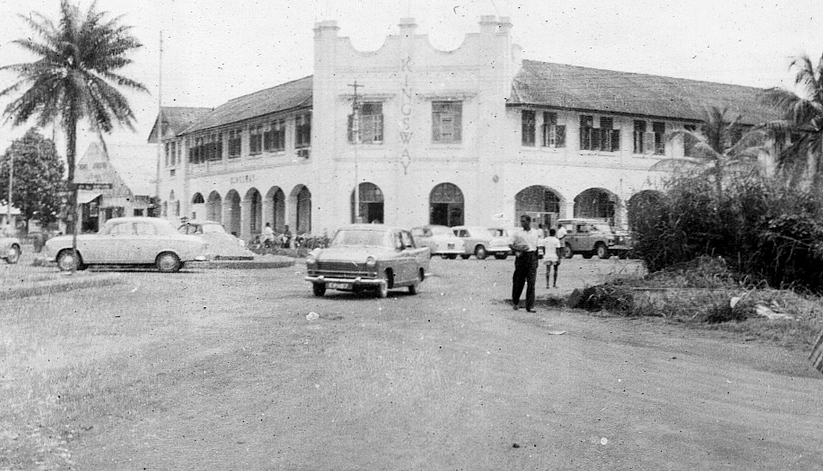
– 𝑬𝒂𝒔𝒕 𝑪𝒆𝒏𝒕𝒓𝒂𝒍 𝒔𝒕𝒂𝒕𝒆 𝒊𝒏 𝒃𝒂𝒕𝒕𝒍𝒆 𝒕𝒐 𝒓𝒆𝒄𝒐𝒗𝒆𝒓 𝒎𝒂𝒊𝒏𝒍𝒂𝒏𝒅 𝑰𝒈𝒃𝒐 𝑷𝒓𝒐𝒑𝒆𝒓𝒕𝒊𝒆𝒔 𝒊𝒏 𝑷𝒐𝒓𝒕-𝑯𝒂𝒓𝒄𝒐𝒖𝒓𝒕, 𝒗𝒂𝒍𝒖𝒆𝒅 𝒂𝒕 56 𝒎𝒊𝒍𝒍𝒊𝒐𝒏 𝑷𝒐𝒖𝒏𝒅𝒔.
– 𝑨𝒃𝒂𝒏𝒅𝒐𝒏𝒆𝒅 𝒑𝒓𝒐𝒑𝒆𝒓𝒕𝒚 𝒔𝒂𝒈𝒂 𝒂𝒏𝒅 𝒂𝒏𝒕𝒊 𝑰𝒈𝒃𝒐 𝒑𝒐𝒍𝒊𝒄𝒊𝒆𝒔 𝒐𝒇 𝒕𝒉𝒆 𝑹𝒊𝒗𝒆𝒓𝒔 𝑺𝒕𝒂𝒕𝒆 𝒈𝒐𝒗𝒆𝒓𝒏𝒎𝒆𝒏𝒕 𝒅𝒊𝒔𝒄𝒐𝒖𝒓𝒂𝒈𝒆𝒔 𝒕𝒉𝒆 𝑰𝒈𝒃𝒐 𝑭𝒓𝒐𝒎 𝒔𝒆𝒕𝒕𝒍𝒊𝒏𝒈 𝒂𝒏𝒅 𝒊𝒏𝒗𝒆𝒔𝒕𝒊𝒏𝒈 𝒊𝒏 𝑷𝒐𝒓𝒕-𝑯𝒂𝒓𝒄𝒐𝒖𝒓𝒕.
– 𝑫𝒆𝒔𝒑𝒊𝒕𝒆 𝒐𝒊𝒍 𝒃𝒐𝒐𝒎, 𝑺𝒉𝒐𝒓𝒕𝒂𝒈𝒆 𝒐𝒇 𝒔𝒌𝒊𝒍𝒍𝒆𝒅 𝒎𝒂𝒏𝒑𝒐𝒘𝒆𝒓 𝒊𝒏 𝑷𝒐𝒓𝒕-𝑯𝒂𝒓𝒄𝒐𝒖𝒓𝒕, 𝒕𝒓𝒊𝒈𝒈𝒆𝒓𝒔 𝒓𝒆𝒍𝒐𝒄𝒂𝒕𝒊𝒐𝒏 𝒐𝒇 𝒊𝒏𝒅𝒖𝒔𝒕𝒓𝒊𝒆𝒔 𝒕𝒐 𝒐𝒕𝒉𝒆𝒓 𝒑𝒂𝒓𝒕𝒔 𝒐𝒇 𝒕𝒉𝒆 𝒄𝒐𝒖𝒏𝒕𝒓𝒚.
– 𝑴𝒂𝒊𝒏𝒍𝒂𝒏𝒅 𝑰𝒈𝒃𝒐 𝒓𝒂𝒊𝒍𝒘𝒂𝒚 𝒎𝒆𝒏, 𝒆𝒏𝒕𝒓𝒆𝒑𝒓𝒆𝒏𝒆𝒖𝒓𝒔 𝒂𝒏𝒅 𝒕𝒓𝒂𝒏𝒔𝒑𝒐𝒓𝒕 𝒎𝒂𝒏𝒂𝒈𝒆𝒓𝒔 𝒅𝒆𝒄𝒊𝒅𝒆 𝒕𝒐 𝒃𝒐𝒚𝒄𝒐𝒕𝒕 𝑷𝒐𝒓𝒕-𝑯𝒂𝒓𝒄𝒐𝒖𝒓𝒕 𝒂𝒏𝒅 𝑹𝒊𝒗𝒆𝒓𝒔 𝑺𝒕𝒂𝒕𝒆 𝒂𝒔 𝒐𝒏𝒆 𝒐𝒇 𝒕𝒉𝒆 𝑺𝒕𝒂𝒕𝒆𝒔 𝒘𝒉𝒆𝒓𝒆 𝒕𝒉𝒆 𝑰𝒈𝒃𝒐 𝒘𝒆𝒓𝒆 𝒏𝒐𝒕 𝒘𝒆𝒍𝒄𝒐𝒎𝒆𝒅.
– 𝑷𝒐𝒓𝒕 𝑯𝒂𝒓𝒄𝒐𝒖𝒓𝒕 𝒑𝒐𝒓𝒕𝒔 𝒂𝒓𝒆 𝒃𝒐𝒚𝒄𝒐𝒕𝒕𝒆𝒅. 𝑰𝒈𝒃𝒐 𝒊𝒎𝒑𝒐𝒓𝒕𝒆𝒓𝒔 𝑬𝒙𝒑𝒐𝒓𝒕𝒆𝒓𝒔 𝒆𝒙𝒑𝒓𝒆𝒔𝒔 𝒅𝒆𝒔𝒊𝒓𝒆 𝒕𝒐 𝒖𝒔𝒆 𝒕𝒉𝒆 𝑾𝒆𝒔𝒕𝒆𝒓𝒏 𝒑𝒐𝒓𝒕𝒔.
– 𝑷𝒐𝒓𝒕 𝑯𝒂𝒓𝒄𝒐𝒖𝒓𝒕 𝒑𝒐𝒓𝒕𝒔 𝒇𝒂𝒊𝒍 𝒕𝒐 𝒓𝒆𝒕𝒖𝒓𝒏 𝒕𝒐 𝒊𝒕𝒔 𝒑𝒓𝒆𝒘𝒂𝒓 𝒃𝒐𝒐𝒎𝒊𝒏𝒈 𝒔𝒕𝒂𝒕𝒖𝒔 𝒘𝒉𝒆𝒏 𝒊𝒕 𝒘𝒂𝒔 𝒐𝒏𝒆 𝒐𝒇 𝑾𝒆𝒔𝒕 𝑨𝒇𝒓𝒊𝒄𝒂’𝒔 𝒃𝒖𝒔𝒊𝒆𝒔𝒕 𝒑𝒐𝒓𝒕𝒔.
-𝑻𝒉𝒆 𝑳𝒂𝒈𝒐𝒔 𝑷𝒐𝒓𝒕𝒔 𝒃𝒆𝒄𝒐𝒎𝒆 𝒔𝒆𝒓𝒊𝒐𝒖𝒔𝒍𝒚 𝒂𝒏𝒅 𝒐𝒗𝒆𝒓𝒘𝒉𝒆𝒍𝒎𝒊𝒏𝒈𝒍𝒚 𝒄𝒐𝒏𝒈𝒆𝒔𝒕𝒆𝒅 𝒅𝒆𝒔𝒑𝒊𝒕𝒆 𝒄𝒂𝒍𝒍𝒔 𝒃𝒚 𝒕𝒉𝒆 𝑵𝒐𝒓𝒕𝒉 𝒇𝒐𝒓 𝒓𝒆𝒂𝒄𝒕𝒊𝒗𝒂𝒕𝒊𝒐𝒏 𝒐𝒇 𝒕𝒉𝒆 𝑵𝒊𝒈𝒆𝒓𝑫𝒆𝒍𝒕𝒂 𝒑𝒐𝒓𝒕𝒔.
– 𝑷𝒐𝒍𝒊𝒄𝒊𝒆𝒔 𝒂𝒅𝒋𝒖𝒔𝒕𝒆𝒅 𝒊𝒏 𝑹𝒊𝒗𝒆𝒓𝒔 𝑺𝒕𝒂𝒕𝒆 𝒕𝒐 𝒆𝒏𝒄𝒐𝒖𝒓𝒂𝒈𝒆 𝒕𝒉𝒆 𝒓𝒆𝒕𝒖𝒓𝒏 𝒐𝒇 𝒎𝒂𝒊𝒏𝒍𝒂𝒏𝒅 𝑰𝒈𝒃𝒐 𝒕𝒐 𝒕𝒉𝒆 𝑺𝒕𝒂𝒕𝒆 𝒂𝒎𝒊𝒅𝒔𝒕 𝒄𝒐𝒏𝒕𝒊𝒏𝒖𝒆𝒅 𝑰𝒈𝒃𝒐 𝒓𝒆𝒔𝒆𝒏𝒕𝒎𝒆𝒏𝒕.
𝟏𝟗𝟕𝟑: Formation of Ohanézè Ndị-Igbo to reunite the already battered and balkanized Igbo.
𝟏𝟗𝟕𝟔: Nasir Boundary Adjustment Commission cedes Opobo to Rivers State from Cross-River State.
-Ndoni in the Aboh area of Bendel State is added to the Ogba Region. Three Egbema villages of Aggah, Okwuzi and Mgbede are ceded to Rivers State from Imo State.
– Obigbo and some sections of Asa, as well as villages of Ndoki South of the Imo River, are ceded from Imo State into Rivers State.
– Obigbo-Asa-Ndoki area in Rivers State designated with the Ogoni name “Oyigbo”, placed under Okrika and Ogoni dominated OTELGA (Okrika/Oyigbo/Tai/Elema LGA).
𝟏𝟗𝟕𝟕: First oil shock strikes.
- Eze Sunday Nnanta Woluchem installed as Eze Epara Rebisi.
𝟏𝟗𝟕𝟗: Obiajunwa Wali begins to make case against the marginalization of the upland groups in Rivers State by the Ijaw majority. Begins Agitation for the creation of Port-Harcourt State for the Ikwerre, joins Ohanézè Ndị-Igbo.
– Okigbo Commission to assess revenue allocation, set up.
𝐓𝐡𝐞 𝐀𝐜𝐭𝐢𝐯𝐢𝐬𝐦 𝐏𝐞𝐫𝐢𝐨𝐝 (𝟏𝟗𝟗𝟎 – 𝟐𝟎𝟎𝟏)
𝟏𝟗𝟗𝟎: Ogoni Bill of Rights
𝟏𝟗𝟗𝟏: Agitations for new states out of Rivers State. Port-Harcourt State for the Ikwerre, Oil Rivers State for the Kalabari, Okrika, Bonny, Opobo, Andoni, Nkoro, Degema, Upland Rivers State for the Ogoni, Eleme, Etche, Ndoki, etc,
and ABAYELSA state for the Orashi-Ahoada division (Ekpeye, Ogba, Abua, Odual, Engenni), Brass, Yenagoa and Sagbama areas.
𝟏𝟗𝟗𝟑: Oil Mineral Producing Area DevelopmentCommission (OMPADEC) established.
- Series of unrests, communal clashes in NigerDelta.
- Shell withdraws from Ogoni due to community hostility.
- Saro Wiwa extends hand of friendship to Ohanézè Ndị-Igbo.
- Senator Obiajunwa Wali is assassinated.
𝟏𝟗𝟗𝟓: Saro Wiwa and some other Ogoni activist killed.
𝟏𝟗𝟗𝟔: Ahoada (Orashi area) pulls out of proposed ABAYELSA state creation, over fears of continued Izọn oppression, marginalization and domination even as boundary adjustment would include some Western Izọn from into the proposed State.
- BAYELSA state created with the Izọn, Ọgbịa and Epie ad major Ethnic groups with pockets of Abureni, Isoko and Ukwuani (Osifo, Osekwenike and Abuetor). The capital is sited in the Epie town of Yenagoa.
𝟏𝟏 𝐃𝐞𝐜𝐞𝐦𝐛𝐞𝐫 𝟏𝟗𝟗𝟖: The Kaiama Declaration birthing the Ijaw Youth Council.
𝟏𝟗𝟗𝟗: Odi Massacre in Bayelsa State.
𝟐𝟎𝟎𝟎: National Assembly establishes Niger Delta Development Commission for the Nine oil producing States of AkwaIbom, Delta, Rivers, Bayelsa, Edo, Ondo, Imo, Abia and Cross-River States.
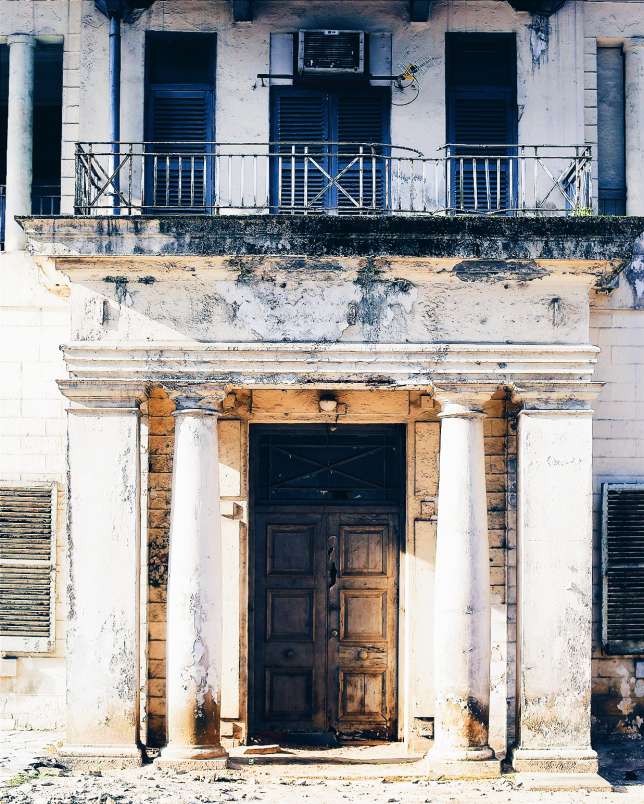
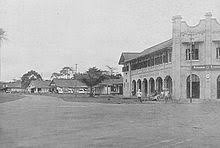
𝟐𝟎𝟎𝟏: Ethnic Human Rights Abuse Hearings at the Chief Justice Chukwudifu Oputa Panel.
The information in this post were sourced from the following:
- Schwerz Walter, “Nigeria”, (New York: Frederick Praeger, 1968)
- 1954 Colonial Reports on Nigeria, (London: Her Majesty’s Stationery Office, 1958)
- Smock Audrey, “Ibo Politics: The Role of Ethnic Unions in Eastern Nigeria”, (Cambridge: Harvard University Press, 1971)
- 1917 Owerri Provincial Estimate, National Archives, File OW274/16; Riv Prov, 1/14/245)
- Wolpe Howard, “Urban Politics in Nigeria: A Study of Port Harcourt”, (Berekley: University of California Press,1974
- B.E Aworty, N.E Samuel, “Nigeria-Sierra Leone Relationship in the Nineteenth and Twentieth Centuries”, 𝐼𝑛𝑡𝑒𝑟𝑛𝑎𝑡𝑖𝑜𝑛𝑎𝑙 𝐽𝑜𝑢𝑟𝑛𝑎𝑙 𝑜𝑓 𝑆𝑜𝑐𝑖𝑎𝑙 𝑆𝑐𝑖𝑒𝑛𝑐𝑒 𝑎𝑛𝑑 𝐻𝑢𝑚𝑎𝑛𝑖𝑡𝑖𝑒𝑠, Vol.5(2), May 2020, ISBN: 2713-4698, (pp 49).
- Ebiegberi.J. Alagoa , A. Derefaka (Eds) “The land and people of Rivers State: Eastern Niger Delta”, (Port Harcourt: Onyoma Research Publications, 2002) 149-172
- E. D. W Opuogulaya, “History of the Creation of Rivers State of Nigeria”, (Port Harcourt: Government Printer, 1973), pp.3-7.
- G. Onosode, “Three Decades of Development Crisis in Nigeria” (Lagos: Malt House Press, 1993)
- Isaac A. Boro, “The Twelve Day Revolution”, (Benin City: Idodo Umeh Publishers, 1982)
- The Willink Commission Reports, “Reports of The Commission Appointed to Enquire into The Fears of the Minorities and the Means of Allaying Them”, (London: Her Majesty’s Stationery Office, 1958)
- Eastern House of Chiefs Official Reports, “Parliamentary Debates: Third Session of the Second House of Chiefs of Eastern Nigeria”, Session 1963-1964, 20-21 September 1963.
- Eastern House of Chiefs Official Reports, “Parliamentary Debates: Fourth Session of the Second House of Chiefs of Eastern Nigeria”, Session 1964-1965, April 6-9, 1964.
- Olanshile M. Akintola, “Beyond Greed and Grievance: Understanding The Multi-causal Factors of The NigerDelta conflicts” (2020), A Thesis (pp. 7)
- Federal Ministry of Niger-Delta Affairs, “Ethnic, Value Orientation and Leadership Development in the Niger-Delta: Recommendations for the way forward”
- Elias E. Courson, “Spaces of Insurgency: Petro violence and the Geography of Conflict in Nigeria’s Niger-Delta” (2016), A dissertation.
- T. Falola, A.Genova,
“Historical Dictionary of Nigeria”, 𝐻𝑖𝑠𝑡𝑜𝑟𝑖𝑐𝑎𝑙 𝐷𝑖𝑐𝑡𝑖𝑜𝑛𝑎𝑟𝑖𝑒𝑠 𝑜𝑓 𝐴𝑓𝑟𝑖𝑐𝑎 𝐼𝐼𝐼, (Maryland: The Scarecrow Press Inc., 2009) - Ekanade Olumide, Tinuola Ekanade, “The First Republic and The Interface Of Ethnicity and Resource Allocation in Nigeria’s First Republic”, 𝐴𝑓𝑟𝑜-𝐴𝑠𝑖𝑎𝑛 𝐽𝑜𝑢𝑟𝑛𝑎𝑙 𝑜𝑓 𝑆𝑜𝑐𝑖𝑎𝑙 𝑆𝑐𝑖𝑒𝑛𝑐𝑒𝑠 Vol.2(2) June 2011ISSN: 2229 – 53134
- Olav Stokke, “Nigeria: An Introduction to the Politics Economy and Social Setting of Modern Nigeria”, (Uppsala: The Scandinavian Institute of African Studies, 1970)
- “Debating Oil Development in Africa”, 𝐴𝑠𝑠𝑜𝑐𝑖𝑎𝑡𝑖𝑜𝑛 𝑜𝑓 𝐶𝑜𝑛𝑐𝑒𝑟𝑛𝑒𝑑 𝐴𝑓𝑟𝑖𝑐𝑎𝑛 𝑆𝑐ℎ𝑜𝑙𝑎𝑟𝑠 𝐵𝑢𝑙𝑙𝑒𝑡𝑖𝑛 Vol.64, Winter 2002/2003, ISSN: 1051-08442
- Wamo W. Wegbe, “Atrocities and Genocide” in M.T. Alabo (Ed), The Rivers State in One Nigeria, (Port-Harcourt: Seanas Press, 1970)
- Kathryn. N Dahou, “Heroes and Villains: Ijaw Nationalist Narratives of the Nigerian Civil War”, 𝐴𝑓𝑟𝑖𝑐𝑎𝑛 𝐷𝑒𝑣𝑒𝑙𝑜𝑝𝑚𝑒𝑛𝑡. Vol.34(1), 2009. ISSN: 0850-3907, pp 47-67.
- Annual Colonial Reports Nigeria, “Reports for 1914” No. 678, (London : His Majesty’s Stationery Office, 1916)
© Akachukwu Vitalis
 OBLONG MEDIA GLOBAL INTELLIGENCE
Leave a comment