
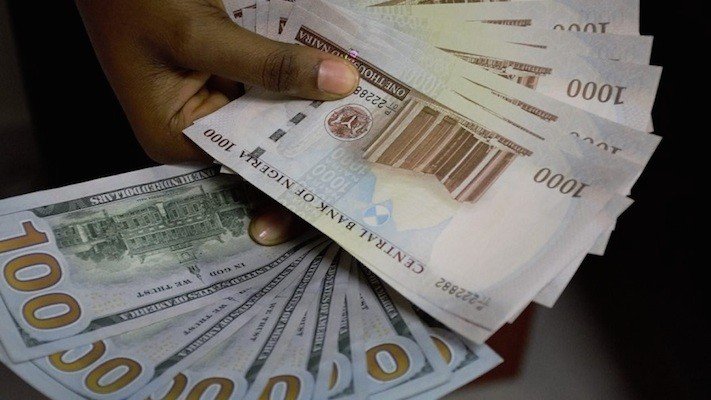
Devaluation of a currency refers to a deliberate downward adjustment in the value of a country’s currency relative to other currencies. This differs from Depreciation which is a fall in the value of a country’s currency due to the forces of demand and supply of countries’ currencies. The effects of devaluation on economic growth can vary in the short run and the long run. The short run is a period too short to vary all factors of production; in the short run, at least one factor (land) is fixed. The Long run is a period in which all factors are variable (land included). In Nigeria, the problem of policy making is the I Benefit theory. Rather than employ Marshallian, Pigouvian or Pareto wlefare concepts.Here are some positive and negative effects to consider when devaluation a currency:
Short Run Effects:
Positive Effects:
Boost in Exports: Devaluation makes a country’s exports cheaper, leading to increased competitiveness in international markets. This can stimulate export-oriented industries and increase foreign demand for goods and services, thus boosting economic growth. The problem in Less Developed counties like Nigeria, is that we export only primary goods and the world economies rake more profits from secondary or processed goods. According to Lord John Maynard Keynes, It is a beggar thy neighbour policy. — Its intent is to keep LDCs poor.
Increased Tourism: A devalued currency can make a country a more affordable destination for international tourists. This can lead to an influx of tourists, higher spending on local businesses, and an expansion of the tourism sector, contributing to economic growth. — At least on paper. But in reality, if you are not UAE or Malta, these tourism inflows are too little to boost the economic growth with the attendant problems of devaluation.
Negative Effects:
Rising Inflation: Devaluation often leads to an increase in the prices of imported goods. This can result in higher inflationary pressures in the short run, eroding people’s purchasing power and reducing consumer confidence. High inflation can hinder economic growth by reducing consumer spending and investment.
Higher Debt Servicing Costs: If a country has significant foreign debt, devaluation can make it more expensive to service that debt. This is because the value of the debt increases in domestic currency terms. Higher debt servicing costs can strain government finances and reduce funds available for investment in productive sectors, thereby negatively impacting economic growth. Hence, Devaluation will keep leading to more devaluation until our debts spiral out of control. (The vicious cycle of Debt and Poverty) — According to Ragnar Nurse, a country is poor because it is poor.
Long Run Effects:
Positive Effects:
Export-Led Growth: A sustained devaluation can enhance a country’s competitiveness in global markets over the long run. This can encourage export-oriented industries to invest in productivity improvements, innovation, and capacity expansion. Increased exports can lead to a positive trade balance and contribute to long-term economic growth. This is great on Paper, but if you are to source your funds from external borrowing, the aim is defeated.
Import Substitution: Devaluation can make imported goods relatively more expensive, encouraging domestic production and consumption of locally produced goods. This promotes import substitution and the growth of domestic industries, reducing dependence on imports and boosting overall economic growth. This was the aim of Structural Adjustment Program me — SAP in 1986. The economy moved from #5/$ to #19/$ but our implementation and follow up strategies were wrong (co-ordination failure), coupled with public borrowing from IMF, the gains of these were negligible and was taunted as the Stomach Adjustment Programme.
Negative Effects:
Reduced Purchasing Power: Prolonged devaluation can erode the purchasing power of consumers. As the prices of imported goods rise, people may experience a decline in their living standards, leading to reduced consumption. Lower consumer spending can dampen economic growth in the long run.
Uncertainty and Volatility: Frequent devaluations can create uncertainty and volatility in the foreign exchange market. This can deter foreign investors and make it challenging for businesses to plan and make long-term investment decisions. Reduced investment levels can hinder economic growth and stability.
To conclude;
It’s important however, to note that the effects of currency devaluation on economic growth are complex and depend on various factors, such as the country’s economic structure, external trade relationships, inflation levels, and government policies. But it is clearly suicide to devalue currency during a 20% plus inflationary period as it will sky rocket inflation in the short run to about 35-45%.
Fuel Subsidy Removal: Effects
It us pertinent to note that though the government’s timing for this current subsidy removal is wrong, Subsidy removal In reality is meant to have the following effects.
Positive Effects
1. To alleviate the financial burden on the government. Subsidies require a significant amount of government expenditure, and removing them can free up funds for other development projects or reduce budget deficits.
2. By eliminating subsidies, the government can improve fiscal sustainability and reduce the risk of accumulating excessive debt. Since there will be less strain on the government finances.
3. On paper at least; removing fuel subsidies can lead to diversification and innovation in the energy sector. Without subsidies, alternative energy sources may become more competitive, leading to investments in renewable energy and the development of a more sustainable energy mix. But for a country lagging behind in technological advancements, we needn’t follow this trend right now as it spells doom.
4. Removing subsidies allows fuel prices to be determined by market mechanisms, which can enhance market efficiency and encourage competition among suppliers. This may lead to improved productivity and resource allocation. However, with Nigeria’s poor redistribution of income strategies and poor infrastructure, these may be defeated.
5. Removal of subsidies reduces the difference in GDP (Gross Domestic Prroduct) at market prices and GDP at factor cost which yields a higher standard for determining Economic growth.
6. Corruption and Mismanagement can be curbed by fuel subsidy Removal. Since, fuel subsidies are susceptible to corruption, smuggling, and mismanagement. By eliminating subsidies, the government can reduce opportunities for rent-seeking behavior, improve transparency, and create a more accountable system for managing energy resources.
Negative Effects
1. The removal of fuel subsidies often leads to an immediate increase in fuel prices. As fuel is a critical input in various sectors, such as transportation and manufacturing, higher fuel prices can trigger inflationary pressures, causing a rise in the cost of goods and services throughout the economy.
2. Higher fuel prices resulting from subsidy removal increases the cost of living for consumers. Transportation costs, including public transportation and food distribution, may rise, impacting the affordability of goods and services for the general population. Case in point, yesterday, someone paid #24,500 form Benin to Lagos by road.
3. Fuel subsidies are often seen as a social safety net, providing a measure of relief to lower-income households. Removing subsidies without implementing targeted social welfare programs disproportionately affects vulnerable populations, leading to social unrest, increased social vices such as Theft, Robbery, Prostitution, Killings, Rape or even political backlash.
It’s important to note that the specific impact of fuel subsidy removal depends on various factors, including the government’s overall economic policies, the state of the energy sector, and the presence of alternative social welfare programs to mitigate the effects on vulnerable groups.
To conclude generally, The BAT administration is unfeeling and has yet to think about the proper policies to apply. These policies of Devaluation and Subsidy Removal will be followed up by Free Trade and the economy of Nigeria is on the edge of collapse. The forecast for these two policies have downward spiralling effects and they shall lead to the brink of eventual economic collapse.
Eke Okorie
Economist
 OBLONG MEDIA GLOBAL INTELLIGENCE
Leave a comment