

This article was originally published on bobshideout.com and has been republished here with permission.
There are famous criminals. and then there are those whose crime turned into a full-blown empire. This was the story of drug king Pablo Escobar, a man that had managed to build a movie-like cartel and escape the authorities for more than three decades, turning into a highly-controversial legend.
By the time he was 20, he was dabbling in small-time crime to supplement his income. By his 30th birthday, he was the kingpin of one of the most notorious drug-trafficking cartels the world has ever known. This is the amazing and bloody life story of Pablo Escobar.
Getting Started
He was born on the first day of December 1949, to a farmer father and a school teacher mother. Pablo Escobar’s early enterprises had very little to do with the drug trade. As a youngster, he earned money by sanding down and selling second-hand tombstones and arranging fake high school diplomas. He then moved into petty crime such as selling contraband cigarettes and fake lottery tickets, running street scams, and stealing cars.

Things took a step up when Escobar kidnapped a leader of a Medellin cartel and held him to ransom for $100,000. Unbelievably, this enterprise didn’t get Escobar killed. His next step was to move into smuggling contraband for Alvaro Prieto, a multi-millionaire distributor who worked alongside the cartel.
Underage Bride
Maria Victoria Henao was just 15 years old when she married Pablo Escobar, a fully grown 27-year-old man. She was also, as far as her parents were concerned, a step or two above him on the social ladder. They may not have been worried by the age gap, but they certainly didn’t approve of the socio-economic difference.

Of course, their daughter growing up with a lack of money was not something the Henao family ever really needed to worry about, but perhaps some other things that would come to trouble them instead. Pablo and Maria went on to have two children together; a son named Juan and a daughter they called Manuela.
His Biggest Supporter
Pablo Escobar’s wife Maria stood by him in everything he did. So much so, it was believed members of rival carters would seek to obtain recordings of Maria and Pablo talking so they could play them for their wives. The intention was to show their own wives how they would like them to behave, which was no doubt well received by all.

It’s believed this supportive attitude from Maria contributed to the other cartels choosing not to try and kill her and her two children. Maria did have one preference for Pablo’s behavior, however; she encouraged him to avoid violence where possible.
Grim Unicorn
Like many young girls, Manuela Escobar once asked her loving father for a horse. However, it wasn’t a simple pony on this hopeful daughter’s wish list, she wanted a unicorn. A simple matter of those creatures not existing wasn’t going to stop Pablo Escobar’s little girl from getting what she’d asked for.

Escobar brought in a horse and had a cone stapled to its head. He also had wings stapled to the animal for good measure. Amazing for Manuela, not so much for her horse. Not only must it have been in severe pain at the time, it later became infected and died.
My Life and My Prison With Pablo Escobar
However, if Maria was Escobar’s biggest supporter, it was not always the case the other way around. In fact, the now 57-year-old widow was only 12 when she fell in love with the drug baron and didn’t know what was expecting her when she married him two years later.

In her memoir My Life and My Prison With Pablo Escobar, she opens up about her marriage and moments of intimacy with the worldwide criminal and recalls a traumatic event from when she was only 14 years old and Escobar caused her to abort her baby, forcing her to lie down in an insalubrious clinic while a woman was placing plastic tubes into her womb.
Affairs
And Pablo Escobar wasn’t always the most faithful husband as well. In 2007, the Colombian journalist and author Virginia Vallejo wrote a memoir titled Amando a Pablo, odiando a Escobar (Loving Pablo, Hating Escobar) in which she detailed a romantic relationship with the cartel leader.

Similarly, the “Queen of Narco-Trafficking”, Griselda Blanco, who helped distribute the cartel’s products, may also have had romantic connections to the famed criminal, and wrote a diary in which she referred to Escobar in the endearing yet quite scary nicknames of “Coque de Mi Rey” (My Coke King) and “Polla Blanca”.
Plan A and Plan B
Pablo did only strayed from his relationship with his wife, but he also ignored her advice for than once. Maria Escobar might have tried to persuade her husband against violence but, like many husbands, he didn’t always listen to his wife’s advice. When he was arrested for possession of 39 pounds of cocaine in 1976, Escobar did at first try to take the non-violent road and offered the judge a bribe.

When his buy-off attempt was rejected, however, Escobar chose to have the arresting officers murdered rather than take his punishment. This proved to be horrifyingly effective for him, and it was a tactic Escobar would become well known for in his career.
Body Count
In fact, by the time he died, Pablo Escobar had something of a large body count. Though he continued to employ bribery when it was appropriate, Escobar understood violence and murder were often the most efficient way to get the results he wanted.

More than 4000 people are believed to have been killed at the hand, or by the order of, the King of Cocaine. Around a quarter of these were public officials, including police officers, journalists, and government workers. Judges were particularly targeted by Escobar; over 200 are believed to have been included in his tally of murders.
Big Business
At the height of his operations, Pablo Escobar and the Medellin Cartel were so successful it was believed four in every five lines of cocaine consumed around the world had come through their hands. Escobar himself was believed to be earning $21.9 billion a year. No other criminal has ever earned this much money.

To put this into context, Tesla and SpaceX CEO Elon Musk today earns around $2.2 billion a year. Of course, the drug trade is a much shorter and less secure career than the electric car industry but, even taking this into account, it’s fair to say Pablo Escobar was phenomenally successful.
Unusual Expenses
Pablo Escobar worked in a cash industry and, like Walter White’s storage locker in Breaking Bad, it meant he had some unusual problems he needed to solve. Fortunately, he could afford the solutions, and put his impressive finances and criminal mind to work, with rather interesting results.

Escobar had so many notes to keep in order that, at one stage, it was estimated Escobar was spending $2500 every month on rubber bands. Transportation was an issue too. Escobar found buying a private Learjet was the most efficient way to move his mountains of cash from one place to another.
Wheels of Commerce
Aviation was an important part of Pablo Escobar’s business in general. Constantly searching for efficient and undetectable ways to move contraband products across long distances and international borders, Escobar and the cartel discovered a new place to store their checked baggage.

Distribution teams would fill plane tires with bricks of cocaine before a flight’s departure. These would then be removed and emptied by a team at the destination, and the product moved on for local distribution. It’s understood this tactic was worth around $50,000 a day to the cartel.
Elected Official
It might seem strange to see a career criminal in an official government position, but that’s exactly what happened to Pablo Escobar. In 1982, with plenty of help from, his vast fortune, Escobar won the election to the Chamber of Representatives as part of the Liberal Alternative movement.

This high-profile side-job had brought with it several important advantages. Most importantly, it granted the cartel leader a diplomatic visa and judicial immunity. It also made him responsible for community projects such as creating football fields and building houses, this improved his image amongst the Colombian public a great deal.
Los Extraditables
“We prefer a grave in Colombia to a prison in the United States,” was the motto of Los Extraditables, a group of Colombian drug lords in the 1980s, of whom Pablo Escobar was one. These individuals faced the potential of extradition to the U.S. and they united to try and prevent it at a constitutional level.

In 1985, a guerilla organization known as M-19 stormed the Colombian Supreme Court in protest of extradition to the U.S. They murdered around half of the judges and destroyed all the files relating to Los Extraditables. It is widely believed Escobar was involved in planning and supporting the event.
Clean Slate
Force Wasn’t the only method employed by Pablo Escobar to try and avoid facing trial and imprisonment in the U.S.A. In another attempt the weaponize his wealth, he had offered that in exchange for changing the country’s extradition laws, Escobar offered to pay off Colombia’s entire national debt. It must have been a tempting offer, but it was refused.

Today’s Colombian government may wish their predecessors had taken a different attitude though, since while at the time Escobar made his offer, the total national debt was around $10 billion, today it is close to $166 billion.
Forbes List
Jeff Bezos, Elon Musk, Bernard Arnault, Bill Gates, Mark Zuckerberg. These are the five names at the top of the Forbes Rich List for 2021. The most widely recognized wealth list in America has also had some more interesting names on it over the decades.

In 1987, Pablo Escobar was included in the list for the first time and he remained there until his death in 1993. His position peaked in 1989 when he was ranked as the 7th richest person in the world. Escobar may have enjoyed the acclaim, but the notoriety wasn’t exactly ideal for a person working in a trade that relied on a certain level of anonymity.
Seizure
While authorities would have to wait until after Pablo Escobar’s death to seize most of his possessions and estate, they did get their hands on a “small” amount of the cartel’s fleet of vehicles and infrastructure in the late 1980s. The amounts they got a hold of were absolutely insane.

Colombia seized 142 planes, 20 helicopters, 32 yachts, and 141 homes and offices – basically enough to establish and defend a whole new town. Drug dealing might not seem like a real “business” to many people, but the administration of Escobar’s logistics department alone must have been complex enough to rival many legitimate corporations.
Submersibles
There are many ways to move drugs around the world; over land, in the sky, or sailing through the waves of seas and oceans. While there is always a way to escape detection, authorities have long since been developing ways to combat these movements.

Pablo Escobar used all these ways, but he also pioneered a new form of movement that looks like it came straight out of a movie. In an effort to evade detection by U.S. authorities, Escobar bought two remote control submarines. An ingenious solution and one that is still used by many drug traffickers today.
Huge Loads
The biggest single shipment of cocaine Pablo Escobar is known to have sent to U.S. shores was weighed at an incredible 25.5 tons, an amount so big that it is almost hard to believe that he was able to pull it off. To put that into perspective. that is the equivalent of eight elephants, or, in financial terms, about $40 million wholesale.

It’s believed that, at the height of the Medellin Cartel’s operations, around 15 tonnes every day was being distributed. That’s almost 5500 tonnes per year – which is over 1700 elephants and well, an awful lot of dollars. Enough to inspire even modern distribution giants like Jeff Bezos.
Robin Hood
Pablo Escobar led a bloody and criminal regime, and there is no denying the horror and damage he caused to ordinary people around the world and the headaches he gave to authorities in Colombia, the U.S, and beyond. However, that didn’t stop him from pursuing an image as something of a “Robin Hood” figure.

Escobar, in a very contrasting manner, when considering his other activities, worked hard to improve the lives of those living below the poverty line in his home country. This included establishing food programs, donating to hospitals and churches, building football stadiums, developing parks, and regenerating neighborhoods.
What’s in a Name?
Don Pablo (Sir Pablo), El Padrino (The Godfather), El Patrón (The Boss), The King of Cocaine, The King of Crack, Matar Pablo (Killing Pablo), Paisa Robin Hood – these are just a few of the names Pablo Escobar went by during his career as a drug lord.

His parents had named him Pablo Emilio Escobar Gaviria, but when you’re head of a bloodthirsty cartel, image is important, so it’s good to get a little creative. Which names Escobar himself came up with, and which were thought up by groveling minions or fearful enemies, is unknown.
Lost Money
How much of your savings could you afford to lose each year before it started to have an impact? Two percent? Five percent? One of the hazards of Pablo Escobar amassing such a huge wealth in cash was that he was forced to write off around ten percent of his earnings simply because the actual cash was lost or damaged.

The King of Cocaine had to find so many hiding places for his money it was impossible to make sure all were completely secure. Some money became too water damaged to spend, some was simply lost, and some was eaten by rats. In total, Escobar is estimated to have lost around $2.2 billion a year in this way.
Extreme Measures
On November 27, 1989, Avianca Flight 203 exploded over the Soacha area of Colombia. All 107 people on board were killed, as were three more on the ground. Pablo Escobar had instructed two men to board the flight carrying a suitcase and sit directly above the main fuel tank. Just before take-off, one man left the flight. The other had been told he was carrying a recording device and, once the flight was in the air, he should turn it on to record any conversation between two passengers nearby.

Of course, it was a bomb, not a recorder, and Escobar’s man unwittingly killed himself along with everyone else when he flipped the switch. Escobar’s target had been a single person, the presidential candidate Cesar Gaviria Trujillo. Trujillo was not on board and was elected to office the following year.
It Wasn’t Me
Four years after Avianca Flight 203, Pablo Escobar was accused of orchestrating a bomb attack on New York City’s World Trade Center. A truck bomb was detonated beneath Tower 1 with the intention of collapsing it completely and bringing Tower 2 down with it. Had it succeeded, 50,000 or more people could have been killed. It failed, but it did take the lives of six people, including a pregnant woman.

Before the true perpetrators were discovered, the finger of suspicion was pointed towards Escobar. The cartel leader was enraged. He sent a letter to the U.S. Ambassador to say he would never do such a thing, after all, the people in those towers were his customers.
Anything But America
The reason Pablo Escobar was so determined to take out Cesar Gaviria Trujillo was the potential president’s policy on extradition. Trujillo had declared that, if elected, he intended to pass a law that would allow drug traffickers to be extradited to face trial, and potentially jail, in the United States.

As you can probably tell by now, that was the thing Escobar feared most in the world. If he were imprisoned in Colombia he could still bribe officials, run his business, and look after his family. None that would be possible from an American jail cell.
La Catedral
On August 18, 1989 cartel hitmen assassinated the politician Luis Carlos Galán after he publicly announced support for extradition to the U.S. This prompted Cesar Gaviria Trujillo to take action. Rather than risk the violence escalating, Trujillo made Pablo Escobar an offer.

The deal was that Escobar would hand himself in and halt all criminal activity, in exchange, he would not only be able to serve his punishment in Colombia, but he would also receive a reduced sentence, preferential treatment, and he would be allowed to build his own prison. Escobar took the deal and built La Catedral, a prison that featured a casino, a nightclub, and a spa.
No Deal
Pablo Escobar may have said he agreed to all of Cesar Gaviria Trujillo’s terms, but his actions were different. Yes, he gave himself up and allowed himself to be incarcerated in his own luxury prison. The bit about ceasing all criminal activity, however, he was less willing to comply with.

When authorities learned Escobar was still running the cartel from inside La Catedral, they began making plans to move him to a standard prison. Of course, Escobar found out and the deal was off completely. He escaped and remained officially on the run for the rest of his life.
Joined Forces
Pablo Escobar’s escape from prison was the last straw for the authorities who had sought to bring him to justice for around three decades. This was the moment when the Colombian police had teamed up with U.S Special forces in order to put an end to his crimes once and for all.

A joint unit was constructed featuring members of Central Spike (Intelligence Support Agency), Delta Force (Army Special Ops), and DEVGRU (Navy Seals). Escobar remained in hiding but, with this sort of power and commitment amassing against him, he must have known his days as a free man were numbered.
Los Pepes
It wasn’t only the authorities who had lost patience with Pablo Escobar and the Medellin Cartel. Troubles had begun to bubble from within, and as the drug gang leader remained on the loose, a vigilante group formed and began carrying out increasingly violent actions against members of the cartel.

Los Perseguidos por Pablo Escobar (People Persecuted by Pablo Escobar), who were largely funded by rival cartels and former associates of Escobar, destroyed property and killed anyone they could find connected to Escobar. Associates, lawyers, and family were all murdered in a bloody campaign which resulted in more than 300 deaths.
Fuel Bills
Similar to the laws of supply and demand, one of the most simple economic rules is that the more of something you have, the less it is likely to be worth. That was certainly the case with Pablo Escobar’s cash. With more available money than he could possibly spend, each paper note was of far less consequence to Escobar than it might be to you or me.

This was demonstrated when Escobar’s daughter became ill while the family was hiding out in the Medellin mountains in 1992 and 1993. She needed to be kept warm and the most combustible material to hand was cash, so Escobar burned around $2.2 million to generate the heat the family needed.
Final Showdown
Pablo Escobar remained on the run for 18 months after his escape from prison. Then, on December 2, 1993, he found himself cornered at a property in Los Olivos. Colombian police tracked Escobar’s location by using cell phone triangulation and a party of 8 officers stormed the building in which they believed Escobar to be hiding.

What ensued was a movie-style shoot-out leading to a climactic rooftop scene. After two other fugitives were killed, Escobar was dealt gunshot wounds to the leg and torso. The final shot that killed Pablo Escobar traveled through his ear. Whether this was done in the shootout, in a final execution, or was delivered by a cornered Escobar himself, is a matter of ongoing debate.
He Said He Would
The theory that Pablo Escobar turned a gun on himself once he knew the game was up has been perpetuated by his two brother’s events since that fateful day on the Los Olivos rooftop. Roberto Escobar and Fernando Sánchez Arellano released a statement saying, “[Pablo] had committed suicide, he did not get killed. “
One of the brothers explained this by telling readers and listeners that, “during all the years they went after him, [Pablo] would say to me every day that if he was really cornered without a way out, he would ‘shoot himself through the ear’.”
Popular to the End
Despite the swell of public and political opinion against him, Pablo Escobar had remained hugely popular with many people in death as he had in life. Amazingly, his funeral was attended by more than 25,000 people.

These types of grand funerals are usually saved for beloved artists or world leaders, and Escobar’s policy of using his wealth and power to help the lives of Colombia’s poor had ensured he would be remembered in some quarters as a folk hero. A violent, bloody, and merciless folk hero for sure, but one who earned the love of those he helped nonetheless.
Pablo Belfort
If you’re wondering what it was like to be an “employee” of the Medellin Cartel, then you might want to re-watch The Wolf of Wall Street. Just like Jordan Belfort, Pablo Escobar was happy to spend huge amounts of his ill-gotten gains to entertain his loyal team members.

On some occasions, he was known to hire groups of beauty queens to eat insects, climb trees, or take part in sports car races – all while nude, of course. At other times, Escobar and his football-mad lieutenants would pay to fly in their favorite soccer players and organize matches for the cartel men to bet on.
Self-Taught
Of course, when authorities raided Pablo Escobar’s home there were many things they expected to find. Some, however, were quite a surprise. In Escobar’s book library, they found one particular title which may have explained his phenomenal success.

On one of Escobar’s bookshelves was El Poder Del Pensamiento Tenaz, the Spanish translation of Norman Vincent Peale’s self-help book, The Power of Positive Thinking. How Peale felt about inspiring one of the bloodiest cartel leaders in modern history is unknown, but it seems at least his theories have been thoroughly put to the test.
ZooKeeper
Pablo Escobar built a private zoo at his Hacienda Nápoles estate in Puerto Triunfo, Antioquia. He imported giraffes and elephants, but it was his hippos that have made the longest-lasting impression. Escobar originally brought in four hippos. The animals were judged too difficult to seize and move after the drug lord’s death and were simply released into the local habitat.

By 2014 they were believed to be around 40 hippos with the population doubling in size every few years. Today they are considered a real threat to the local ecosystem and need to be managed by a program of chemical castration.
Buried Treasure
Another way Pablo Escobar hid cash was to stuff it into plastic drums, which he would then bury. Most were buried in or around his many properties, but some were taken out into the countryside.

Unfortunately for both Escobar and the Colombian authorities who ultimately seized all his wealth, keeping records of where these drums were buried doesn’t seem to have been one of the Medellin Cartel’s strong points. Millions, if not billions, of dollars were never recovered and are assumed to still be underground somewhere in Colombia. A couple of spades and a plane ticket to Bogotá, anyone?
Escobar was but one of many successful criminals that left their mark on history, keep up to learn some more about those brilliant evil masterminds!
The Smartest Criminals of All Time
If we’re being honest, the world’s smartest criminal probably won’t appear on this list. That’s because truly great criminals don’t get caught, or often even heard of. That being said, there is no shortage of hyper-intelligent baddies who are in the public eye for us to list here for your reading pleasure. Some of these people chose the life of crime for financial reasons, some to play games with the police, others for deeper, darker reasons. Many serial killers are known for their high intelligence. Studies conducted by experts in the field have asked why over and over again. No one has come up with a definitive answer.

Whether they’re murderers, cat burglars, fraudsters, or something else entirely, all the criminals presented here (with a couple of notable exceptions) were read the letter of the law and punished for their crimes. Once captured, their smarts were borne out, and their crimes made all the more impressive in doing so. Get ready to read about 30 of the smartest criminals of all time!
Frank Abagnale
If this name sounds familiar, but this face doesn’t, that’s because you probably saw the movie about this guy where he was played by Leonardo DiCaprio: Catch Me if You Can. Frank Abagnale, while still a teenager, ran amuck all over the US, cashing bad checks while posing as a Pan-Am pilot. Using a pilfered pilot uniform, he flew both nationally and internationally on the company dime. He was very convincing, by all accounts. He later pretended to be a pediatrician in an Atlanta hospital, and then a lawyer in Louisiana.

It didn’t last though. He went to jail in France, Sweden, and then the US. However, his sentence was severely curtailed when the FBI recruited him to chase other cons like him. His FBI career gave way to one in security. While some parts of his story have been revealed to be exaggerated in recent years, there is plenty of proof that he outsmarted banks and businesses out of vast sums of money.
Andrew Cunanan
In 1997, Andrew Cunanan made a name for himself in record time, sadly not for anything pleasant – he murdered several people. Victims included powerful Chicago real estate mogul, Lee Miglin, and fashion guru Gianni Versace. He apparently developed relationships with all of his victims before killing them, with the exception of cemetery caretaker William Reese, who he killed just so he could steal his truck. He was placed on the FBI’s Ten Most Wanted List.

Cunanan murdered Versace on July 15th, 1997, right outside his Miami Beach home, then committed suicide eight days later. He was found posthumously to be a heavy drug user and a heavy drinker. However, he was smart enough to get older, well-to-do men to like him so that he could steal their credit cards. At his school in La Jolla, California, his IQ had been tested at 140. Experts theorize that he suffered from an antisocial personality disorder.
Ted Kaczynski
You don’t have to like the people on this list. In fact, we generally recommend that you don’t. No one embodies this more than Ted Kaczynski. Known as the Unabomber, he was the subject of the longest and most expensive search in FBI history in the run-up to his arrest in 1995. Kaczynski was a math prodigy who attended Harvard University at the tender age of 16, his IQ reported to be 152. Although opinions of him varied across campus (some of his housemates said he was quite friendly while classmates and teachers called him reserved), he did well at Harvard. However, after graduating with honors, he decided to live off the grid.

He built a small cabin near Lincoln, Montana to live in. As real estate started to encroach on his cabin, he began to – in his mind – fight back against the system. He did that with a series of targeted bombings, which he set himself. He killed three people, injured 23, and caused millions of dollars in damages. Over 27 years he committed 16 bombings, taunting the police and the press all the while. He was eventually caught and is now serving eight life sentences with no parole in a Supermax prison in Florence, Colorado.
Carl Gugasian
Carl Gugasian is best known in the world of law enforcement, not so much by the public. He was a veteran and had a doctorate from Penn State University. He claimed to be a professional gambler but was actually a highly proficient and thorough bank robber. His technique was faultless (well, almost), even to the point where he would stash his ill-gotten-gains by burying them in forests near the banks he robbed.
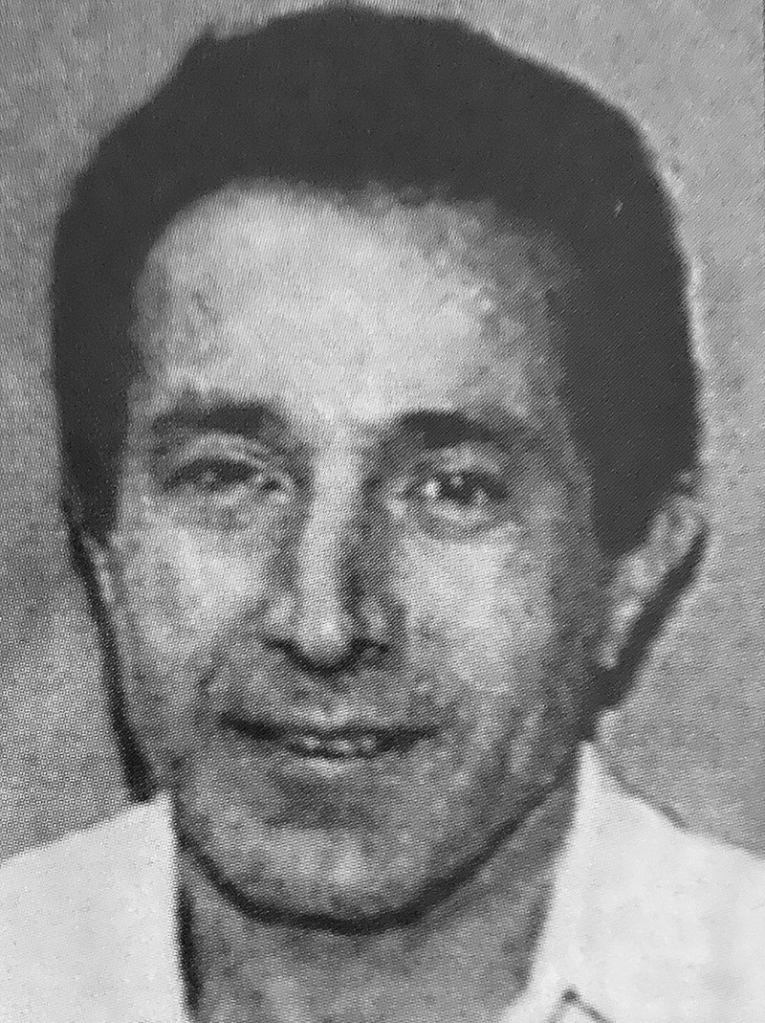
He robbed 50 banks in 30 years until one day boys playing in the woods accidentally found one of his hidden stashes. Once they knew the MO, police started finding more and more of them. Gugasian was subsequently caught, and he cooperated completely with the police. He was so cooperative that he only served 17 (instead of the recommended 115) years in prison. He taught math to other inmates and made a bank robbery training video for the FBI. He was released in 2017 and is, according to authorities, the most prolific bank robber of all time.
Gerald Blanchard
Blanchard was a sophisticated and highly adept cat burglar, one of the best in the biz, and his exploits read like something out of a film. He was so smart that even though he was caught and police were able to pin a large number of his crimes to him, he only ever ended up serving a couple of years in jail. How did that happen? Well, as we said, he’s a smart guy. When he was captured in late 2007, the Canadian thief faced 164 years in prison for over 16 charges of fraud and robbery. However, he cut a deal that was ingenious.
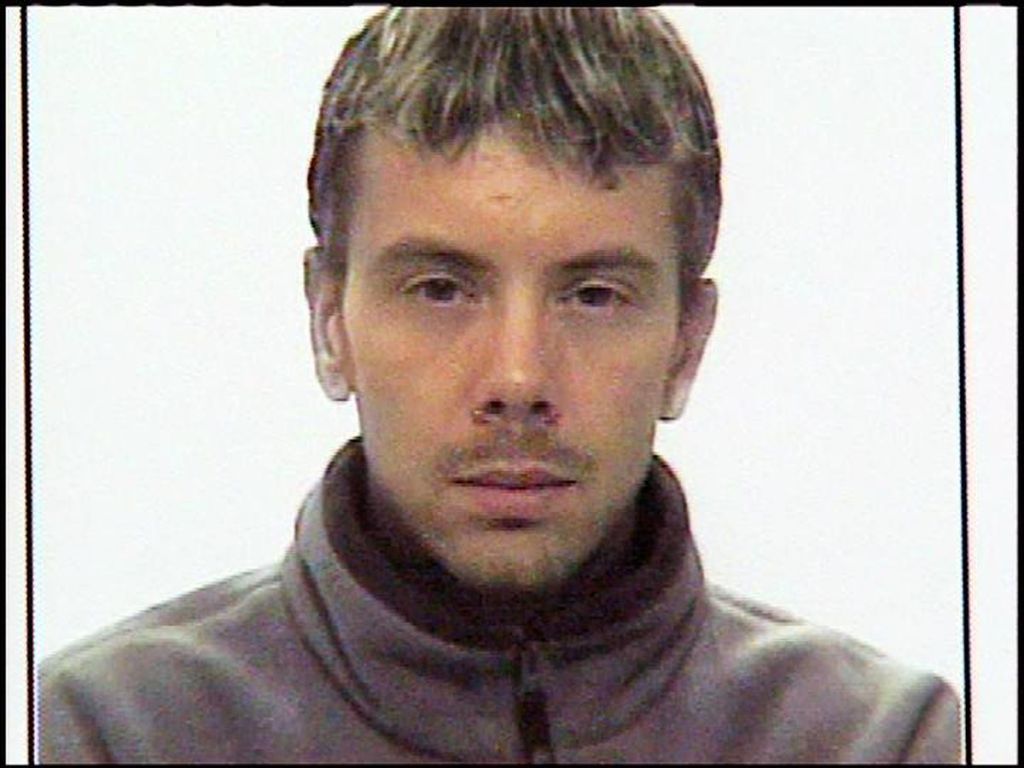
Years earlier he had stolen the Star of Empress Sisi, a pearl and diamond jewelry piece worn by Elizabeth of Bavaria in the 19th century. It had been on display in Schonbrunn Palace in Austria, but he had taken it and replaced it with a replica from the gift shop. The museum was aware but refrained from saying anything publicly to save face. He could never have sold it, but when he promised to show the police where it was located, suddenly his jail time was reduced to just eight years. He served two and had to reveal none of his accomplices. The message here: it always pays to have a plan B.
Rodney Alcala
Not many killers take time out of their day to go on television. But Rodney Alcala did. In the middle of a two-year spree, he appeared on The Dating Game. The woman he won a date with, Cheryl Bradshaw, turned him down because he was “creepy.” That was a good move on her part, because between 1977 and 1979 Alcala killed at least five women in California, in addition to several others in New York between 1971 and 1977. He would torture them, strangle them, revive them, and then repeat.

He was apparently very persuasive, able to convince people that he worked as a professional photographer, only to take photos of them naked in explicit poses. Not only that, he was a UCLA graduate with a reported IQ of “over 160”.
Hassan and Abbas O
Why is there no last name included for these two? Well, because German law prohibits releasing the last names of people who haven’t been convicted. That’s right, the authorities know who these two are, but cannot put them behind bars. Either one – or both – of them robbed a German department store of over $6.8 million worth of jewelry. Their robbery was worthy of a Mission Impossible movie, with wires, rope ladders, and more. However, they left behind one latex glove with a DNA sample on it. The police thought they had them, but…
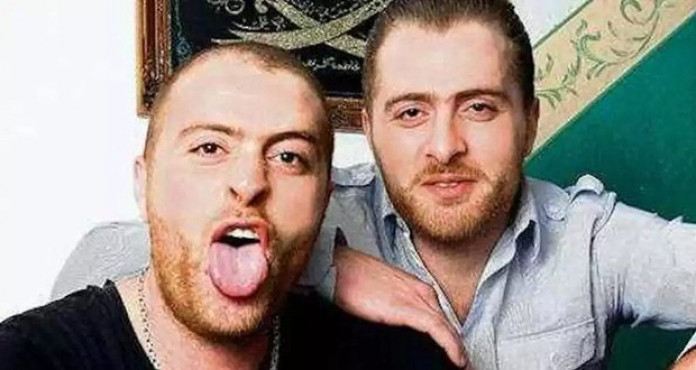
The DNA only established that one of them had been there – not both. “From the evidence we have, we can deduce that at least one of the brothers took part in the crime, but it has not been possible to determine which one,” ruled the court. Neither of the twins ratted the other out. With no other evidence or additional suspects, German authorities had to set them free as they couldn’t risk wrongfully imprisoning one of them. So they got away scot-free. Now that’s smart.
Charlene Williams
Charlene Williams and her husband Gerald Gallego (also known as Stephen Sykes) murdered 12 people in Sacramento, California between 1978 and 1980. Gallego had been a career criminal beforehand, with 23 arrests since age 13. Charlene was from Stockton, California, possessed remarkable skill as a violinist, and was reported to have an IQ of over 150. In September 1978, Charlene persuaded two teenage girls to get into her van, at which point Gerald held them with a handgun. The girls were then raped by Gerald and executed by gunshot.
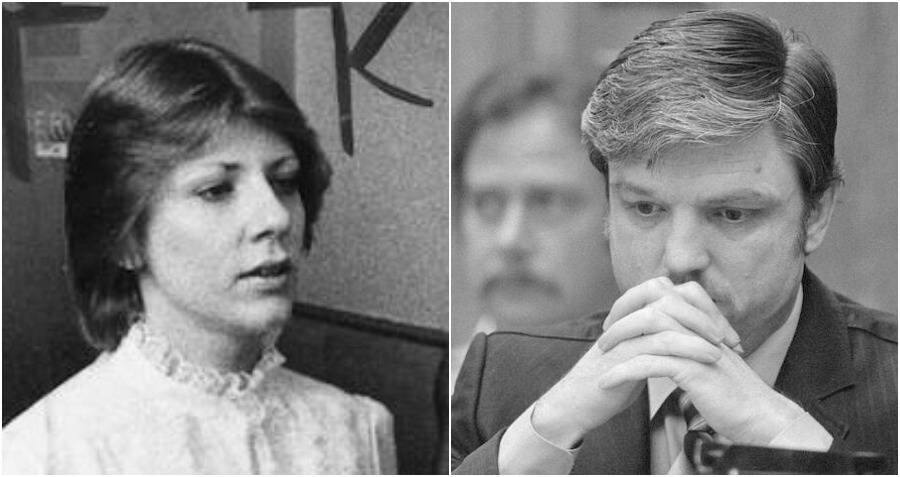
They did the same thing multiple times over a period of several years. Finally, in 1980, they were spotted in the act by a witness. Police tracked them down and they were imprisoned. Charlene was released in 1997, while Gerald died incarcerated in 2002.
Richard Loeb
Richard Loeb was a talented and highly intelligent child from a rich family. He skipped several grades in school and had an IQ that was over 150. He felt isolated from his classmates, being younger than them, so he used to make pretend that he was a criminal, occasionally committing actual petty crimes. At age 14, he was admitted to the University of Chicago. There he met Nathan Leopold, a boy three years older than him. The two started a sexual relationship together. Loeb transferred to the University of Michigan and graduated at age 17.
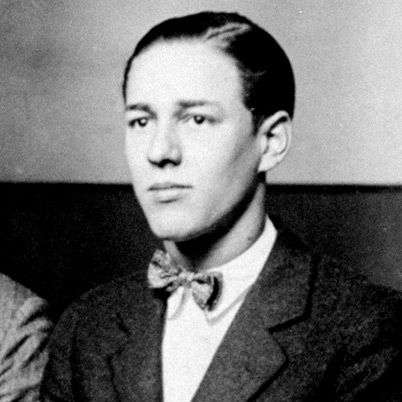
When Loeb returned to Chicago, he convinced Leopold to take part in a murder with him. They decided to kill Loeb’s cousin, the 14-year-old Bobby Franks. Loeb was arrested and given a life sentence, then was stabbed in the prison showers after propositioning another inmate.
Read on to hear more about Leopold…
Nathan Leopold
Leopold was supposedly the nicer and more intelligent of the two. He had an exceptional IQ of over 200 and began studying at the University of Chicago at just 15 years old. His passion was ornithology. Loeb became the object of his affection, and the younger boy manipulated him, due to his lack of friends and awkward social graces. Allegedly, Leopold did not want to go through with the murder, and Loeb was the one who delivered the fatal blow. Loeb claimed the opposite at the trial, however. Leopold survived prison and ended up volunteering for medical experiments conducted by the University of Chicago and the US Army.
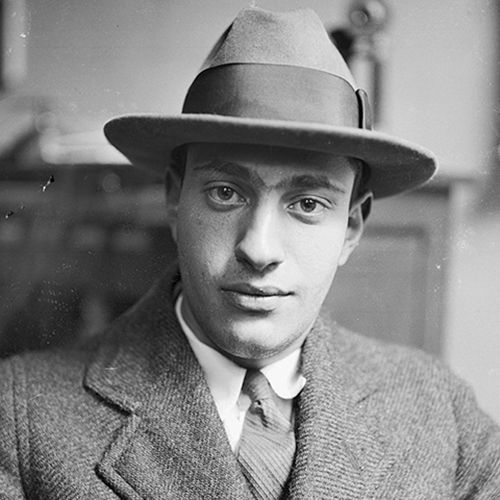
He became more and more involved with these and similar studies, with authorities reflecting positively on his work. In 1958, he was released and went on to be an X-ray technician in Puerto Rico. He earned a Master’s degree, learned to speak five languages fluently, obtained several further degrees, wrote two books, and then died of diabetes.
Albert Spaggiari
Albert was a notorious French bank robber who was reported to be exceptionally clever. He was eventually caught by authorities, but he had a plan for that too.

He handed the judge a false piece of evidence and then, as the judge was distracted, leaped out of the window to a waiting motorcycle. From that moment on he was never seen by the knowing public again. Eventually, he died of throat cancer, a fact that was only discovered because an anonymous person dumped Albert’s body onto his mother’s lawn.
Jonathan Wild
A hugely popular figure in the Underworld of London in his day, Jonathan Wild was a regular bad boy of the 1700s.
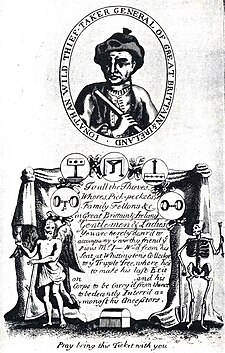
His scheme was devious. He would pose as a crime-fighting vigilante so as to throw off suspicion, but would, most of the time, be in on the crimes that he was allegedly chasing down. He would take a share of the profit and he would slip away leaving confused law enforcement in his wake. Eventually, the coppers got wise and caught him. He was hung on the gallows.
J.D. McMahon
McMahon is as funny as he is clever. Honestly, this story sounds like a scene out of the movie This Is Spinal Tap. He was able to take bucketloads of money from gullible investors by convincing them to invest in a “skyscraper” he was building. However, while all the blueprints appeared to be describing the building in terms of feet, he had surreptitiously changed the measurements of the construction to be in inches.
McMahon was also never prosecuted because he was able to prove in court that he had never promised the building would be proportioned as investors had thought. He had never explicitly said the skyscraper would be 480 feet (it was only 480 inches high), therefore he got to go free. Even today, the “world’s littlest skyscraper” stands in Wichita Falls, Texas as a testament to his lying, scheming, double-dealing brilliance.
Victor Lustig
It’s funny to think of now, because of the events that followed, that Lustig actually means “funny” in German. This is incredibly appropriate because his crime is, honestly, very funny.
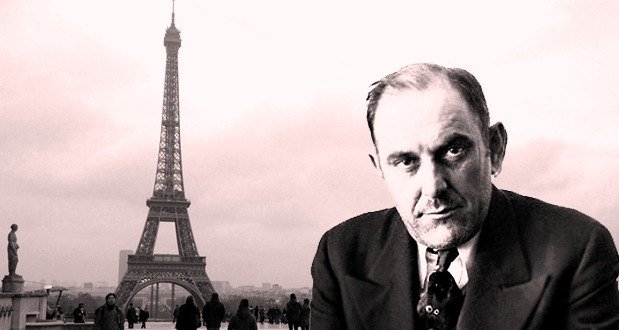
Lustig was a con man. A highly convincing con man. How convincing, you ask? Well, he “sold” the Eiffel Tower. The big follow-up to that scam? He sold the Eiffel Tower. That’s right, he did it twice. You have to admire the cajones on a guy like that, to do something so insane, and then to just pick up right where he began and do the exact same thing all over again. Sheer brilliance.
Eugene-Francois Vidoq
Not many criminals can easily turn over a new leaf. Though French criminal mastermind Euegene-Francois Vidoq did, and eventually redefined police work, creating many of the systems we know today. At first, he became an informant, then later re-developed the French Police department. Vidoq being a former criminal allowed him a unique understanding of the mindset of a criminal.
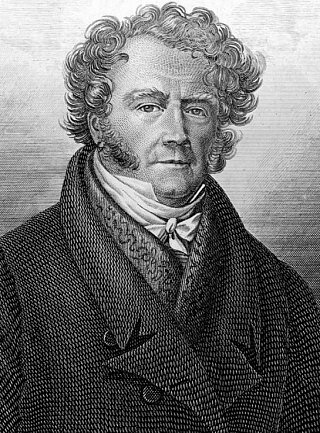
He would popularize the idea of going undercover and eventually became the first private detective. This made him a public fascination and would inspire authors such as Edgar Allen Poe and Victor Hugo.
Jeffrey Allen Manchester
For most kids, the chance to live in a Toys R Us would be a dream come true (well, at least until they closed them all down). Funnily enough, that’s also what Jeffery Allen Manchester thought after he escaped from prison. Jeffery hid in a Toys R Us for seven months! He was even able to get a girlfriend and became a devoted church member. He and his girlfriend would often hand out toys to the children of the congregation. Toys provided by the good people at Toys R Us.
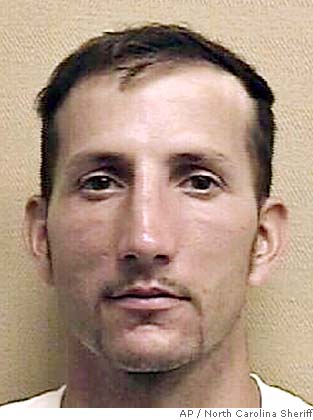
It was not until Jeffery planned another robbery that police found him and sent him back to jail. Or maybe it was Jeffery the Giraffe that turned him in?
Anthony Curcio
Remember when you when Craiglist was a thing that people actually used to find jobs? Well, you might be interested to hear about Anthony Curcio, who rose to fame in 2008 under the moniker “The Craiglist Robber”. Curcio’s use of the site was integral to his plan. He placed an ad there recruiting construction workers, who he then instructed to meet at a given time near a Bank of America in full construction gear.
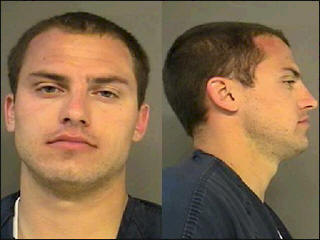
Curcio robbed the bank and then ran out to join the crew of construction workers, allowing him to blend in and not be noticed. This left police confused and wondering where he went. The only reason Curcio was caught was that a homeless man saw the whole thing! Otherwise, a pretty ingenious plan. He is now out of jail and works as a public speaker.
The Pink Panthers
The name “The Pink Panthers” was given by Interpol to a group of Balkan criminals who masterminded some of the most outrageous heists in history. Some might even say they took the methodology of the heist to the level of an art form. Details are sketchy due to the confidentiality of police reports, but by all accounts here work is on par with the kind of stuff you’ve seen in films.
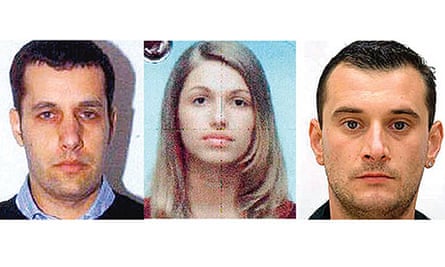
Imagine grabbing a group of close friends and performing epic heists, ones so impressive that your group gets named after one of the most famous cat burglars in popular culture. I don’t know about you, but this story has me ready to get my pals together to make some Ocean’s Eleven magic.
Carlo Gambino
Do you ever wonder if a man like Vito Corleone from the film The Godfather could be real? Well, he was! His name was not Vito Corleone, but Carlo Gambino. Gambino was an Italian-American mobster who ran the mob scene in New York.
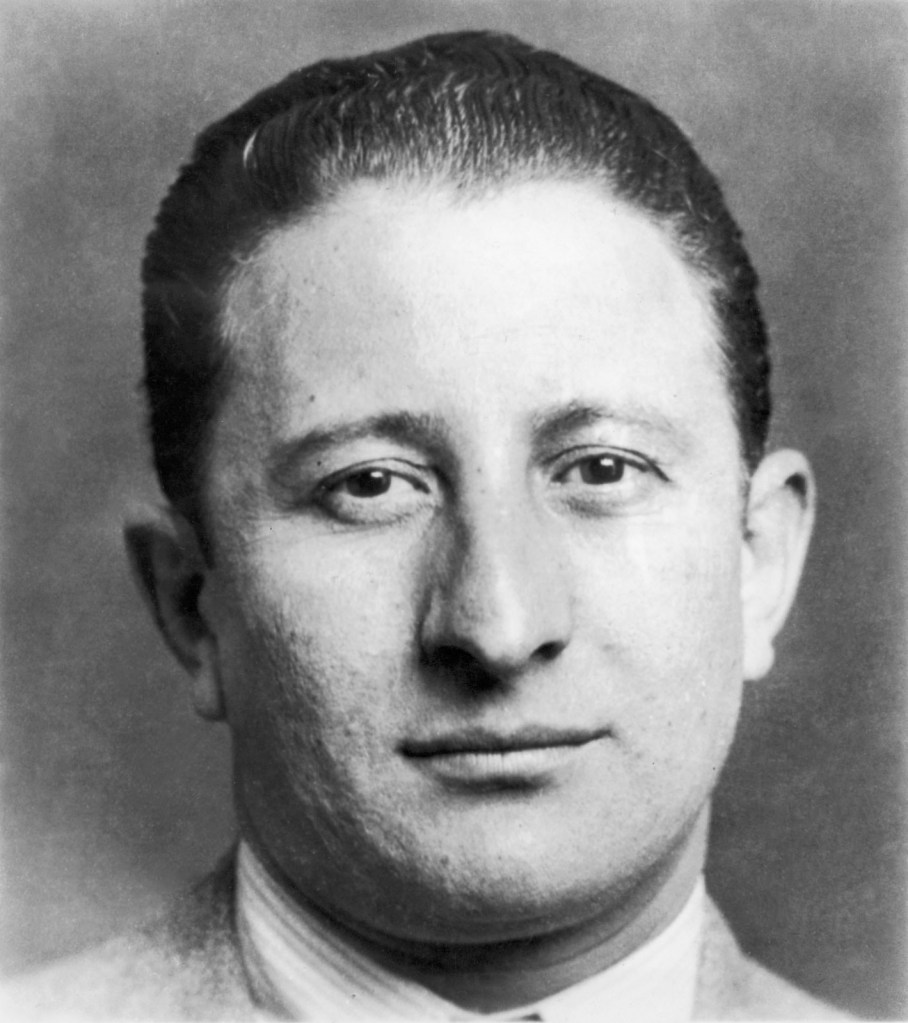
Although he had many charges laid against him, Gambino never spent a day in jail, despite the police’s best efforts. He had officials bought and paid for all the way up the chain of command, plus his protection racket was legendary. And if that failed to keep him covered, he made them an offer they couldn’t refuse.
Bernard Madoff
If you Google “Ponzi schemes”, the name Bernard Madoff appears almost instantly. Bernard (otherwise known as Bernie) is famous for one of the most incredible Ponzi schemes of all time. A Ponzi scheme is a fake enterprise where you convince people to invest in your “company” and then have those same people sell the company to others. You promise profit but, in reality, you’re simply collecting their money yourself.
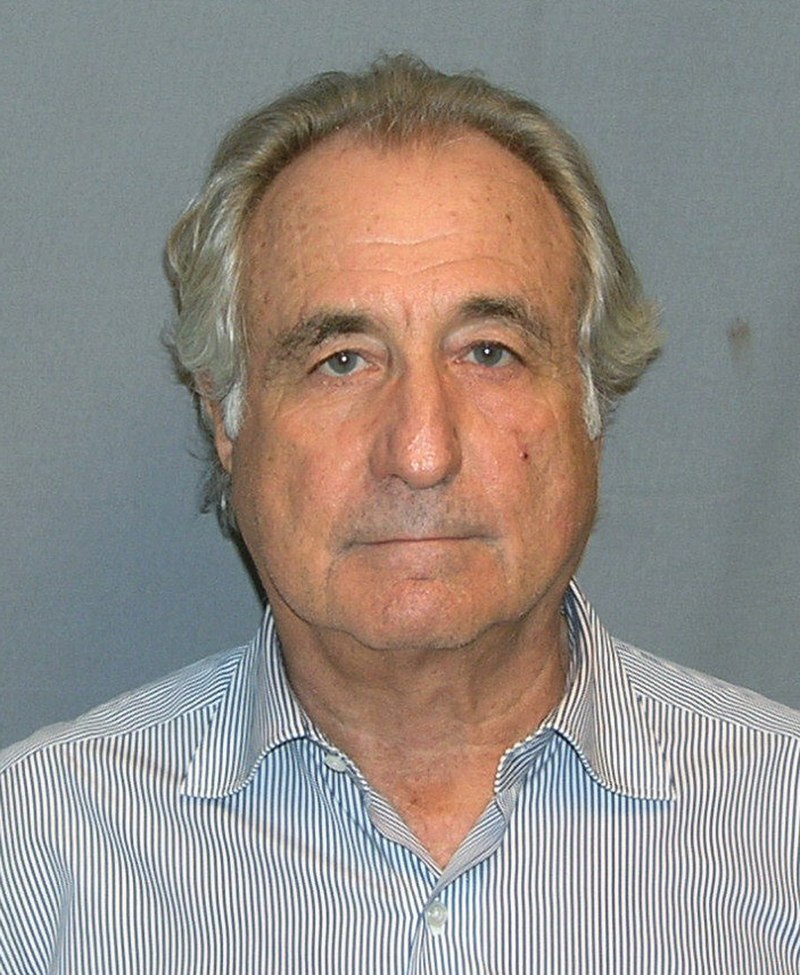
Madoff was able to pull off a scheme so gigantic and persuasive that it became the largest financial fraud in US history. He was able to make out with $64 billion dollars before authorities caught up with him. He will be synonymous with white-collar crime for years to come.
Ching Shih
When you hear the word pirates most probably think Black Beard, Jack Sparrow, or Long John Silver. You think of men, and you think of the Caribbean. However, in 19th Century Asia (arguably) the greatest pirate of all time lived and she was feared far and wide. Ching was one of the most successful pirates that ever sailed the Asian seas during the 1800s.

She led several hundred ships and had nearly 40,000 men under her command. She took on entire empires including the British, Portuguese, and Qing pirates. Unlike her famous male counterparts, Ching was even able to retire and enjoy her riches peacefully. So next time people tell you girls can’t be pirates, remind them about Ching Shih.
Natwarlal
You have to be cunning, confident, and a good salesman to be even a base level conman. But the man we’re about to tell you about, called Natwarlal, took that to godlike extremes. His full name was Mithilesh Kumar Srivastava, and most people assumed him to be just a simple man living in India.
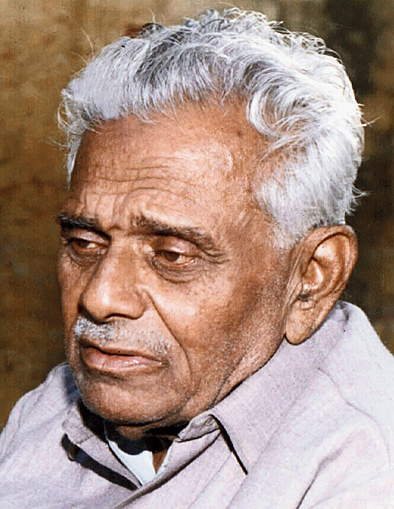
However, he was far from a simple man. He was basically a genius. He was able to sell both the Taj Mahal and the Houses of Parliament not once, but multiple times! When Natwarlal passed away he was wanted for over 100 cases of forgery and identity theft. You may laugh, but, in the words of Dwight Schrute, “Identity theft is not a joke, Jim.”
Adam Worth
Adam Worth was a baddy so good that to call him a mere “criminal mastermind” seems like an understatement. In fact, in his day, he was popularly known as the “Napoleon of Crime”. In the mid-1800s he was a notorious safe cracker and bank robber throughout the northeast of the US.
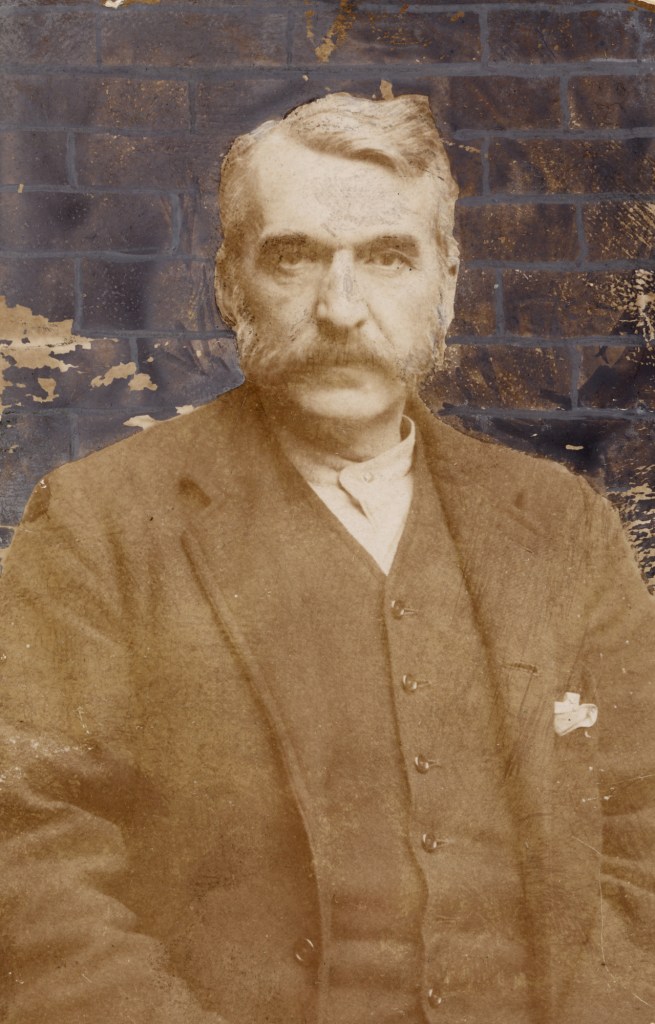
Eventually, the whole of America was hunting him. He decided to sail to England and pose as a wealthy gentleman in order to escape the law. He succeeded for a good while, but he was eventually caught and arrested in Belgium.
Tom Horn
Tom Horn was a man of many talents, he held a series of careers from being an army scout to working as a lawman. However, as you probably guessed because of his presence here, his best-known career was that of an outlaw!
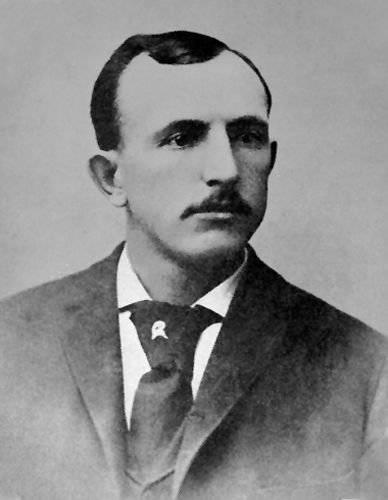
Compared to his more popular, folk-hero contemporary bandits such as Billy the Kid, or Jesse James, Tom was very much the bridesmaid, but his crimes put a significant dent in the economy of the midwest and even inspired a film in the 1980s. Eventually, Tom’s violent ways were put to an end when he was caught in Wyoming and sent to the hangman.
The Banco Central Heist
Saddam Hussein is, off the record, the holder of the world record for the greatest heist of all time, having stolen $1 billion from the Central Bank of Iraq. However, on the record, this Brazilian heist holds the record at a pretty decent $69.8 million.

The Banco Central Heist started with the thieves renting a property not far from the bank. They then gradually, piece by piece, dug a tunnel from their property straight to the vault. Through the tunnel they were able to take the money and escape, and still to this day, they have never been caught. That is one hell of a secret tunnel.
French Vacuum Gang
This is probably one of the most brilliant ways to steal and fly completely under the radar. This technique was created by the “French Vacuum Gang”, who used it to steal hundreds of thousands of euros from local supermarkets.
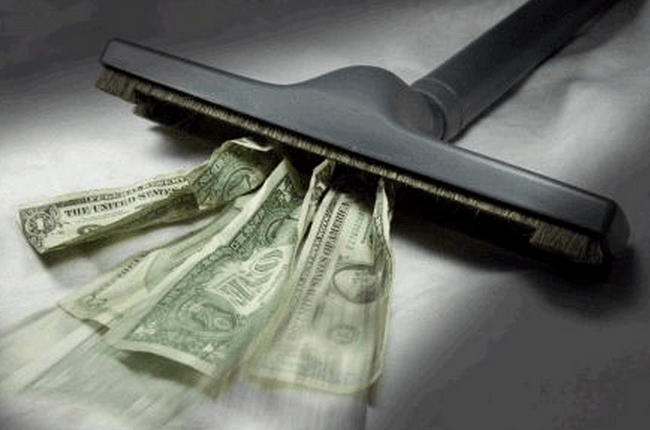
This gang would locate the tubes that store employees use to send leftover cash to the shop’s vault, and then drill holes into the tubes. After the hole was drilled they would stick in a vacuum and suck out all the money. Hence the name. Still to this day they have never been caught. I guess you could say these vacuumers made a clean getaway.
D.B. Cooper
D.B. Cooper is not a real name. This criminal mastermind’s real identity is not known and may never be known. All the media has to go off is a nom-de-guerre on a ticket record: “Dan Cooper.” D.B. Cooper was able to hijack a Boeing 727 in mid-flight on its way to Seattle in 1971.
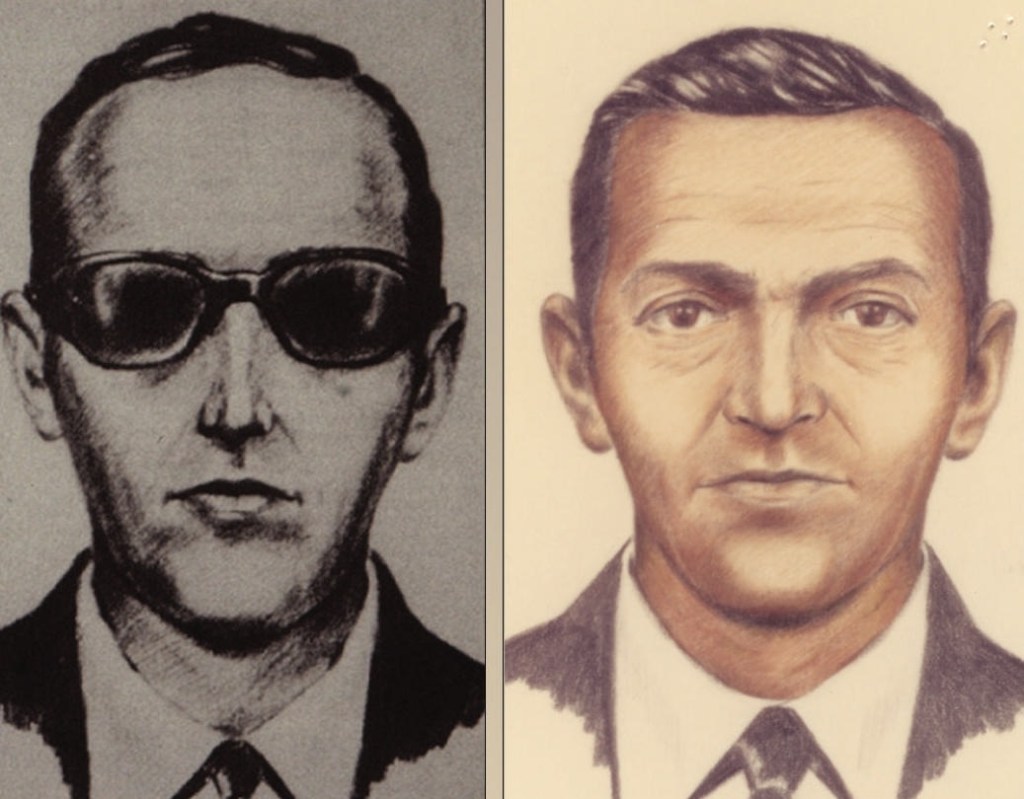
He held the plane hostage and demanded a ransom of $200,000 dollars. He was able to get his money and then strapped on a parachute and jumped out of the plane before it landed. Not much is known of D.B. Cooper after his heist, but, needless to say, he got away with it. Sheridan Peterson, a long-time suspect, died at the age of 94 on January 8, 2021. Peterson was a US Marine, worked for Boeing, and was an experienced skydiver, thus giving him the skills to have performed such a stunt. Perhaps he wasn’t the true suspect but now we will never know for sure.
Leonardo Notarbartolo
The mastermind of the Antwerp Diamond Heist of 2003, also known as the “Heist of the Century”, was believed to be Leonardo Notarbartolo. Leonardo was the only person to be arrested and serve jail time for the crime, but he definitely had help.

The diamonds are still missing and may never be recovered. It’s even rumored that Leonardo allowed himself to be captured to throw off the trail. Eventually, Leonardo was released after serving his time. No one’s sure if he got his share of the heist money.
Charles Manson
You think a villain like the Joker from Batman could never exist in real life. However, the person who comes closest is Charles Manson. Manson had a dark twisted charm about him that made people feel welcomed and wanted when he was around. Eventually, his artificial Manson “family” became less of a family and more of a cult. A cult he hoped he could use to help start a massive race war.

He would send members out to do his killing but allow himself to remain far from the crime, leaving him innocent. He was responsible for several high profile murders. It’s good to hear that he is behind bars and has been for decades.
Al Capone
When it comes to committing crimes but avoiding the scene of the crime, Al Capone was the best there was. He was best known for the St. Valentine’s Day Massacre, where he had his men disguise themselves as cops and execute several members of a rival gang in broad daylight. This act made Capone the most feared gangster in Chicago, a terrifying figure with the nickname “Scarface.”

Despite his bloodthirsty nature, he was publicly loved. People would cheer him on when he would appear at baseball games, calling him “Robin Hood”, a nickname he earned because of his donations to local charities. He was never caught for the majority of his crimes, but authorities were eventually able to nail him for tax fraud.
Former Criminal Masterminds Who Have Now Reformed Their Ways
Larry Jay Levine
A former private investigator from Los Angeles, Levine faced a 10-year prison sentence for racketeering, securities fraud, obstruction of justice, and narcotics trafficking.
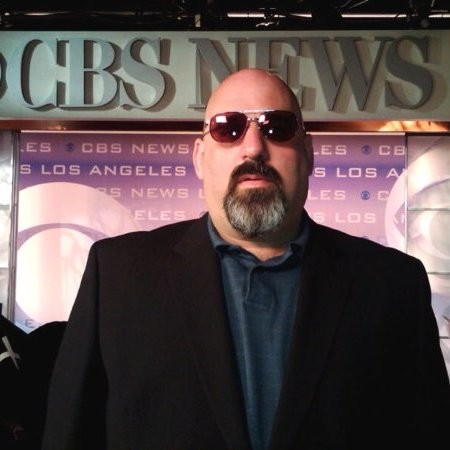
During his sentence, Levine started helping his fellow inmates with their legal defense by conducting tasks such as researching case law, reviewing plea agreements, and explaining criminal defense strategies. This was just the start of Levine’s career as a federal prison consultant. Upon his release, Levine established his business, Wall Street Prison Consultants, through which he provides “prison survival education courses” along with legal services for lawyers and offenders.
Judge Greg Mathis
Hailing from the streets of Detroit, Mathis was a gang member during his teenage years. After his arrest and juvenile prison sentence, Mathis learned that his mother was diagnosed with colon cancer. This discovery led to his early release on probation – as well as his decision to turn his life around.

Mathis’ public service career began when he became an activist for the Democratic Party and participated in various social justice campaigns. In 1987, Mathis obtained his J.D. from the University of Detroit Mercy and was elected a district court judge eight years later. In 1999, Mathis became the host of his own legal reality show, Judge Mathis. This daytime show, currently in its 21st season, received the Daytime Emmy Award for Outstanding Legal/Courtroom Program in 2018.
Michael Vick
Raised in Newport News, Virginia, Vick came from a poor neighborhood that was plagued with a steep crime rate. Fortunately, sports provided Vick with a path to a more prosperous future.

He persistently nurtured his talent on the football field throughout high school and college, thereby allowing himself to be drafted by the NFL’s Atlanta Falcons in 2001. Things took a turn for the worse in 2007, however, when Vick was found to be running a dog-fighting ring. This resulted in an 18-month prison sentence for the quarterback. Fortunately, Vick managed to clean his slate, signing with the Philadelphia Eagles in 2009. He also starred in his own docu-series, The Michael Vick Project, where he revealed his personal life to others in an attempt to prevent them from making the same mistakes he did.
Danny Trejo
Born in the Echo Park neighborhood of Los Angeles to Mexican parents, Trejo had his fair share of run-ins with the law prior to his successful Hollywood career.

For 12 years, Trejo was in and out of prison due to robbing stores. According to Trejo himself, he has been in every penitentiary in the State of California. Ironically, in 1985, Trejo was offered a job as an extra in a prison scene in the film, Runaway Train. This sparked the beginning of his illustrious career as a film actor, having appeared in more than 200 movies since that fateful moment.
Kweisi Mfume
A native of Baltimore, Maryland, Mfume had a rough start to life. His mother passed away from cancer when he was 16, leaving him with little choice other than to drop out of high school and work numerous jobs to support his three sisters.

Unfortunately, Mfumi found himself hanging around on street corners with the wrong crowd. This led to him being locked up numerous times on suspicion of theft. At age 23, Mfumi decided that it was time to get his life back on track. He recommenced his studies and obtained a GED, after which he earned a Master of Liberal Arts degree from John Hopkins University. This was just the start of his journey to becoming a five-term Democratic Congressman as well as the President of the NAACP.
Junior Johnson
Born in 1931 in Ronda, North Carolina, Johnson, and his family were heavily involved in bootlegging illegal alcohol. So much so, that they experienced the largest alcohol raid in United States history, with a seizure of 400 gallons of moonshine from the house.
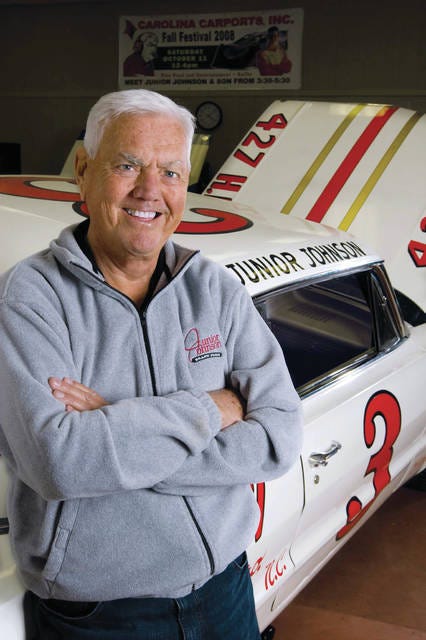
While he spent a year in prison for having an illegal still, Johnson was never caught for transporting bootleg liquor at high speed. This activity led to Johnson developing a talent for driving, which he continued to develop until he became a NASCAR driver in 1955. Throughout his career, Johnson competed in 313 races, winning 50 of them and finishing within the top 10 in all the rest. Here, Johnson transformed his driving from a destructive behavior into a fruitful career.
Adolfo Kaminsky
Kaminsky was a French teenager working for a dry cleaner in Paris when World War II broke out. Skilled at removing ink from documents without leaving a trace, Kaminsky probably didn’t expect to use his fraudulent talent for good.
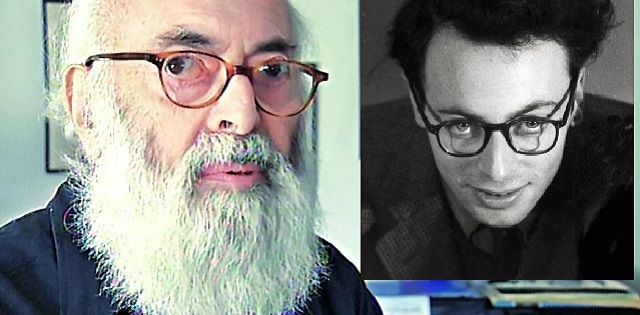
At a time when thousands of Jews were being transported to concentration camps, Kaminsky realized that having the word “Jew” on their passports made them more easily identifiable for deportation. He thus decided to join the French Resistance, where he forged around 30 documents every hour. This deed helped around 500 people to get new identities each week, thereby avoiding death. By the time that the Holocaust had come to an end, Kaminsky had saved the lives of approximately 14,000 Jewish people.
Paul Wilson
Having grown up between Singapore and Scotland, Wilson learned the art of hustling from his grandfather who taught him how to cheat at gin. He developed his skills until he began scamming casinos big time throughout the 90s- using techniques such as counting cards and shuffle tracking.
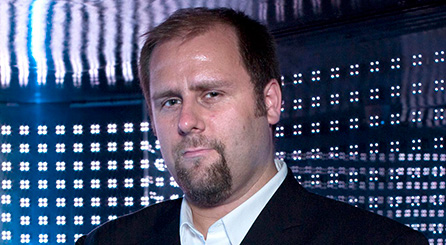
Funnily enough, Wilson never got caught for his antics, and by 2000, he decided to start using his skills to help others. He began consulting with casinos on how to avoid being scammed by top-drawer hustlers, eventually expanding his services to the banking and finance sector. Just one of his major clients was none other than MasterCard. In 2002, Wilson became a writer and presenter for the long-running BBC series The Real Hustle, where he helps everyday people understand how hustlers take advantage of them.
Joseph Massino
Raised in the New York City brothel of Queens, Massino worked as an associate for the Bonanno crime family, rising through the ranks to become head of the entire organization. His time as a mobster was bloody, as Massino was eventually found guilty of committing seven murders.

Hoping to avoid the death sentence, Massino agreed to become an FBI informant. This marked the first occasion in which an official Mafia boss ratted to the authorities. As part of his deal with the authorities, Massino agreed to wear a wire during conversations with his successor, thereby implicating several of his past associates and revealing the location of an infamous graveyard. Sentenced to life in prison in 2005, Massino agreed to yet again assist the government, this time winning a murder conviction against his successor Vincent Basciano. Massino was consequently released from prison in 2013, yet remains on supervised release to this day.
Charles Colson
Having started his career in law, Colson was appointed as the special counsel to the Richard Nixon administration in 1969.

Between 1972 and 1974, Colson was knee-deep in the Watergate Scandal, for which he had to appear in court. Upon pleading guilty to obstruction of justice, he spent a brief period in prison. Following his release, Colson decided to establish the Prison Fellowship – currently the largest prison outreach organization in the world. His decision to create this organization was rooted in his feelings of concern for those who were still imprisoned at the time of his release.
Kevin Mitnick
Since the age of 16, Mitnick had been developing his hacking skills by gaining access to the Digital Equipment Corporation’s computer network.
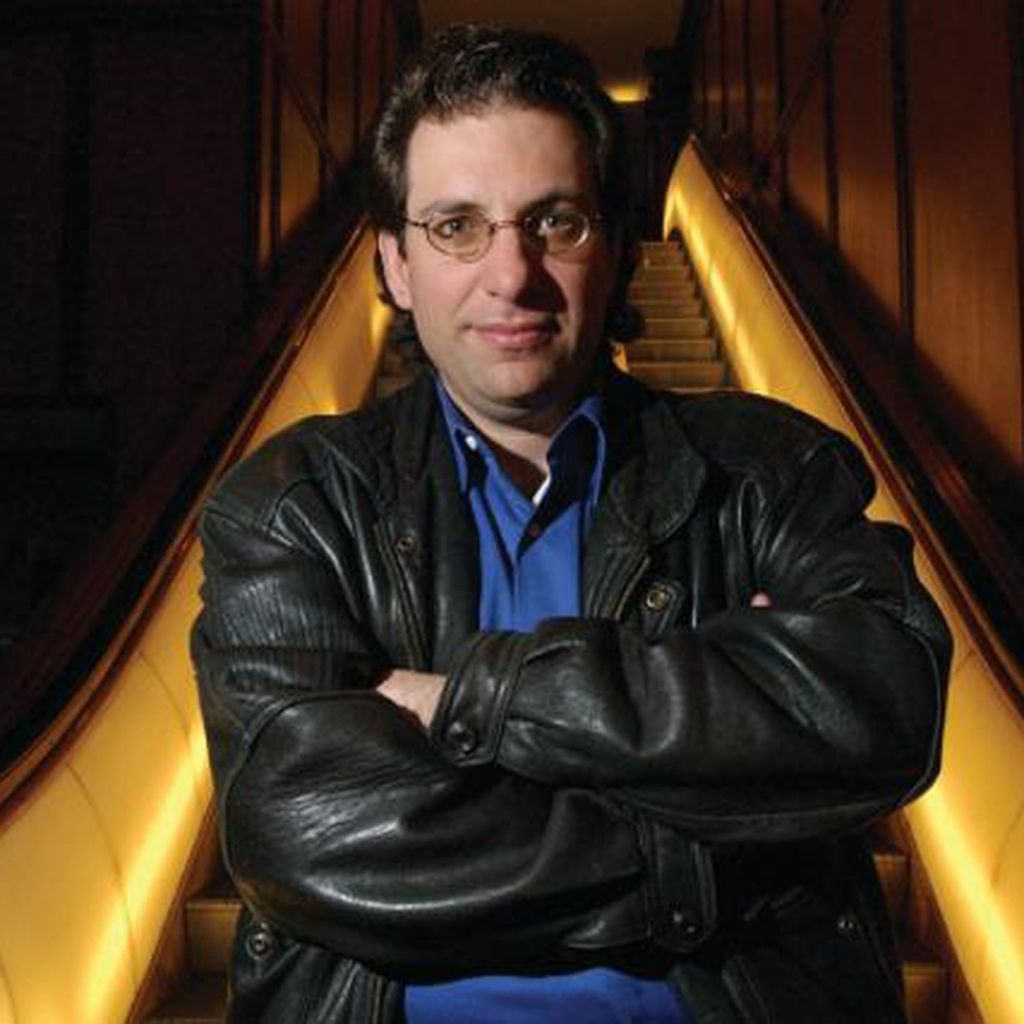
He then decided to steal some of DEC’s software, after which he lived as a fugitive for three years. During this time, Mitnick featured on the FBI’s Most Wanted list. Following his arrest and seven-year incarceration, Mitnick decided to establish his own security consulting firm, through which he helps companies to identify vulnerabilities within their network security.
Georgia Durante
Durante rose to prominence as a model during her teenage years, becoming the “Kodak Summer Girl” at the age of 17.
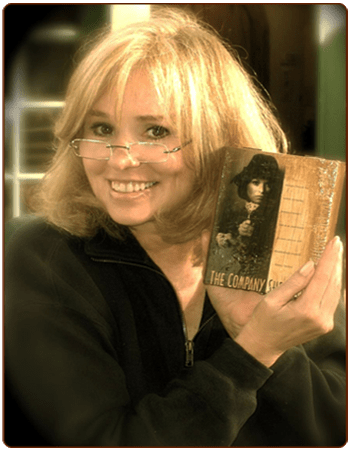
Unfortunately, her modeling career soon came to a sudden halt when she married a member of the Mafia. At this point, she became a getaway driver for the mob. This job nevertheless served her well, as Durante used her driving skills to establish her own stunt driving company. She has since provided stuntwork for over one hundred films and even published her own autobiography.
Dave Dahl
Having suffered from drug addiction in his youth, Dahl would steal almost anything in order to fund his illegal habit.
By the time he started using crystal meth, he resorted to robbing houses and shoplifting to make ends meet. This led to his 15-year imprisonment. Upon his release in 2004, Dahl decided to turn his life around. He began working in his family’s bakery, where he began experimenting with different recipes. This led to him developing his brand, Dave’s Killer Bread. With its unique packaging, back story and taste, Dahl’s company took off and in 2015, he sold it for a jaw-dropping $275 million.
Leslie Grantham
During his days in the British Army, Grantham was stationed in West Germany, where he murdered a taxi driver during an attempted robbery.

While he claimed not to know that the gun was loaded, he nevertheless served 10 years in prison. Following his release, Grantham decided to earn a living as an actor. He landed a few minor roles on television, including a guest spot on Doctor Who, before his big break came in 1984 – when he auditioned for a role on the British soap opera Eastenders. His run as character “Dirty” Den Watts lasted throughout the late 80s, and in 2003, he made his return to the show.
Jeff Henderson
While living in San Diego, Henderson made more than $35,000 per week by dealing cocaine. In fact, he was once believed to control 40% of the local market.
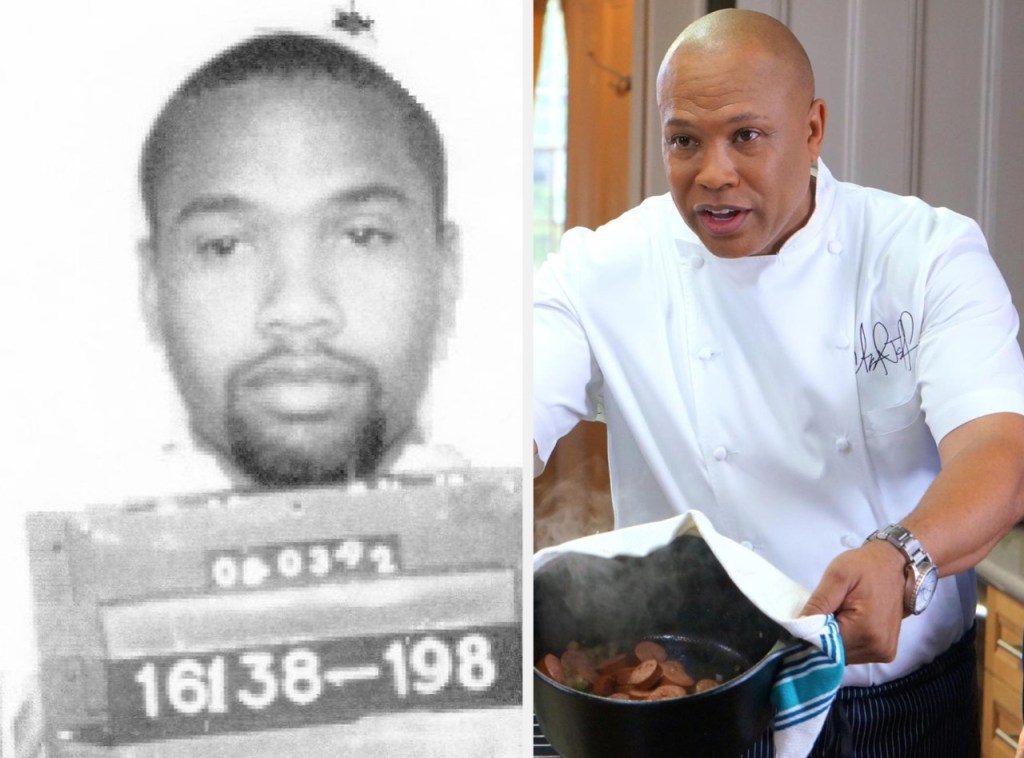
While he may have earned a respectable fortune, Henderson was punished for his wrongdoing with a 10-year prison sentence. While in the joint, he found himself unsatisfied with his previous life choices. He, therefore, decided to take pride in the tasks that he was given. Assigned with kitchen duty, it was here that Henderson mastered his craft. Upon his release, he became a dishwasher at Caesar’s Palace in Las Vegas and continue to work his way up to becoming an executive chef. He now hosts three TV shows and has published a bestselling book.
Juliet Hulme
New Zealand born and raised, Hulme and her best friend Pauline Parker were disappointed to learn that Parker’s mother refused to let her daughter move with Hulme to South Africa. As a result, they conspired to kill Parker’s mother.

Hulme was convicted with a five-year sentence, after which she decided to change her name to Anne Perry and move to Scotland. There, she embarked on a writing career and became a best-selling author, with over 10 million book sales worldwide. By the time her past identity was uncovered, Hulme was already writing her 19th book.
Jay-Z
Born in the Brooklyn borough of New York City, Shawn Corey Carter got a rough start to life. At age 12, he allegedly shot his brother in the shoulder for stealing his jewelry and after dropping out of high school, he began selling crack cocaine in Brooklyn’s Marcy Projects.
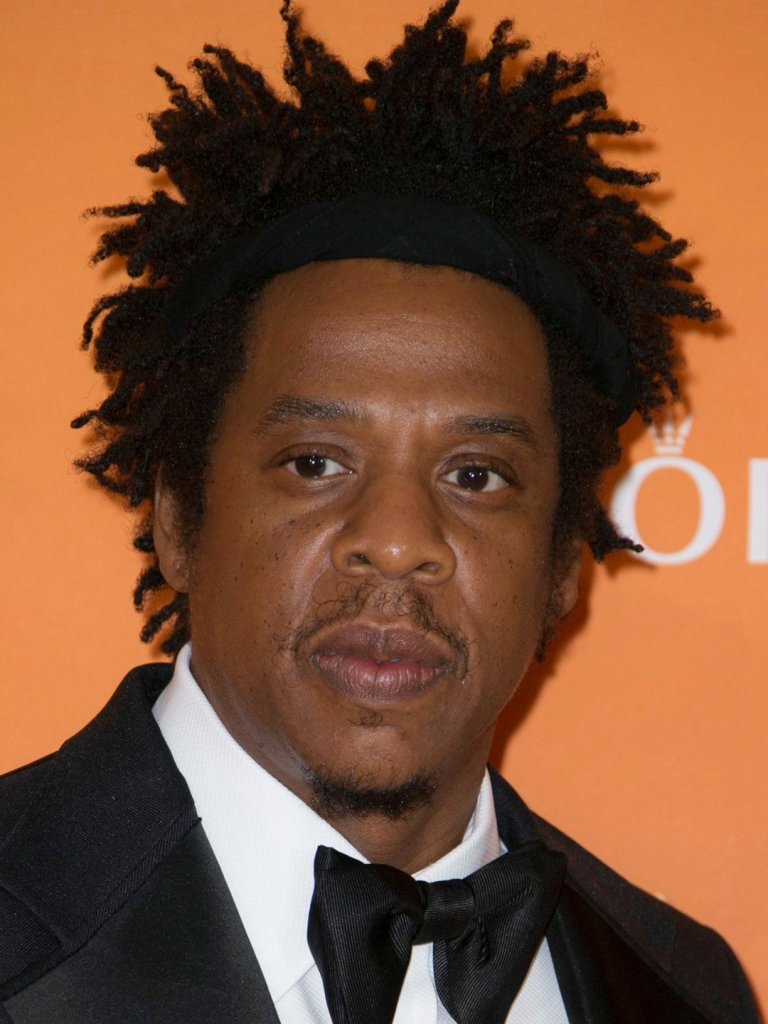
Fortunately, Carter saw the error in his ways before getting into serious trouble. He worked tirelessly on mastering his musical talents and founded Roc-A-Fella recordings in 1995. This was the start of Jay-z’s climb to the top of rap music.
Tim Allen
While he is now a beloved comedic actor, Allen found himself spending almost two and a half years in prison before making it big in Hollywood.
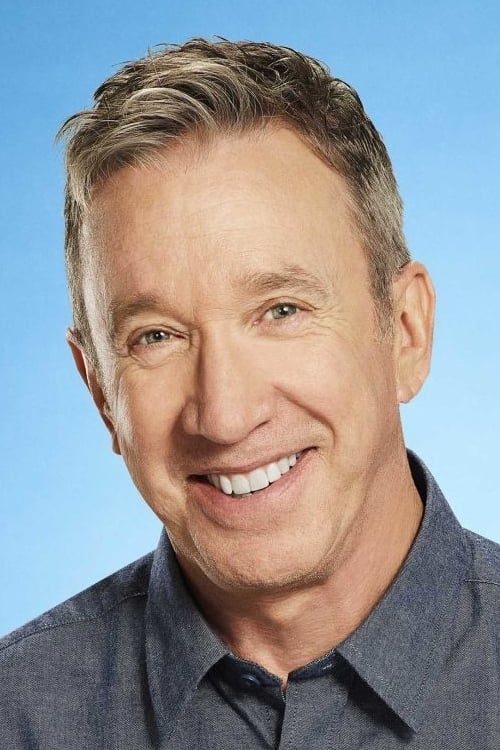
In 1978, Allen was arrested at the Kalamazoo/Battle Creek International Airport in Michigan for possession of cocaine. He subsequently pleaded guilty to drug trafficking charges. According to Allen, this experience instilled much humility in him and was a turning point in his life. In 1988, Allen landed his debut appearance on screen, thereby launching his fruitful career.
50 Cent
Hailing from Queens, New York City, Curtis James Jackson III was involved in numerous suspicious activities prior to his successful rap career.

From the age of 12, Jackson began selling narcotics and in the tenth grade, was caught bringing guns to school. His lowest point came in 1994 when he sold cocaine to an undercover cop. This saw him end up in a six-month boot camp. While in boot camp, Jackson obtained his GED and adopted the name “50 Cent”. Since then, he has become a rap sensation, earning a Grammy Award, three American Music Awards, and 13 Billboard Music Awards.
Robert Downey Jr.
While he may have gotten his acting career off to a fiery start, substance abuse brought Robert Downey Jr’s progress to a screeching halt.

In 1996, Downey was found to be in possession of heroin, cocaine, and a pistol. While he received three years of probation, his failure to show up for his mandatory drug tests saw him arrested yet again. This time, he faced a three-year prison sentence, ultimately spending a year in prison before being released early. From that moment on, Downey decided to get the help he needed. He made numerous trips to rehab, eventually getting clean in 2003. He has managed to remain clean since then, while at the same time sparking an unlikely career revival.
Mark “Chopper” Read
After a troubled childhood in Melbourne, Australia, Read was declared a ward of the state at age 14 and sent to numerous mental institutions as a teenager. He soon became a capable streetfighter en route to becoming the leader of the Surrey Road Gang.
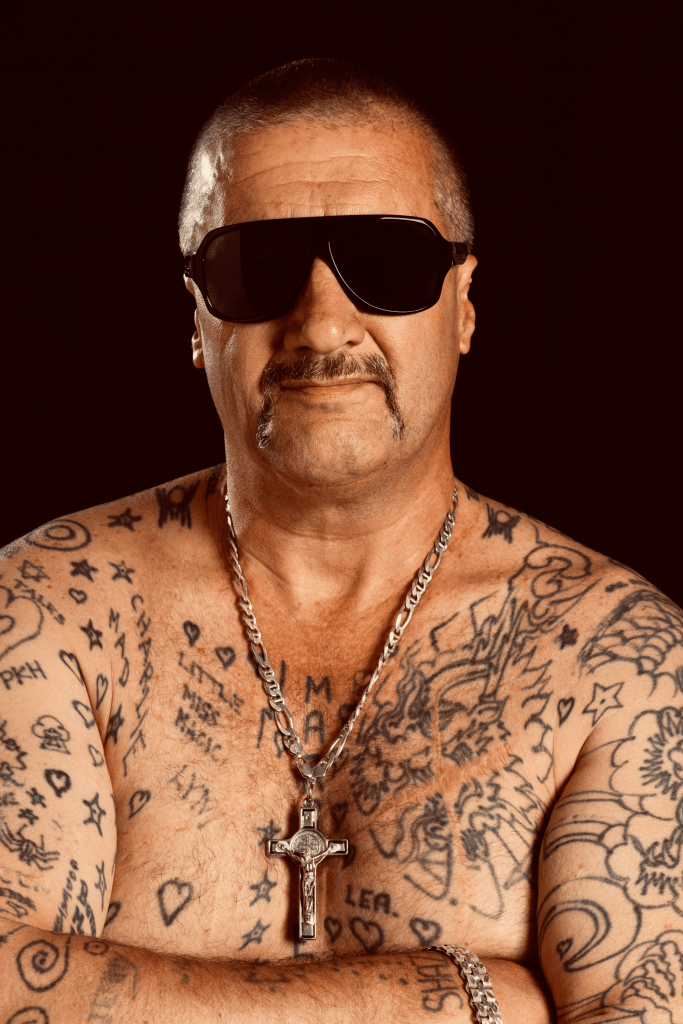
Read made his money by robbing drug dealers and gained notoriety for using bolt cutters and a blowtorch to torture his victims. He was subsequently imprisoned several times for crimes such as armed robbery, firearm offenses, assault, arson. He was later imprisoned yet again, however this time he decided to be productive in a positive way. He authored a series of crime novels, selling more than 500,000 copies. He also featured in a few episodes of true-crime television shows.
Christian Slater
After a highly successful start to his acting career, Slater began to embark on a downward spiral.

In 1989, he was arrested for drunk driving and in 1994, he was sentenced to community service when he tried to board a commercial plane with a gun in his luggage. In 1997, Slater was arrested for punching his girlfriend, falling foul of the law shortly after when he assaulted a police officer while under the influence of heroin, cocaine, and alcohol. He served 59 days in prison before an early release on the grounds of good behavior. Eventually, Slater improved his behavior, resurrected his career, and also supported a number of charities including Nelson Mandela’s 46664 charity and Global Green.
Larry Lawton
Before his redemption, Lawton was a seasoned jewel thief. In fact, he at one point topped the FBI’s Most Wanted list on the Eastern Seaboard. Following his arrest, Lawton was sentenced to 12 years in prison for his crimes.
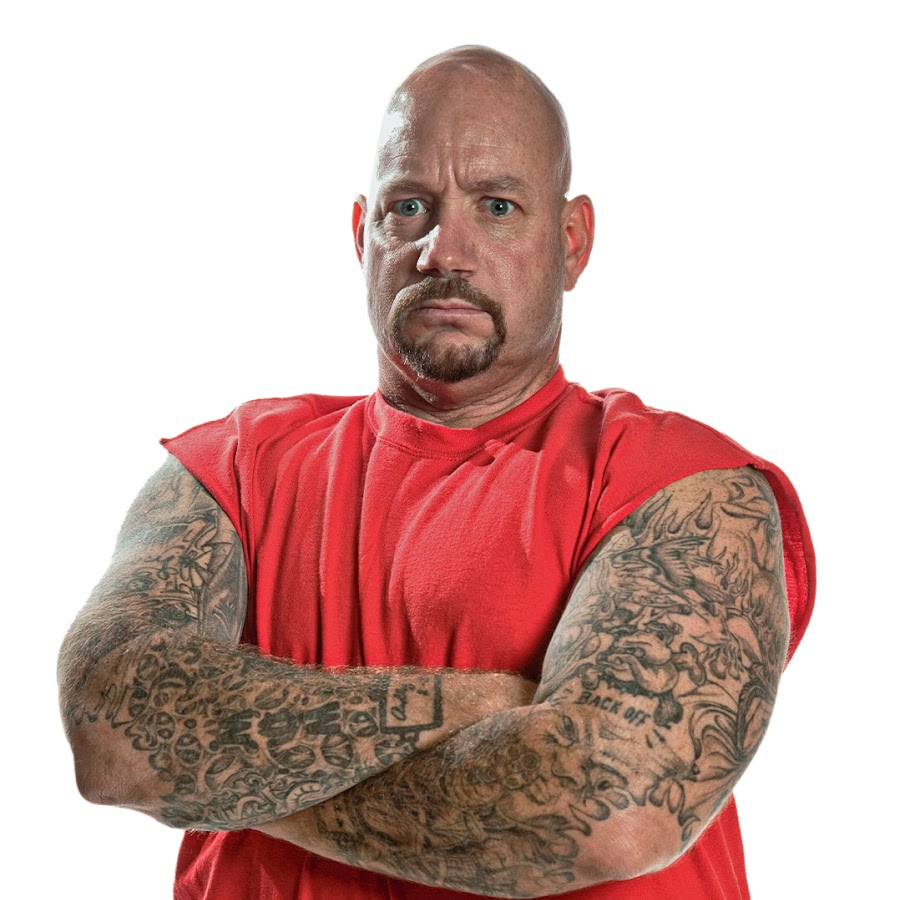
During this time, Lawton experienced the heartbreak of losing one of his friends to suicide. Lawton was particularly devastated because he was unable to save his friend due to being in solitary confinement at the time. This sparked a change in Lawton’s mentality, and upon his release, Lawton established his program Lawton 911, whereby he aimed to help at-risk youth from committing the same mistakes that he did. As a result of his selfless social contributions, Lawton was designated an “honorary police officer” by the local police, making him the first ex-convict in the US to receive this honor.
Reginald Dwayne Betts
Raised in Maryland, Betts was a gifted student who sadly went down the wrong path. At the age of 16, Betts, along with a friend, decided to carjack a man outside a mall. This crime saw Betts sentenced to nine years in prison, during which time he witnessed the harsh treatment that juveniles were put through at the hands of the most hardened criminals.

During his time in prison, Betts used reading as a means of escape. By the time he was released, he decided to establish a book club for the young men living in his area. He has also since become active in the attempt to reform the juvenile prison system.
 OBLONG MEDIA GLOBAL INTELLIGENCE
Leave a comment