
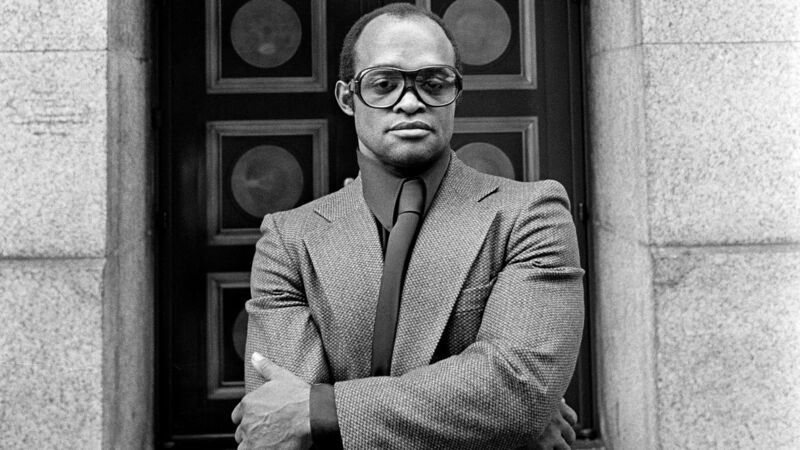
During the 1970s, America was rife with drugs and there were a handful of dealers running the entire operation. These men lived the high life, with flashy cars, a dapper wardrobe, and an arrogance that infuriated law enforcement. One of the most damaging drugs to flood the United States was heroin, which turned people into addicts after the first hit. It caused families to be ripped apart and led to poverty and crime. But that didn’t stop the dealers from supplying it in large quantities.
One of the biggest drug dealers of them all was Leroy ‘Nicky’ Barnes, who managed to avoid harsh penalties over and over again. In fact, he came to be known as ‘Mr. Untouchable’. He lived a dangerous life and finally made a move so audacious, that many people can’t believe he survived for as long as he did. This is his incredible story.
The Early Days of Leroy Barnes
Leroy Nicholas Barnes was born on October 15, 1933, in Harlem, USA. Right from the start, it was clear to Leroy that his life wouldn’t be simple. His father drank too much, and the family suffered at his hands. Harlem in the ‘30s was hard. There was never enough money to go around and work was in short supply.
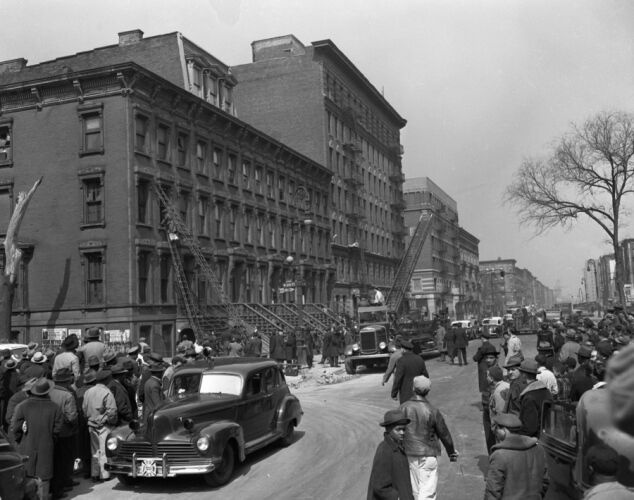
Little Leroy, or ‘Nicky’ as he was often called, was well-behaved for the first few years of his life, even becoming an altar boy at his local church. But it wasn’t long before he was causing trouble.
His First Arrest Was at a Very Young Age
Barnes first encountered the wrath of the police when he was only ten years old. In the 1940s, it was commonplace for children to be arrested, and Leroy was caught stealing. While not much is known about his mother, Barnes’ father was furious and took his rage out on the youngster. It was enough for the young boy to know he had to do something drastic if he was going to survive his harsh childhood.
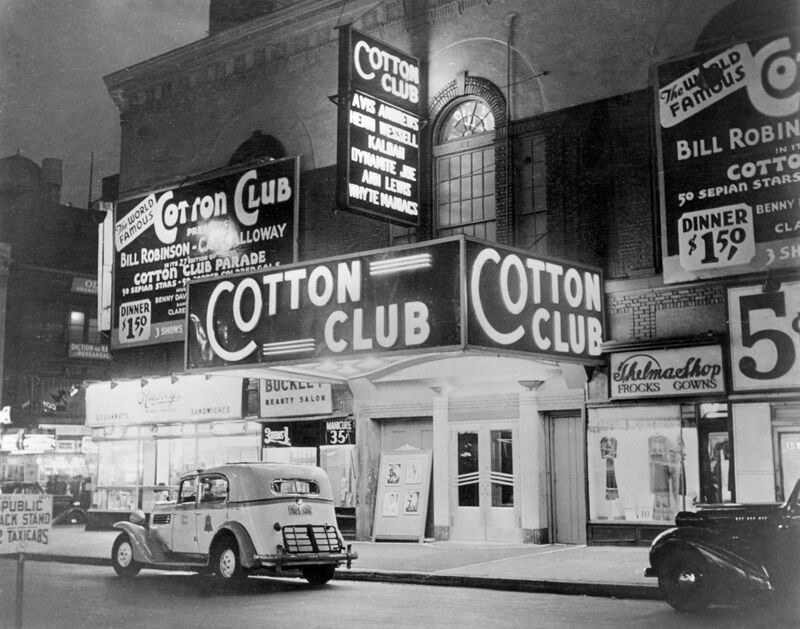
His alcohol-fueled father made his life very tough, and Leroy’s school days were equally difficult. He never made it past junior high school and made a terrible decision that would shape his life forever.
The Young Junkie
Leroy Barnes knew that he wasn’t cut out for an office job and his home life wasn’t going to lead to anything prosperous. He left school and found happiness in the drugs that were flooding the streets of Harlem. With each hit, he could escape the hardships. He could hallucinate about happier things and avoid facing reality.
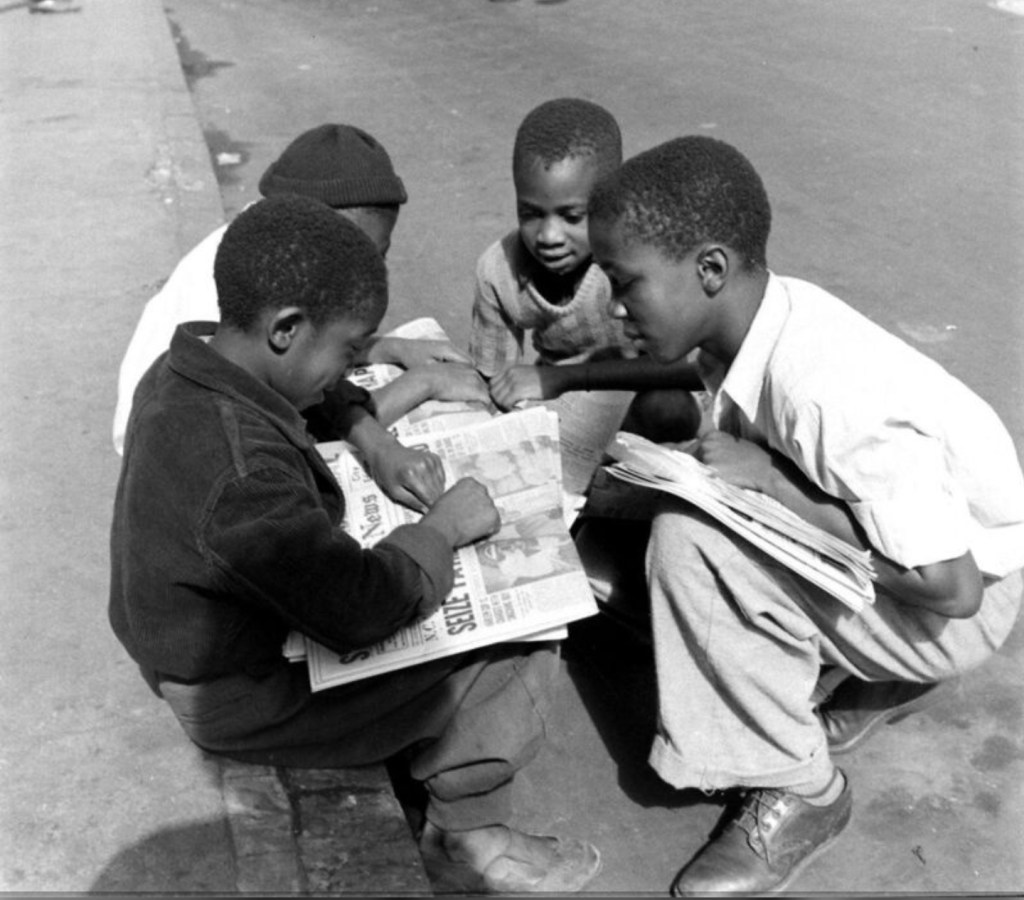
It didn’t take long for his heroin addiction to take hold and for his dependency to reach a dangerous level. Though barely in his teens, Leroy was sent to a drug treatment facility in Kentucky, where the staff and counselors worked hard to wean him off the damaging drugs. The moment he walked out of the center, he vowed never to have another hit again.
Leroy’s First Taste of Prison Life
His next arrest was at the age of 17, but he managed to avoid a prison sentence for another year when cops found him in possession of burglary tools. He was given a warning, but having been caught breaking into a car, enough was enough. Leroy was sentenced to three years inside a Manhattan jail.
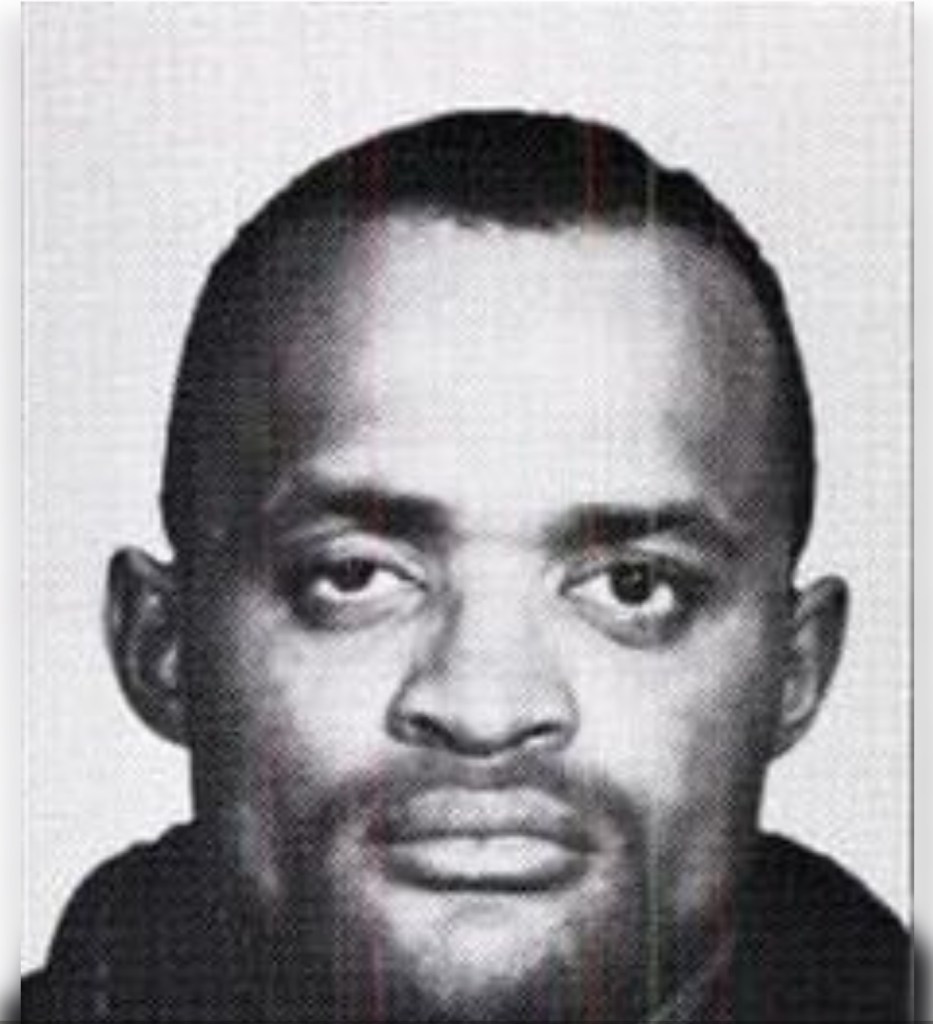
Upon his release in 1954, Barnes went back to doing what he knew best. Heroin was the only source of release for many Harlem residents, and he knew that he could make money from their misery and addiction.
Leroy Starts to Deal in Large Amounts
Even though Barnes swore he would never use drugs again, he most certainly handled them. Despite knowing the harmful effects of heroin, from the breakdown of the traditional family to the poverty, overdoses, and associated robberies to fuel people’s habits, Barnes knew it was the only way he could make money.
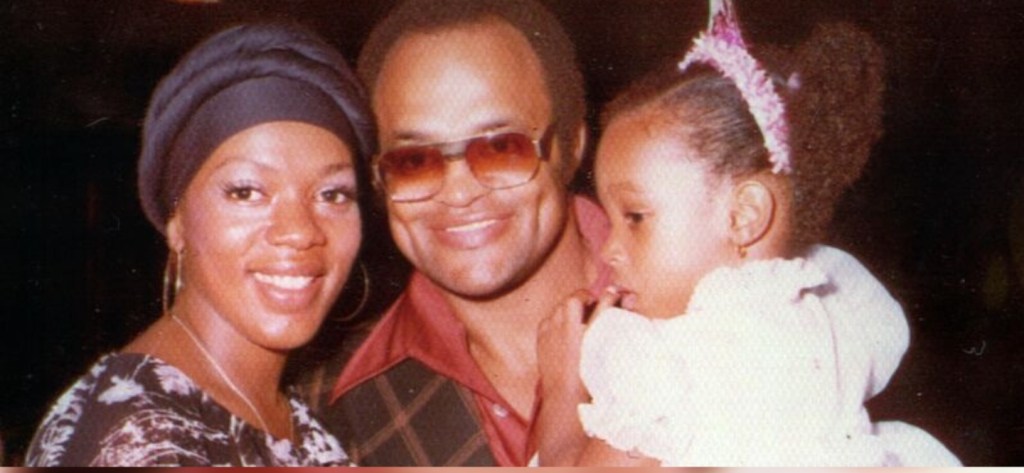
Leroy went from selling small packets to desperate addicts, to being in a street gang for many years. He was constantly monitored by the Harlem police force, as were many young black men in the area. With no other means of making money, it was a sad, inevitable career choice for most of the Harlem teenagers. Barnes was also busy getting married and having his first of two daughters.
Feeding off the Addicted Harlem Neighborhood
Having escaped an abusive home, Barnes was now learning what it took to be a low-level drug dealer. He wasn’t ready financially to move up the scale, and he definitely didn’t have the reputation yet. Before he could establish himself as a big player, he needed to report to drug kingpins and their lieutenants. He spent the next ten years trying to keep out of trouble, but eventually, his criminal activities caught up with him.
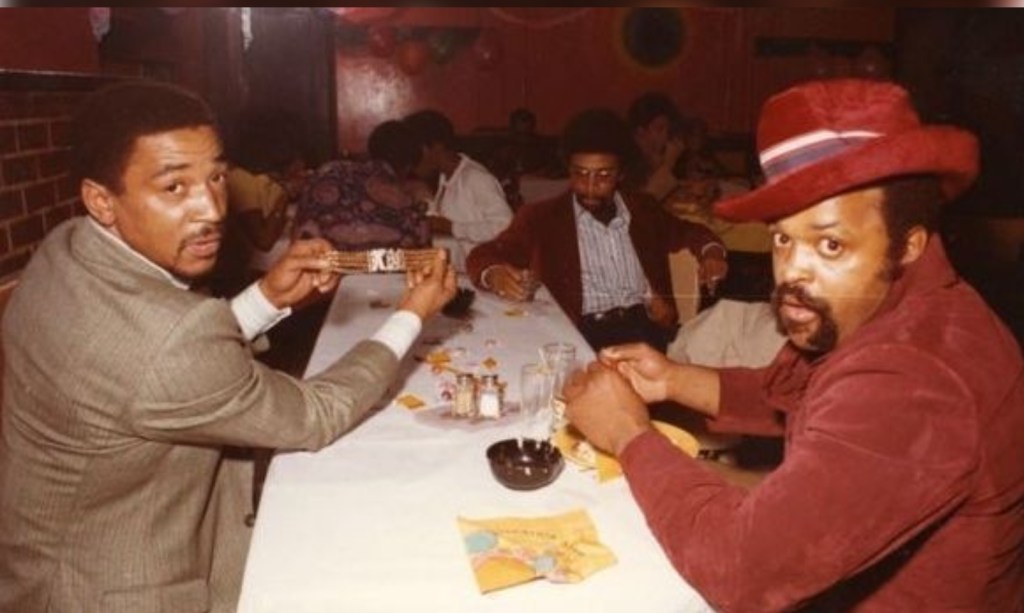
Now in his early twenties, Barnes was constantly evading criminal punishment and he did well to avoid a jail sentence for a decade. But in 1965, when he was 32, he was sent to prison again, and that changed everything for him.
Barnes Meets the Man Who Would Change His Life Forever
It was during his time behind bars for drug-dealing that Leroy Barnes met “Crazy” Joe Gallo who was a member of the Colombo crime family. The Colombo family was one of the five families who ran organized crime in America. They were involved in everything from guns, extortion, robbery, and drugs. Gallo saw this encounter as the perfect opportunity to get involved with the Harlem heroin market, something he’d been unable to do in the past.
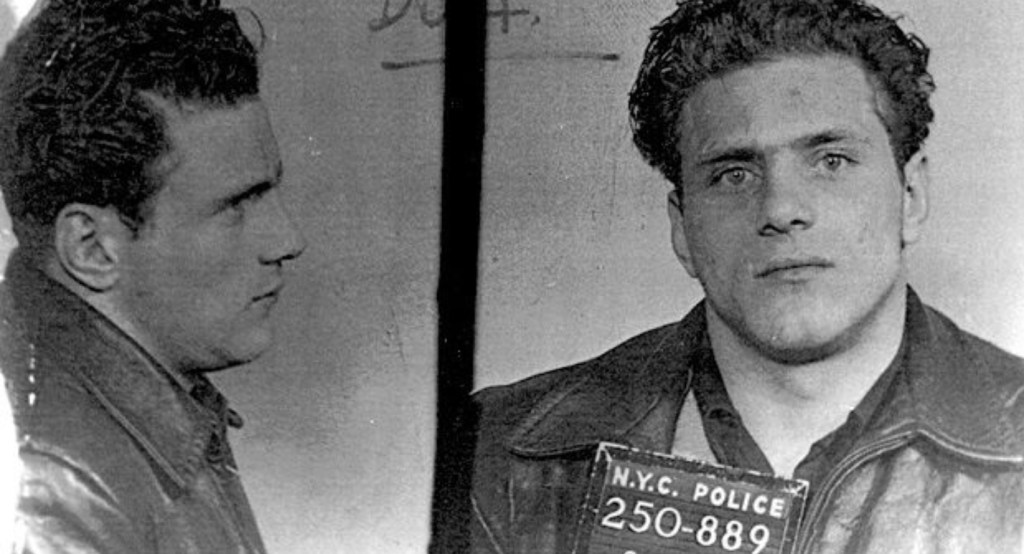
In exchange for providing Barnes with vital lessons and knowledge about how to run a successful drug-trafficking organization, Barnes would work with Gallo, and a drug dealer called Matthew Madonna, who was part of one of the other “Five Families”.
Barnes Aims High
But first, Barnes had to get out of prison, and Gallo knew just the man to help with that. As soon as Gallo was released, he asked his lawyer to find a way for Barnes to be a free man once again. The lawyer worked his magic, as he had done on numerous occasions for the mafia families, and Barnes was released in 1962 on a technicality.
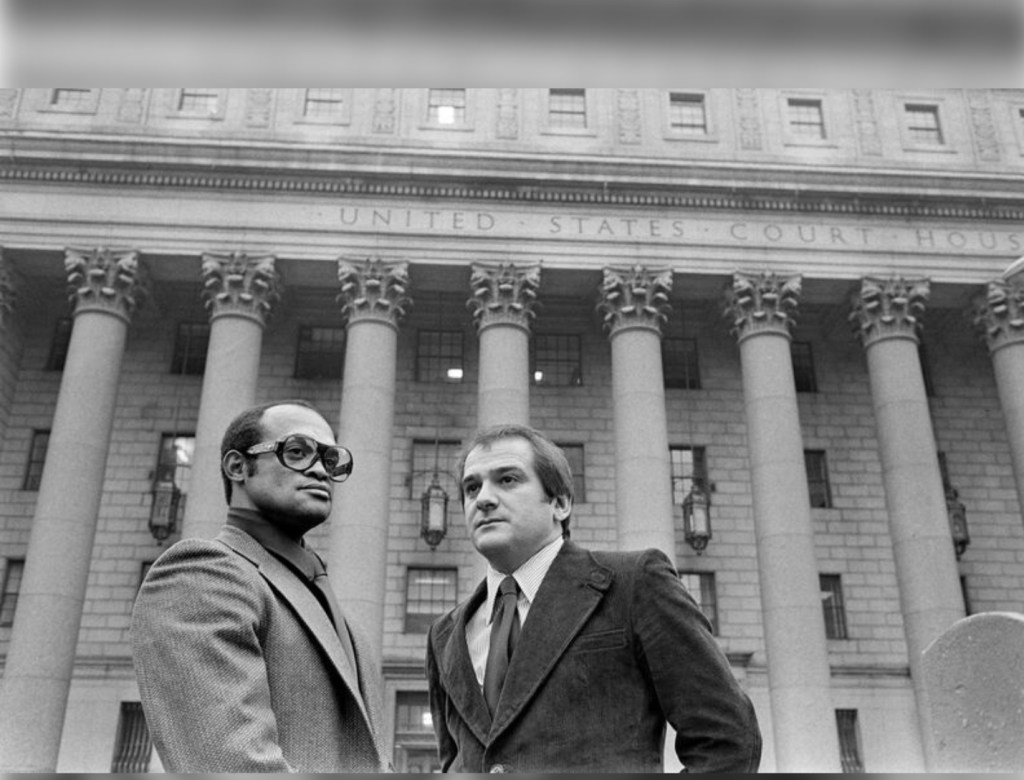
Barnes was now in the big league, cutting the pure heroin with other chemicals and powders to make it go further. But he knew that in order to work efficiently and effectively he would need to use a similar setup to the Five Families. But that took a while, as more prison time was to come.
The Harsh Prison Sentence That Stopped Barnes in His Tracks
Barnes now had more money than ever, and he spent it on fast cars and his many girlfriends. He was involved in high-speed car chases with the police on several occasions, but he would also evade capture. But in 1965, that all came to a crashing halt when he was arrested for possessing half a million dollars’ worth of heroin. Suddenly, Mr. Untouchable was back in front of a judge. The police force was looking for the harshest sentence possible, claiming that Barnes was “one of the biggest distributors of narcotics in Harlem and the Bronx.”
He was given a 15-20-year sentence at Green Haven State Prison and decided to use the time as wisely as possible. One of the biggest changes he made was converting to Islam and studying the law. He was a model prisoner from all accounts, working hard, and keeping his head down. But all the while, Barnes was learning everything he could and plotting his domination in the heroin market. He bided his time and worked with his lawyer to appeal his sentence.
The Council Is Created
Upon his release on appeal in 1971, taking all the advice he had received from Joe Gallo, Barnes contacted six gangsters in Harlem who he could trust and formed The Council the following year. The other members were Guy Fisher, Wallace Rice, Ishmael Muhammed, Joseph “Jazz” Hayden, (pictured), and Thomas “Gaps’ Foreman. Together they would run the majority of the heroin trade in Harlem, in conjunction with Gallo and his connections.
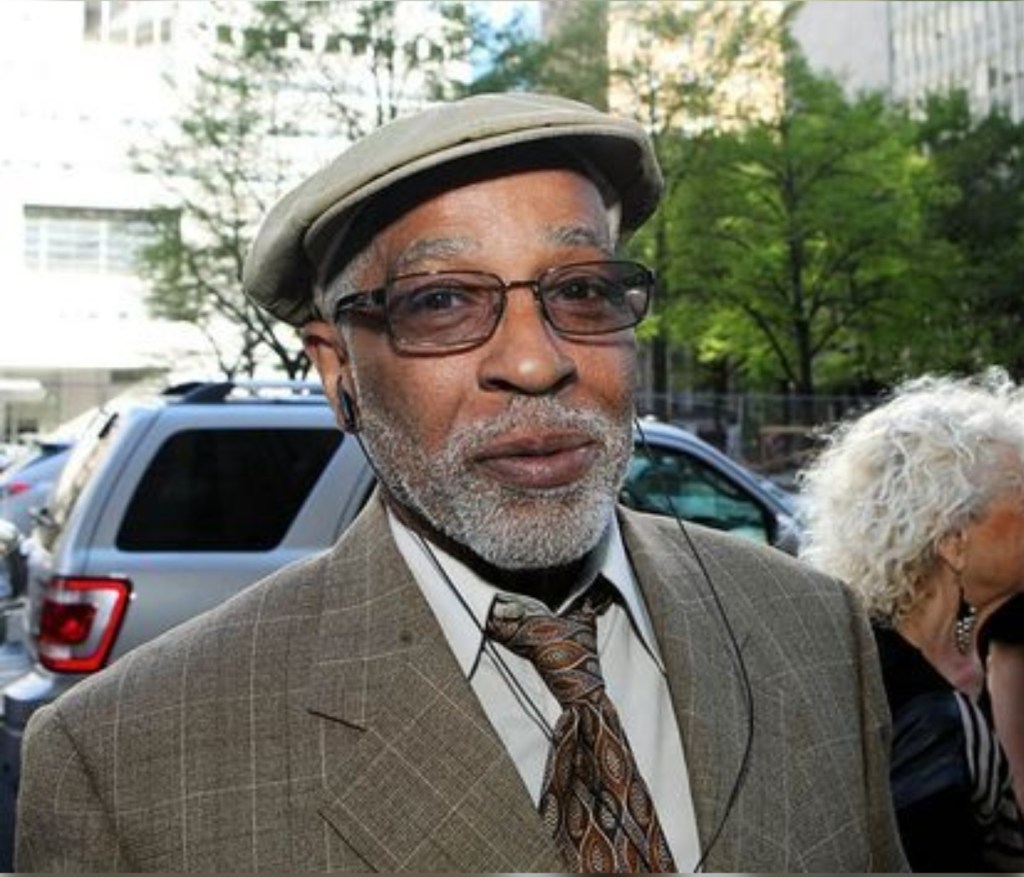
For three years, The Council was unstoppable. Their motto was “Treat my brother as I treat myself.” The organization had a formidable reputation and much to the frustration of the police force, they were seemingly untouchable. And because of this and his many prior escapes from punishment, Barnes was given the nickname of “Mr. Untouchable”.
The Flashy Life of Harlem’s Biggest Drug Dealer
Barnes was now married with a daughter, but that didn’t stop his life of crime. He continued to bring in thousands of dollars each day and he used the money to buy custom-made suits, leather coats, and designer shoes. He had a number of girlfriends, and treated them all like queens, showering them with expensive gifts.
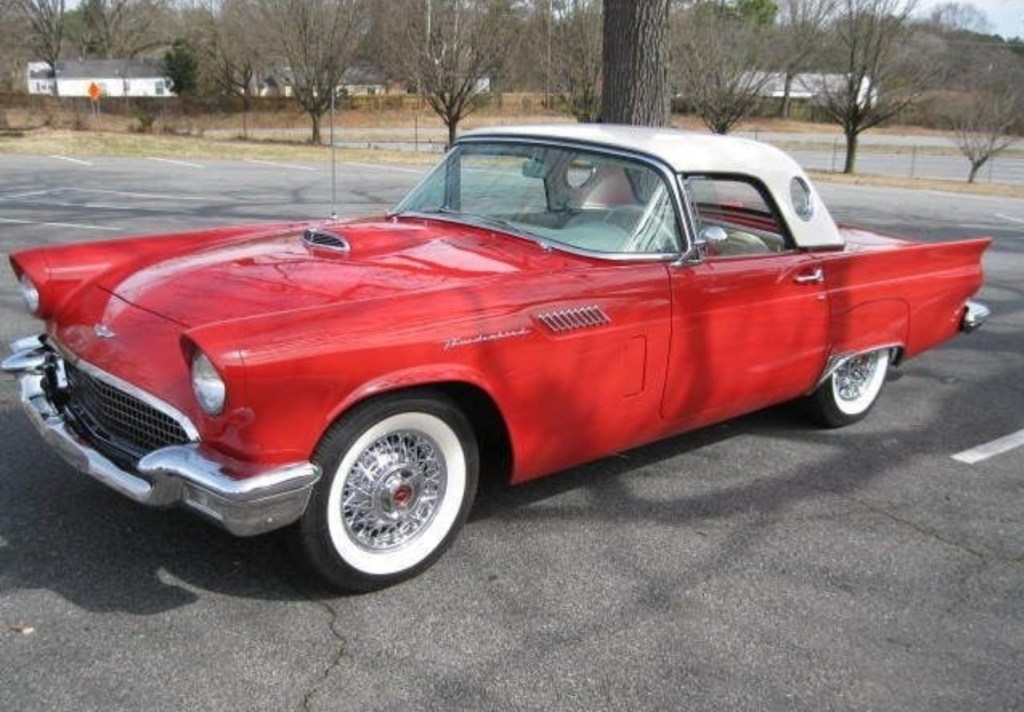
He had a particular penchant for Maseratis, Thunderbirds, and Mercedes. Meanwhile, he was constantly being watched by the police and had to tread carefully. The Council leaders tried to avoid the dirty work as much as possible, but it wasn’t always easy. Barnes’ mentor, Joe Gallo, was murdered in 1972, and Barnes knew that he was heading down the same deadly path if he continued in this manner. Not that it stopped him.
The Rival Gangster That Kept Barnes on High Alert
Barnes and The Council weren’t the only kingpins in Harlem. They had a fierce rivalry with Frank Lucas and his gang, the Country Boys. Frank was very much like Barnes, with a swagger and a flamboyance that rubbed many people up the wrong way. While Barnes was decked out in designer custom-made suits, Lucas was adorned with full-length fur coats, with a matching hat. They justified their criminal actions by saying that there was a demand for heroin, and if they didn’t do it, someone else would.
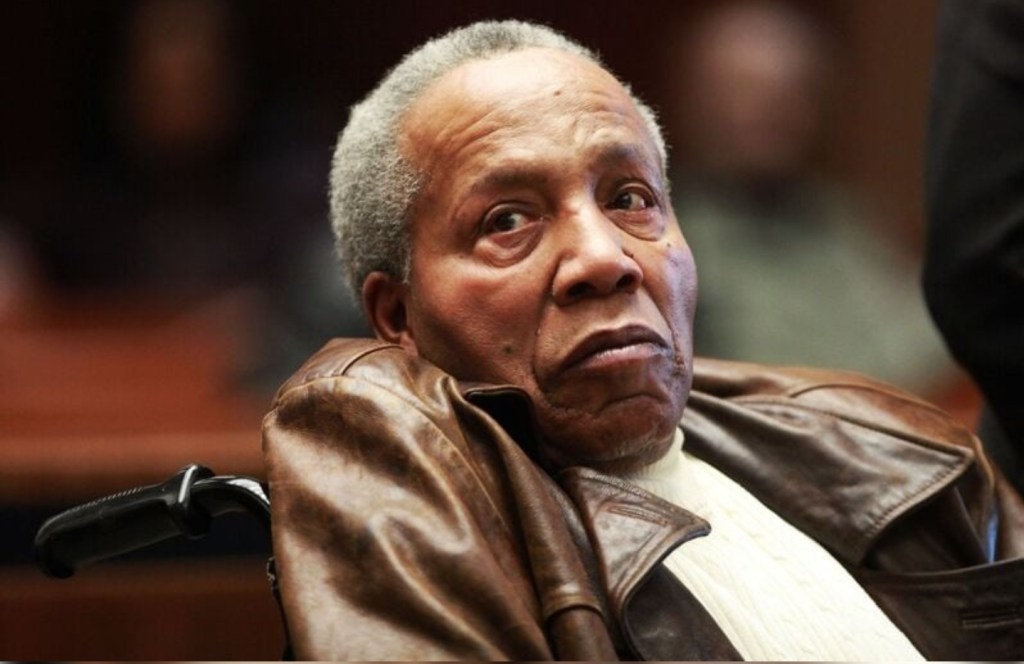
Whenever they were confronted by new competitors vying to get in on the action, they didn’t hesitate to take them out of the picture in a brutal way. Frank Lucas was depicted in the movie American Gangster by Oscar-winning actor, Denzel Washington, with Cuba Gooding Jr. playing the part of Leroy Barnes.
A Murder Puts Barnes Firmly in Police Sights
1974 was a terrible year for Leroy Barnes. Even though he was rolling in cash and living the high life, he was never far from trouble when it came to the police. He was arrested in May of that year, in connection with the murder of Guy Fisher’s girlfriend’s brother, a man named Clifford Haynes. Fisher was one of the seven leaders of The Council and Barnes held him in high regard.
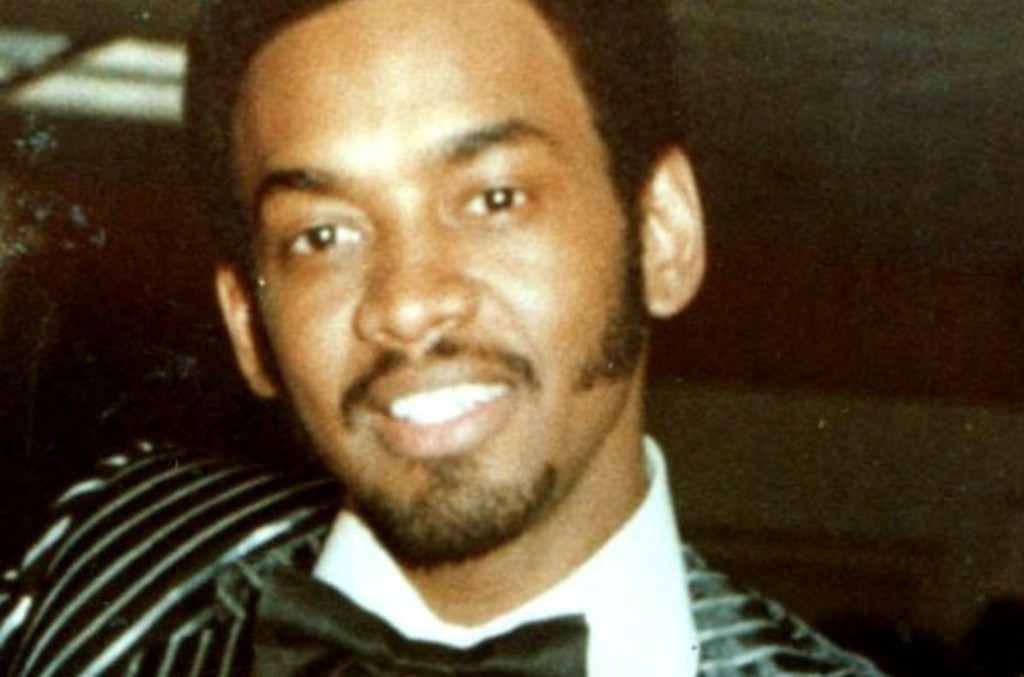
Fisher’s girlfriend had stolen some of The Council’s money and few people had the audacity to steal money from these notorious drug dealers. It was only a matter of time before she would be found and made to pay the ultimate price for her actions. Fisher was furious about the betrayal and set about trying to locate her, and they went straight to Haynes, who was later found murdered. However, there was no evidence that either Fisher or Barnes had killed Clifford Haynes. Barnes later revealed that Haynes had been killed during an attempt to gain information from him about his sister’s whereabouts. But he didn’t reveal who had killed the man, even though he later revealed that he had murdered several people.
Bribery Charges but Will They Stick?
At the end of 1974, the police pulled Barnes over in yet another one of his flashy cars. He had $130,000 in cash with him. It was claimed that he had attempted to bribe the officers but he vehemently denied this. He was now facing both the Haynes murder charge and the bribery one. His lawyer worked overtime to help his client stay out of jail.
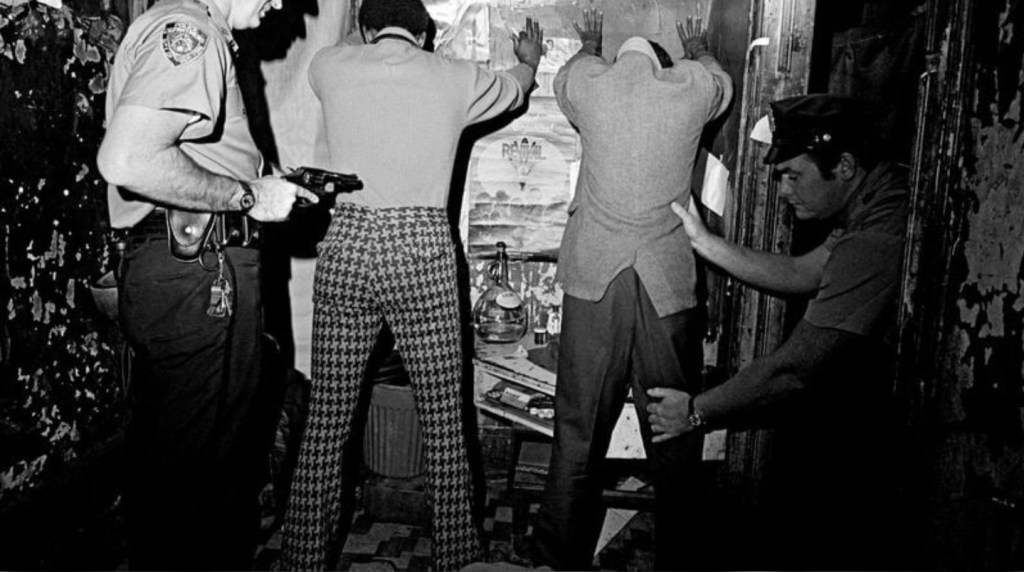
When the bribery case came to court, Barnes was found not guilty. He was acquitted in the murder case and walked out of the courtroom a free man. His nickname was working in his favor and the police force’s frustrations grew and grew. In 1976, he was found in possession of illegal guns, but again, the charges didn’t stick, and he was able to continue flooding Harlem with deadly drugs.
Is This the End of Mr. Untouchable’s Criminal Dealings?
It was only a matter of time before Leroy Barnes fell foul of the law in a big way, and in 1977, he was arrested on narcotics charges. Several other members of The Council were charged, and it was clear that the police had been building a case against them for some time.
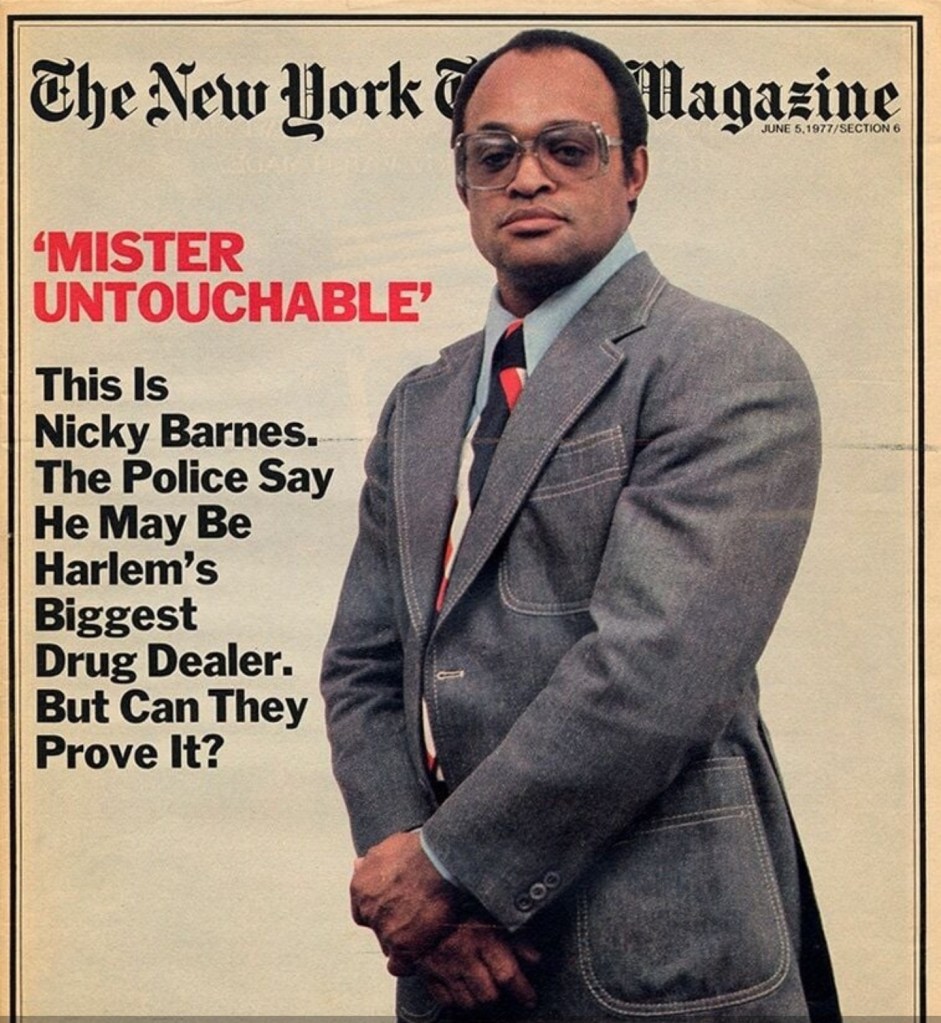
There was a huge amount of press surrounding the case and the criminal activities of The Council, but Barnes seemed supremely confident that he could once again avoid a lengthy prison sentence. The New York Times contacted Barnes about doing an interview, and he jumped at the chance. He appeared on the front cover of the magazine looking bold, arrogant, and firmly in control of his destiny.
The President Is Furious at Barnes
Jimmy Carter was seething when he saw the article. He hated seeing the words Mr. Untouchable emblazoned on the cover, with Barnes posing in an expensive suit. It made the President’s blood boil. It was sending entirely the wrong message to the public. Carter was suddenly breathing down the prosecutor’s neck.
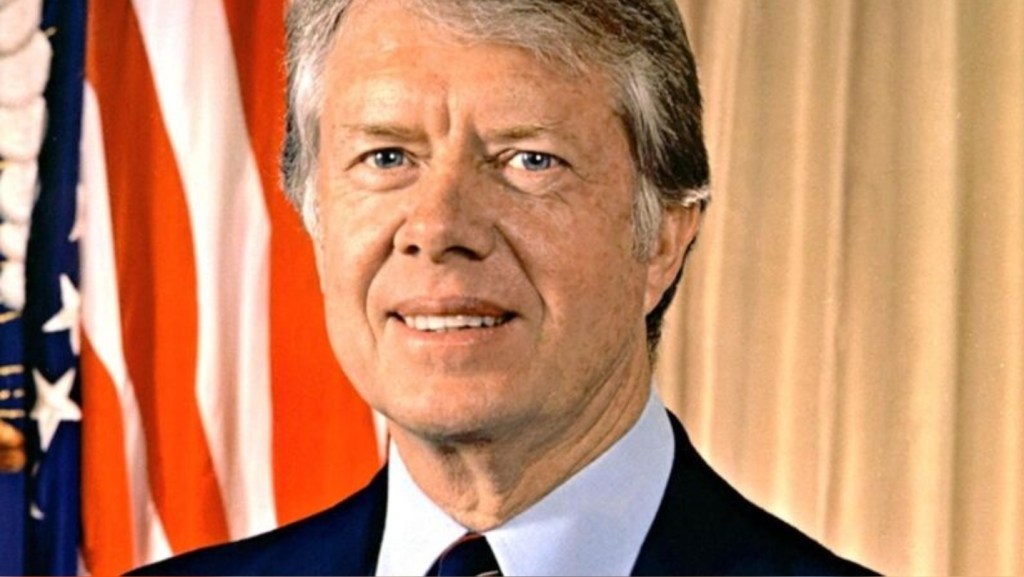
In September 1977, Barnes and his colleagues went on trial. United States attorney, Robert B. Fiske, was in no mood to see Barnes walked free again. It was time for him to pay for his crimes and for making Harlem rife with harmful drugs that were ruining the neighborhood. It was clear that the prosecutors had a huge pile of evidence against The Council and it transpired that there had been an undercover operation to bring down their drug empire.
Damning Evidence and the Surprising Verdict
It came to light that The Council had been selling a colossal one million dollars’ worth of heroin every single month. They had converted a garage in Harlem into a cutting and packing factory, and it was time to bring them down. The US attorney, Fisk, was in no mood to see Barnes found not guilty. The trial lasted two months. The jury found Barnes guilty, along with many of his co-conspirators, and he was given a life sentence without parole. Guy Fisher was acquitted.
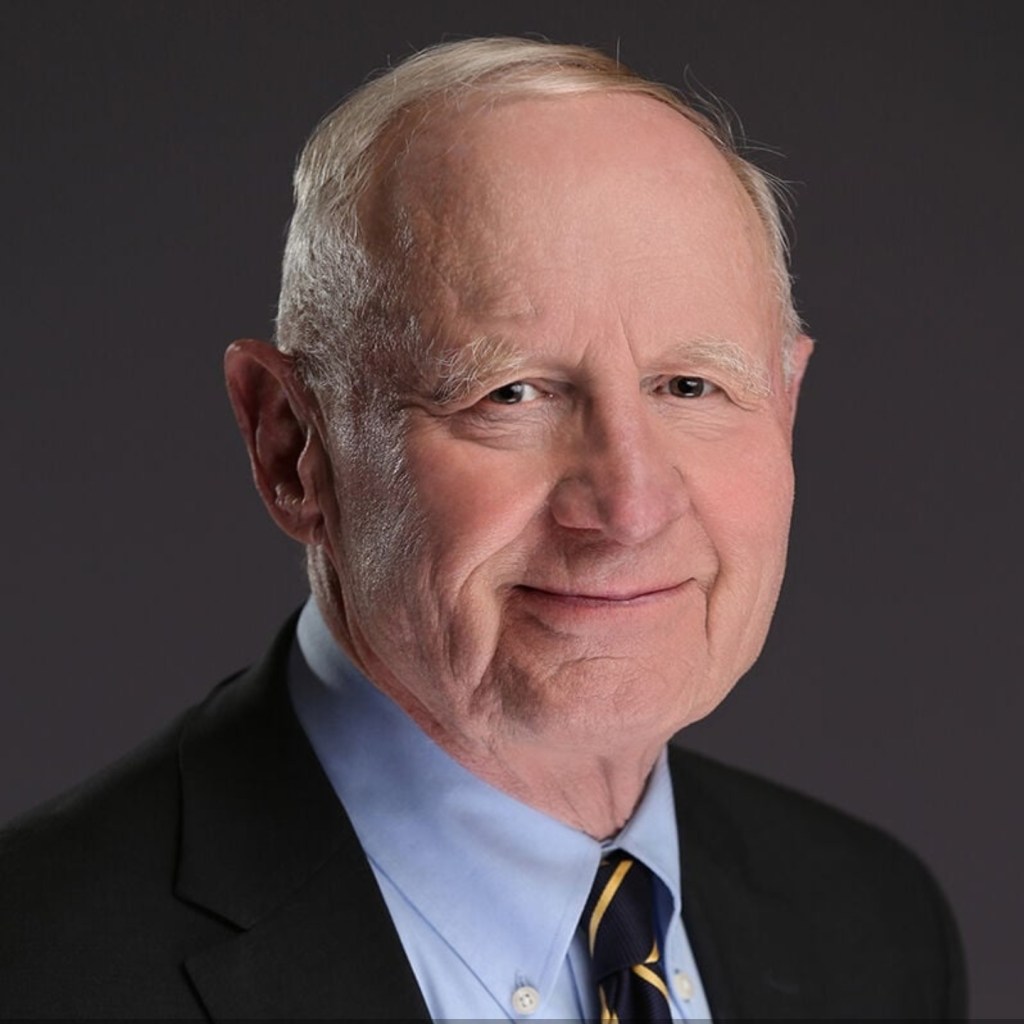
Barnes was sent to the Marion Federal Penitentiary in Illinois. He had a wife and two daughters and couldn’t bear the thought of having to see them through a perspex screen for the rest of his days. He decided to take drastic action, and it was one that would put his life at risk.
The Council Turns on Barnes
Barnes’ future looked bleak. Living as he did, he always knew that this might happen. It wasn’t long before he discovered several things that would lead him to turn on his associates and pave the way to freedom once again.

With no way of running The Council from his cell, cracks started to appear in the organization he had created. In a move that he could not have predicted, he found out that the other six members had elected not to pay his attorneys’ fees. He would never have done that to them, and it enraged him. But not as much as when he found out that one of them had broken their golden rule.
The Ultimate Betrayal
When The Council was formed, the seven men decided upon a few sacred rules in order to keep the business running successfully and ensure loyalty, trust, and respect at all costs. One of the main ones was that no one should ever mess around with another Council member’s wife, girlfriend, or mistress. But Guy Fisher had broken that rule when Barnes was behind bars.
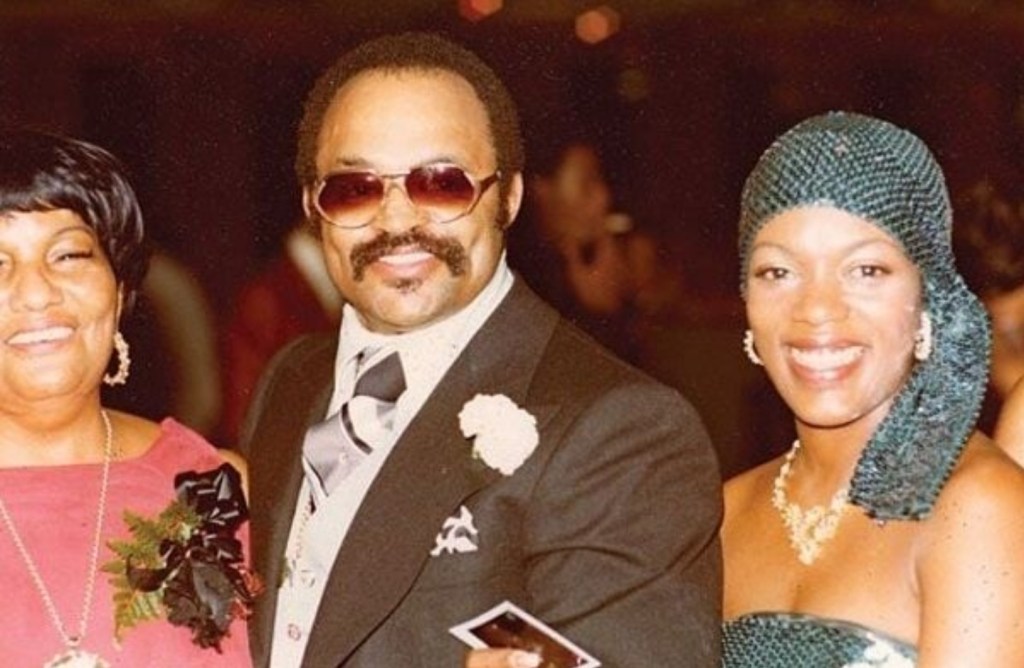
“When I went to the joint, I gave Guy Fisher a woman of mine and told him to look out for her, take care of her,” said Barnes. Fisher crossed the line, and the pair became romantically involved. It was the final straw for Barnes and he was out for revenge.
Barnes Becomes an Informant and the Fallout Is Catastrophic for Many
Fuelled by rage and looking for any way to shorten his lengthy prison sentence, Barnes decided to become a rat, something that was considered to be the worst form of betrayal. But Barnes was in no mood to play nice and he made a deal with the authorities. He provided them with 109 names, including his wife and five of the six remaining Council members. Guy Fisher was his main target but he also provided damning information about 44 other drug dealers.
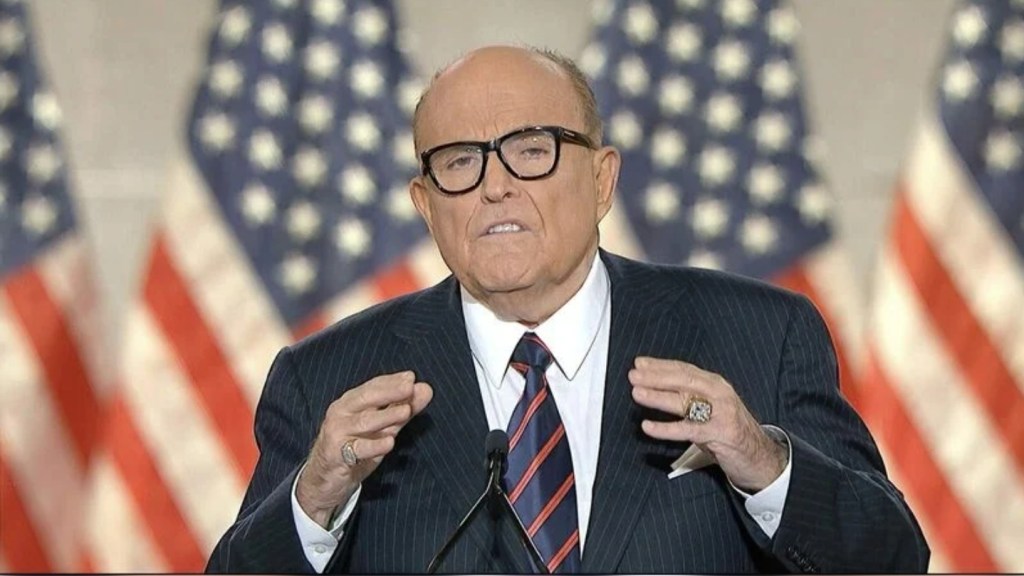
With a deal in place, he was now able to confess to eight murders without fear of being charged for them. Having testified against some of America’s biggest drug dealers, lawyer Rudy Guiliani worked to overturn Barnes’ conviction. But Barnes had done too much damage to the community and to have him walk free was not an option. A major decision was made that gave Barnes a chance of living out his final days as a free man.
Barnes Receives a New Sentence After Snitching
In return for his valuable information that led to the confiscation of millions of dollars, huge quantities of heroin, and many convictions, Barnes wasn’t granted his freedom, but his sentence was drastically reduced to 35 years in a special Witness Security Unit in New York. Having ratted out some powerful and dangerous criminals, he was now on many people’s hit list and needed to be protected.
He kept his head down in prison and worked hard to get some time off for good behavior. He was assigned to work in the kitchen and dining area, focusing on recycling. One of the prison guards later commented that he was “obsessed” with ensuring the process was done correctly.
Free at Last but He Needed a New Identity to Stay Alive
Leroy Barnes walked out of prison in 1998, having served his time. He had been a model prisoner but couldn’t go back to his old ways. He entered the Witness Protection Program and was given a new name. He wrote a book about his life, choosing to call it Mr. Untouchable for obvious reasons. He also gave another interview to The New York Times in 2007, alongside Frank Lucas, to coincide with the book’s release. The bitter rivals hadn’t spoken to one another in three decades.
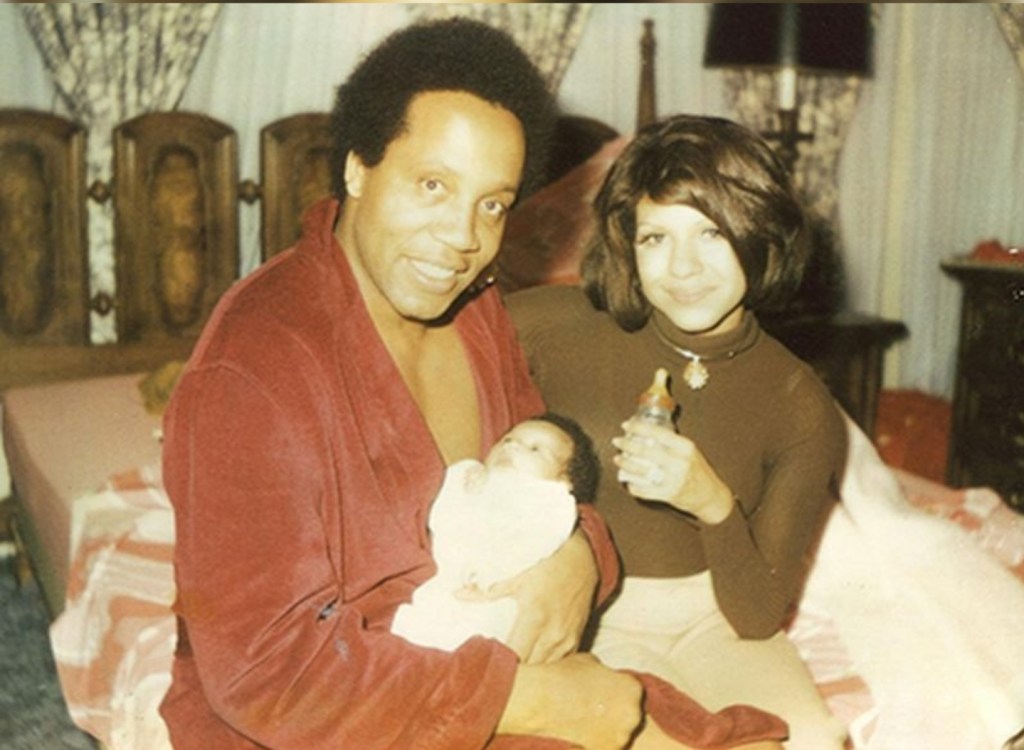
He gave an in-depth account of his life now, saying that he lived within his means and worked hard. He told the reporter that all he wanted to do was “get up every day … and go to work and be a respected member of my community … I’m not looking in the rearview mirror to see if anyone is tailing me anymore.”
Barnes Gets Nostalgic About His Former Life
In 2007, a documentary was made about Barnes and Frank Lucas, as well as the film American Gangster being released the same year, in which Denzel Washington played Lucas. In the documentary, Barnes said that he missed his old life. He went on to say, “There was glamor, money, influence, attractive women. I didn’t have financial concerns, and I do have them now.”
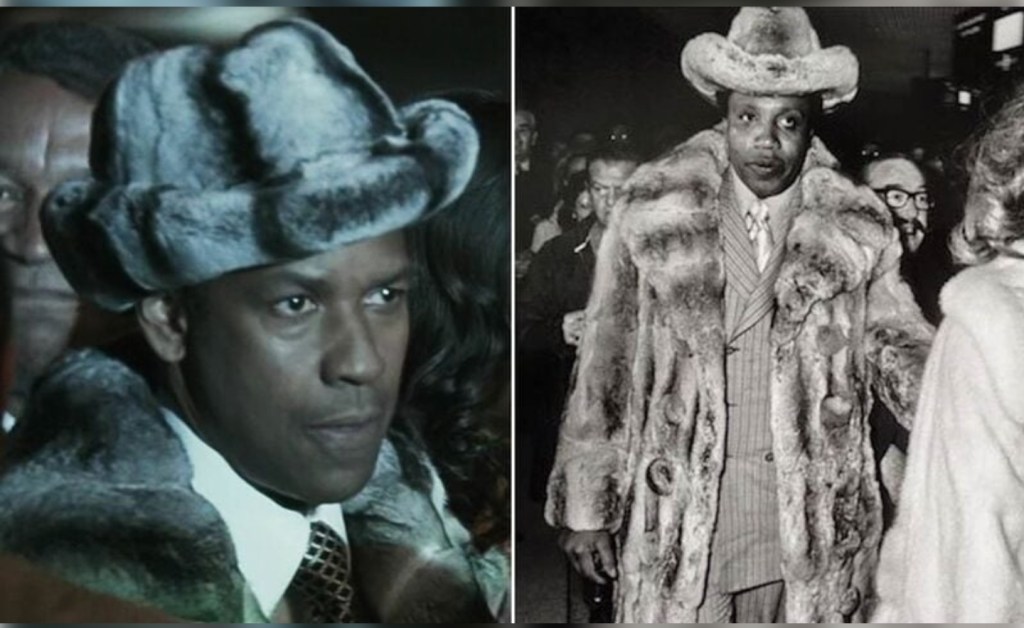
When he was at his most successful, he was worth over $50 million. He loved dressing in expensive designer clothes, and his collection of suits, coats, shoes, and jewelry was said to be worth over $7 million. Lucas also prided himself on looking sharp and spent thousands of dollars on his flashy attire.
The Death of Mr. Untouchable Didn’t Even Make Headlines
Because he was living under an assumed name, when he died of cancer on June 18, 2012, it wasn’t reported in the press. It wasn’t until June 2019 that people knew about Leroy Barnes’ death. He was 78 years old. His two daughters, who also entered the Witness Protection Program, kept his passing a secret for many years because they wanted to respect his privacy. They spoke fondly about him, saying that they had “so many good experiences with him” and that it was hard for them to think of their father as Mr. Untouchable. To them, he was just Dad.
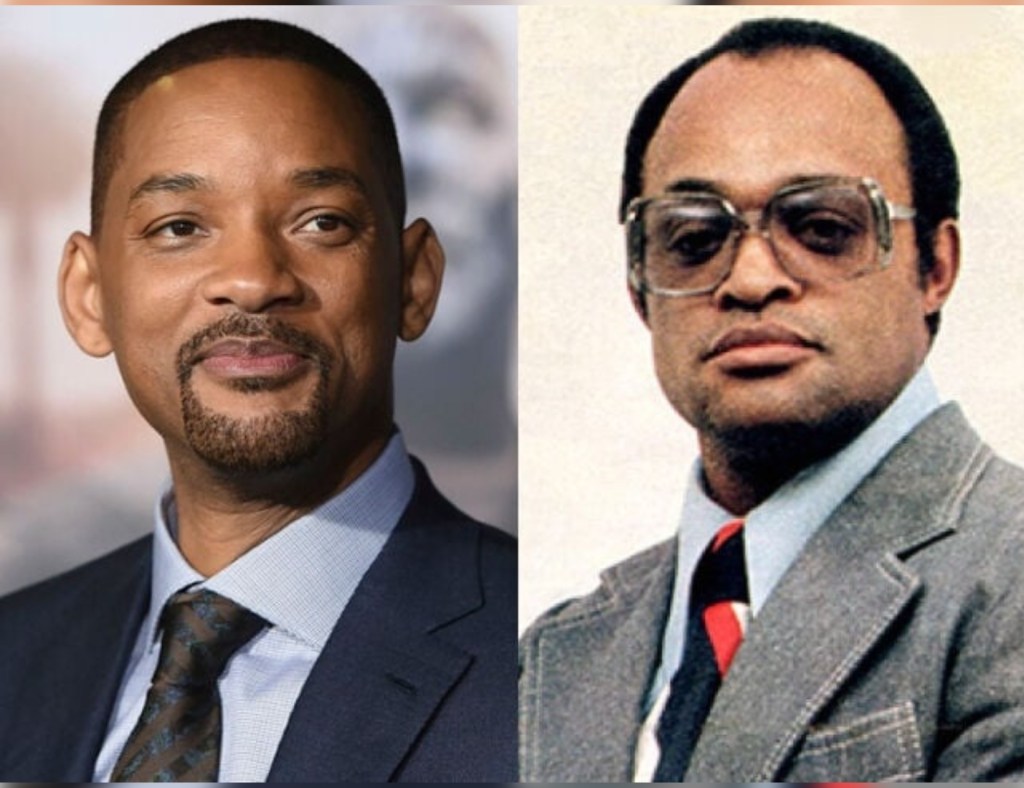
Will Smith was set to star as Leroy ‘Nicky’ Barnes in the film The Council which was planned to be shown on Netflix. Smith was also going to produce the movie which would give us a glimpse into the interesting life of Mr. Untouchable.
Just as Barnes succeeded in avoiding a longer prison sentence by turning on his own and entering the Witness Protection Program, so have many others in history. Next is a list of people who turned on their own in order to receive a more favorable sentence.
Proof That Blood Isn’t Thicker Than Water
In crime organizations like the mob, betrayal is the worst offense possible. Many of those who bravely decide to become informants are usually sniffed out and murdered long before a trial can take place. So it takes a strong person to make the decision to be a “rat”. John Franzese Jr. took it one step further when he testified against New York mobster John “Sonny” Franzese, his own father.

Because of this, John Jr. would rarely have a peaceful night’s sleep, even though he was part of the Witness Protection Program. After 20 years in the mob, he’d become a crack and cocaine addict, selling anything he could to get money to get his next fix. In 2010, he was living with HIV. He found roots in Indianapolis and is living out the rest of his days as Mat Pazzarelli.
A Meaningful Life Behind Bars
In July 2020 Richard J. Wershe Jr. was released from a Florida prison, after serving a massive portion of his adult life behind bars. The man known as “White Boy Rick” served 32 years, after being imprisoned for drug-related charges as a teenager. He was the youngest informant to be on the FBI’s payroll.
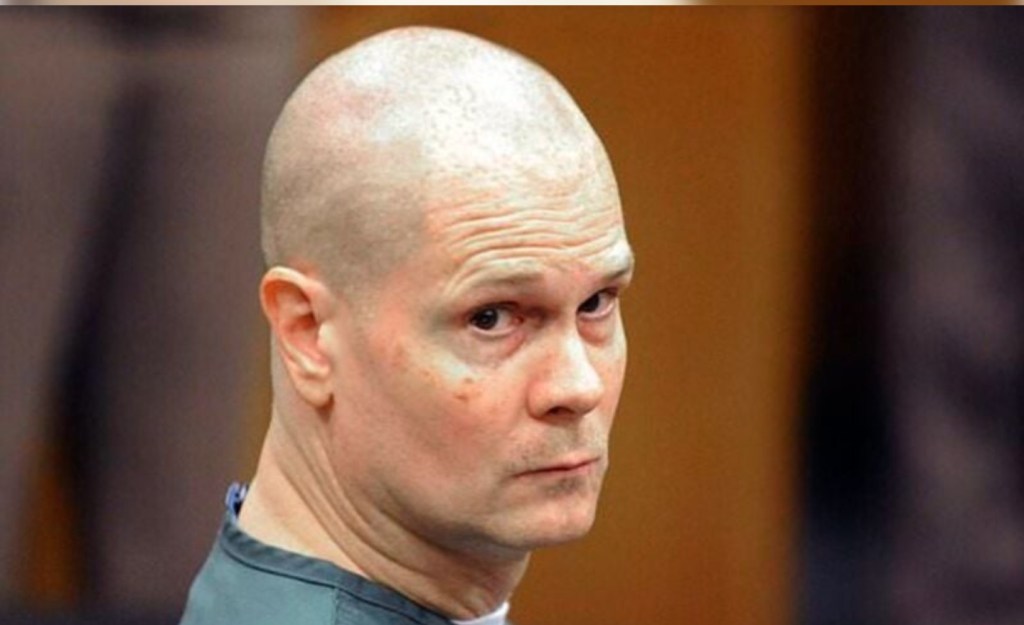
At the tender age of just 14, Wershe Jr. started working undercover in Detroit. Throughout the years, he managed to supply valuable information that led to the arrest of major criminals, as well as corrupt cops. These years were filled with time in the Witness Protection Program, infiltrating the most dangerous gangs, being shot, eventually being dropped by the FBI, and returning to prison. Wershe Jr.’s mother, sister, and son were living in Michigan at the time of his release.
It Takes a Brave Man to Secretly Film Mob Confessions
Using the alias “Mako”, this informant from El Salvador became an extremely useful tool for the FBI in 2013. He worked as a trusted taxi driver for the infamous MS-13 gang in Massachusetts, and well as some lesser-known but equally dangerous gangs. Using a hidden camera in his cab, he would record the conversation and try to extract confessions from his passengers.

During his three years as a driver, he gained so much information for the FBI that he helped to solve ten homicides in Boston, prevented an imminent stabbing, and brought about 61 convictions of MS-13 gang members. Fearing for his safety, and that of his family, the FBI granted asylum to 17 of his relatives, who were brought over from El Salvador for their own protection.
The Mobster Whose Life Was Turned Into One of the Greatest Movies of All Time
Henry Hill was part of the notorious Lucchese crime family in New York between 1955 and 1980. During these 25 years, he took part in beatings, burying bodies, drug dealing, and numerous robberies. In 1978, he was part of the gang that stole $5.8 million, a record at the time. Having been arrested for drug charges in 1980, Hill made a deal with the Feds to become an informant. The information he provided to the FBI led to 50 convictions.
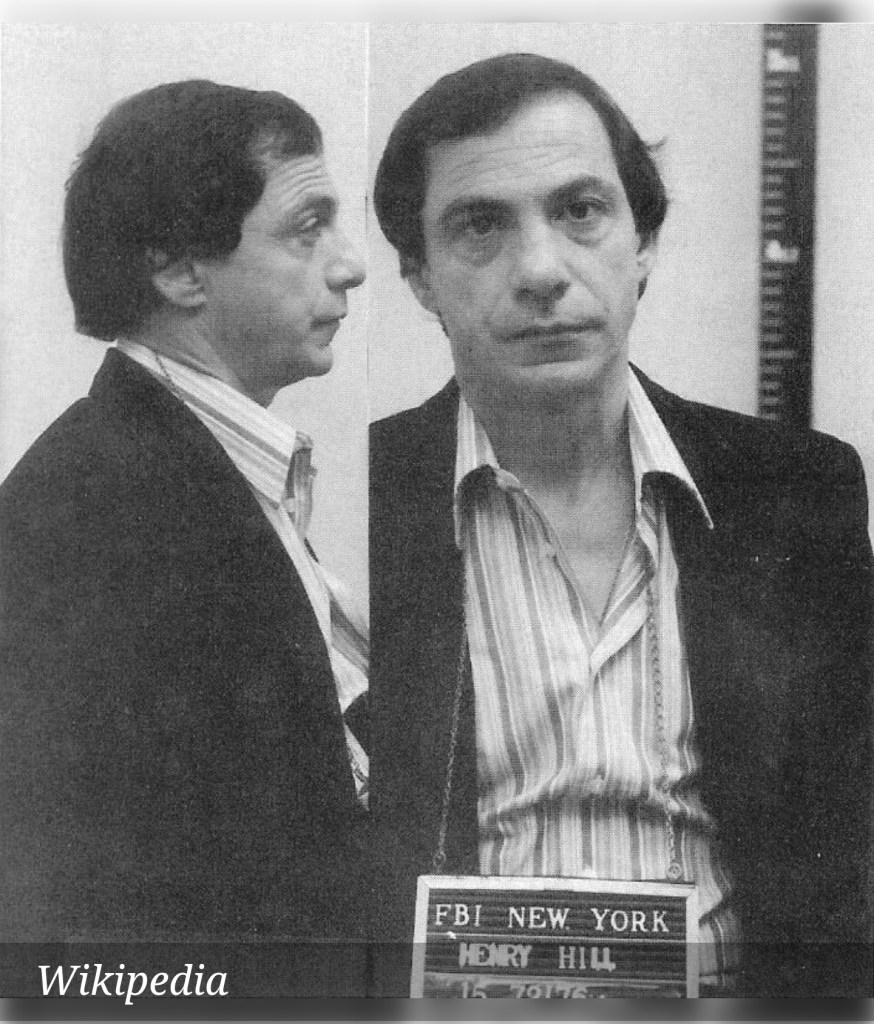
His autobiography was released in 1987, the same year he was thrown out of witness protection for drunk driving and committing a burglary. The book was turned into the hit 1990 film Goodfellas, which starred Ray Liotta as Henry, and was directed by Martin Scorsese. He struggled with his drug addiction for the rest of his life, passing away in 2012.
The Man Who Brought Down “Teflon Don”
Born Samuel Gravano, but known as “Sammy the Bull”, this American gangster and hitman was a member of both the Columbo and Gambino crime families in the 1960s and 1970s. He became an underboss for John Gotti and the highest-ranking mob member to break the unwritten code of silence, known as “omerta”. Having been arrested for 19 murders in 1995, he pleaded guilty to all of the killings and agreed to become an informant for the FBI, in exchange for a shorter prison sentence.

His testimony led to the arrest of 38 mafia members, including Gotti, and he was given just five years behind bars. Upon his release, he moved to Arizona but didn’t stay out of trouble for long. In 2000, he was charged with running a lucrative ecstasy drug ring that brought in $500,000 per week. He was handed a 19-year sentence.
Once a Criminal, Always a Criminal
Marion Pruett was one of the worst informants in US history. Having been released from prison in 1979 after a botched bank robbery, he worked with government officials on a case in which an inmate had his throat cut for testifying against a gang. In exchange for the information provided by Pruett, he received $800 a month and assumed a new identity, but his time behind bars hadn’t reformed him.
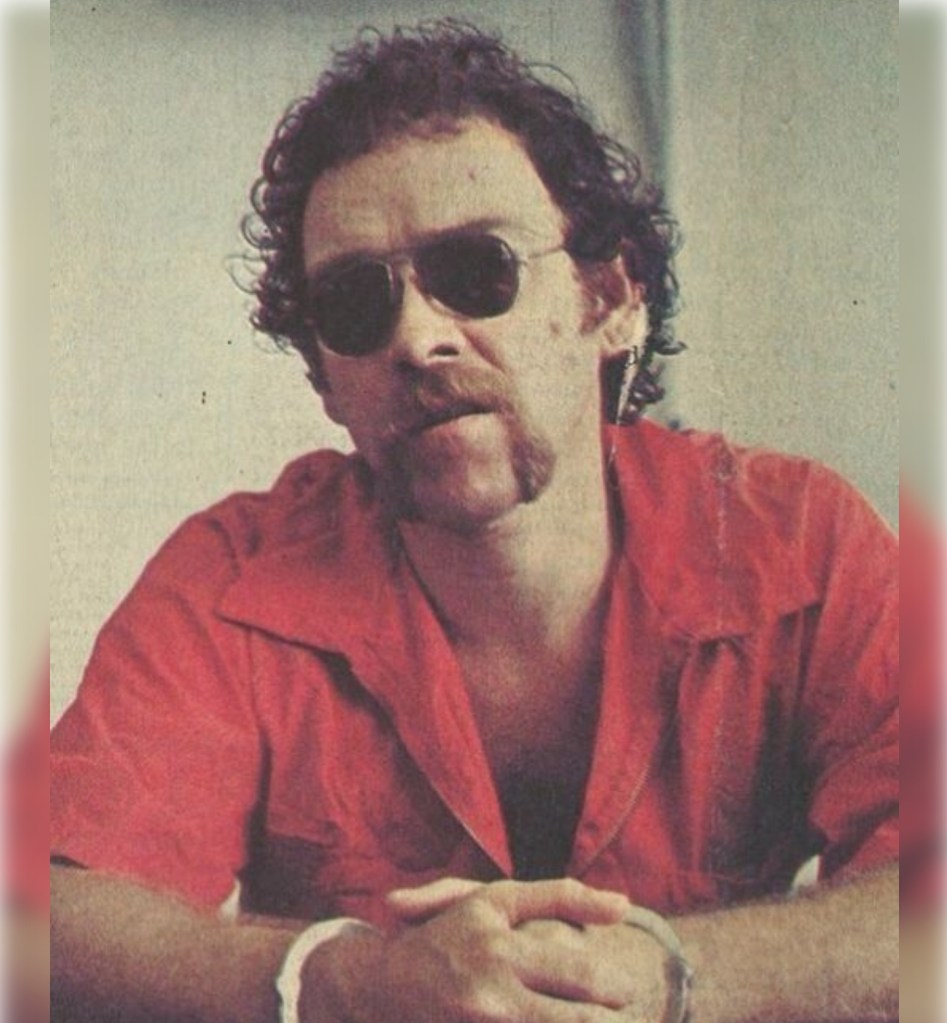
Now known as Charles Pearson, he went on a horrific crime spree, including robbing a loan office and taking one of the employees as a hostage. He shot a total of three convenience store clerks but managed to temporarily evade capture until he was pulled over for speeding in Texas. In 1999, he was executed.
The Harder They Come, the Harder They Fall
Noel Harder lived in Saskatchewan in Canada and fell into the drug-dealing world when he inadvertently took over his dead brother’s business after answering his brother’s phone one day. Clients were in need, so Noel stepped into his brother’s shoes. It led to him being arrested in 2004 and given a six-year jail sentence. In 2014, he was dealing again, and after another run-in with the law, he decided to become an informant.
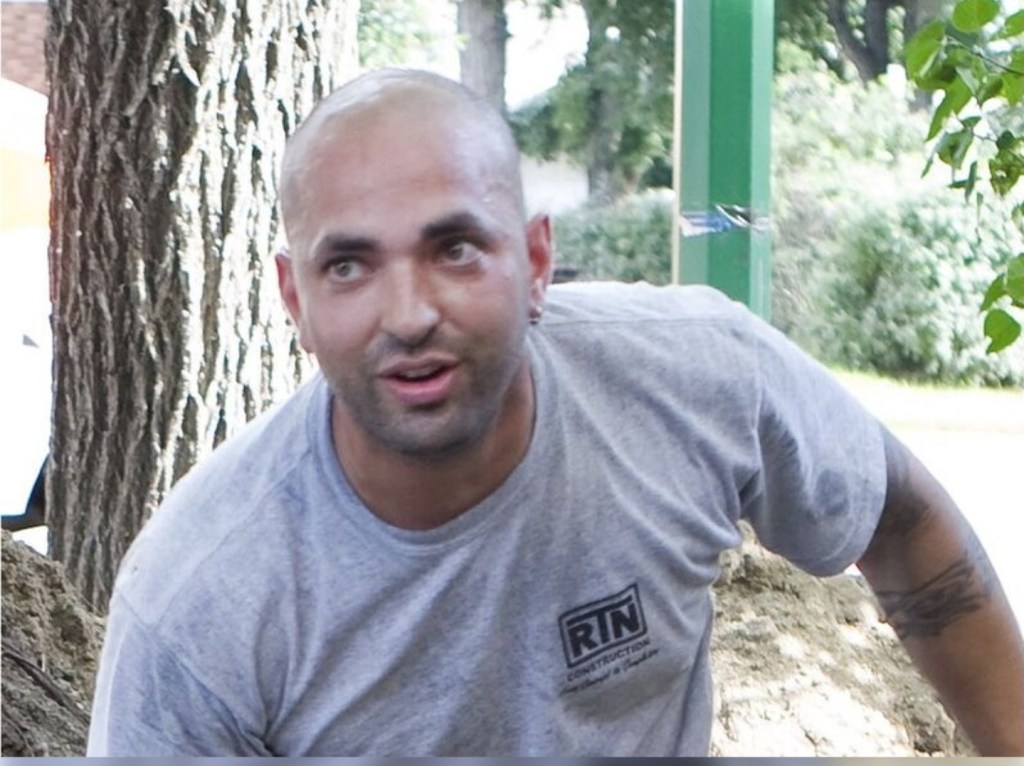
The information he provided led to 20 convictions and various drug seizures totaling $8 million. But it wasn’t all plain sailing for this chatty criminal. Once it was discovered that Harder had been given $300,000 in exchange for his intel, he was viewed as a less than credible witness. There was also a lengthy delay in getting new identities for him and his family, which meant that he was constantly in fear of his life. He was also defying the Witness Protection Program rules by continuing to use drugs. Many members of the Hells Angels were eager to find Harder for being a snitch, but he is now behind bars again, facing 26 charges.
The Hitman Who Tried To Go Legit
Frank Giola Jr. wanted to be a member of one of the five main Mafia families in New York and showed his worth by dealing drugs and selling guns. The Genovese crime family didn’t want him, but he was finally accepted into the Lucchese family after his cousin made the formal introduction. From there, he became a hitman for the mob and was arrested for assault and drug dealing. He had two nicknames, “Baby Face” and “Spaghetti Man”.
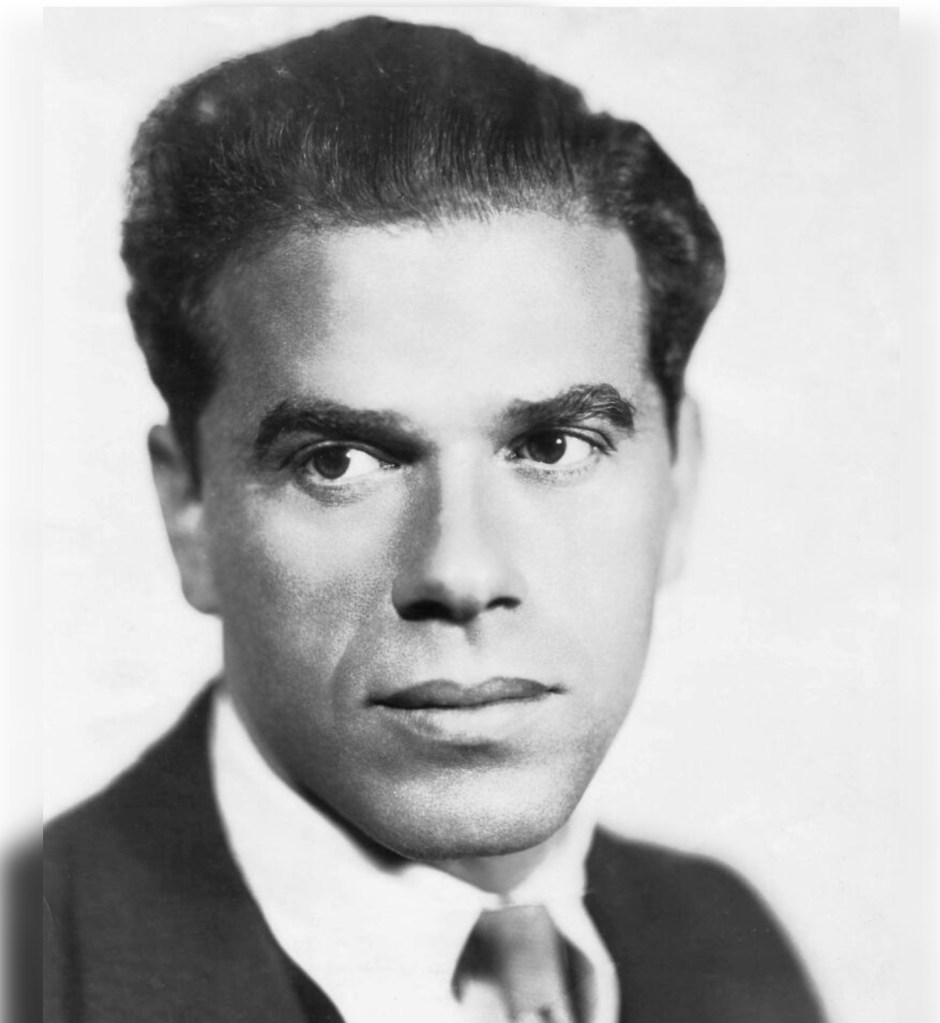
Having broken the code of silence, his testimony brought about 70 mob convictions. He was put into witness protection, along with his father, another ex-mob member. He was relocated to Arizona and worked as a real estate developer. He went on to open two restaurant chains, both of which were a commercial disaster. He lost millions. Now going by the name Frank Capri, he is currently facing 16 federal charges, including money laundering.
From War Veteran To Wannabe Politician
Frazier Miller was born in 1942 and fought in the Vietnam War. When he returned to America, he joined the Ku Klux Klan in North Carolina, rising through the ranks to become the chapter’s leader. Police entered his trailer in 1987 to discover an arsenal of grenades and rifles. To reduce his impending prison sentence, he gave testimony against other members of the Klan. Along with his five-year jail term, he was given the new name, Frazier Glenn Cross.
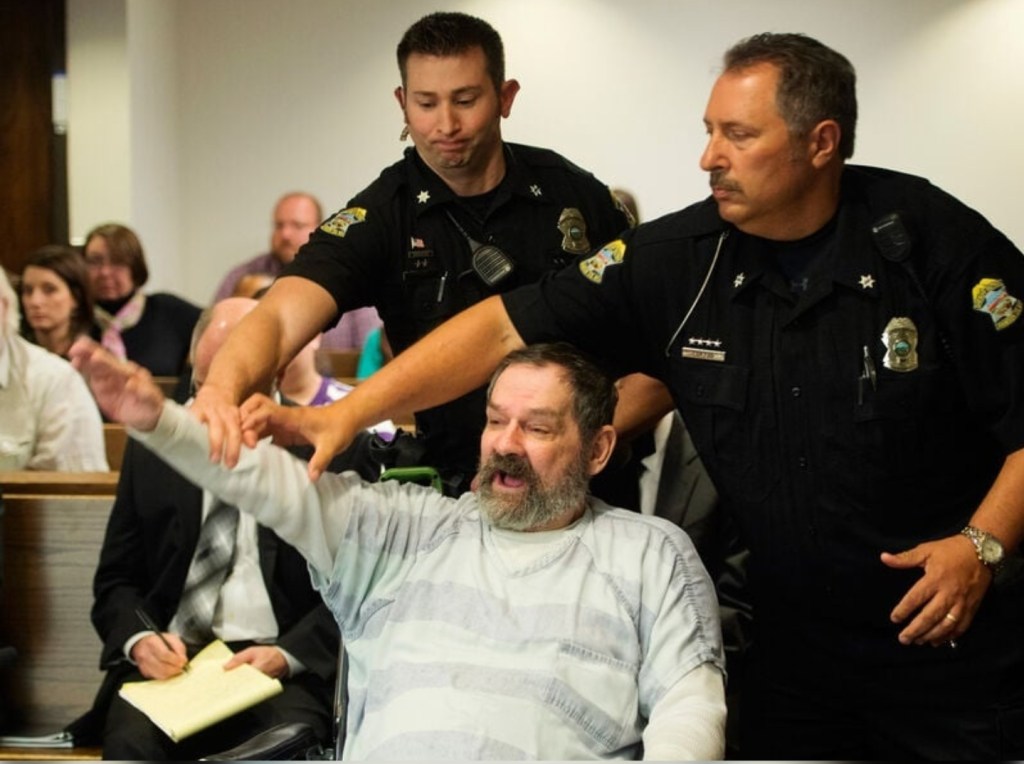
His white supremacy never diminished, and upon release, he sought a pollical career, forming the group known as the White Power Party. In 2014, he walked into a Jewish community center and killed three people, none of whom were Jewish. He never contested his guilt, proudly claiming he committed the atrocious acts. Upon delivery of the verdict, he did a Nazi salute and was sent to death row.
The Rapper Who Couldn’t Escape His Past
Born in 1996, Daniel Hernandez was a gang member from an early age. He adorned his body with tattoos and had multi-colored hair. He went on to launch a music career, collaborating with both Kanye West and Nicki Minaj. By then, he was calling himself Tekashi 69. He’d been in trouble several times with the police, but when he was busted for racketeering charges, he quickly turned into an informant in exchange for a shorter prison term. He provided testimony against two of his former gang associates.
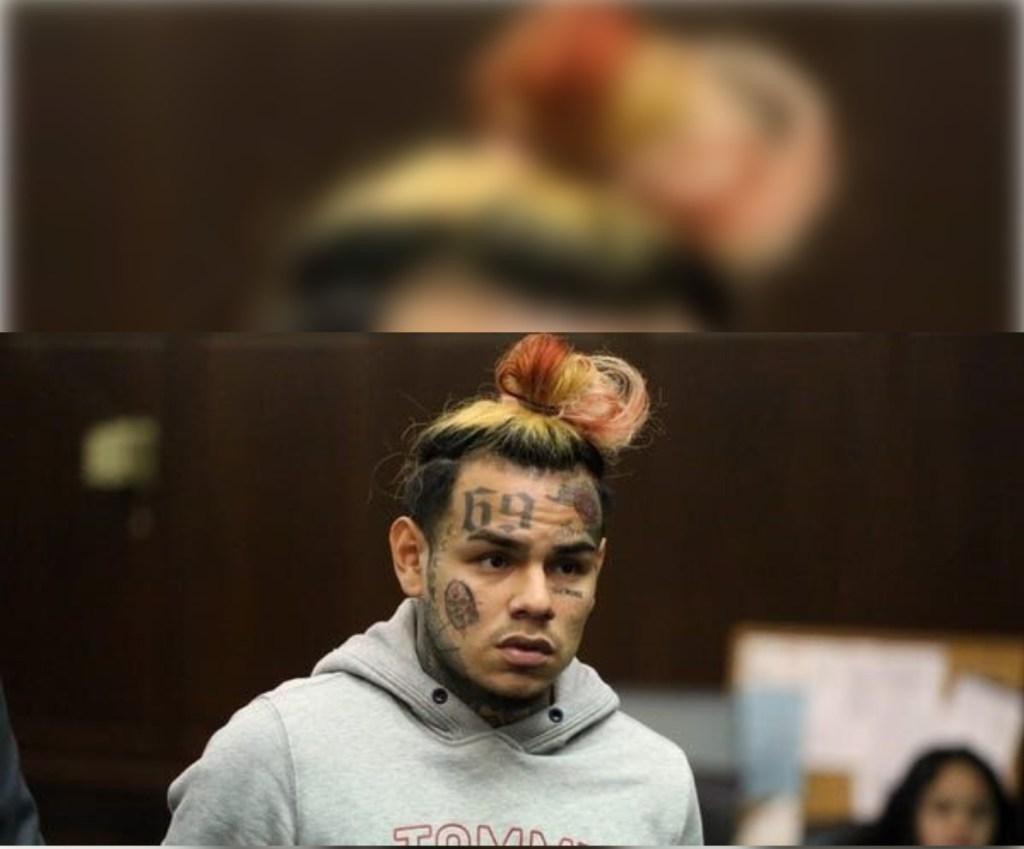
Unable to join the Witness Protection Program due to his easily recognizable appearance, he is currently writing music in jail, and there are rumors circulating that he recently signed a multi-million dollar record contract.
The First Mobster To Break the Sacred Code of Silence
It takes a brave man to betray the mob and in 1963, Joe Valachi did just that. He was born in 1904 and was a member of the Genovese Italian-American crime family. In 1959, he was charged with drug trafficking and given a 15-year prison sentence. While in prison, he murdered another inmate, who he believed had been sent by the mob to kill him. For this crime, he was given a life sentence.

Not wanting to spend the rest of his days behind bars, he became an informant and testified before a US Senate Committee, revealing previously unknown information about the infamous Genovese family. He revealed that they referred to themselves as “Cosa Nostra”, meaning “our Italian thing”, to save them from using the word “mafia” in public. He died of a heart attack in prison.
The Mobster Who Bit off a Body Part
Joseph “The Animal” Barboza was born in Massachusetts in 1932 to Portuguese parents who had come to America in search of a better life. A young Barboza tried his hand at boxing, but his career didn’t take off, so he decided to use his fists in another way. He joined the New England Patriarca mob family, where he switched his weapon of choice from a fist to a gun, becoming a ruthless hitman.
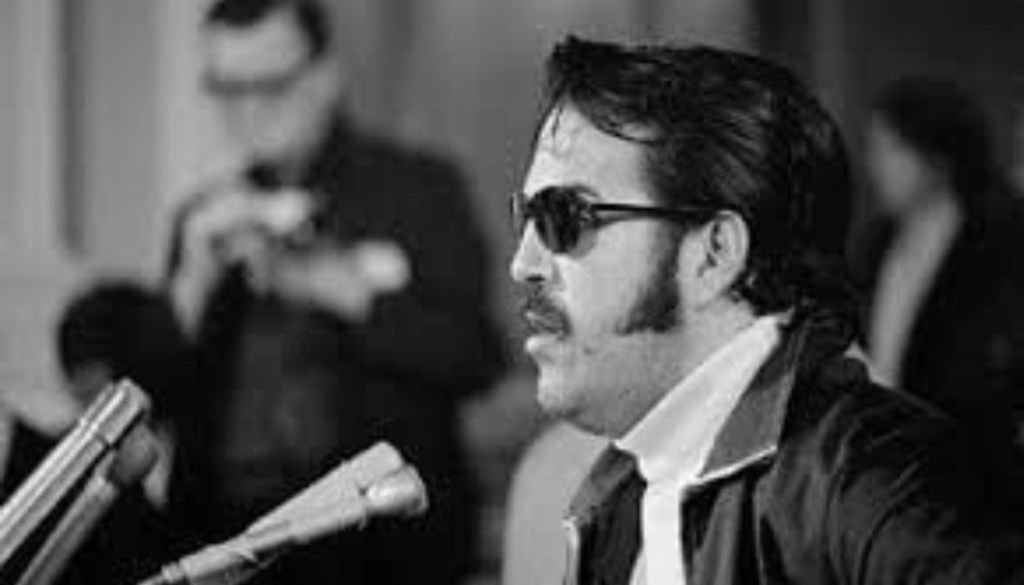
He was fearless and had a reputation for being extremely violent. During one incident, he bit a man’s ear off. His relationship with the mob turned sour, and when he was arrested for murder in 1976, he didn’t hesitate to become an informant. After his release, he moved to California and served more prison time for a subsequent murder. Eventually, the Patriarca’s took their revenge and gunned him down.
The Boss Spills the Beans
Most of the mob informants were low-ranking members of a crime family. But in 2004, one of the actual bosses testified turned state’s evidence, becoming the first boss of one of the main five crime families in New York City. His name is Joseph Massino and he led the Bonanno family for many years. But all that changed in 2004 when he faced the death penalty after being convicted for seven murders. He chose to break the omerta and reveal crucial information about the family’s criminal dealings.
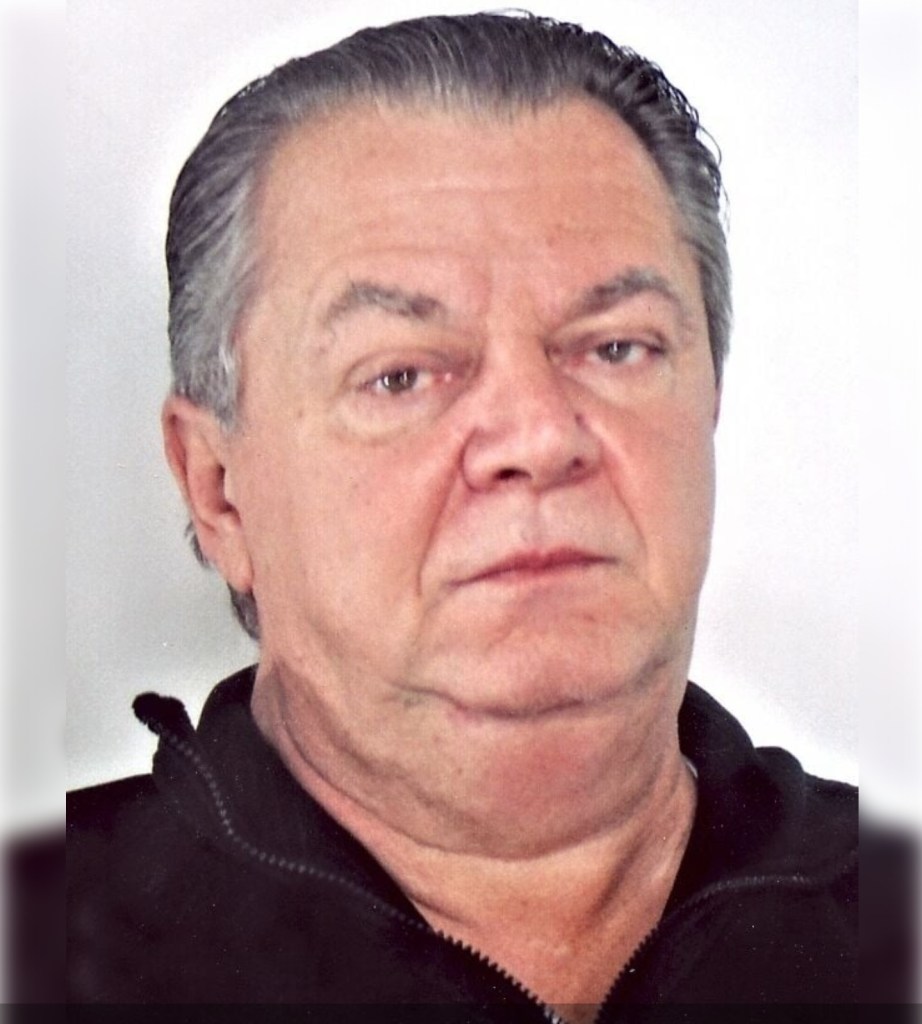
In 2011, he again provided evidence to the FBI and was released in 2013. Due to the severity of his crimes, he will be supervised for the rest of his life. He has three children and lives with his wife, who he married in 1960.
Did He Jump or Was He Pushed?
Abe “Kid Twist” Reles was born in Brooklyn in 1906. Before long, he fell into a life of crime, where he proved himself as a bootlegger during the Prohibition years. He was a founding member of Murder, Inc, which was part of the National Crime Syndicate. It was during his time in this violent gang that he became a contract killer, and was known for being particularly violent. He chose to kill most of his victims with an ice pick, seemingly taking pleasure from striking them in the ear.
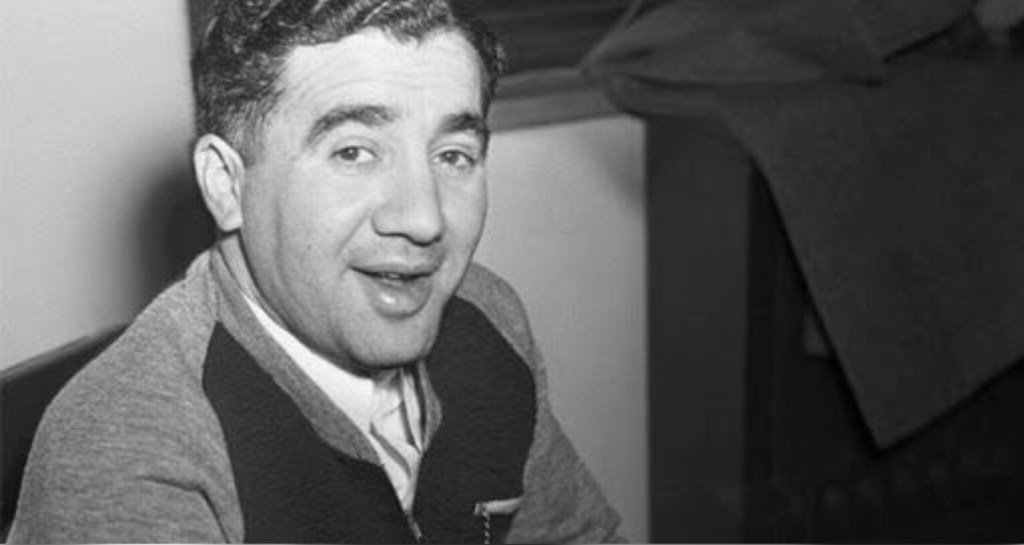
In 1940, he faced the death penalty, having been convicted on multiple counts of murder. Aged only 32, he became an informant and was released from jail in exchange for his testimony against many of his accomplices. In 1941, Abe fell from a hotel window in Coney Island, and it’s strongly believed that he was pushed.
This Informant Was Shot in the Head Three Times
Ken “Tokyo Joe” Eto was born in California in 1919 to strict parents. Despite trying to discipline their child from an early age, Ken was forever getting into trouble. In 1949, he moved to Chicago, where he joined an organization known as the Outfit crime syndicate. He helped bring in up to $200,000 a week from illegal gambling, of which a mere $3,000 was used to pay off corrupt local cops.
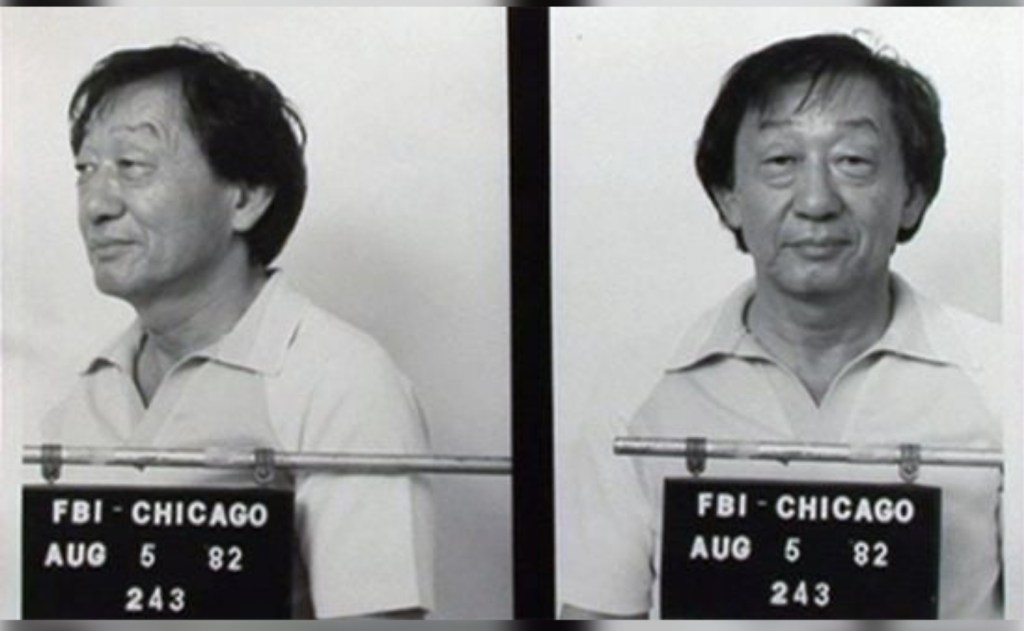
When the FBI eventually arrested him in 1983, his associates were concerned that he would inform on them. Hitmen were sent to stop him from talking and they fired three shots at his head. All three of the bullets hit him, but they were homemade bullets and didn’t contain enough gunpowder. He testified against his criminal associates, entered the Witness Protection Program, and died at the age of 84 in Georgia, where he was survived by his six children.
The Boss of Two Worlds
Tommaso Buscetta was born in Sicily, Italy in 1928. It wasn’t long before he had joined the Sicilian Mafia. He was also associated with organized crime in Brazil, before heading to New York to join the Gambino mob family. In 1983, he tried to get back to Brazil but was arrested and sent back to Italy to face prison for a prior murder conviction. Knowing he would receive a lengthy sentence behind bars, he opted to become an informant, providing authorities in both Italy and America with valuable insider information.
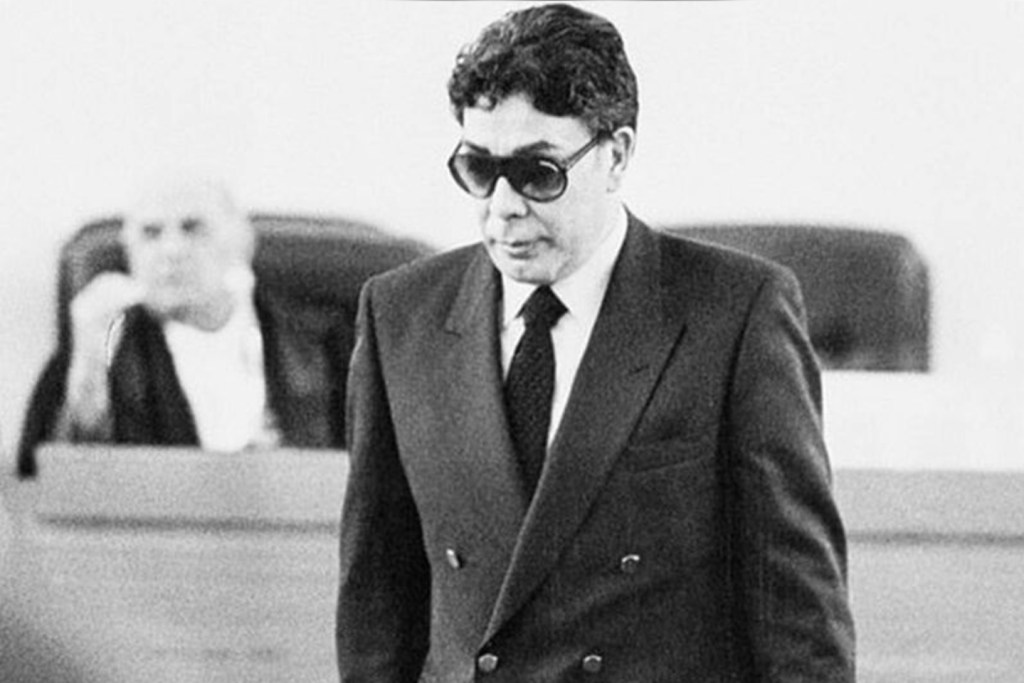
In return for his testimony, he was allowed to return to the US, where he entered the Witness Protection Program, moved to Florida, and had eight children.
The Real-Life American Gangster
Born in Harlem in 1930, Frank Lucas became a drug trafficker, going on to lead the largest heroin ring in Manhattan during the 1960s and 1970s. He was ruthlessly efficient, cutting out the middleman and buying straight from the source. He was unapologetic when it later transpired that he had transported the heroin in the pallets that were placed under the coffins of dead American soldiers returning home for burial.

When he was finally arrested and charged in 1975, he received a jail term of 70 years. This was reduced to 15 years when he spilled the beans about many of his mafia connections, as well as a long list of corrupt New York policemen who had facilitated his illegal activity. Denzel Washington portrayed Lucas in the film American Gangster. He died at the age of 88 in 2019.
The Informant Known as a “Weapon for the Government”
In 1942, Max Mermelstein was born in New York. He grew up to be a mechanical engineer which served him well until he was introduced to the Medellín drug cartel via a friend of his wife, who was Colombian. Realizing that there was a lot of money to be made in the drug world, he managed to smuggle billions of dollars’ worth of heroin and cocaine into America. In 1985, he was eventually caught by the authorities and decided to testify against the drug cartel, much to the outrage of Pablo Escobar.
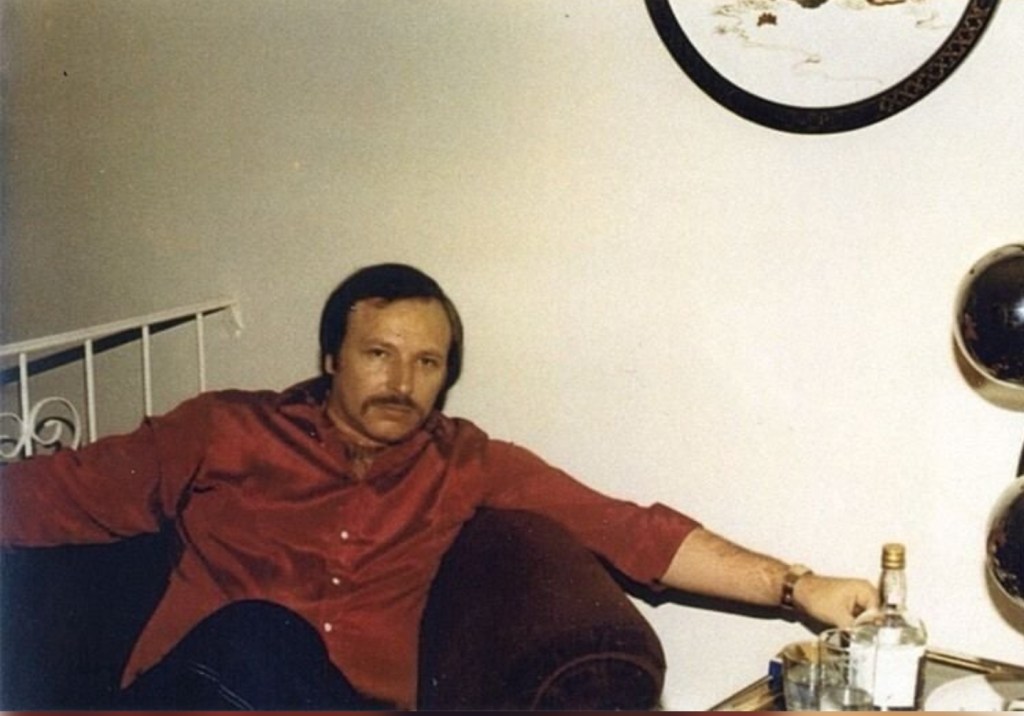
16 members of Mermelstein’s family were allowed to enter witness protection. Max’s testimony led to him being called “the single most valuable government witness in drug matters that this country has ever known.” He died in 2008, having changed his name to Wes Barclay.
The Man Who Sold Out Wikileaks
Wikileaks was created to expose government secrets and corrupt corporations. It was led by Julian Assange, who believed that his site was a way to let those in power know that they were being watched. He felt that Wikileaks was a way to help protect the public. One of his most enthusiastic employees was Sigurdur Thordarson, who started working at the company when he was 17 years old. He was put in charge of the chatroom. It was a hugely responsible job and Sigurdur thrived.
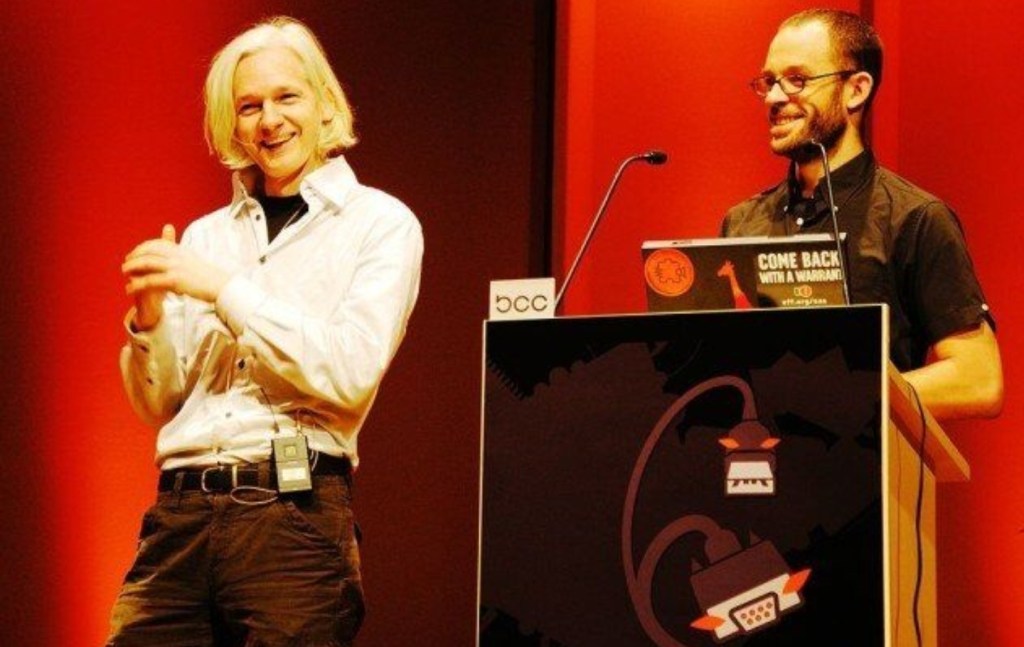
But then he started to use his own initiative and began working with hackers who wanted to hack the Icelandic government computer network. The FBI was monitoring the whole thing and, spooked by the prospect of being implicated, Sigurdur became an informant for the FBI. When he was fired by Assange in 2011, he went to the FBI with thousands of pages of evidence about Wikileaks. For his betrayal, he received a mere $5,000.
A Despicable FBI Cover-Up
In 1965, a white civil rights activist by the name of Viola Luizzo was driving a black civil rights protester home after a march in Selma, Alabama. Her car was followed by four Ku Klux Klan members, and they chased her down a quiet back road. The vile men shot at the car, instantly killed Viola. Her passenger, Leroy Meton pretended to be dead, having been sprayed with Viola’s blood. Meton waited for the KKK to drive off and ran for help.
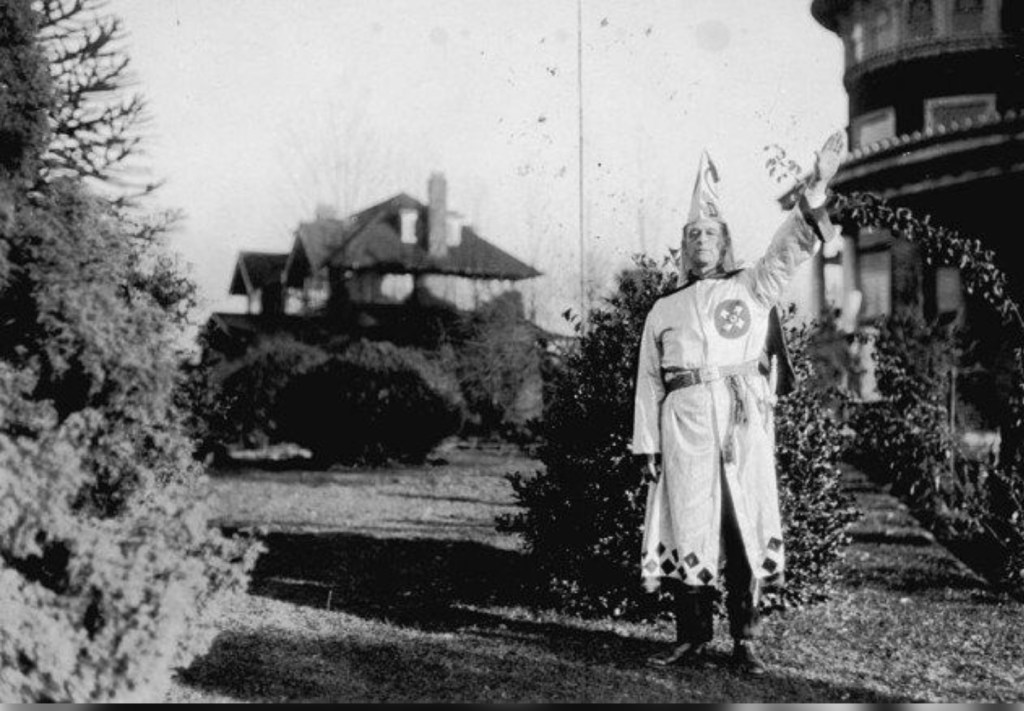
One of the four men responsible for the attack was an FBI informant called Gary Rowe. Rowe called his FBI contact and told him what had happened. Horrified at Rowe’s participation in the murder, the FBI tried to cover up the crime. It was J. Edgar Hoover himself who conducted a smear campaign against Viola, portraying her to be a drug addict, with links to the Mafia. They also implied that she was having an affair with Leroy Meton. It wasn’t until 1978 that her children demanded the release of the FBI files about her mother that the truth was finally revealed. A lawsuit followed, but a hung jury resulted in no charges against the FBI for its atrocious actions.
The FBI’s Obsession With Uncovering Communists in the US
The FBI became obsessed with communism in America, believing it to be bad for the country. J. Edgar Hoover approved hundreds of investigations against persons of interest, including Marilyn Monroe. There were over 1,500 informants in the American Communist Party. Harvey Matusow was one of them.
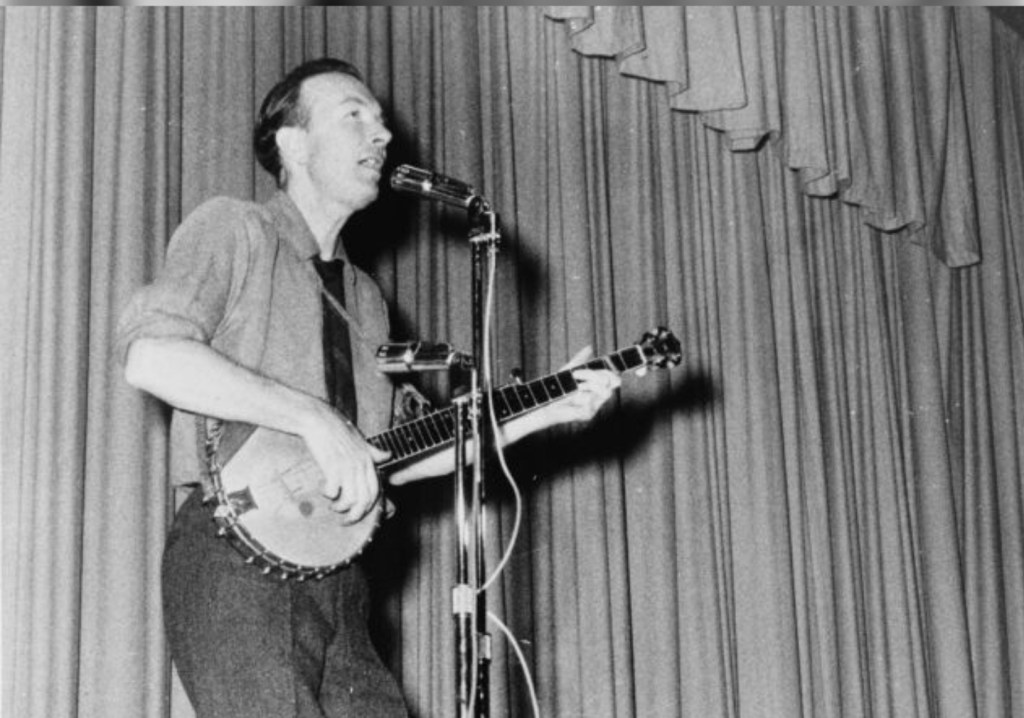
Disheartened by the ACP, Harvey was paid by the FBI for any useful information he could provide about the workings of the party. It wasn’t long before he was exposed as a snitch and thrown out of the group. The money from the FBI stopped too, as he was no longer useful to them. In retaliation, he began offering himself up as an expert witness for anyone who wanted to pay for his information. Both CBS News and the United Nations paid him handsomely. Years later, he admitted that almost all the evidence he gave was made up. He was convicted of perjury and sentenced to five years in prison.
Hector Xavier Monsegur
Anonymous launched in 2003 – it is an activist group that works to expose illegal business dealings, underhand corporation tactics, and corrupt governments. It’s also hacked groups such as the Church of Scientology and PBS. For years, authorities have been working hard to bring Anonymous down, but it took an informant to finally do some real damage to the covert organization.
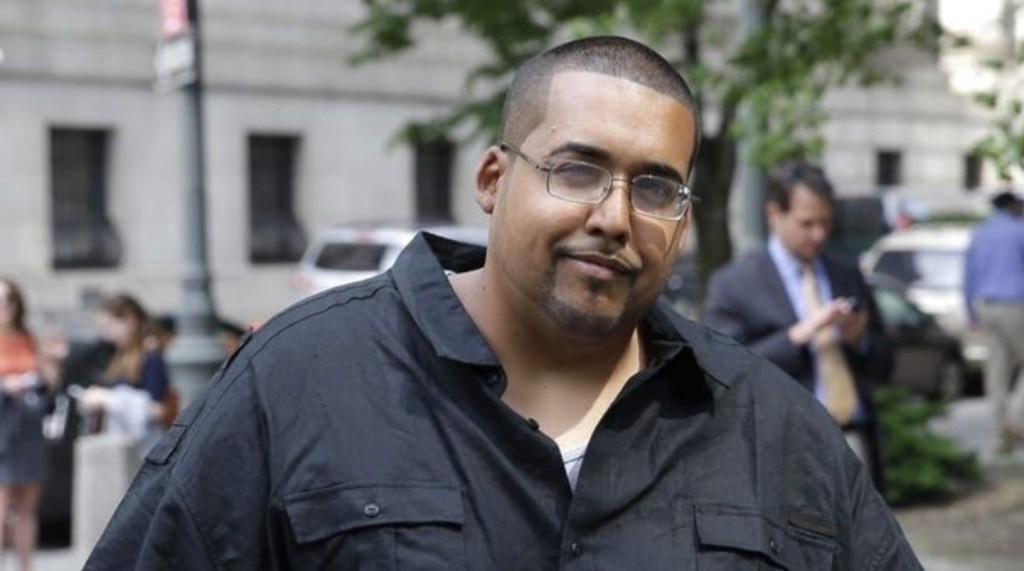
One of its own members who went by the name of Sabu was responsible for hacking Sony and the CIA. His actions led to his arrest in 2011. Sabu was revealed to be Hector Xavier Monsegur, and soon he was facing over 120 years in prison. It’s no wonder he decided to become an informant. His testimony resulted in five of the company’s hackers being arrested and he only spent seven months behind bars.
A Shady Government Deal Reveals Unlikely Informant
This remarkable story involves an informant that isn’t a person, it’s an entire company. The AT&T phone company received large sums of cash from the United States Government in return for handing over the phone records of every single one of their customers. The operation started in 2007 and was led by the DEA or Drug Enforcement Administration. It seems unbelievable, but this daily breach of customer privacy happens every single day, as part of the DEA’s Hemisphere Project.
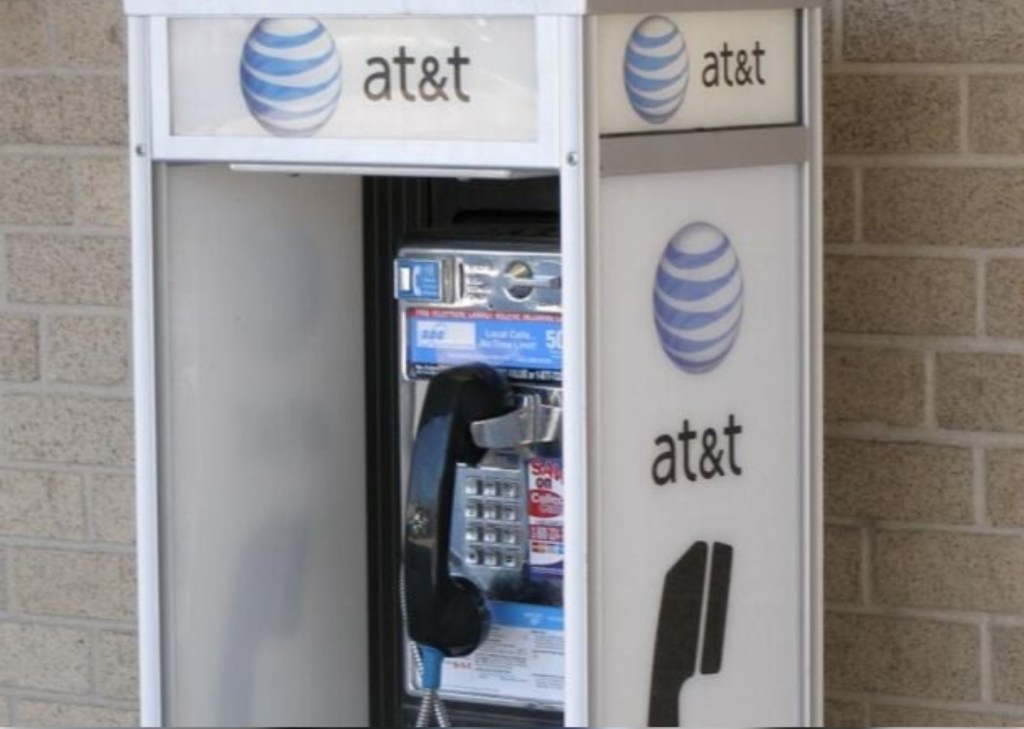
Any call made by an AT&T customer, or anyone who called an AT&T customer in the last 25 years was documented and given over to the government department. That’s over four billion call logs each and every day!
The Radio Host Who Was Paid To Spew Hatred on Air
The Hal Turner Show was famous for spewing despicable racist and anti-Semitic rhetoric. It gained a lot of fans, most of whom were Neo-Nazis. Despite the vile opinions of Hal Turner, the program was allowed to remain on the air. During his show, he would deny the Holocaust occurred and would encourage his listeners to lynch black government officials. But the reason he gave for doing this will shock you.
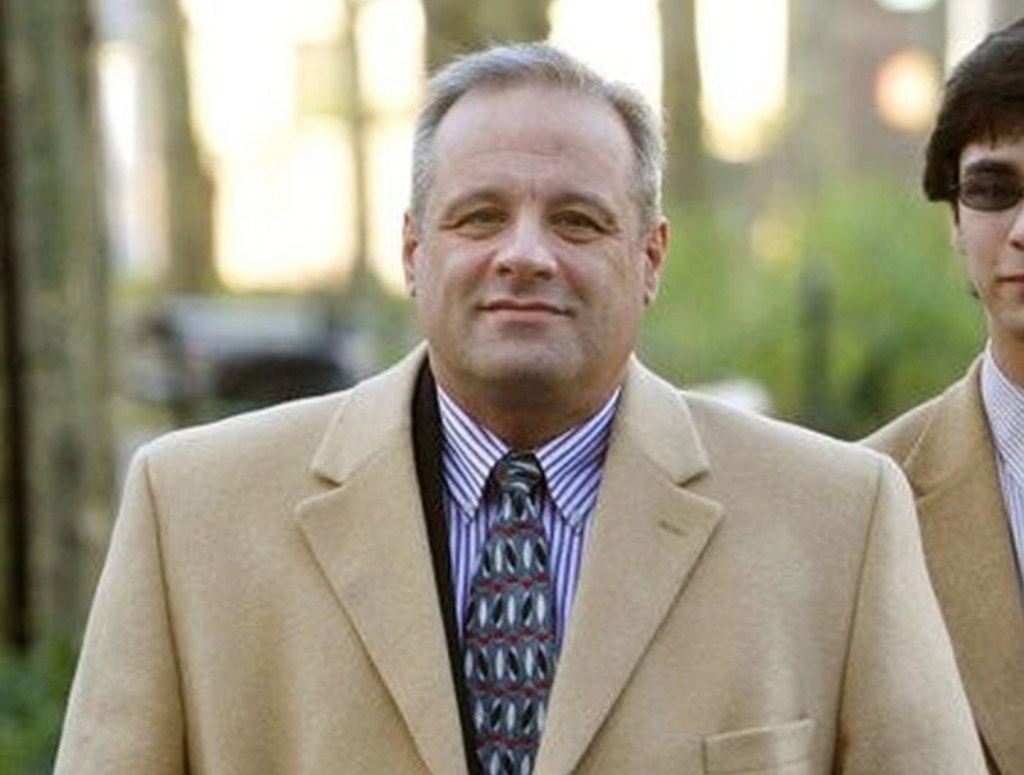
Turner claimed that he was simply doing this to lure extremists and white supremacists to confess to crimes or future attacks. At first, his views were quite mild, but as the show’s popularity grew, he was approached by the FBI and was offered money to dial up his on-air opinions to draw the most radical people in. In his words, he was told to “ratchet up the rhetoric”, but his actions when too far and he was arrested for threatening violence. During the trial, his lawyer claimed that he had been trained by the FBI and these weren’t his actual views. He went to prison for two years.
Another Truly Shocking FBI Project
The Counterintelligence Program, also known as COINTELPRO, was launched by the FBI in 1956. Its purpose was to stop the advancement of the American left. The mission was to target any group or person who was working towards progressive change. It’s shocking to think that the agency was steadfastly against reform and ways to improve society, and that was more even more evident by the fact that one of their main targets was civil rights leader Dr. Martin Luther King Jr.
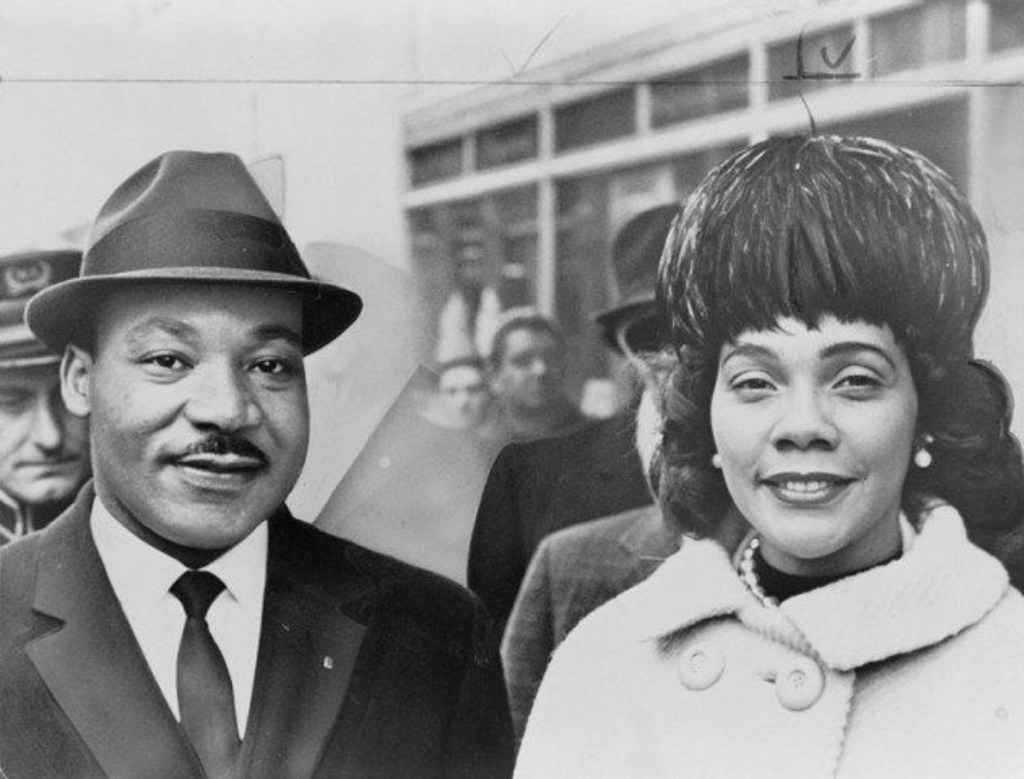
The agency persuaded Dr. King’s trusted photographer, Ernest Withers, to snitch on him. Withers also handed over vital information about other activists and pastors in King’s circle. Having gathered some incriminating evidence on King, the FBI threatened to blackmail him if he didn’t end his own life!
Could 9/11 Have Been Prevented?
After the devastating events of September 11, 2001, many believed that the Bush administration could have thwarted it, especially as the FBI had an informant who was inadvertently helping those who carried out the attacks. Two of the men involved in the horrific plot rented a room from a man who was working for the FBI as an informant. The man got so close to them that all three of them would regularly pray together.
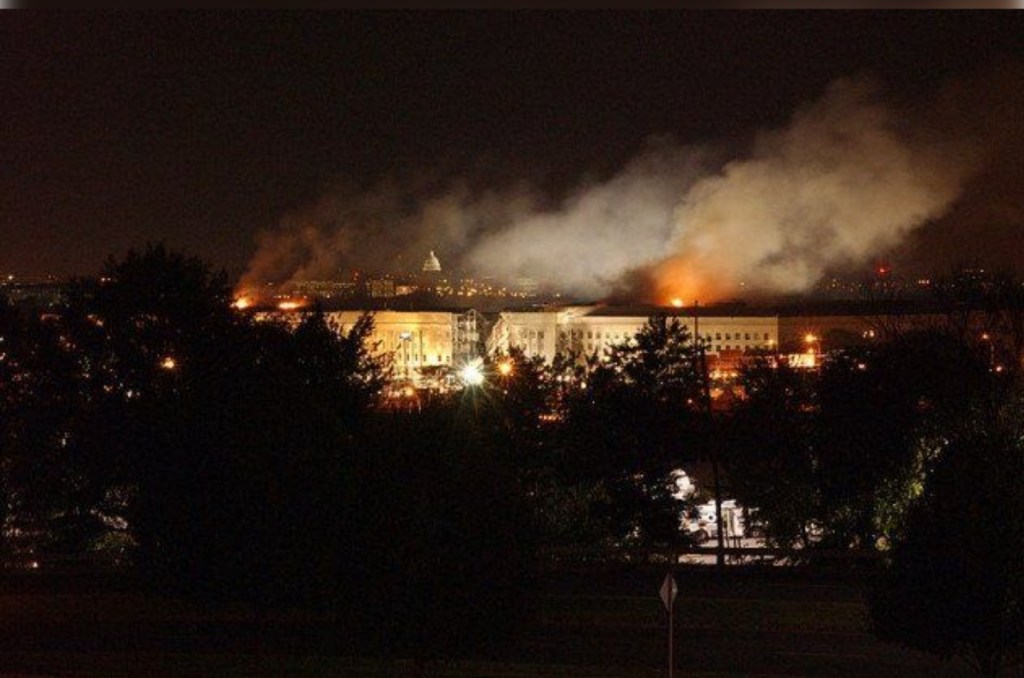
The informant went on to help them set up a bank account, and he was aware that the men were spending their money on flying lessons. In a move that stunned many, the FBI banned the informant from giving evidence at the subsequent inquiries into 9/11.
One of the Most Devastating Lies Ever Told by an Informant
In 2003, Secretary-General Colin Powell spoke to the members of the United Nations about the imminent danger from Saddam Hussein. President Bush was insistent about the need to invade Iraq. The reason for their severe concern was the discovery of biological weapons that were being made in a chemical plant in Iraq. An Iraqi man by the name of “Curveball” had confirmed the presence of “weapons of mass destruction”.

Once the invasion had occurred, there was a very obvious absence of these “WMDs”, and Curveball’s watertight testimony suddenly sprung a leak. Inspectors thoroughly examined every inch of the plant, but only found evidence of baby powder being made, nothing biological. In 2011, Curveball finally admitted that he fabricated the whole thing in a bid to receive political asylum.
The Man Who Helped Russia Build a Nuclear Weapon
America and Russia have had a frosty relationship for decades, but the Cold War was the most frightening with regards to world peace being shattered. Both sides were convinced that the other was working on a nuclear weapon. The US government launched the Manhattan Project in 1942, bringing together some of the world’s most intelligent people to build a bomb. Unknowingly, one of them was a Russian spy.
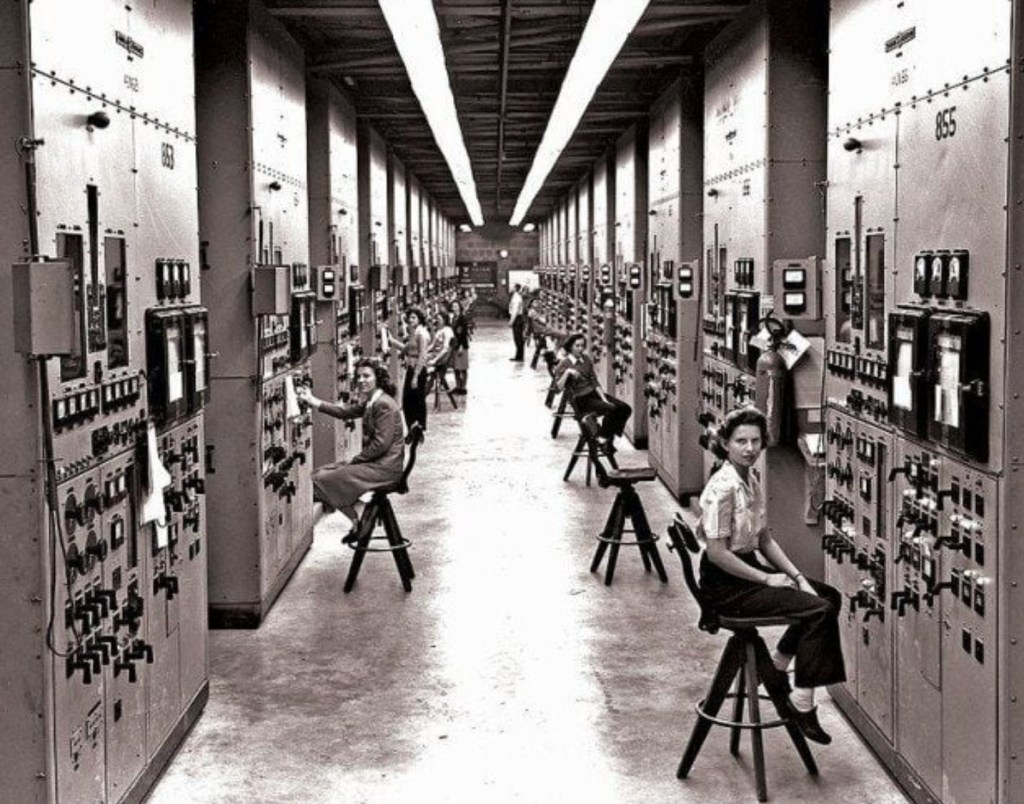
George Koval from Iowa was responsible for monitoring the radiation levels during the project and his job gave him access to top-secret information. After immigrating to Moscow, he was trained as a spy and was sent back to America, where he joined the project. He fed as much information as possible back to Russia, and he helped to move the Soviet’s progress forward at a lightning pace. He died in 2007 and President Putin hailed him a hero.
Did the FBI Kill Dillinger or Not?
When Anna Sage arrived in America in 1909, she ended up working in a brothel in Chicago, going on to set up a few of her own over the years. She was in danger of being deported but found a glimmer of hope when notorious bank robber John Dillinger asked her out on a date. Thinking that this could help her get a green card, she informed the police about her impending date. The police lay in wait on the night of their date and confronted the pair outside the movie theater they had gone to.
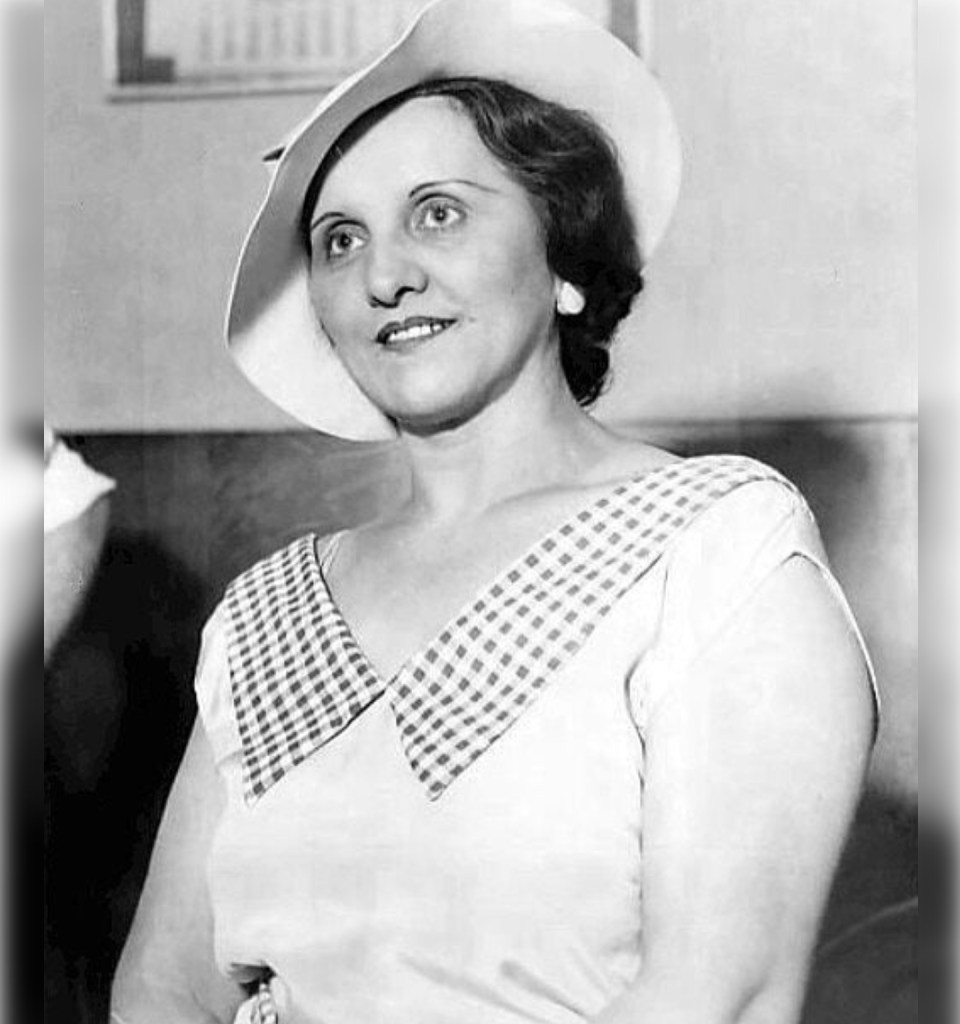
John Dillinger attempted to flee, but he was gunned down and died at the scene. Anna received $5,000 as a reward for her help but she was soon deported back to Romania. But many believe that the slain man wasn’t actually Dillinger, as the eye color was wrong and Dillinger’s front tooth was missing. The dead man had a full set of teeth.
The Well-Paid Double Agent
A 16-year-old Aldrich Ames followed in his father’s footsteps when he was sent to the CIA training facility known as “The Farm”. When he officially joined the CIA, his job was to convince Russians to betray their country and spy on their government. He became a Branch Chief and was given access to top-secret information about the CIA’s work in Russia. But then Ames got greedy.
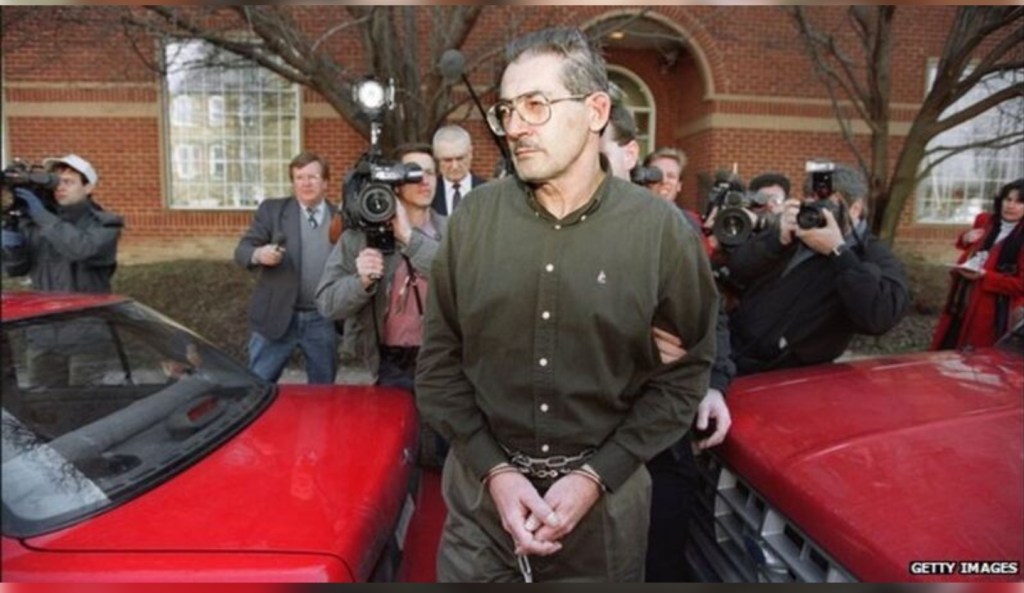
Knowing that the Soviets paid $50,000 for the names of American spies operating in Russia, Ames sold out three of them. Thrilled with the money, and without a thought for the men he’d betrayed, he went on to provide the names of every US spy he knew about, totaling 25. He was finally arrested in 1994 and given a life sentence for his despicable crimes.
One of the First Informants in History
Known only as La Malinche, this relatively unknown Mexican was born in the early 1500s. Her parents sold her into slavery but she was extremely clever and was skilled in languages, including the Aztec and Mayan ones. She went on to help the Spanish conquer the Aztecs in 1521 and is considered by many to be a traitor to her country. But others believed that she helped many Aztecs flee in advance of the Spanish invasion, saving hundreds of lives.
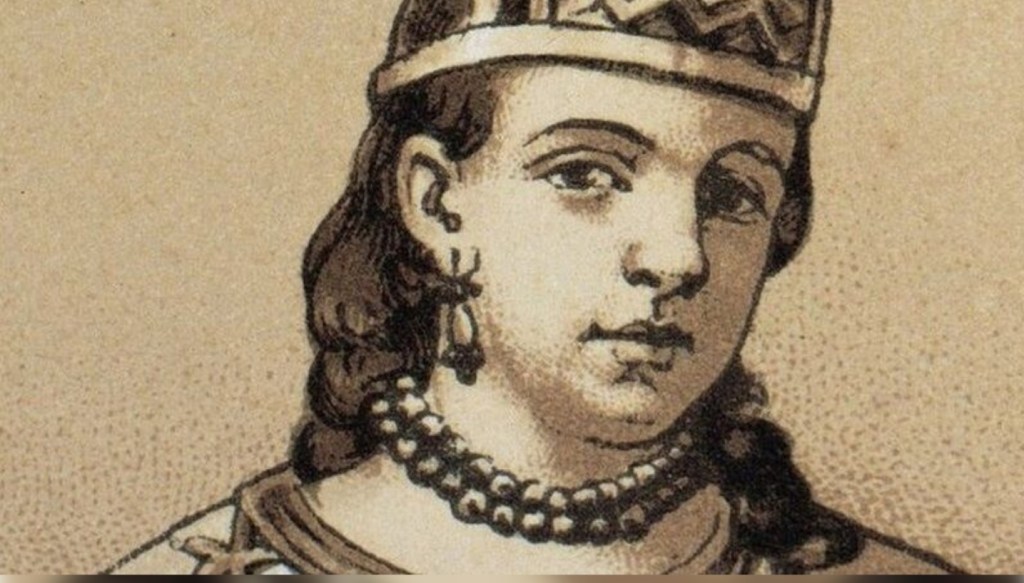
Many women in Mexico believe that modern-day men treat them with disdain because of La Malinche’s actions all those years ago.
The Unrepentant Informant
In 1963, Mordechai Vanunu arrived in Israel from Morocco with his parents and his ten siblings. He joined the army and went on to work at a nuclear research facility. For nine years, he was happy in his job, but he was shocked to find that the plant was actually making nuclear weapons. He felt that it was his duty to let the rest of the world know what was happening. He took photos of the inner workings of the facility and fled the country.
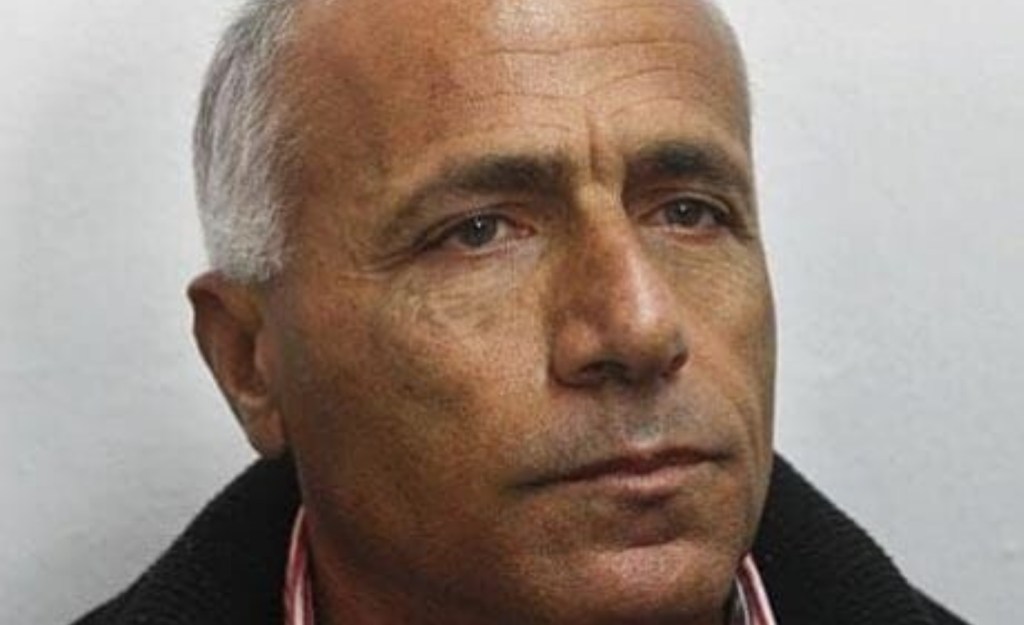
His sensational revelations were published in an English newspaper and he knew his life was now at risk. Mossad agents tracked him down and dragged him back to Israel. He was imprisoned for 18 years, most of which he spent in solitary confinement. He was released in 2004 but is forbidden to ever leave the country.
The Film Director Who Sold Out His Comrades
Elia Kazan was an acclaimed film director, making such classics as East of Eden starring James Dean, and On The Waterfront with Marlon Brando. But his world started to unravel when the US government started hunting down Communists in its country. Kazan loathed the Communist philosophy but didn’t want to betray some of his closest friends and colleagues.

After unrelenting pressure from the government, he provided a list with eight names on it. It ruined their reputations, careers, and lives. He was despised in Hollywood and when he was given an Oscar in 1999, over 500 people protested outside the venue.
Who Was “Deep Throat”?
“Deep Throat” was the alias of the man who brought about President Richard Nixon’s resignation. This notorious informant’s identity was kept a secret for three decades and would have gone with him to his grave if it hadn’t been for his daughter’s plea to reveal himself to the public.
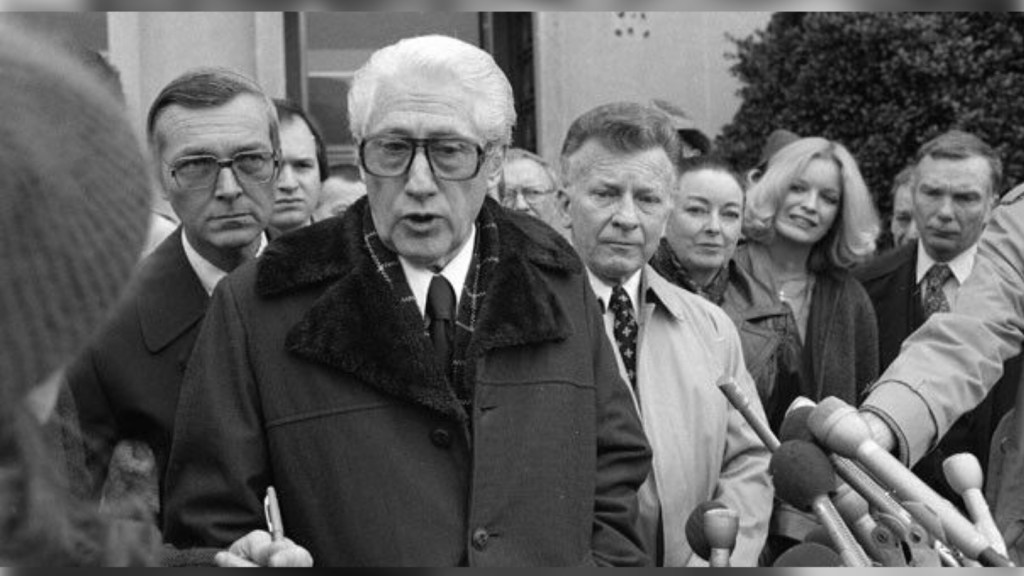
He regularly provided crucial information to Bob Woodward and Carl Bernstein, reporters for the Washington Post newspaper. With his help, the reporters broke the Watergate story, revealing that Nixon had been a part of a break-in at the Democratic Party headquarter. The reporters protected their source despite mounting pressure from the government. Their story was made into the film All The President’s Men, starring Robert Redford and Dustin Hoffman. Finally, in 2005, Mark Felt confirmed that he was the mystery man, and had been the Associate Director of the FBI for many years.
The Informant Who Was Never Imprisoned for His Crimes
Daniel Ellsberg was born in 1931 in Chicago, Illinois. Educated at Harvard University, he went on to work for RAND. The corporation provided research and analysis to the US Armed Forces. In 1971, whilst working for the State Department, Ellsberg leaked a massive collection of documents about America’s decision and plans to go to war with Vietnam to both The New York Times and The Washington Post. The documents became known as the Pentagon Papers.
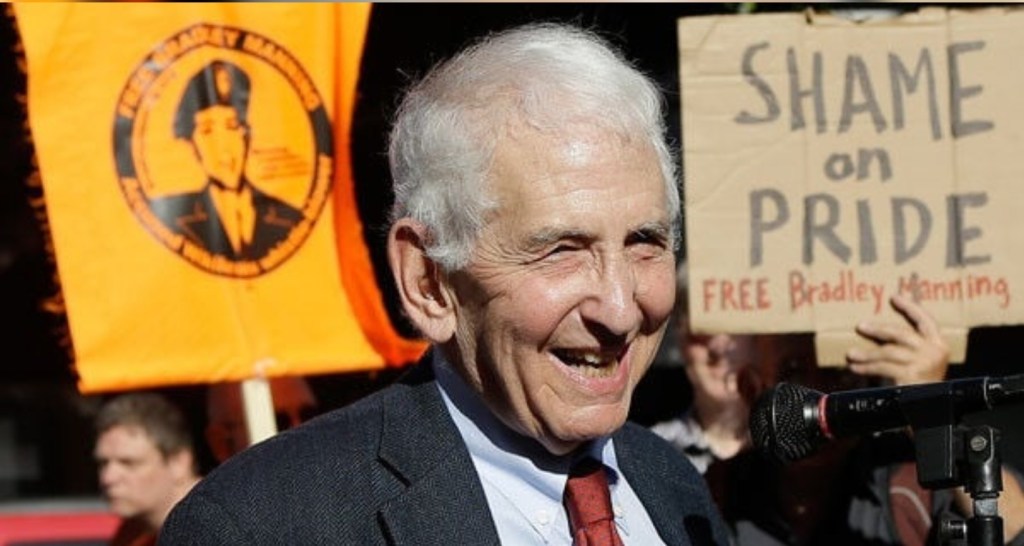
He was charged in 1973 and was facing a sentence of 115 years. But his defense team prevailed, helped along by the government’s illegal evidence-gathering methods. The judge dismissed all charges against Ellsberg. He is a staunch supporter of modern-day informants such as Edward Snowden and Bradley Manning.
The Ultimate Betrayal of Friendship
Linda Tripp worked in the White House during the Clinton administration and formed a close connection with one of the interns, Monica Lewinsky. When Lewinsky began a relationship with Bill Clinton, she turned to her friend for advice and support. Unbeknownst to Monica, Tripp was secretly recording their phone calls.
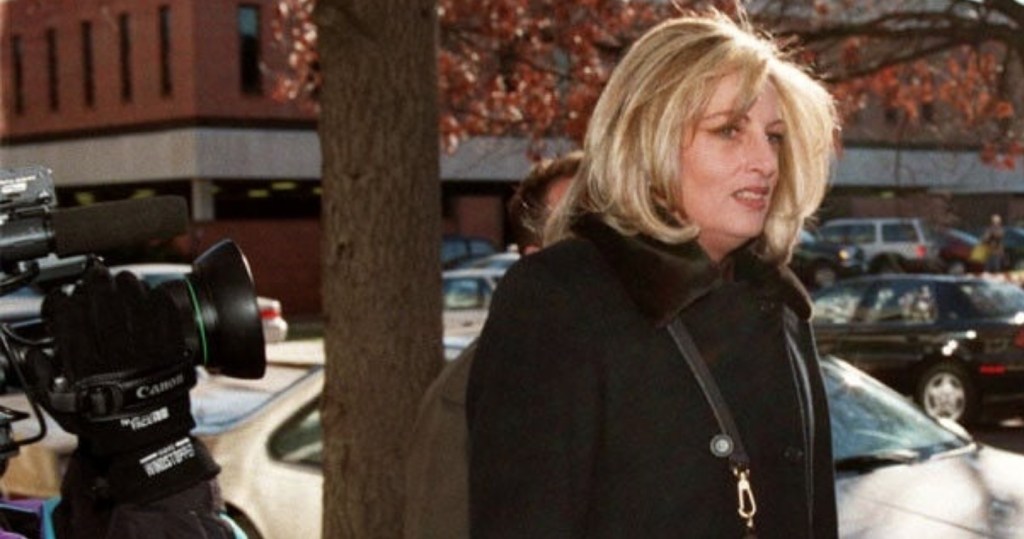
She considered it to be her patriotic duty and felt this to be more important than being a loyal friend. She was fired from the Clinton administration but said that she had only recorded the calls because she knew that Monica had only confided in her. She was fearful that if the relationship ever came to light, she would be the only one the President would target. During Lewinsky’s interrogation about the affair, she concluded her testimony by saying, “I hate Linda Tripp.”
The Honest Cop Whose Life Was Made Into a Film
Frank Serpico was born in Brooklyn and became a New York City police officer. During his time as a cop, he was horrified at the amount of corruption he witnessed. He refused to accept bribes, plant drugs, or tamper with evidence. He decided to become a whistleblower and his damning evidence led to the creation of the Knapp Commission whose role was to investigate police corruption.
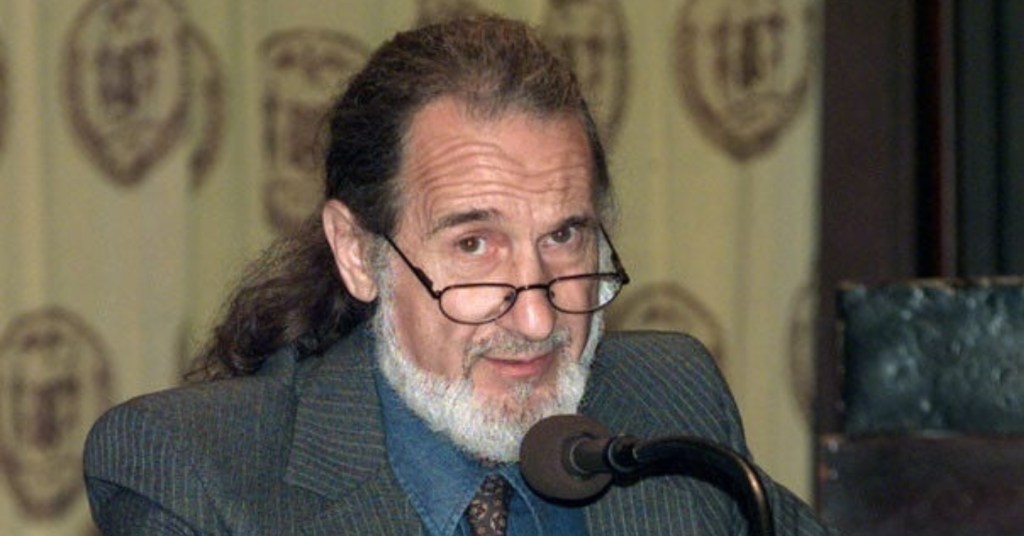
He retired from the force after being shot in the face during a drug raid that went wrong. In 1973, Al Pacino portrayed him in the film Serpico. Pacino was nominated for an Oscar for his role.
The Informant Who Died in Mysterious Circumstances
Born in Texas in 1946, Karen Silkwood worked as a chemical technician and was heavily involved in the labor union. She worked tirelessly to ensure that health and safety practices were followed by corporations so as to protect their workers. While working at the Kerr-McGee plant in Oklahoma, she raised her concerns about the plutonium pellets that the plant was producing, believing the radiation levels to be too high for the staff. The nuclear facility was adamant that they were adequately protecting their workforce.
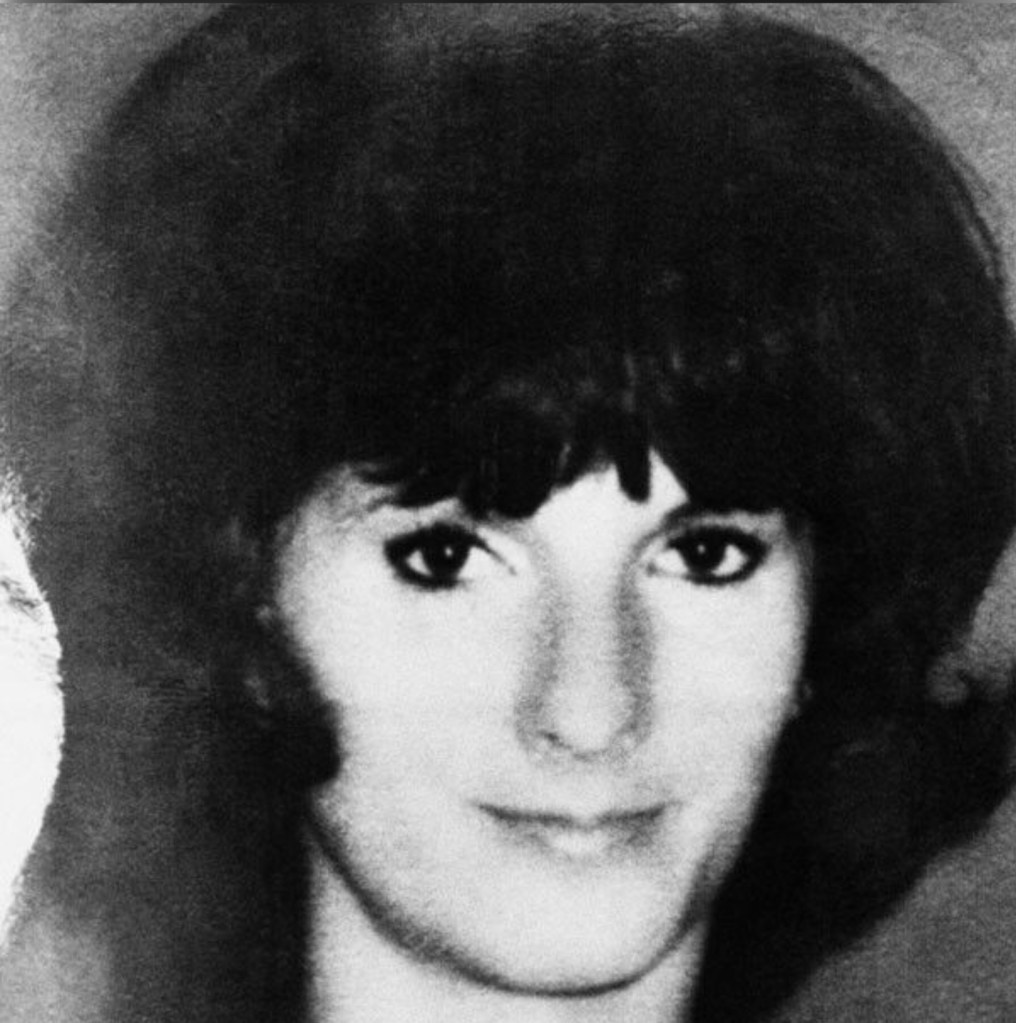
But tests showed that Silkwood has plutonium in her home and on her body. On her way to meet with a The New York Times journalist, she was involved in a car crash and died, at the age of 28. Her family sued the company and they settled out of court for over $1 million. Her life was turned into a film, with Meryl Streep playing the role of Karen Silkwood.
The Man Who Informed and Embezzled at the Same Time
Mark Whitacre’s life seemed perfect. He worked as a business executive for Archer Daniels Midland, a company that produced high volumes of cereal and animal feed. Over time, Whitacre believed that the company was guilty of price-fixing and went to the FBI with his concerns. He spent three years as an informant, gathering as much information as possible about the company’s trading practices. But he was squeaky clean by any means.
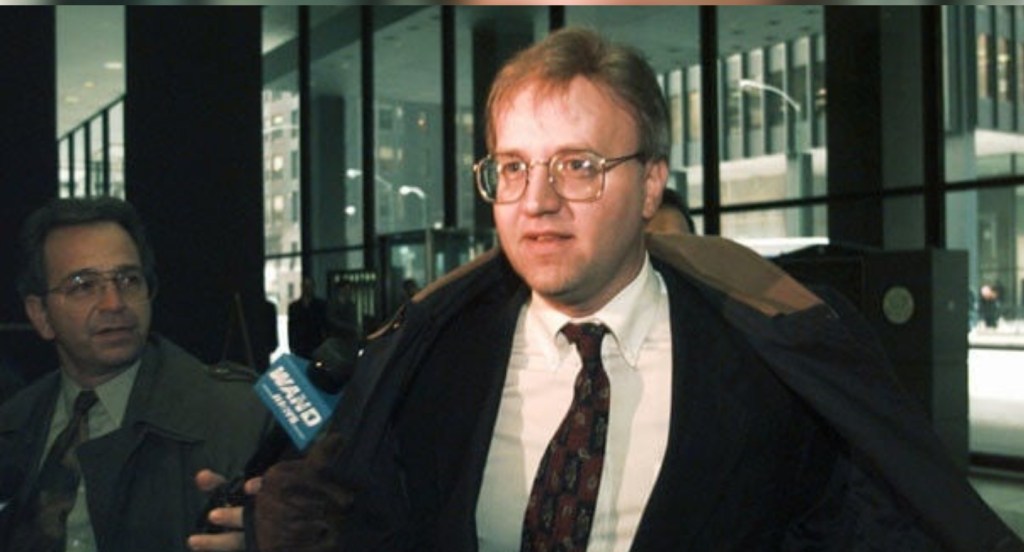
Unbeknownst to Whitacre, his company was investigating him for embezzlement, and it transpired that he’d stolen nearly $10 million from them, at the same time as he was whistleblowing to the FBI. He was sentenced to eight years in prison and was released in 2006.
Russell Crowe Played This Informant in a Movie
Jeffrey Wigand gained a Master’s degree in biochemistry, going on to working for a tobacco company called Brown & Williamson. In 1996, he turned whistleblower after discovering that the company had intentionally added harmful chemicals to the tobacco to increase the effect of the nicotine. He appeared on 60 Minutes to reveal the truth.
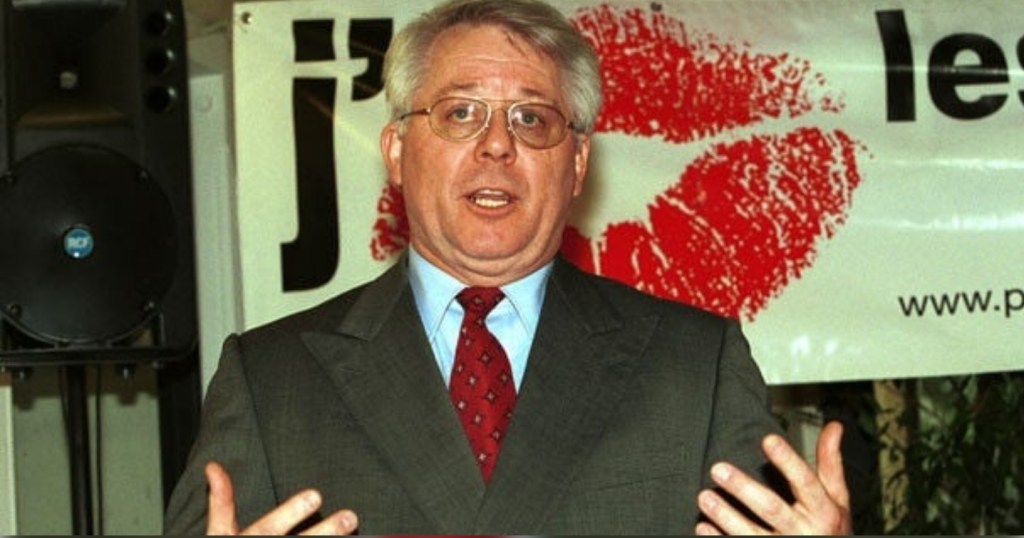
He was subsequently targeted by the big tobacco companies who tried to discredit him. He also received many death threats. He refused to be intimidated and stood by his claims. He works with governments around the world on their tobacco policies and his life was made into a film entitled The Insider, with Russell Crowe portraying him.
The FBI Agent Who Criticized Her Own Agency
Coleen Rowley joined the FBI in 1981, working in Nebraska, Mississippi, and New York over the next nine years. She spent six of those years investigating organized crime and drug trafficking. In 1990 she was transferred to Minneapolis where she became Chief Division Counsel. It was here that she witnessed failures in the FBI’s handling of the 9/11 attacks.
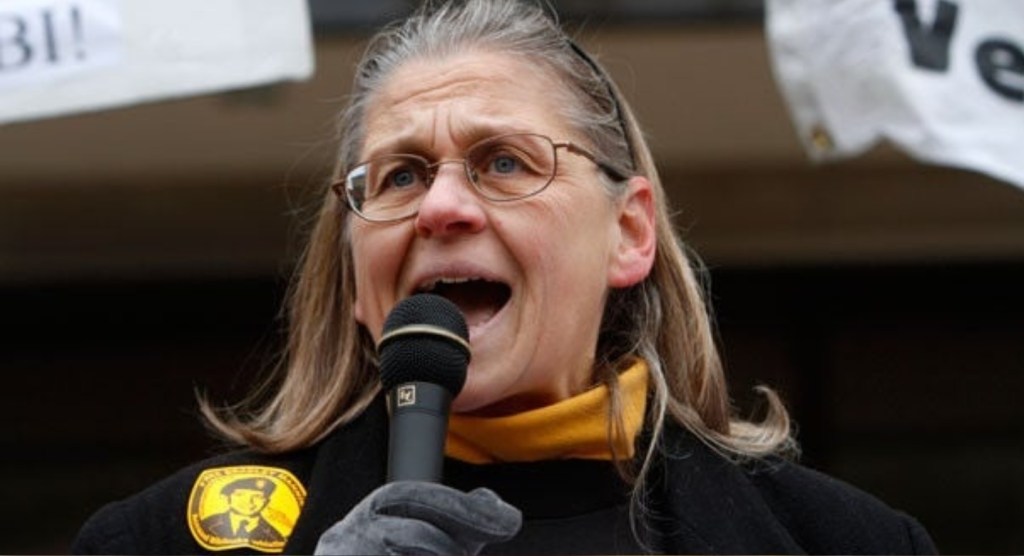
Rowley believed that the FBI had extensive knowledge of a possible attack, based on a similar case in 1994, but the lack of information-sharing and disorganization meant that it wasn’t given the importance it required. After 9/11, she testified to the Senate and the 9/11 Commission. Her evidence led to a massive structural change within the FBI. She retired in 2004 having served for 24 years.
The Enron Informant
Sherron Watkins started working for energy giant Enron in 1993, raising through the rank to become Vice President of Corporate Development. The company employed nearly 30,000 people and declared billions of dollars of revenue each year. But their success was due to staggering fraud and deception.

In 2001, Watkins went to Enron’s CEO, Kenneth Lay, to report on the accounting irregularities, but it took another five months before the truth was exposed. By the end of that year, Enron had filed for bankruptcy. She was named as one of Time magazine’s People of the Year in 2002. She now spends her time giving speeches, and in 2004 she released a book about the Enron scandal.
The Soldier Who Leaked Thousands of Classified Documents
Bradley Manning was an Army soldier from 2007 until 2010. His decision to leak 750,000 pages of highly sensitive military documents to Wikileaks saw him court-martialed and charged with violating the Espionage Act, along with 21 other charges. He’d worked as an intelligence analyst in Iraq in 2009, which is where he had access to the classified databases. Wikileaks published the leaked documents in 2010 and 2011.
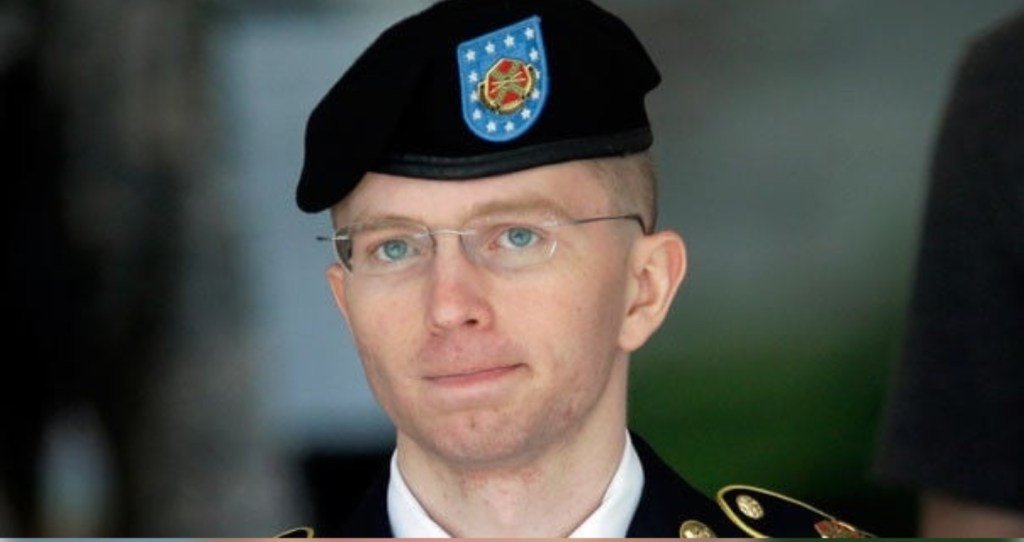
Manning was imprisoned for seven years, during which time he expressed his desire to have hormone replacement therapy and is now known as Chelsea. She was jailed and fined in 2019 for refusing to testify in the Julian Assange trial. She now spends her time as a public speaker.
 OBLONG MEDIA GLOBAL INTELLIGENCE
Leave a comment