
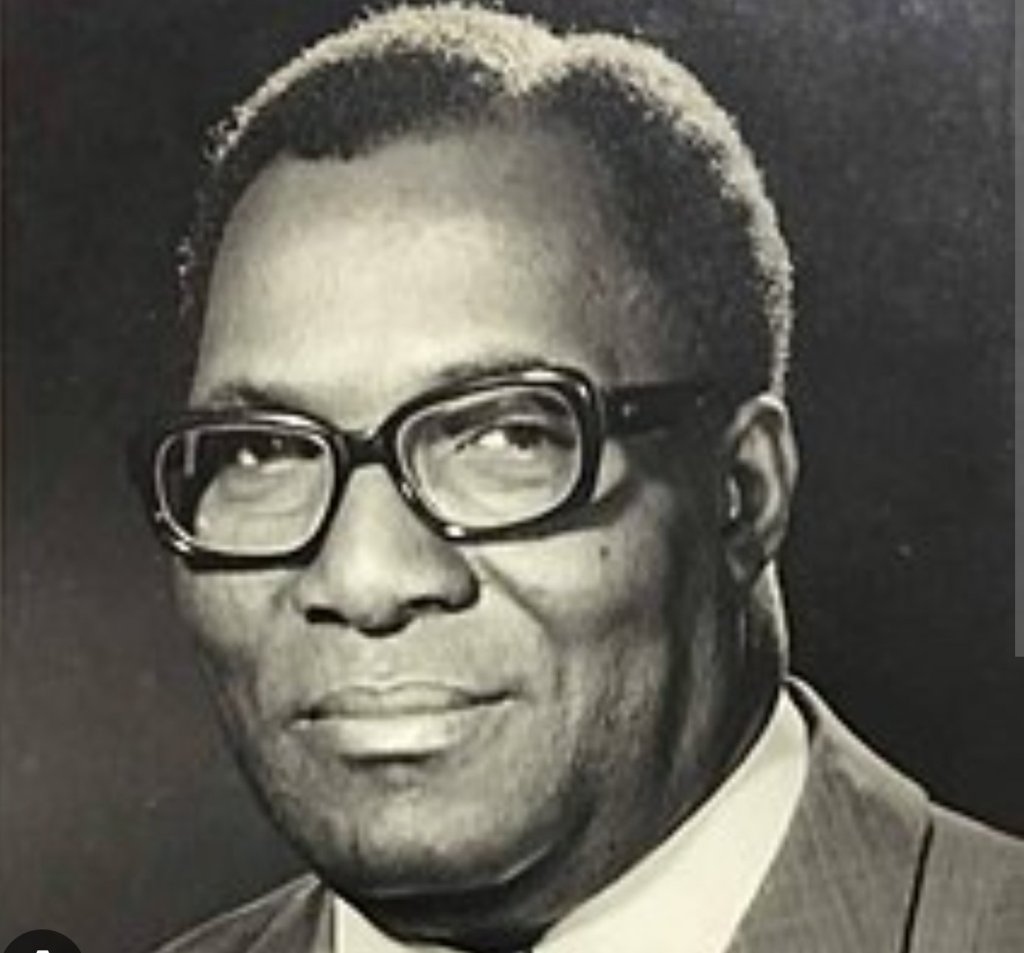
In the annals of Ghana’s judiciary, Samuel Azu Crabbe’s name resonates profoundly. As Chief Justice of Ghana from 1973 to 1977, he stood resolute, unwavering in the face of potential intimidation by Jerry Rawlings and Kojo Tsikata, steadfastly delivering justice even amid tumultuous times.
Azu Crabbe, whose name finds its roots in Igbo, signifying “back” or “fish,” chaired the Special Investigation Board (SIB) tasked with unraveling the tragic murder of three distinguished Ghanaian judges—Cecilia Koranteng-Addow, Frederick Poku Sarkodee, Kwadjo Agyei Agyepong—and retired Army major, Sam Acquah. These eminent figures, targeted and ruthlessly slain on June 30, 1982, had previously issued rulings that challenged Rawlings’ authority during his initial governance.
Rawlings’ ascendancy in 1979 marked a tumultuous era, characterized by the execution of former Heads of State and military leaders, including Generals Okatakye Afrifa, Kutu Acheampong, and Fred Akuffo, as well as Service Chiefs Joy Amedume and Ebenezer Kotei. His return in 1981, after ousting President Hila Liman, heralded another wave of terror under the Provisional National Defence Council (PNDC), targeting perceived dissenters.
Within this turbulent atmosphere, figures like Tsikata, a Sandhurst-trained retired Army Captain, Amartey Quaye from the Workers Union, and Sgt. Aloga Akata Pore, representing the Non-Commissioned Officers, fell under scrutiny for their potential involvement in extrajudicial killings that marred the nation.
Azu’s unwavering commitment to justice shone through as the SIB indicted these individuals, recommending their trial. His resolve remained unshaken despite threats to his life, power disruptions, and intimidation tactics, exemplified by engaging Tsikata in a public verbal confrontation.
The subsequent legal proceedings saw convictions and executions, yet Rawlings, through coercive means, managed to escape accountability. While Tsikata survived the trial, public disdain lingered, echoing his past encounters with death sentences in Ghana and Conakry.
Beyond the borders of Ghana, the narrative expands to touch upon the interconnectedness between Ghanaian and Nigerian legal luminaries. The tale echoes the legacy of Augustus Molade Akiwumi, a Lagosian whose excellence earned him the distinction of being Ghana’s second Speaker of Parliament in 1958 and later a Supreme Court Justice.
Obasi’s tapestry of stories further weaves the experiences of Justice Mohammed Muntaka Coomassie and celebrates the strides made by female Justices in Ghana’s Supreme Court, drawing stark contrasts with their Nigerian counterparts.
The narrative concludes with a compelling call to protect the sanctity of law, remembering the Ghanaian judges as martyrs and warning against a similar fate in Nigeria. It encourages a bilateral exchange between Ghana and Nigeria, fostering mutual learning and collaboration.
In its entirety, this intricately woven tale encapsulates historical events, judicial figures, and cross-country connections, offering profound insights into the complex tapestry of legal history.
By Emeka Obasi
Saturday Vanguard.
 OBLONG MEDIA GLOBAL INTELLIGENCE
Leave a comment