

The history of the Igbo people can be traced back thousands of years, but much of it relies on oral tradition. Archaeological evidence suggests their presence in the region dating back to at least 2500 BCE. The transatlantic slave trade, colonialism, and post-colonial Nigeria have also significantly shaped their history.
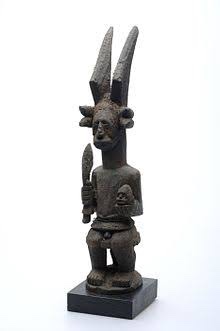
The history of the Igbo people is intricate and multifaceted. Their origins are believed to trace back to the Nri Kingdom, which is considered one of the oldest kingdoms in Nigeria. This kingdom was known for its political and religious influence among the Igbo people and neighboring regions.
The Igbo society was traditionally organized into village communities, each with its own governance system. They had a decentralized political structure with councils of elders and leaders known as “Ofo” or “Nze,” who played crucial roles in decision-making.

Oral tradition is a vital aspect of Igbo history, passing down stories, myths, and cultural practices from generation to generation. These narratives often recount the migration patterns, the founding of settlements, and the development of their cultural beliefs and practices.
The Igbo encountered European explorers in the 15th century, and by the 18th century, they were heavily involved in the Atlantic slave trade. This period significantly impacted Igbo society and led to the forced migration of many Igbo people to the Americas, particularly to regions such as the Caribbean and parts of North and South America.
During the colonial period, Nigeria was colonized by the British, leading to the amalgamation of various ethnic groups into one entity, which later became Nigeria. The imposition of colonial rule disrupted traditional Igbo governance systems and brought about significant socio-political changes.
Despite these historical challenges, the Igbo have managed to preserve their cultural heritage, language, and traditions. They have also made substantial contributions to Nigeria’s socio-economic and political landscape, particularly in areas like commerce, education, and governance.
The Igbo people have a rich cultural heritage that includes various artistic expressions, such as traditional music, dance, masquerades, and storytelling. Their masquerades, in particular, are elaborate performances that often convey social, religious, or historical messages and are central to Igbo festivals and ceremonies.

Igbo society traditionally places a strong emphasis on education and learning. Even before formal Western education was introduced, they had indigenous systems of education that emphasized moral values, apprenticeships, and passing down knowledge through oral tradition.
The Igbo language, comprised of numerous dialects, serves as a unifying factor among the people, contributing significantly to their identity. While English is the official language in Nigeria, efforts to preserve and promote the Igbo language continue through education and cultural initiatives.
In contemporary times, the Igbo have been active participants in Nigeria’s political landscape. They’ve had notable figures in politics, business, academia, and the arts, contributing to the country’s development. However, tensions and conflicts have arisen due to historical grievances, including issues related to political representation and resource allocation.
Additionally, Igbo society has a strong entrepreneurial spirit, with many Igbo individuals involved in trading, commerce, and various businesses both within Nigeria and internationally. This commercial acumen has led to the Igbo being recognized as one of the most economically dynamic ethnic groups in Nigeria.
Their resilience, cultural pride, and contributions to various spheres of life make the history and legacy of the Igbo people deeply significant within Nigeria and beyond.
Chimazuru Nnadi-Oforgu
“Duruebube Uzii na Abosi”

Please share widely to our young and upcoming generations as a quick read knowledge base to inspire confidence and consciousness.
 OBLONG MEDIA GLOBAL INTELLIGENCE
Leave a comment