
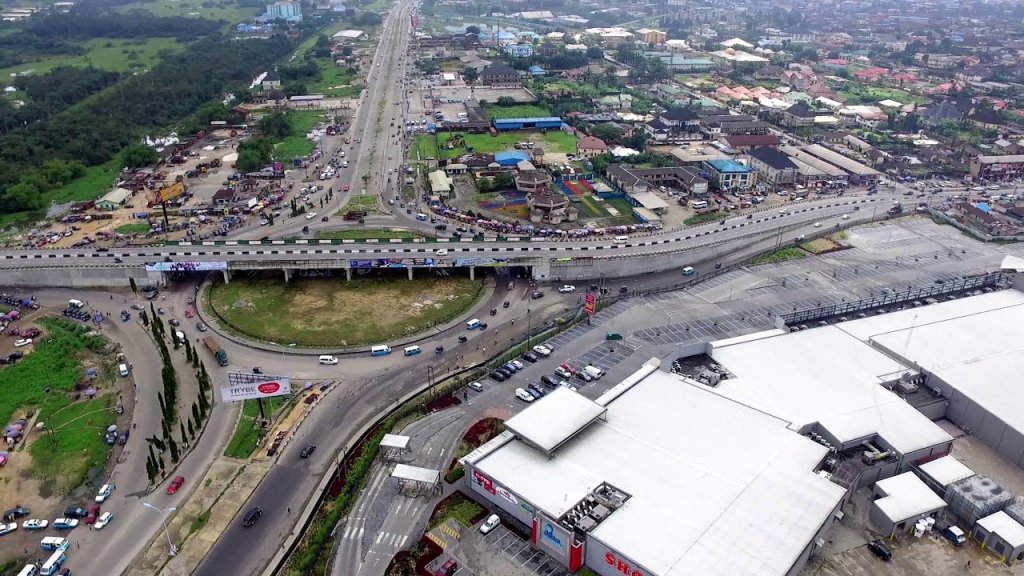
The rise and fall of Warri, once a thriving industrial hub, stands as a poignant testament to the catastrophic consequences of internal discord on a city’s prosperity. In its heyday spanning from the 1970s to the 1990s, Warri boasted a bustling landscape of industrial giants like the Warri Refinery, NNPC, DSC, Delta Glass, Shell, Chevron, Schlumberger, Dunlop, Agip, Saipem, Halliburton, while Escravos and Forcados were operating at their zenith. The city exuded a vibrant atmosphere, teeming with economic activities that fueled its growth and allure.
Multinational and local banks dotted the cityscape, catering to a flourishing business ecosystem. Warri’s port buzzed with ceaseless economic transactions, serving as a cornerstone of commercial exchange. Its nightlife resonated with music, live bands, and the comedic genius of luminaries like Fela, Don Baker, Majek Fashek, and others, fostering an ebullient cultural scene. The city thrived on its identity, drawing in individuals from diverse backgrounds who sought economic opportunities and a unique lifestyle, thereby contributing to its burgeoning population.
However, the city’s downfall commenced in the late 1990s when internal strife between community leaders and youth factions erupted. What ensued was a tragic saga of clashes among Itsekiri, Urhobo, and Ijaw leaders, fueled by disputes over control and the distribution of oil-derived royalties. This internal conflict precipitated a series of events leading to the imposition of “Deve,” local taxes levied on businesses and projects, driving away companies and industries gradually.
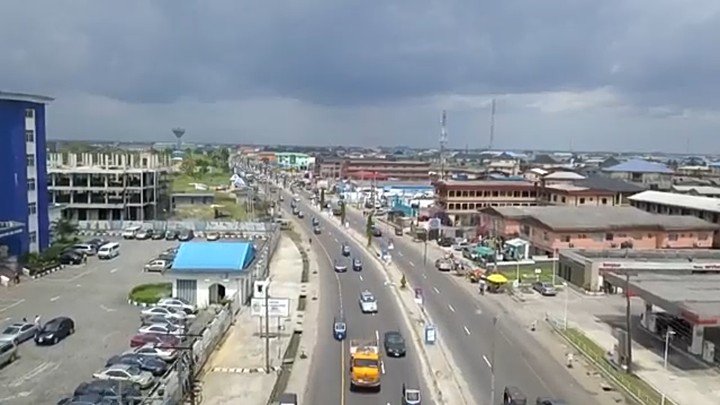
As strife persisted, companies fled Warri en masse, triggering a cascading effect of layoffs and escalating unemployment rates. The exodus of businesses dealt a severe blow to the city’s economic foundation. What was once a bustling hub became a hollow semblance of its former glory, with 95% of major companies shuttered or relocated, and the departure of a significant portion of its youthful population.
The aftermath of internal discord left Warri economically desolate, with remaining inhabitants relegated to menial jobs or struggling entrepreneurial ventures. Despite the prevailing peace, the scars of divisive leadership and shortsighted decisions linger, casting a shadow over any attempts at redemption.
The narrative of Warri underscores a vital lesson for every Nigerian city and beyond. The tale serves as a stark reminder that prosperity hinges on harmony and peace within communities. It illustrates how the myopic actions of a few can dismantle the economic fabric of a city, leading to irreversible consequences.
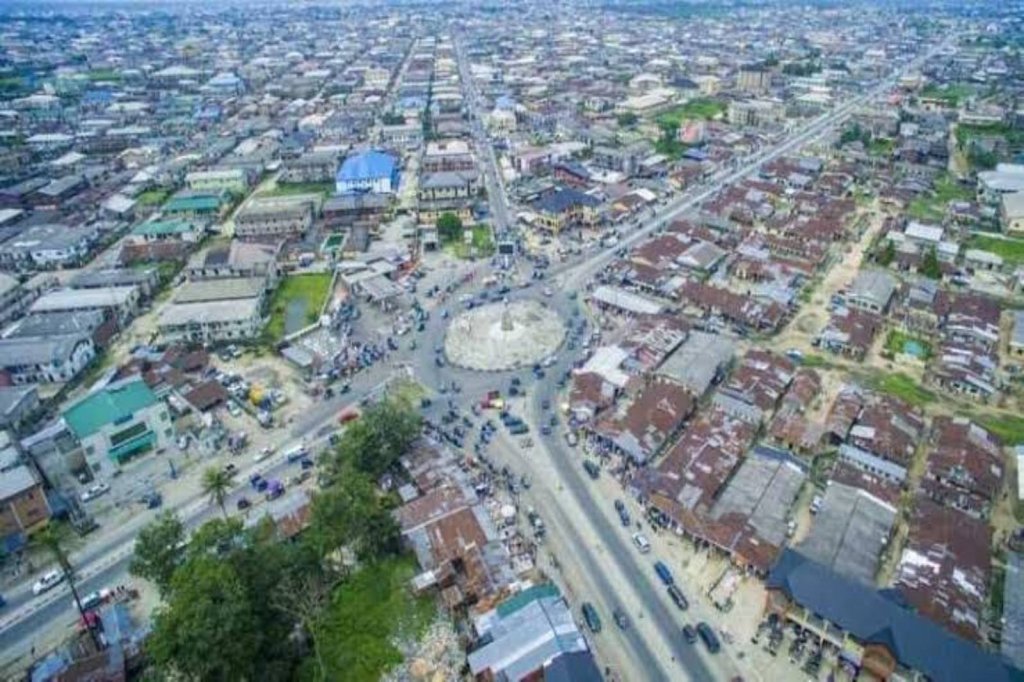
The importance of safeguarding against internal strife and embracing peace cannot be overstated. For economic growth and sustainable development, fostering an environment conducive to investment and business prosperity is imperative. Leaders must prioritize collaboration, inclusivity, and conflict resolution mechanisms to avert the fate that befell Warri.
Moreover, the cautionary tale of Warri resonates globally, reminding nations and cities worldwide that peace is an indispensable catalyst for attracting investments and fostering economic stability. Nations with stable political climates and peaceful coexistence consistently allure businesses and investors, ensuring sustained growth and prosperity.
The situation also highlights the necessity of balanced governance, cautioning against overbearing enforcement that might inadvertently impede citizens’ economic endeavors. Policies should be crafted with consideration and flexibility, allowing avenues for regularization of developments and minimizing the destruction of citizens’ wealth.
In essence, the fall of Warri stands as a testament to the fragile nature of economic prosperity in the face of internal discord. It is a clarion call for every city and nation to heed the warnings, foster peace, and safeguard their economies against the perilous consequences of internal strife.
Duruebube
 OBLONG MEDIA GLOBAL INTELLIGENCE
Leave a comment