
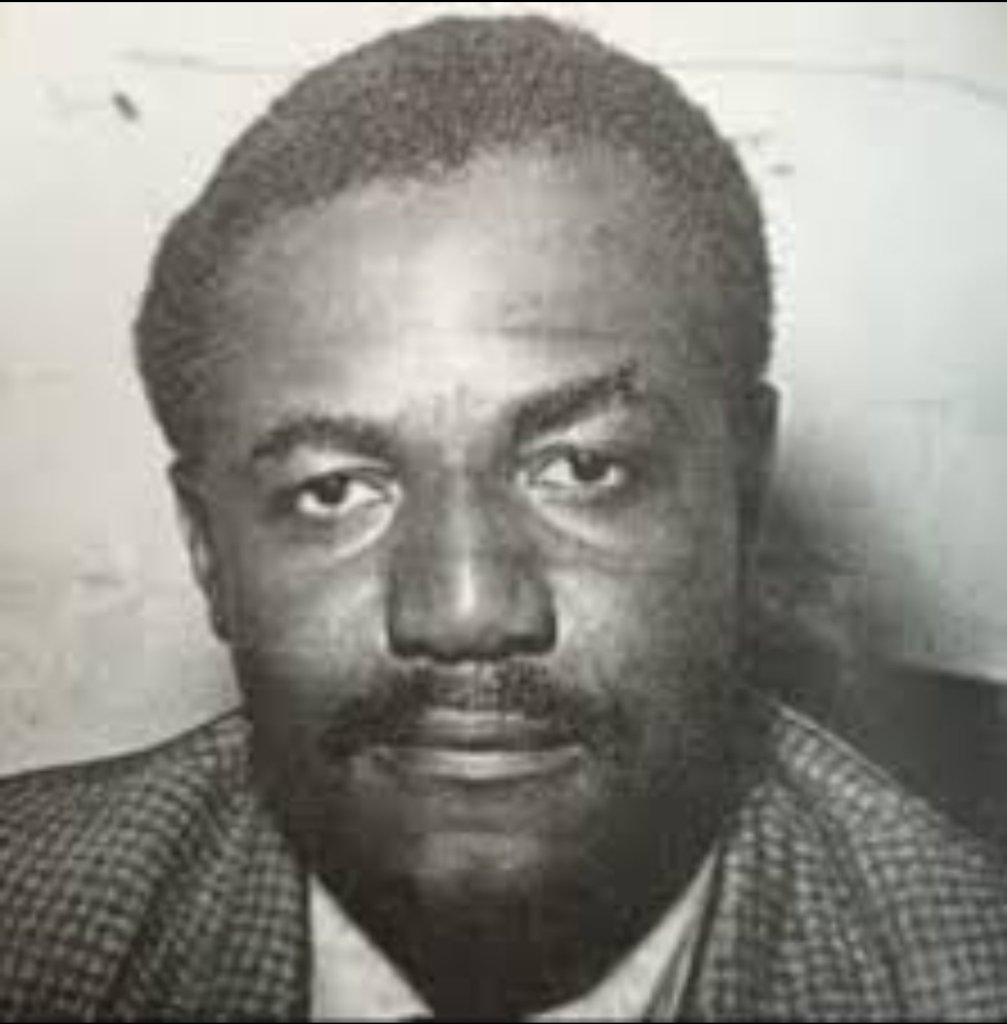
The captivating saga of Candido da Rocha, the Billionaire Merchant of Kakawa, unfolds 188 years ago in the bustling heart of Lagos, Nigeria.
Born as Esan in 1830, he hailed from the vibrant town of Ilesha. His childhood was etched with aspirations for education, leading him to travel 200 miles to Lagos. However, his fate took a dramatic turn during a tumultuous war when, on his way home from school, he was abducted by Ijebu traders. Spirited away from his homeland, young Esan was thrust into a life of slavery in Brazil, where he assumed the name Joao Esan da Rocha and eventually raised a family.
It was in Brazil that Candido da Rocha Jr. was born on October 3, 1866. In an emancipation movement, freed slaves journeyed 13 months from Brazil to Lagos, seeking refuge. Led by Joao Esan Da Rocha, the family approached Queen Victoria’s representative, securing an area on Kakawa Street for resettlement. This enclave, home to other Brazilian returnees, was dubbed ‘Popo Àgùdà,’ igniting a renaissance in Lagosian architecture with its distinct stucco facades and vibrant hues.
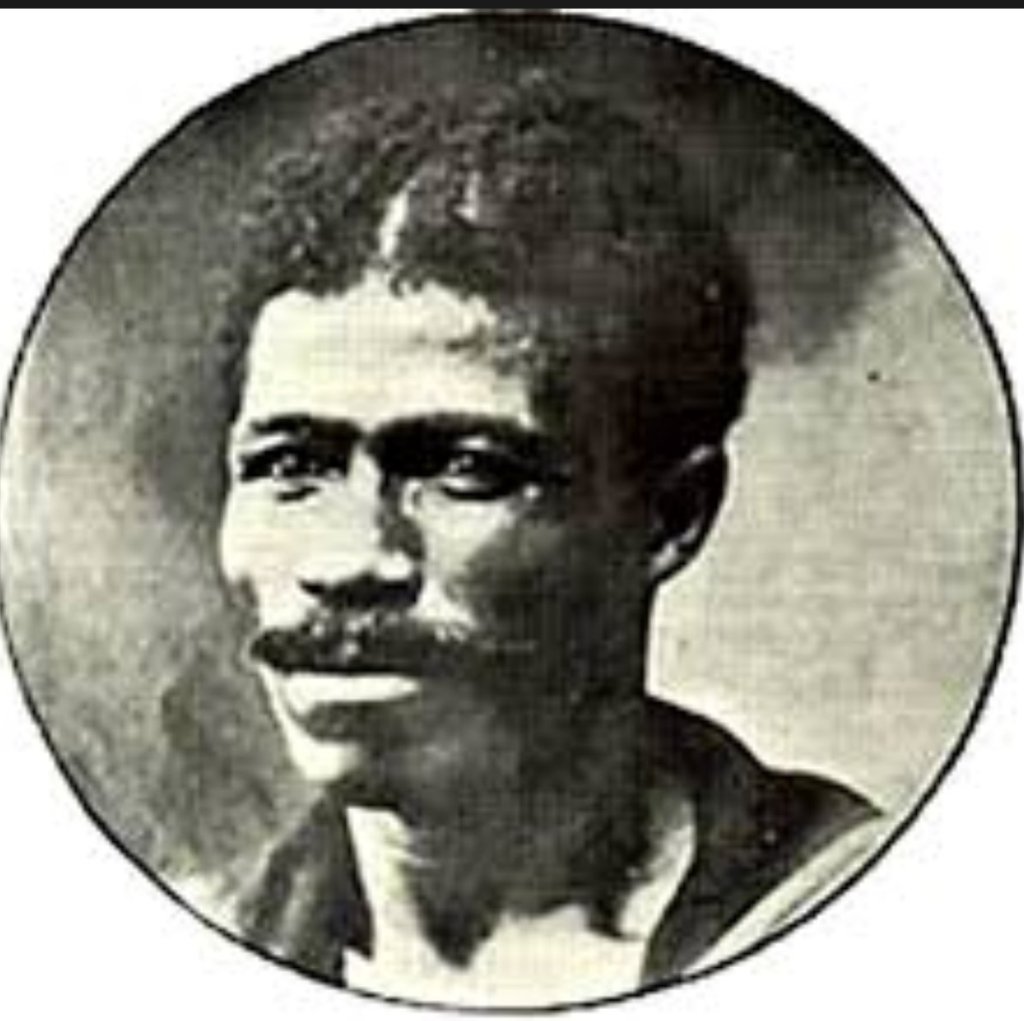
Among the returnees, Candido, only seven upon arrival, spoke Portuguese and his father’s Ijesha dialect. His thirst for education led him to Saint Xavier Catholic Primary School and later to CMS Grammar School in Bariga, Lagos. Amongst notable classmates like Isaac Oluwole and Herbert Macaulay, Candido emerged as the school’s Head Boy.
Despite societal expectations, Candido harbored aspirations beyond the norm. Rejecting the colonial clerkship’s allure, he interned at a German trading company, honing his skills in import-export dynamics. Tragically, he lost his parents at a young age, inheriting his father’s small enterprises, nurturing a dream of transforming them into a colossal empire.
Fortune met preparedness one fateful day in 1894 when a gold prospector approached Candido with bars of gold. Seizing the opportunity, he procured a loan from the Bank of West Africa, reaping a staggering 200 percent profit by retailing the gold dust—a move that propelled him into the echelons of wealth, heralding him as modern Africa’s first billionaire.
Undeterred by success, Candido embarked on transformative ventures. Enhancing his father’s Water House, he installed an advanced borehole, revolutionizing Lagos’ water supply. This venture, eventually acquired by the government as Lagos Water Corporation, birthed his unrivaled wealth stream.
Candido expanded his trade, establishing a multifaceted enterprise dealing in merchandise, agriculture, and fishing. Ventures like Deep Sea Fishing Industries Ltd. and agricultural exports burgeoned his fortune, further investing in prime real estate across Lagos, including Tinubu Square and Broad Street.
Not content with his achievements, Candido ventured into finance, co-founding Lagos Native Bank, later founding Lagos Finance Company. He left an indelible mark in diverse fields, becoming a member of Lagos Race Club, owning champion horses, and importing Lagos’ first car.
His legacy extended beyond wealth accumulation, displaying a philanthropic spirit as a founding member of Anti Slavery and Aborigines Right Society. When Candido da Rocha passed in 1959, he left behind a legacy that surpassed boundaries, shaping Nigeria’s economic landscape.
Candido’s strategic acumen in niche markets, monopolistic ventures, and astute land acquisition remains a testament to entrepreneurial mastery. A symbol of resilience and triumph, he signifies the power of controlling factors of production—an incredible feat for someone born into slavery.
“Da Rocha was so rich he sent his dirty clothes to Britain for laundry” — Granddaughter Angelica Oyediran
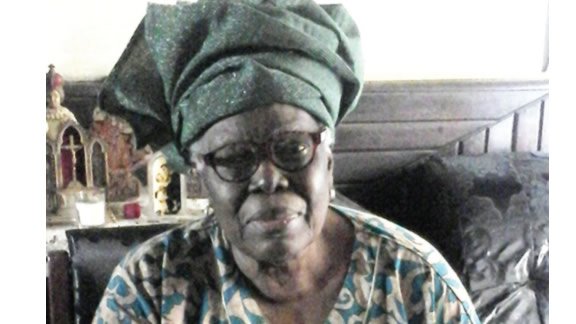
Nearly two centuries later, the name ‘Da Rocha’ reverberates as a household proverb, exemplifying prudence in expenditure. His remarkable tale has been immortalized in literature, notably captured in Antonio Olinto’s novel, ‘The Water House.’
The extraordinary life of Candido da Rocha stands as a beacon of inspiration, testament to the undying spirit of entrepreneurship and the boundless possibilities of the human endeavor.
 OBLONG MEDIA GLOBAL INTELLIGENCE
Leave a comment