
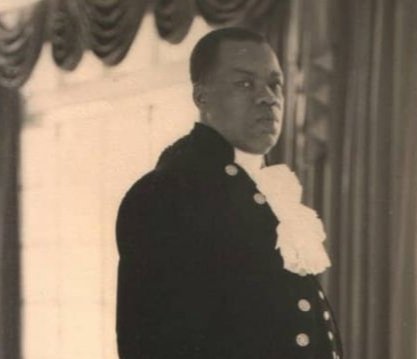
Sir Louis Odumegwu Ojukwu, born in 1909 in Nnewi, Anambra State, Nigeria, carved an extraordinary legacy as a titan of business and transportation, becoming one of the wealthiest individuals in Nigeria. His educational journey began at the Government Primary School in Asaba, and he later pursued further studies at the Hope Waddell Training Institute in Calabar.
Starting his career in the Colonial Agriculture Department, Ojukwu transitioned to working as a tire clerk at John Holt. However, his ambitions led him to break away and venture into entrepreneurial endeavors. He established his textile business, pioneering the stockfish import business—making him the first in Nigeria to do so.
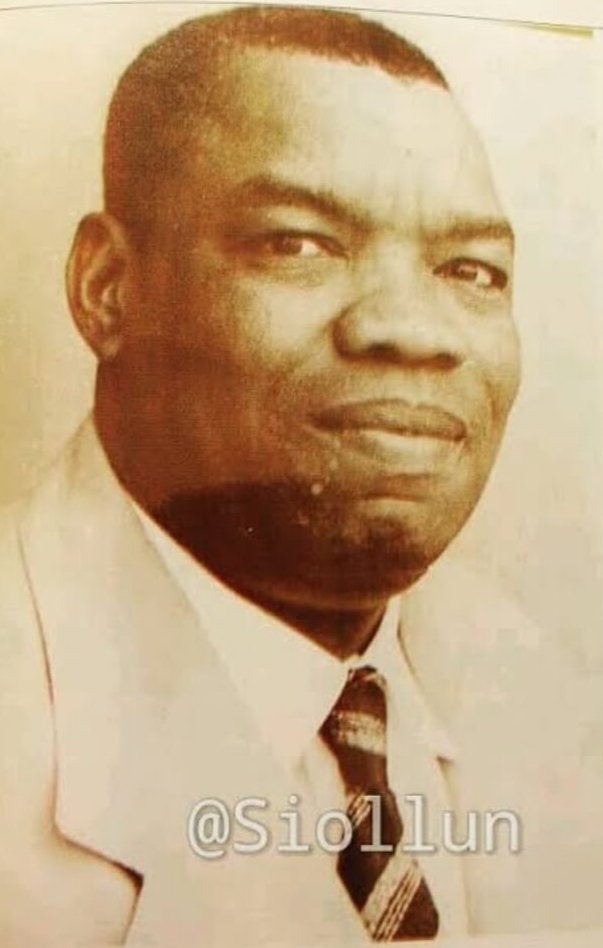
Ojukwu’s entrepreneurial spirit flourished, leading him to diversify into transportation, eventually amassing the largest fleet of ‘mammy-wagons’ in Nigeria. These wagons earned their name due to their immense popularity among market women. By embracing multiple industries, Ojukwu’s wealth soared to unprecedented heights, estimated today to be approximately $40 billion—surpassing the combined wealth of renowned figures like Dangote, Adenuga and Otedola.
What’s truly remarkable is the rapid trajectory of Ojukwu’s success. Arriving in Lagos with minimal resources in 1929 at the age of 20, within a decade by the age of 30, he was managing his chain of flourishing businesses, including Ojukwu Stores, Ojukwu Textiles, and Ojukwu Transportation Company.
His entrepreneurial instincts were evident early on when, working as a tire sales clerk, he noticed the demand for textiles among Igbo traders in Lagos. Leveraging this observation, Ojukwu established ‘Ojukwu Stores’ in Onitsha while simultaneously managing deliveries from Lagos. This astute business move catapulted his textile enterprise to remarkable success.
In the 1930s, Ojukwu acquired his first truck, marking the inception of the ‘Ojukwu Transport Company.’ His unwavering dedication and tireless efforts quickly positioned him as a key transporter along the East-West Road. During World War II, the British government requisitioned Ojukwu’s fleet for war efforts, acknowledging his crucial contribution by later awarding him a Knight of the British Empire (KBE).
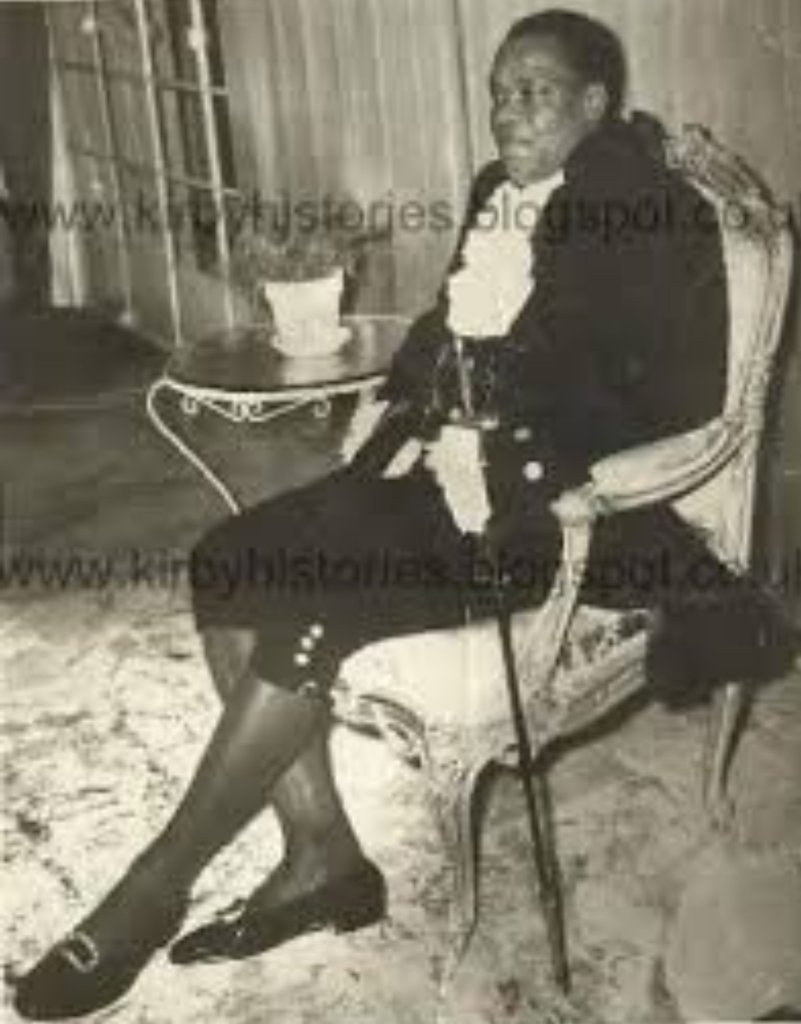
The post-war era witnessed exponential growth in Ojukwu’s transport business as he expanded into diverse industries, leaving an indelible mark on the economic landscape. His influence extended beyond his own endeavors—mentoring early drivers such as Chief Ilodibe (founder of Ekene Dili Chukwu) and Chief Izuchukwu (founder of Izuchukwu Transport) who went on to become transport moguls themselves.
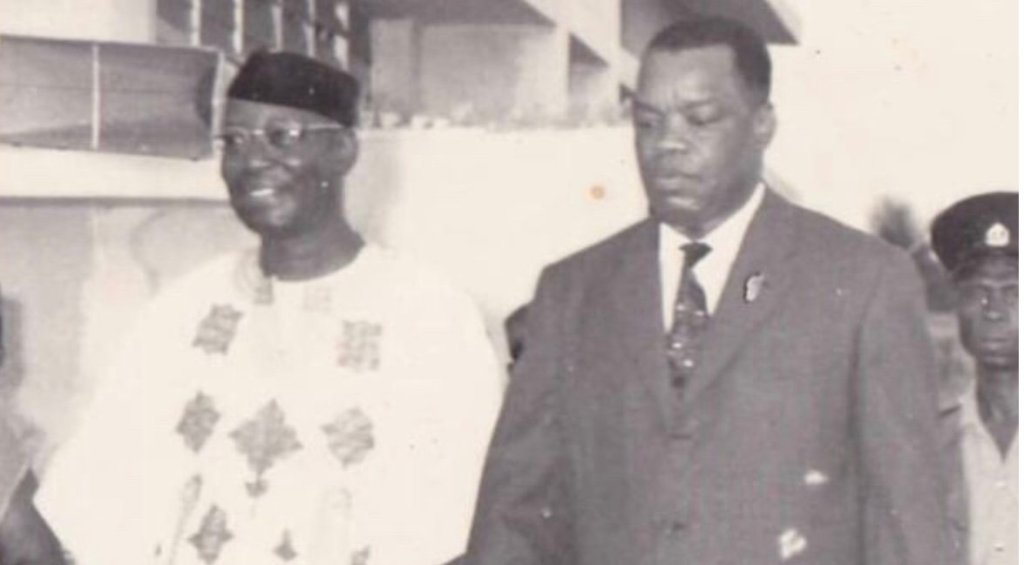
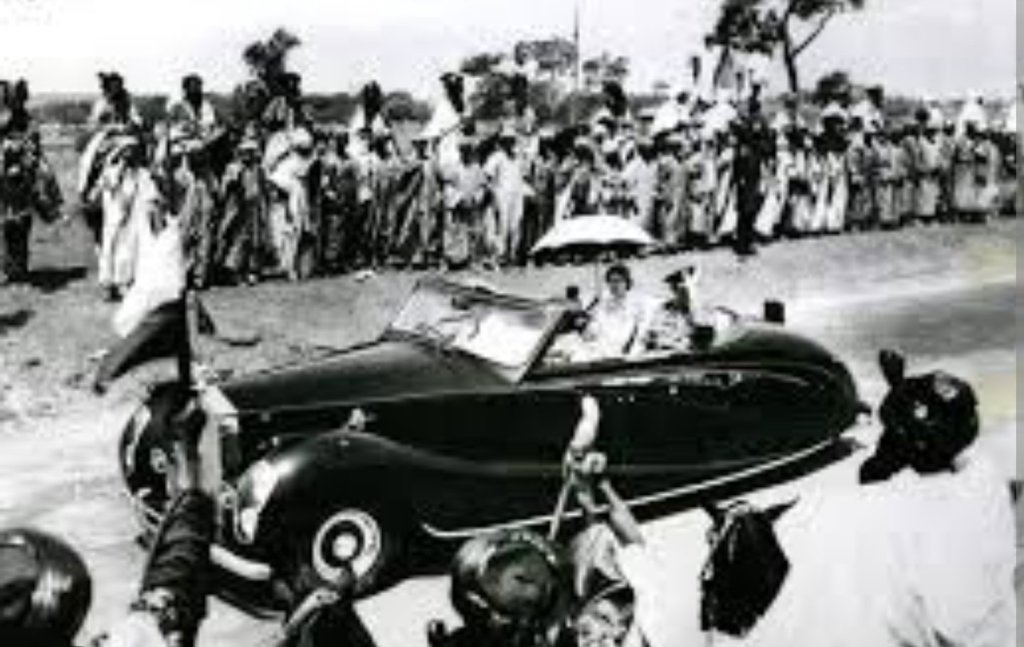
Ojukwu’s wealth and influence transcended business circles; his opulence was epitomized when his Rolls Royce and personal driver were requisitioned for Queen Elizabeth II’s use during her 1956 visit to Nigeria, a testament to his stature and financial prowess. Despite his immense wealth, he remained dedicated to Zik’s NCNC party, declining the position of Finance Minister offered after the party’s 1960 victory, which ultimately went to Okotie-Eboh.
His impact extended across various sectors; serving as the first President of the Nigerian Stock Exchange, President of the African Continental Bank, and holding influential roles in corporations like Shell Oil, Guinness Nigeria Limited, and Nigerian National Shipping Line. His legacy remains a towering testament to Nigerian entrepreneurship.
Detailed profile:
1. President, Nigerian Stock Exchange
2. President, African Continental Bank
3. Chairman, Nigerian Cement Company (NIGERCEM)
4. CEO, Ojukwu Transport Company (over 5000 fleet of trucks)
5. Chairman, Nigerian National Shipping Line (over 100 ships and vessels)
6. Chairman, Lion of Africa Insurance Company
7. Chairman, BISCO Nigeria Limited
8. Chairman, Nigerian Industrial Development Bank (founded to specifically offer loans to industries)
9. Vice President, Lagos Chamber of Commerce
10. Chairman, Palmline Shipping Company
11. Chairman, Nigerian Produce Marketing Board
12. Chairman, Eastern Nigerian Development Corporation
13. Chairman, Costain West Africa
14. Director, Shell D’Arcy Petroleum
15. Director, Thomas Wyatt & Son
16. Director, Nigerian Coal Corporation
17. Director, Guinness Nigeria Limited
18. Director, Nigerian Tobacco Company
19. Director, Daily Times of Nigeria
His extensive involvement and leadership roles in these organizations underscore his profound impact across various sectors and industries within Nigeria.
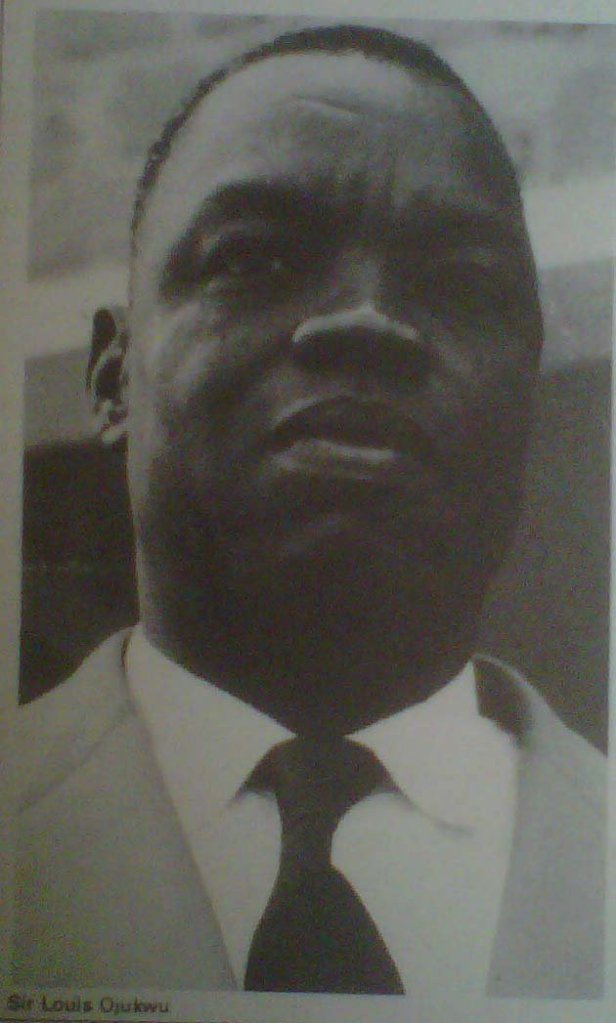
Ojukwu’s remarkable journey—from modest beginnings to commanding a financial empire—stands as a testament to determination, foresight, and unwavering dedication. His story continues to inspire future generations within Nigeria’s dynamic business landscape.
 OBLONG MEDIA GLOBAL INTELLIGENCE
Leave a comment