
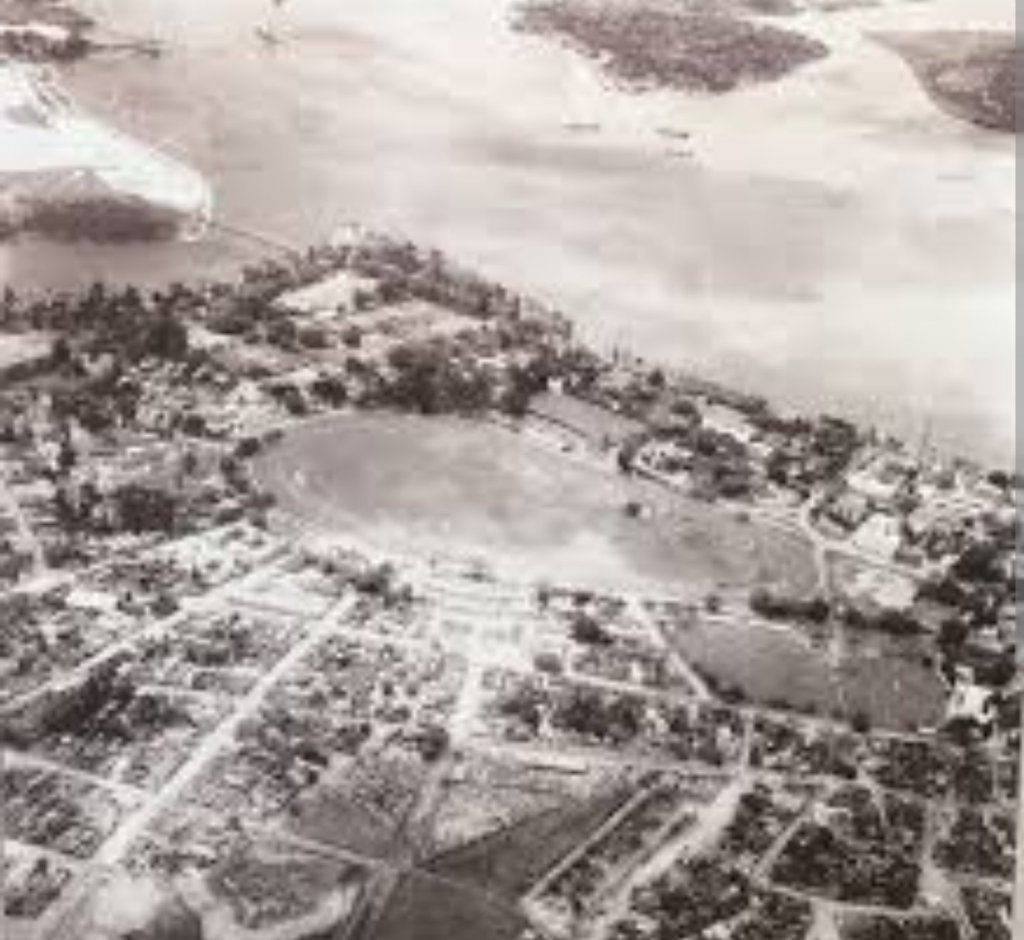
Our history is an ongoing narrative –
Who truly are the Lagosians? The Aworis, the initial settlers in Eko (called “Lagos” by Portuguese adventurers), laid the foundation. The “Idejo” class of chiefs—Olumegbon, Oluwa, Oniru, Onisemo, Oloto, Aromire, Elegushi, Ojomu, Onikoyi, Onisiwo, Ojora, Onitolo, Onitana—stood as the original landowners of Lagos, settling in different parts during the 15th and 16th centuries.
Subsequently, the Bini invasion influenced Lagos’s governance, with all Obas of Lagos originating from Bini ancestry, including the present Oba Alaiyeluwa Akiolu I. The Privy Council affirmed Olofin as the chief holding Lagos Island in the early 18th century, parceling it out among sixteen subordinate “Whitecap” chiefs.
The Benin invasion left a representative ruler known as the “Eleko,” leading eventually to the Elekos becoming the kings of Lagos, although acknowledging the sovereignty of the Benin king and paying tribute for a considerable period.
Bini (Edo) settlers accompanied Ado to Lagos, establishing themselves predominantly in Isale Eko, specifically at Iduntafa, Idunmagbo, Idunshagbe, Idunmota, and Idunmaigbo. Chiefs like Eletu Odigbo, Eletu Iwashe, Eletu Ika, and others, alongside the war chiefs Abagbon—Ashogbon, Bajulaiye, Saba, Bajulu, and Bashua—trace their lineage back to Bini origin.
Moreover, other groups such as the “Nupe” or “Tapa” from present-day Niger State settled in various parts of Lagos, influencing the city’s social fabric. The Brazilian Quarters, returnees from Brazil in the 18th century, contributed significantly to the diversity and cultural tapestry of Lagos.
Additionally, the Saros from Freetown in Sierra Leone and other waves of Yoruba settlers contributed to the rich mosaic of Lagos State, establishing roots in various regions, making up the collective entity known as “Lagosians.”
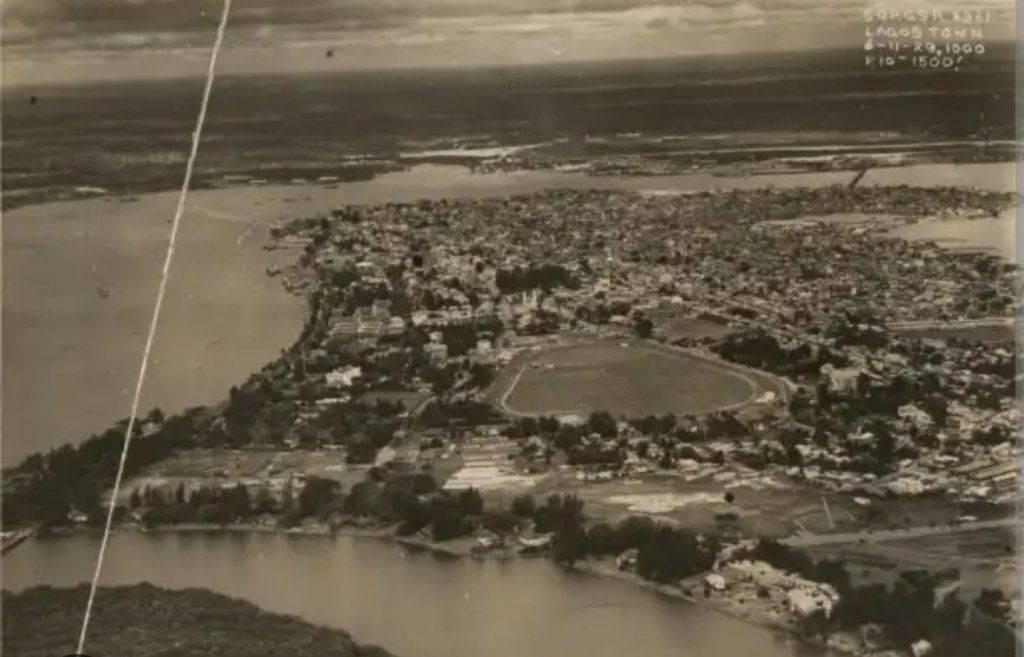
Despite the dominance of the Yoruba language among Lagosians, there’s a substantial percentage with ancestral ties to Bini or Tapa origins. This dynamic is akin to various ethnic groups adopting a common language, akin to the Fulanis in Hausa-speaking regions.
Lagos, established as the first British Colony in 1861, served as Nigeria’s political hub from its inception. Figures like Herbert Macaulay, Nnamdi Azikwe, Obafemi Awolowo, and others were instrumental in shaping Nigerian politics during the early 20th century.
The struggle for Lagos’s independence, from being merged with the Western Region to regaining autonomy as the Federal Territory and eventually becoming Lagos State in 1967, reflects a resilient narrative of identity and self-determination.
Lagosians’ heritage, diverse in ethnicity and language, contributes to the richness and complexity of the state’s historical tapestry. It is a reminder that unity thrives in diversity, encompassing various lineages, cultures, and traditions within the broader Lagosian identity.”
Culled from an article by Femi Okunnu.
 OBLONG MEDIA GLOBAL INTELLIGENCE
Leave a comment