
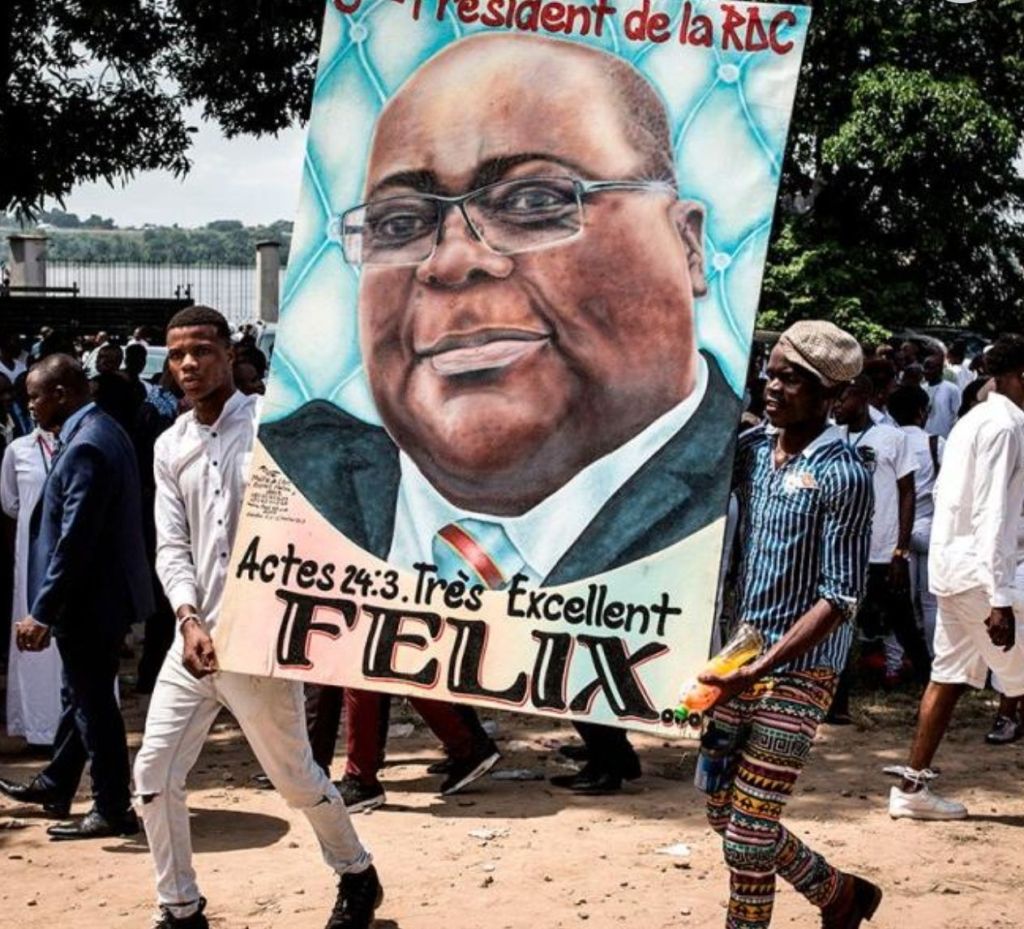
Introduction: Setting the Stage
The unexpected endorsement of Felix Tshisekedi’s presidency in Congo by the U.S. State Department on January 23, 2019, came as a surprise to many. Despite earlier intentions to condemn the election’s fraud, Washington ultimately backed the results, drawing criticism for supporting Tshisekedi, believed by some in Congo to have engaged in a corrupt deal with outgoing President Joseph Kabila. This reversal in stance during a critical period sheds light on the complexity of U.S. foreign policy and its implications on Africa’s democratic landscape.
The Context and Decision-Making Process
When the results of the Democratic Republic of Congo’s presidential election were announced in favor of Felix Tshisekedi in December 2018, officials from various U.S. government agencies collaborated to craft a response. Independent groups in Congo had detected widespread fraud in the vote, prompting initial agreement among U.S. officials to condemn the process as rigged and vow to hold those involved responsible.
However, the State Department’s deviation from the original plan, endorsing the election results, caused discontent among policymakers in Washington. The altered position, driven by a select group of diplomats, triggered reactions of disappointment and anger among experts, Congolese civil society leaders, and African democracy advocates, who viewed it as a betrayal of the U.S. commitment to fostering democracy in Congo.
The Ripple Effects and Policy Implications
Despite Congo’s vast resources, the country faces severe political and economic challenges. Years of delays in holding elections, interference, and alleged manipulation by Kabila’s regime preceded the disputed election that eventually brought Tshisekedi to power. The U.S., alongside the European Union and neighboring African nations, had persistently pushed for credible elections. However, the abrupt acceptance of the election results by the United States left many disillusioned.
The assessment of election irregularities and accusations of fraud were supported by various organizations, including the Congo Research Group and the Catholic Church, casting doubts on the legitimacy of Tshisekedi’s victory. Despite widespread skepticism, criticism waned, culminating in a reluctant acknowledgment of the results by the EU and some African leaders. This shift in perspective was viewed by some as a hasty dismissal of serious allegations of fraud.
The Fallout and Global Implications
Critics argued that the U.S. missed an opportunity to coordinate an international response against election rigging in Congo and apply pressure on Kinshasa’s government. The absence of a united front among key stakeholders and the sudden acceptance of a contested election could potentially set a dangerous precedent for upcoming elections across Africa. Concerns loomed over the perceived lack of support from Washington to challenge fraudulent practices, which could embolden leaders in other African countries to manipulate their electoral processes without facing consequences.
The Aftermath: Implications and Global Repercussions
The controversial acceptance of Congo’s disputed election outcome by the U.S. State Department on January 23, 2019, reverberated across Africa, stirring concerns about the future of democracy on the continent. The swift shift in approach from condemning fraud to embracing contested results raised alarm among international observers, highlighting the challenges in maintaining consistent and principled foreign policy in the region.
 OBLONG MEDIA GLOBAL INTELLIGENCE
Leave a comment