
This article was originally published on 12up.com and has been republished here with permission.
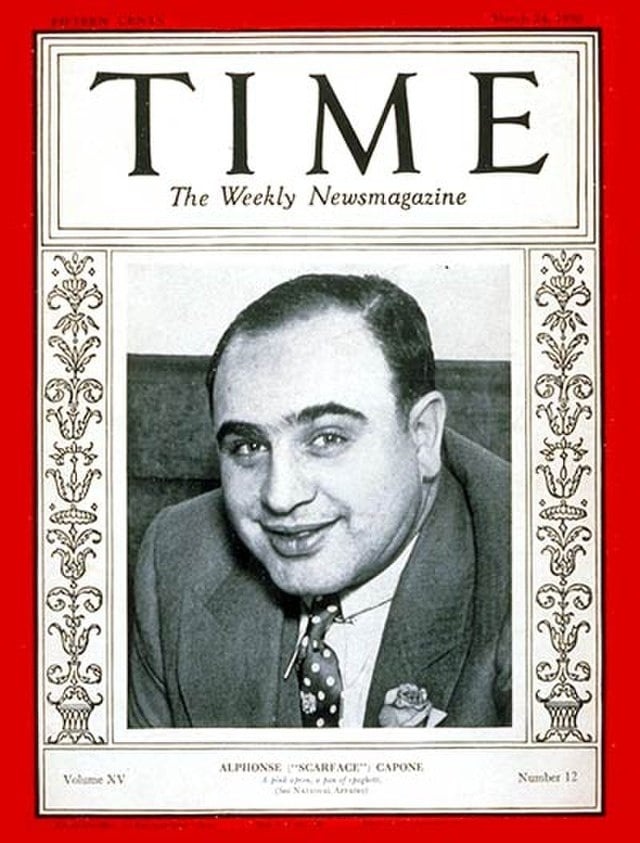
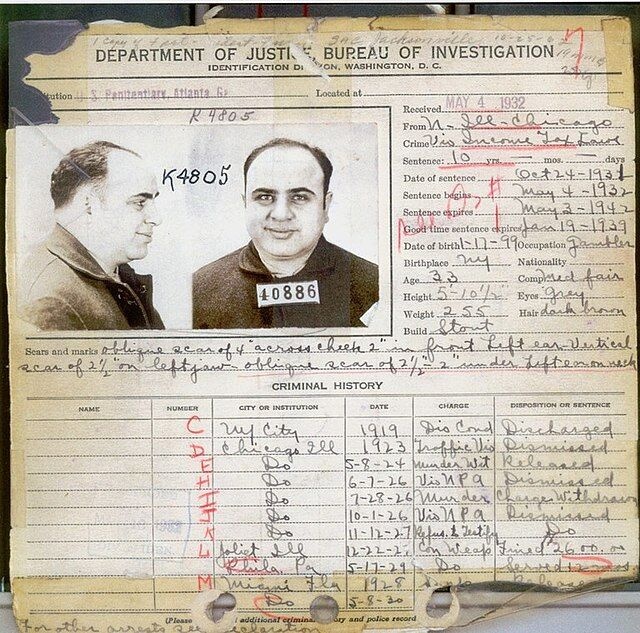
Alphonse Gabriel Capone was one of the youngest and most powerful gangsters to ever come out of America. He rose to power during the prohibition era and remained in charge of the Chicago underground scene for many years before going to prison at the age of 33. So, how did this “Robin Hood” turn into “Public Enemy No.1”?
Growing Up in New York and Living Alongside Other Immigrant Families
Al Capone was born to Italian immigrant parents and his household was said to be rather chaotic. Growing up, Capone shared a small apartment with his parents and his seven other siblings, which made individual attention to each child rather scary. This could explain why Capone sought attention in unhealthy ways at school.
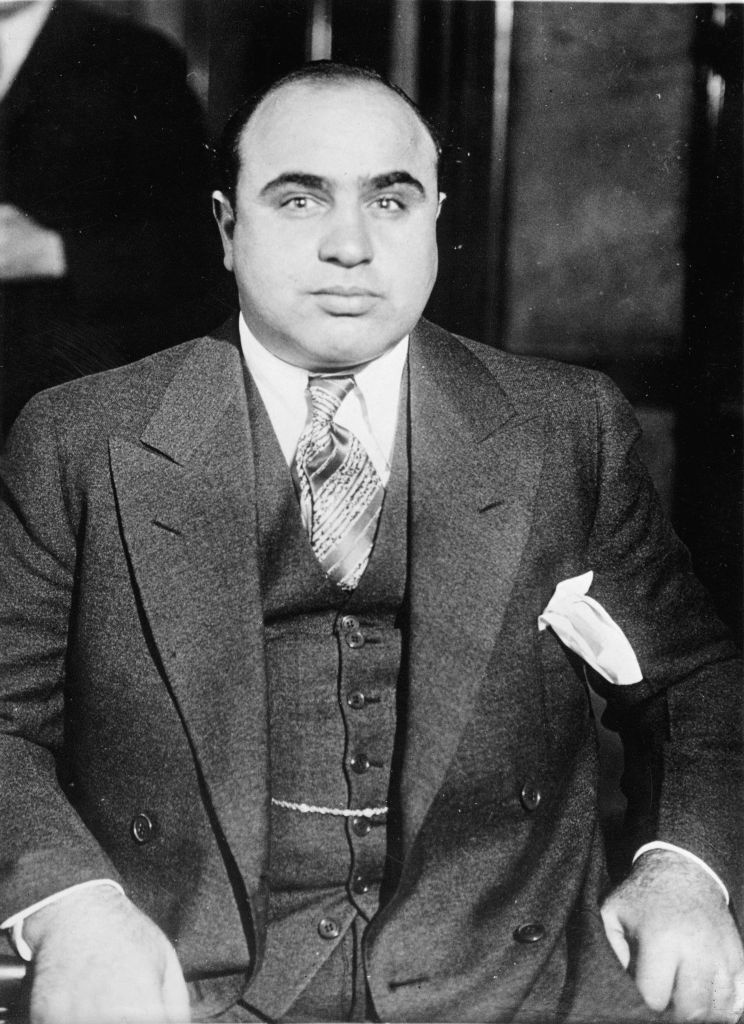
Capone’s family lived alongside many other immigrant families and there lies power in numbers. Not entirely an outcast, Capone had his fair share of immigrant friends all living together around Brooklyn. The Catholic school most of them attended proved Capone to have developed some serious issues with authority figures.
Problems With Authority and His Love For Baseball
Capone was expelled from his very strict Catholic school at the age of 14 after punching a teacher in the face. It clearly didn’t phase him and he quickly left school behind to set off on different ventures, working odd jobs to contribute financially to the household. From working in candy stores to managing bowling alleys, Capone was a jack of all trades.
He even spent some time playing baseball semi-professionally for quite some time and continued dabbling in this sport throughout the remainder of his life. Capone spent the rest of his teenage years out of trouble until one day when he met the man who radically changed the course of his life
‘Proud’ Benzema calls time on international career with France
Bad Role Models and His Transition Into Gang Life
Johnny Torrio would become almost like a father figure, a man Capone looked up to. Torrio held all the qualities of a confident man, but he was so much more than that: he was a notorious gangster. He taught Capone everything he needed to know to walk in his footsteps, giving him a taste of what it felt like to get his hands on real money and the power that came with it.
Capone was tougher than the rest and quickly became part of his first small-time gangs such as the Bowery Boys and Junior Forty Thieves. Due to his flamboyant nature, thirst for power, and money-hungry zest for life, Capone quickly joined the Brooklyn Rippers and soon enough moved up to the Five Points Gang. Capone chose gang life, money, women, and power.
The Night “Scarface” Was Born
Frankie Yale also became one of Al Capone’s role models during this time. Yale chose Capone to become the bouncer at Harvard-Inn due to Capone’s aggressive nature and fiery temper. Unfortunately, Capone also had a big mouth and no idea when to keep it shut. His big mouth landed him the scar on his face and the nickname that stayed with him for the rest of his life.
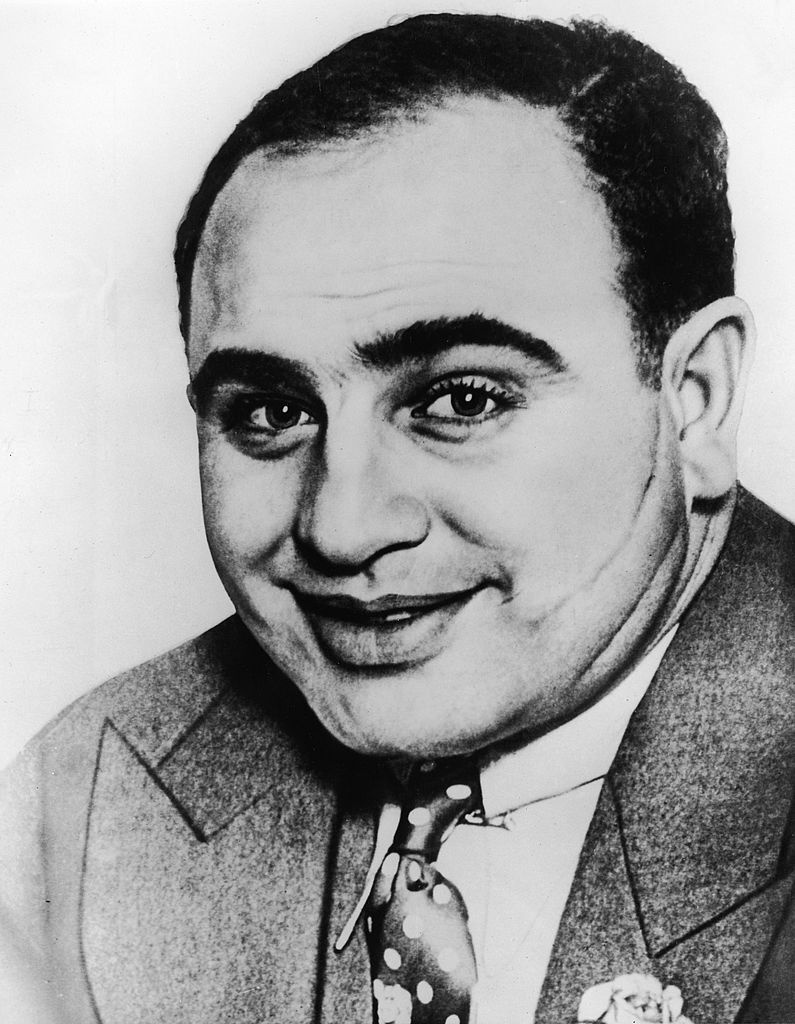
One night at the New York-based club, Capone had some ugly things to say to a woman as she entered the premises, not knowing she had her knife-carrying brother to defend her. Frank Galluccio quickly came to his sister’s defense by slicing Capone three times across his face. The nickname “scarface” was born right there and the nickname stayed with him. One could often see Capone hiding the left side of his face from then on.
He Met His Wife, Got Married, and Had a Son
Capone often lied about the scar, saying it was an old WWI injury that left its mark. As much as he disliked it, he found a woman who loved every part of him. Mae Josephine Coughlin was an Irish teen who bumped into Capone one night on the streets of New York. The two fell head-over-heels in love with each other and not too long after, welcomed their son, Sonny Capone.
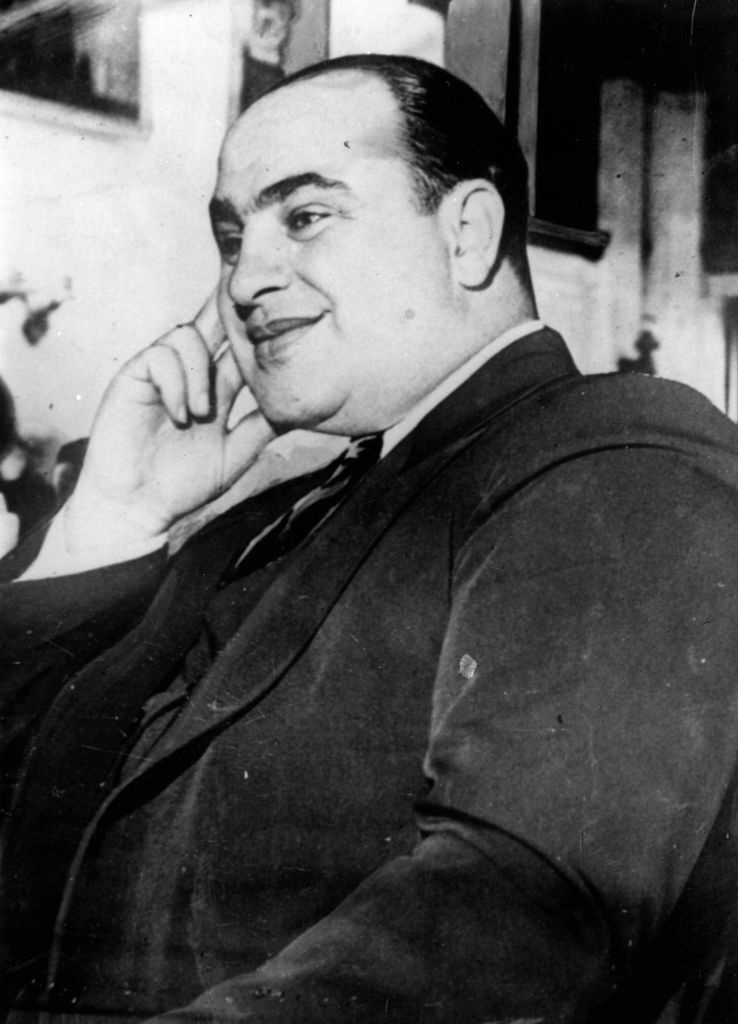
They were still teenagers and Capone was only starting to figure his life out, yet, he committed to marrying Coughlin three weeks after the birth of Sonny with their parents’ blessings. As far as Mae knew, Capone was a loving father who worked hard to give them the best life. She had no idea what a womanizer her husband was, constantly cheating on her while away on “business” trips.
It Was His Love for Chicago Nightlife That Killed Him in the End
Capone tried his best to keep work life and family life completely separated, and despite being a womanizing gangster, was surprisingly loving towards his wife and son. Unfortunately, loving family life took a turn when Capone was offered a job he couldn’t refuse. Besides, he was out to become the best, most powerful, and richest man the gang world has ever seen (in fact, his net worth would eventually reach $100M – equivalent to ~$1.5B today). Johnny Torrio, Capone’s old mentor, saw great potential in him.
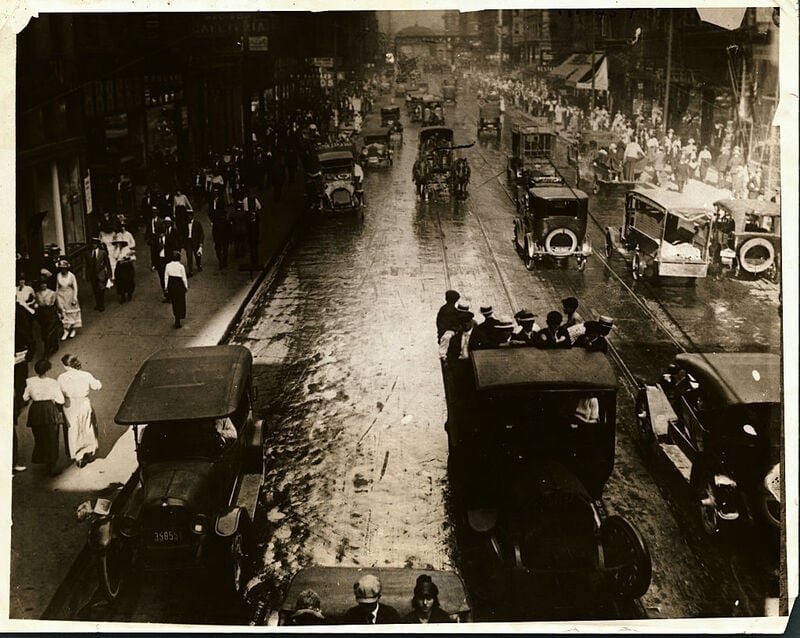
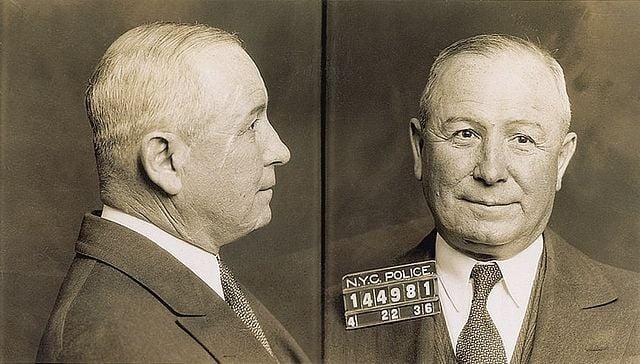
Before employing Capone, Torrio was recruited by James “Big Jim ” Colosimo to come work for him as an enforcer in 1919. Torrio then asked Capone to come to join him out West. Chicago became home for Capone who then made it his kingdom. There, Capone found his fortune but it was all for nothing as he also contracted syphilis – the disease that would ultimately kill him in the end.
The Death of Colosimo Now Put Them in Charge
During the time he contracted syphilis, Capone was at his prime, still young, eager, and full of lust for success, women, and money. He was now, more than ever, ready to take over the world. In 1920, “Big Jim” was found shot dead outside his restaurant. No one could prove who had put the many bullet holes in him, but there was talk of a new kid in town. That kid was none other than Al Capone.
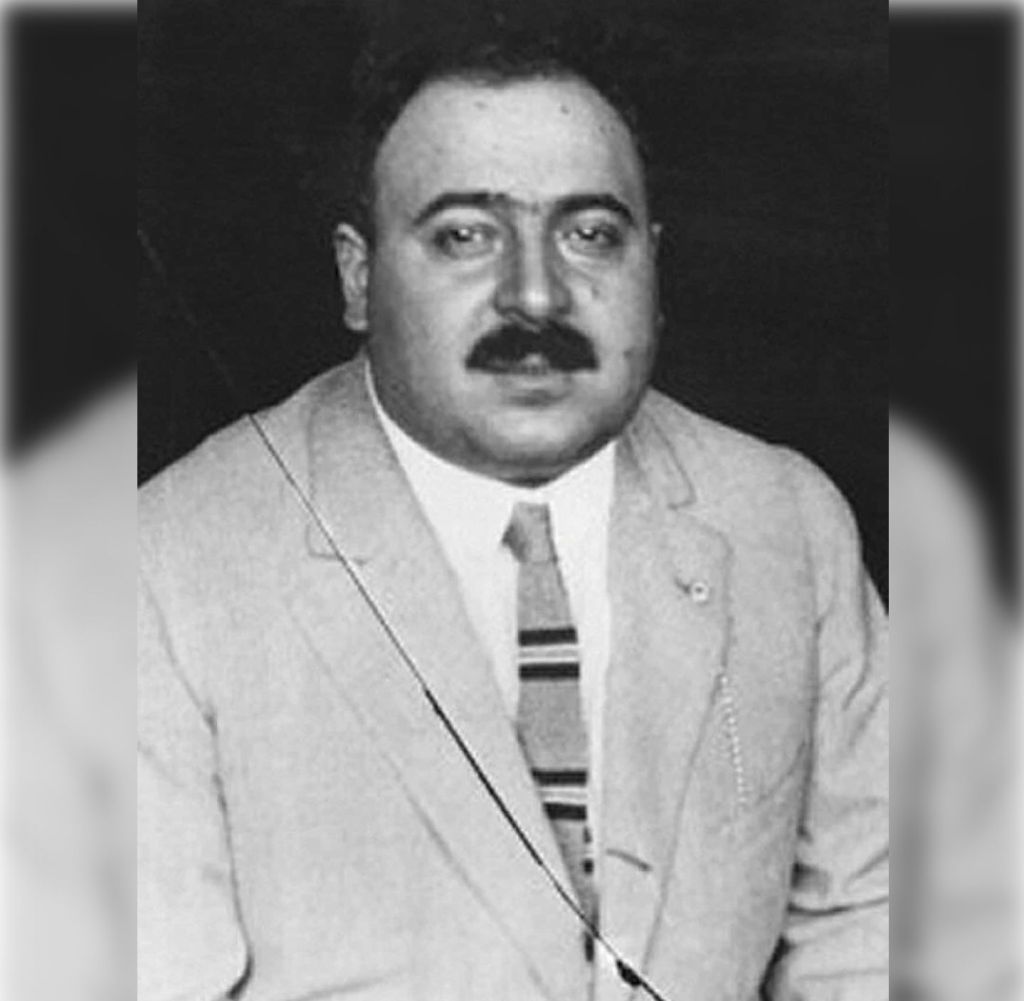
Torrio, Capone’s mentor, initially second in charge, was now running the whole operation after having to “conveniently ” take over after the death of his boss. It was because of Torrio and Capone working beneath Colisimo that the speculation started about who his killer was. Enthusiastic gangsters wanting to get to the top proved worthy enough reason for police to begin having their suspicions about them.
Bootlegging – Capitalizing on Prohibition
Big Jim had always been very against the illegal trade of alcohol during the prohibition era in the United States. Now, with him out of the way, Torrio and Capone saw ways to capitalize on the illegal trade. They saw dollar signs and that is what they got, as Prohibition created an opportunity for gangsters to make top dollars. Despite intense police enforcement, people like Torrio and Capone were able to get away with it.
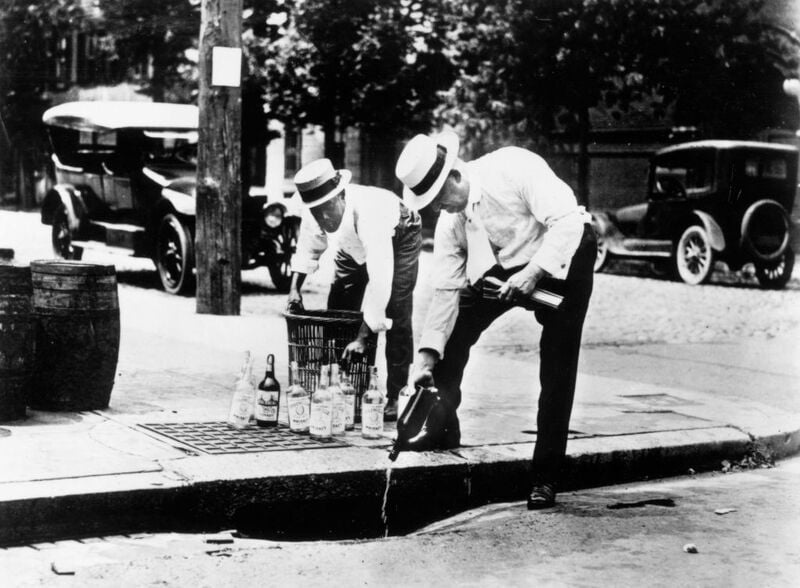
There is still no proof to this day of who killed Colosimo, but all guns point toward Torrio ordering the hit and Capone himself pulling the trigger. It was at this point that Capone was no longer a small-time gangster – he had become part of the big players and was raking in more money than he knew what to do with.
Torrio and Capone Made Themselves Walking Targets for Rival Gangs
Johnny Torrio now ran the biggest gang in Chicago with Capone operating right beneath him as his sidekick. Their initial plan was to stay civil, be nice to their rival gangs, and operate in a way that benefited everyone in some way.
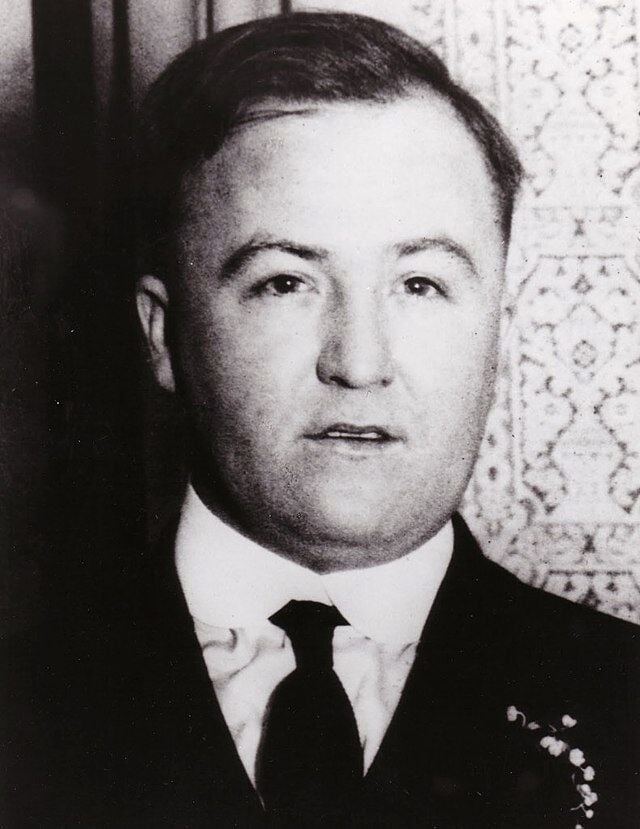
But where there is big money involved, there is bound to be a blood spill over who gets it. One of their biggest rivals was Dean O’Banion and his gang known as the North Side Gang. Things got completely out of hand when Torrio and Capone took O’Banion out in the hopes to relieve the threats to their position. This only made things worse. They were now targeted as all rivals were out to get them.
Capone Came Out Unscathed After North Side Gang Ambush
After gunning down O’Banion at his flower shop in 1924, things only became much worse for Capone and Torrio. The two men had orchestrated the hit in the hopes of getting rid of enemies and possible future competition. Hymie Weiss, who would become known as “the only man Al Capone feared”, took over as leader from O’Banion. He was not only a fierce gang leader but he was also driven by hate and a taste for revenge. In January 1925, a big group of North Side Gang members ambushed Capone on a random street corner after following his tracks.
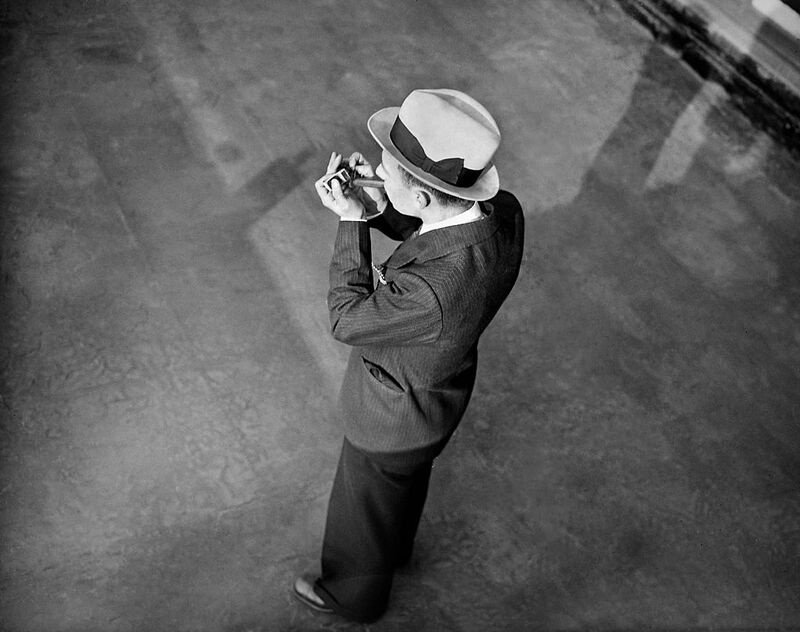
The attack came out of nowhere and luckily for Capone, no harm came to him, aside from being startled. As much as he walked away uninjured, it scared him tremendously. After they tried taking Capone out, they went after Torrio next, but Torrio didn’t come out as lucky.
Handing Over the Reigns
While returning home from a shopping trip, only 12 days after the attack hoping to claim Capone’s life, Torrio was shot several times. The ordeal left him clinging to life and very shaken up. It was evident that his days were numbered as the leader of the flourishing gang of Italians. As sad as this was to many who respected and looked up to the father figure in their lives, this meant doors were opening for Al Capone.
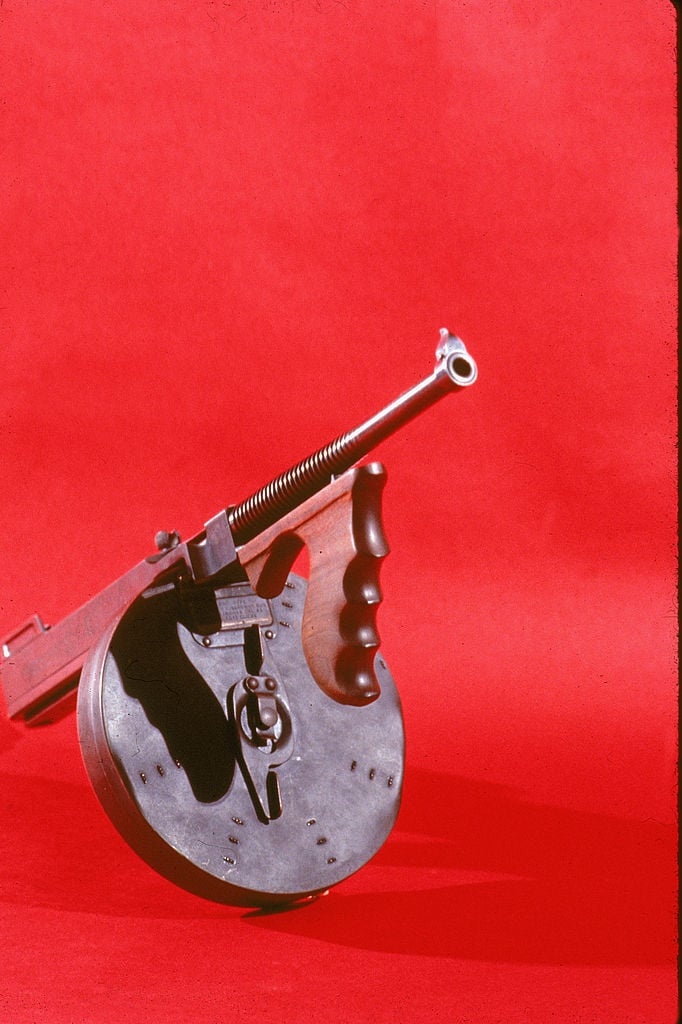
The event scared Torrio too and made him reevaluate his whole life, ultimately realizing that bootlegging money was not as important to him as his own life. Torrio decided to pass over the torch of leadership to Capone, his right-hand man. Twenty-six-year-old Capone was now in charge of the biggest bootlegger operation in the country. And it would soon become evident that he was ruthless, without the same considerate tactics as Torrio.
Capone Was an Aggressive Businessman Who Showed No Mercy
After Capone took the reins, the Chicago outfit started making more money than they had ever seen before. This was accomplished through Capone’s aggressive and brutal tactics. Chicago became a very dangerous place to live in during the 1920s as he stopped at nothing to grow his empire. This meant blowing up a venue that refused to purchase beverages from him. The explosion claimed the lives of more than 100 people. Sadly, this was just the beginning of his wrath struck upon those who refused to do business with him.
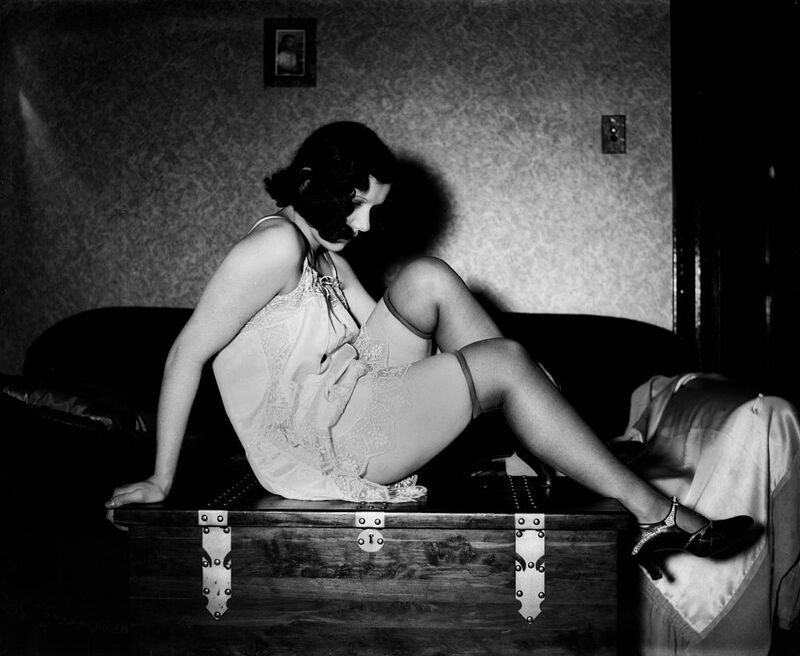
Capone continued to implement violence in his dealings and eventually found more ways of creating an income. No longer focused only on selling alcohol to speakeasies, Capone and his men now owned and ran brothels too. They were all under the protection of the Chicago Outfit.
Capone’s Infidelity Took Its Toll on His Wife
Al Capone had only a few things on his mind: women, money, and power. He worked hard to afford and maintain the extravagant lifestyle he was living, choosing flashy items such as expensive jewelry, over-priced gourmet food, stylishly custom-made suits, and entertaining an array of beautiful women. As magical as it was to him at the time, it wasn’t sustainable. He only ended up hurting those who were close to him, particularly his wife Mae, and his son, Sonny Capone.
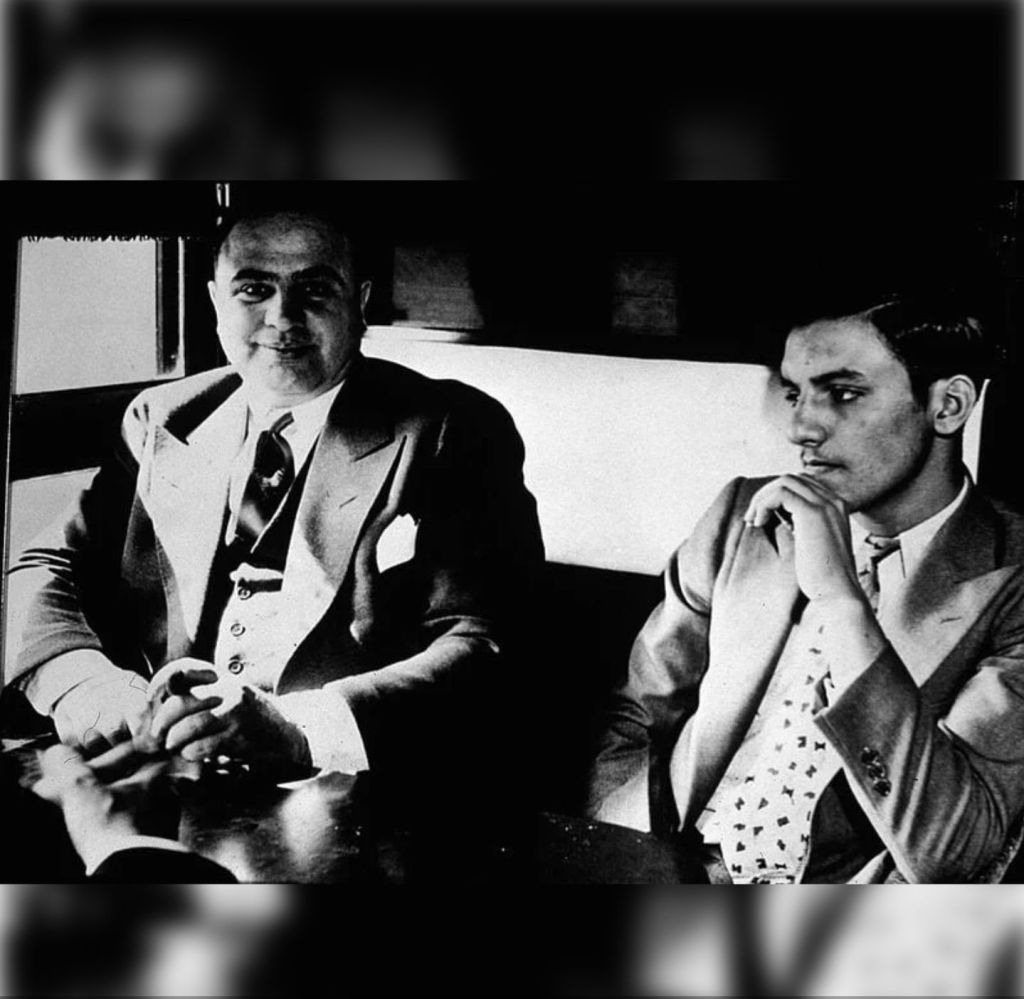
Mae tried hard to turn a blind eye but the stress and humiliation she faced took its toll on her. As much as Capone loved his wife, it wasn’t enough to stay faithful to her. Capone was a womanizer and as much as he also tried hiding his escapades with other women from his wife, the truth always reveals itself.
Mae Told Their Son About Her Broken Heart Due to Al Capone’s Disloyalty
Mae and Sonny Capone always stayed home while Al was out objectifying women, killing off the rivals and those who refused his business, and attending to business and his flashy lifestyle. Mae and their son very rarely saw anything Capone did in the “other world”. Unfortunately, Capone was good at a lot of things, but not at resisting temptation from other women.
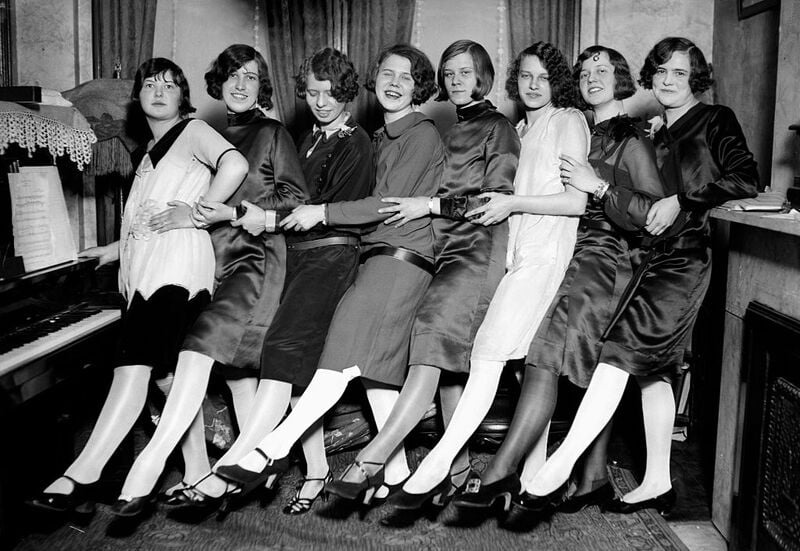
Mae found herself at a breaking point and even confessed to her son the terrible heartache he had caused her by telling her son never to do what his father died and break a woman’s heart. Mae’s hair had gone completely gray at only 28 and everyone could see the anguish she experienced being Capone’s wife. “Don’t do what your father did. He broke my heart,” she said.
He Became a Celebrity
As much as his actions broke Mae’s heart, it wasn’t enough to stop Capone from continuing on this path he had created for himself. He was becoming a celebrity, an icon, a famous man, partially thanks to the aura around him that demanded respect and attention. He had many admirers and the American public couldn’t get enough of him. Hollywood became obsessed with him even more so in later years.
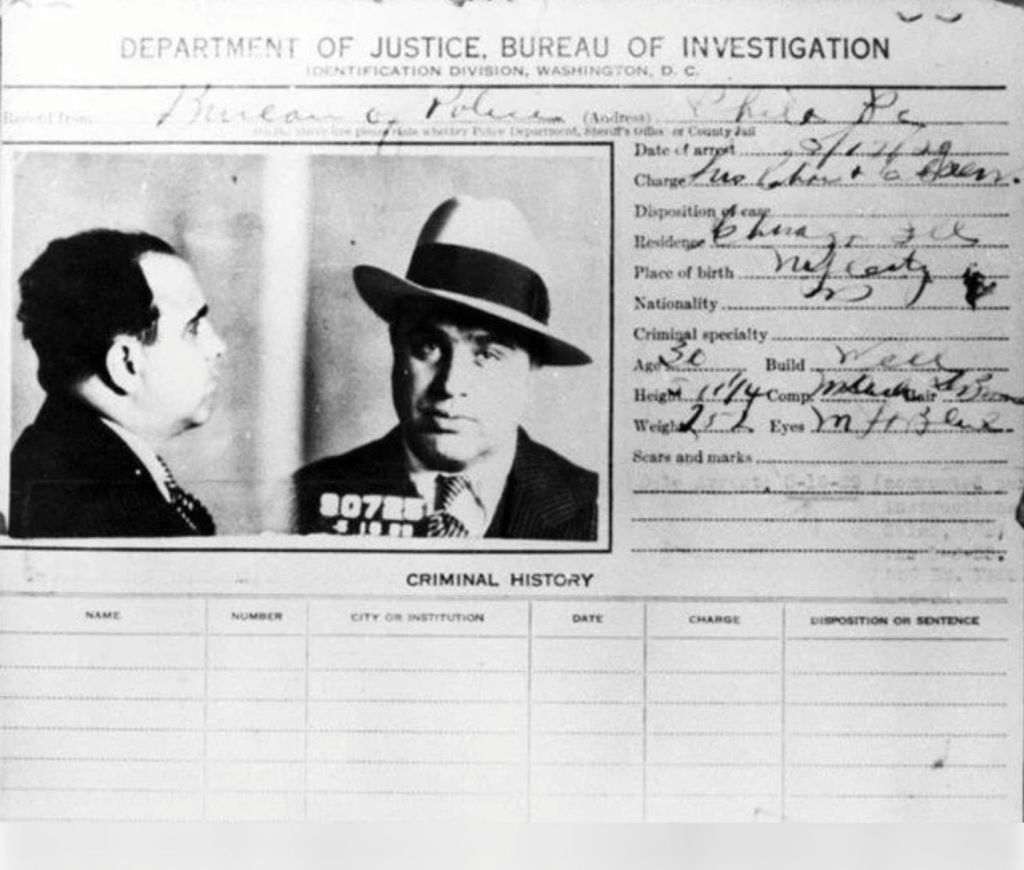
He was an arrogant leader who people could not help but be attracted to: “I am just a businessman, giving the people what they want.” He knew that everyone was very aware of his affairs, but when questioned about it, he would divert the line of questioning with confidence and ease.
Gang Wars – an Eye for an Eye
As glamorous and exotic as his lifestyle seemed on the outside, the lights were about to shine on the dark dealings behind the scenes. Tension rose to an all-time high between Chicago Outfit and the North Side Gang and another member went missing. It was Capone’s longtime driver, a member of the Chicago Outfit. Police managed to find his body and it became evident that he had suffered severely through torture, eventually leading to his death.
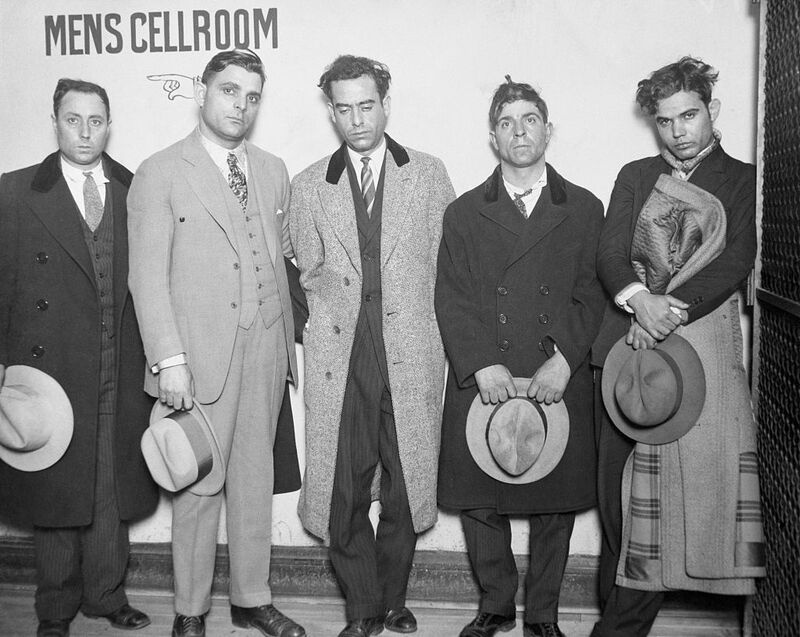
This only made matters worse which forced Capone to want to hit back in rage. He ordered his men to take Hymie Weiss out but the mission failed; Weiss survived and the bloodshed only escalated from there. 1926 proved to be the height of the revengeful hits between the gangs.
The Hit on Weiss Failed and Only Made Matters Worse
It was during September of 1926 that Capone heard the commotion outside of his headquarters at the Hawthorne Inn. Not realizing then that that was exactly what the rivals wanted him to do, he came closer to his window to do some inspecting. A car filled with North Side gang members opened fire on him and sent bullets flying through every wall of the building. Bullets went everywhere except where they really wanted them to go: through Alphonse Gabriel Capone, their greatest threat.
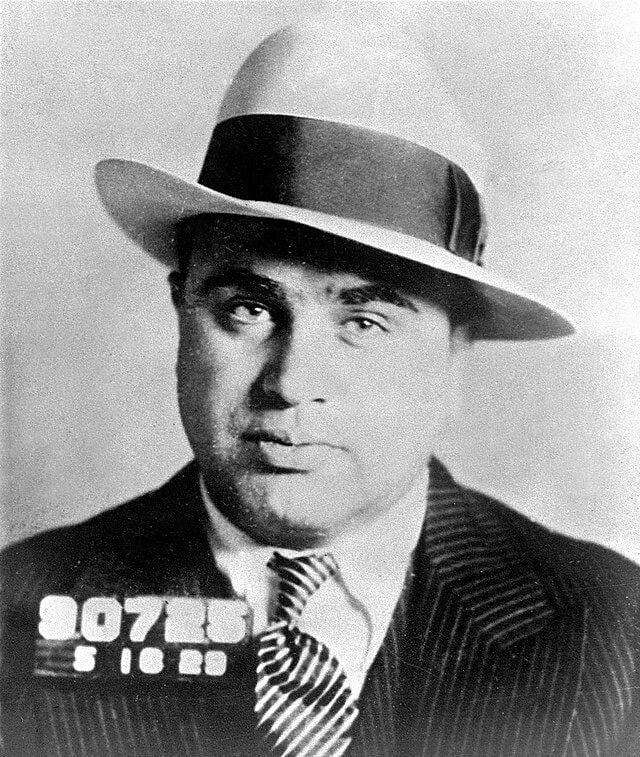
As much as he was ruthless, he still wanted to live and called for a truce. With so much water under the bridge, Weiss refused his proposal and promised to fight Capone until his death. Well, his death came because as they all knew, Capone does not take lightly the refusal of his business dealings.
When History Repeats Itself
Capone’s men retaliated against Weiss’s initial refusal of the truce proposal and gunned down hymie Weiss, sending him to his grave just like Capone did two years earlier with Dean O’Banion. Now, Capone was deeper in the mess than ever. Of course, this only infuriated Weiss’s lieutenants even further and the bloodshed continued through bullets and more rage.
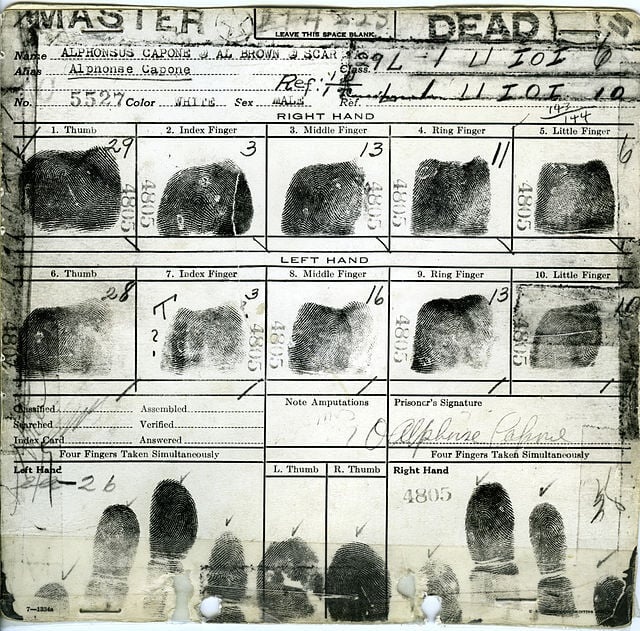
The North Side Gang captured one of Capone’s closest friends and the owner of the Hawthorne. Everything was slowly caving in on Capone – his legacy started to crumble and he soon started to turn into a nervous wreck. He developed an acute sense of paranoia but still managed to stay ahead of the game.
He Was Very Careful About Covering His Tracks
Capone stayed ahead and on top of things by covering his tracks. He was almost untraceable due to not registering property to his name, and by constantly moving. Capone and his crew were able to hire out an entire train car within a second’s notice. They would skip town in the blink of an eye and spend time hiding out anywhere between Miami and Arkansas while turning their hideouts into luxury getaways.
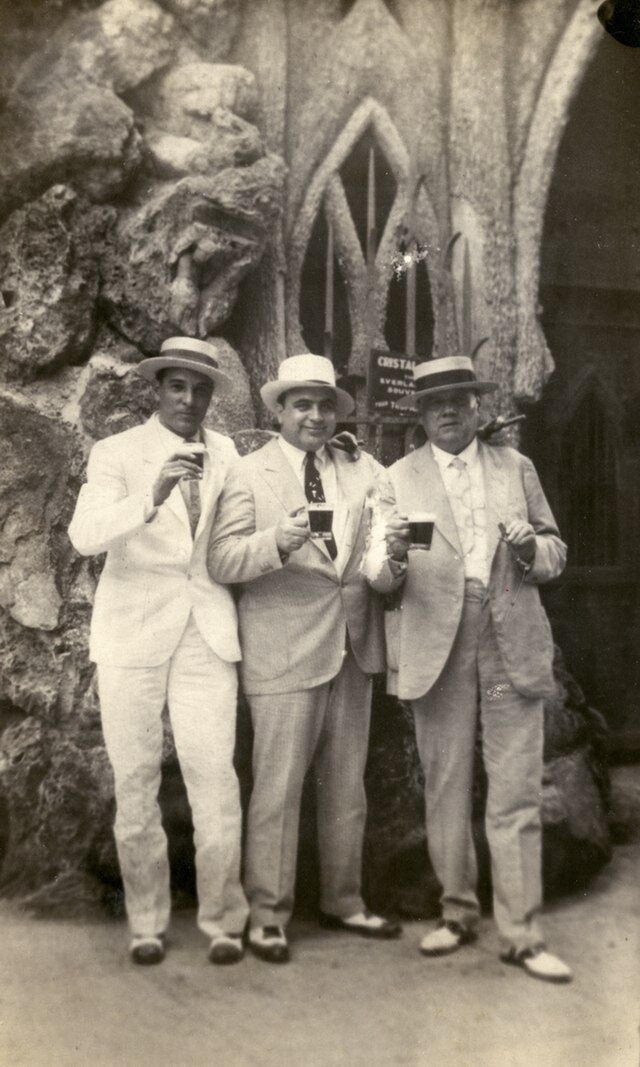
Capone had a reputation for being ruthless, but he was the boss, and rightfully so. He didn’t leave room for failure, especially when it came to getting caught and losing everything he worked so hard for. Illegal or not, he was dedicated to always being one step ahead of everyone else.
Capone’s Chef Exposed Aiello’s Plans
With such a large number of enemies of Capone to choose from, Joe Aiello joined forces with the worst of them in retaliation against Capone and the Chicago Outfit. Capone had many hitmen trying to take him out under direct orders of their bosses, but Aiello was different in the sense that he preserved and stayed committed to killing Capone. He hired many men in 1927 and even tried to get inside and get one of Capone’s closest companions to take him out by putting prussic acid in his soup.
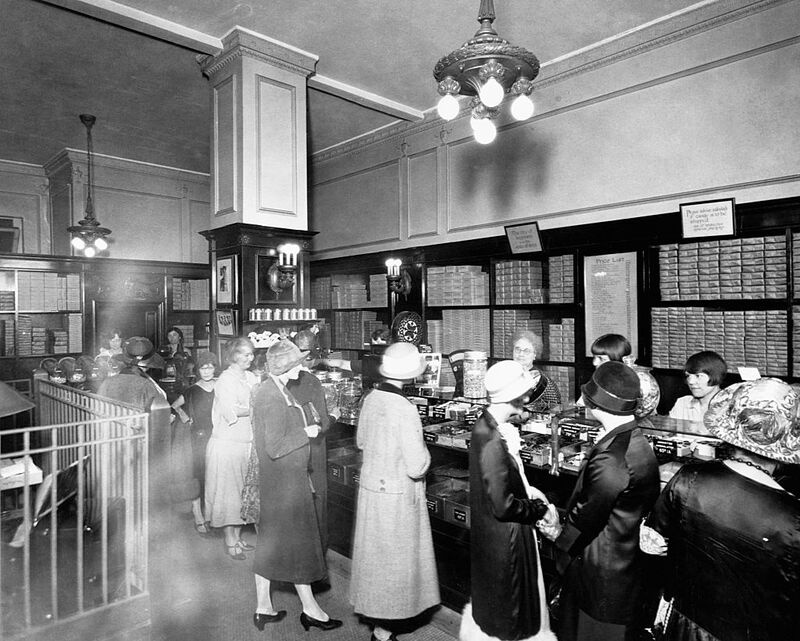
Capone’s men were more loyal than he expected, perhaps out of fear of his wrath. Either way, it was hard to get anyone to turn on Capone. The chef ultimately exposed Aiello’s plan, making Capone send a car full of men to Aiello’s brother’s bakery and shoot 200 bullets into the place, badly wounding the brother.
Aiello’s Gunman Cracks Under Interrogation
Joe Aiello wanted blood and kept coming at Capone no matter what. He offered awards of up to $25,000 in cash to anyone willing to take Capone out. Everyone dumb enough to take Aiello up on the offer was killed after failing to take Capone out, creating the illusion that he was invincible. This only added more fuel to the fire and Aiello grew even more aggressive in his approach.
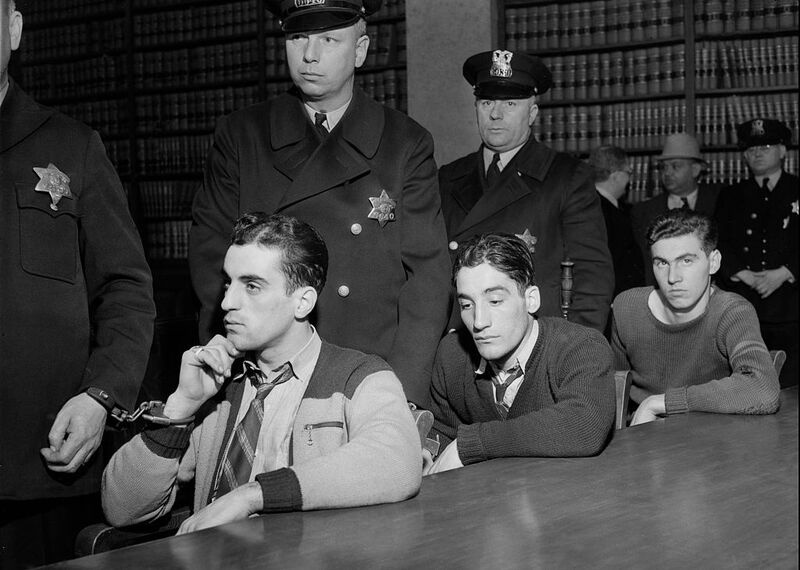
After much back and forth, revenge streaks and planning, an “anonymous” tip-off had police crawling all over Aiello’s properties, leading to the arrests of many of his chief lieutenants. Aiello’s men didn’t display the same level of loyalty as Capone’s men and one of Aiello’s gunmen cracked under pressure revealing that he had been hired by Aiello to take out Capone. The police were the least of Aiello’s worries now that the truth was out.
Aiello Pleaded For His Life
During Joe Aiello’s arrest, he was safe in jail because word had spread about his plots to take out the powerful Capone. Capone’s men were strategically placed outside the prison waiting for Aiello’s release. They didn’t even try to hide it – it was very obvious what the future held for Aiello. As long as Aiello was inside the prison walls, he was safe. Two of Capone’s men even tried breaking into jail to take Aiello out but were caught and arrested, and placed right next to Aiello’s cell.
“You’re dead, friend. You won’t get up to the end of the street still walking” – Aiello was petrified and pleaded with them, stating he would sell everything he owed and left Chicago for good. Aiello was granted his wish and fled as soon as he was escorted out and away from prison and Chicago forever.
Capone Dealt With Politicians the Same Way He Dealt With Gang Rivals
Due to Capone’s scaley maneuvers to hide his tracts, he made the perfect candidate for politics. Capone backed any politician who would look past his bootlegging activities, which meant a fat paycheck for them. Capone handed $250,000 over to William Hale Thompson, a very corrupt politician, for his campaign to become mayor. After winning, he allowed Capone to run his bootlegging operations across Chicago as they pleased. After the death of Thompson, officials found $27 million in his safety deposit box – we all know where that “unaccounted for” cash came from.
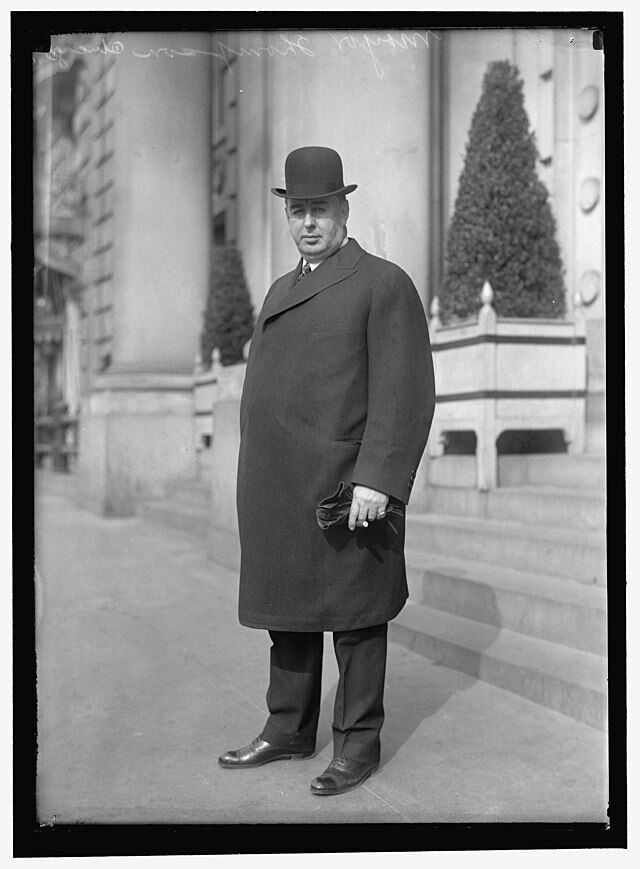
Capone was a politician just like the rest and dealt with the subject just like he did his gang business: with ruthlessness. Capone took out the people against him: Joe Esposito in 1928, and any other politicians opposing Capone’s plans.
North Side Gang Still a Thorn in Capone’s Side
Capone had law enforcement eating out of the palm of his hand, but his luck was about to run out.
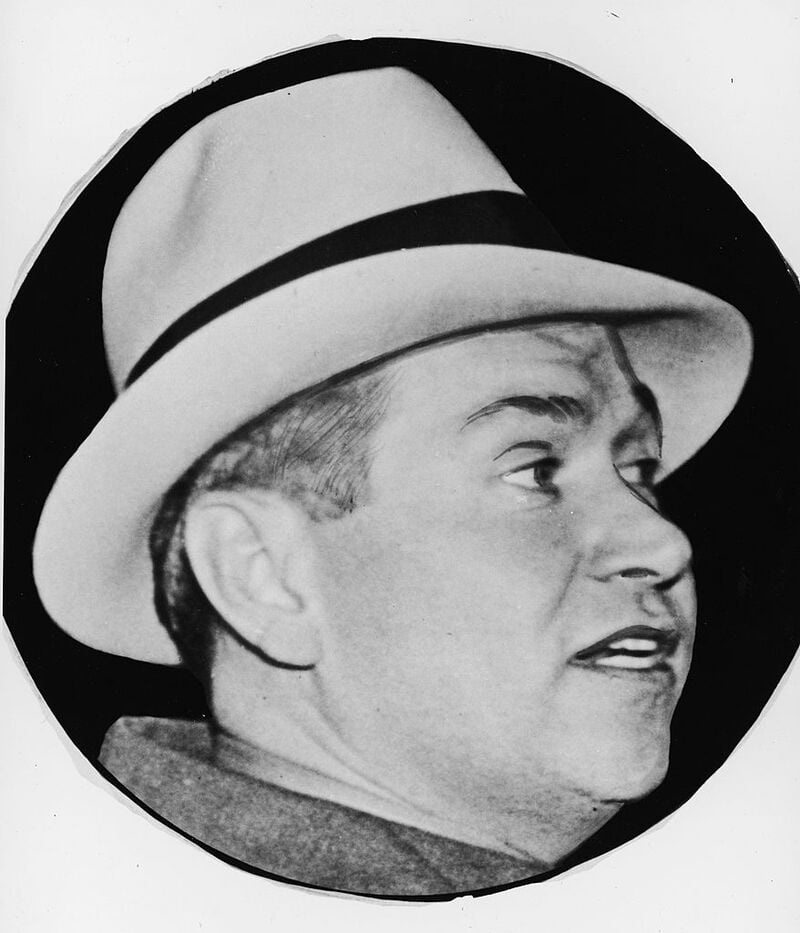
Aside from bribing politicians, owning the cops, and bootlegging, the North Side Gang was still there lingering in the back. Their new leader was Bugs Moran and he took over making life hell for Capone. As Valentine’s day was approaching, Capone decided to send Moran a little message.
Capone’s Message Goes Too Far
Capone sent his men dressed as officers to raid one of Bugs Moran’s warehouses on Valentine’s Day 1929. They got the seven men inside to line up against a wall when the “officers” opened fire, causing a massive blood bath. It was dubbed the St. Valentine’s Day Massacre and the news accompanied by gruesome images flooded the city.
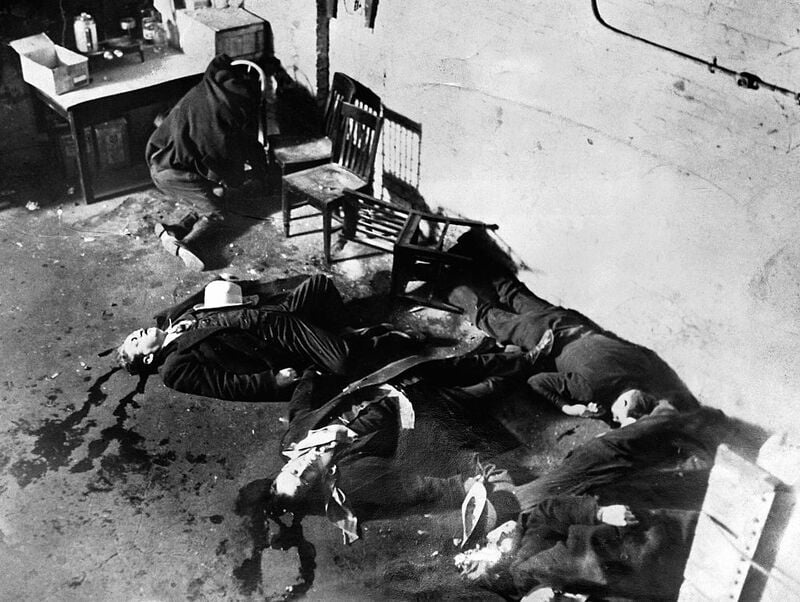
The people who once loved Capone and saw him as a celebrity icon now were slowly becoming afraid of him, perhaps even disgusted. Though Capone’s actions opening soup kitchens and helping during the Great Depression had given him a “Robin Hood” reputation, the scene of the massacre was too gruesome to ignore, and even though Capone went into serious damage control mode after that day, people had grown tired of his killings and havoc.
A New Era of an Incorruptible Police Force
Not even soup kitchens or hefty public donations could restore Capone’s image. One man, in particular, had had enough of Capone’s wild killing sprees and havoc inflicted in and around Chicago for over a decade. Walter. Strong was a publisher for Chicago Daily News and had friends in high places. When we say “high places” we mean very high, like the president, high.
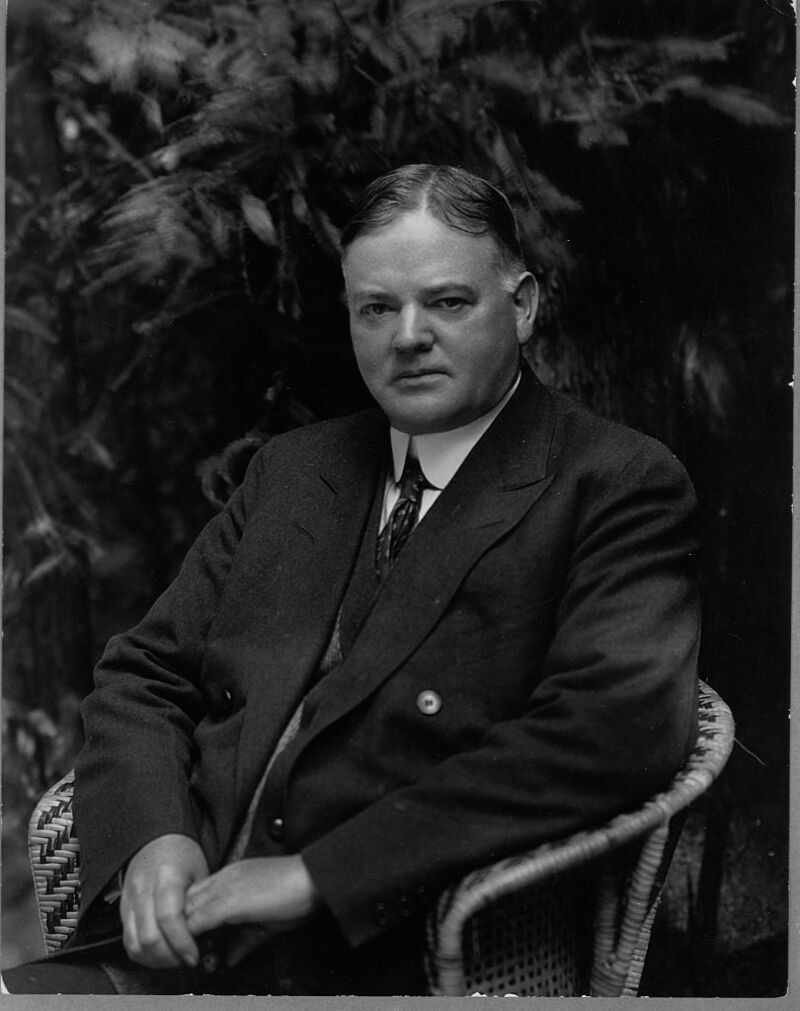
Strong called on President Herbert Hoover to tackle the wild gang-related bloody ordeals. Despite having bought off most of the law enforcers in Chicago, they were out to change this once and for all. President Hoover’s FBI came into power not long after the president was called upon. Eliot Ness and his men walked onto the scene. They were known for being incorruptible and had an outstanding reputation for it. Capone’s lucky streak was about to come crashing down.
Capone Now Dubbed “Public Enemy Number One”
After a minor slap on the wrist for contempt of court, Capone was put behind bars for the first time in his whole career as a kingpin. He was charged with carrying a concealed weapon outside Philadelphia. When you look at the broader spectrum of things, this minor punishment was laughable due to his bootlegging, murders, and corruption for over a decade.
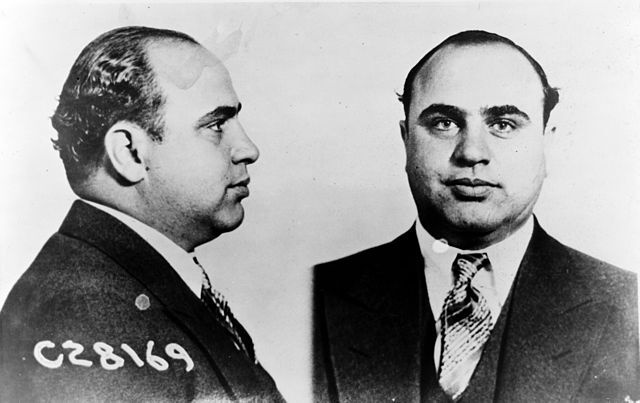
Capone spent a year at Philadelphia’s Eastern State Penitentiary still bathed in luxury as he was allowed a radio, peacefully playing waltzes as he only served seven of his 12 months there. It caused a lot of controversy as to why he went to jail in the first place. There was talk about Capone willingly going to jail to hide out, perhaps until the dust settled with rival gangs. The stint had dubbed him “Public Enemy Number One” by the FBI.
Capone Set Out to Set Things Straight With Aiello Himself
With rivals reaching an all-time high in blood spills and conflict, everyone was feeling the heat. Rumors were going around that Capone’s jail stint was staged. Perhaps he only wanted to show the public that he was willing to pay to make things right. Capone walked out of jail a free man by March 1930 but had no more “Robin Hood ” reputation to back him. Not long after, setting Aiello free came back to bite him.
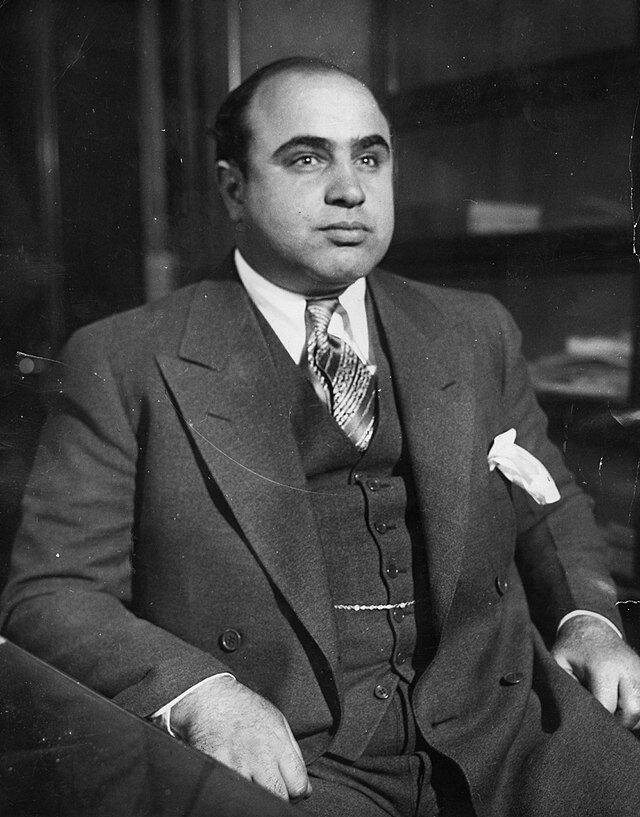
Aiello paid more men to take him out. This time, Capone decided to deal with it himself rather than get his men to do the dirty work as he had previously. It was now Aiello’s turn, who was a paranoid mess at this stage and spent his life running from city to city so he wouldn’t get hunted down. October 23rd, 1930 proved his skills to be no match for Capone’s.
The Man Who Bought Him Down
Capone’s men found Aiello changing cabs as he tried to outrun them. Fueled by rage, the men gunned Aiello down with 13 bullets but Aiello’s adrenalin allowed him to run around a corner…which only put him in head-on positioning with Capone’s men waiting in the second car. As soon as they came face to face, Aiello was a thing of the past. This public execution was the straw that broke the camel’s back and Capone was brought down soon after.
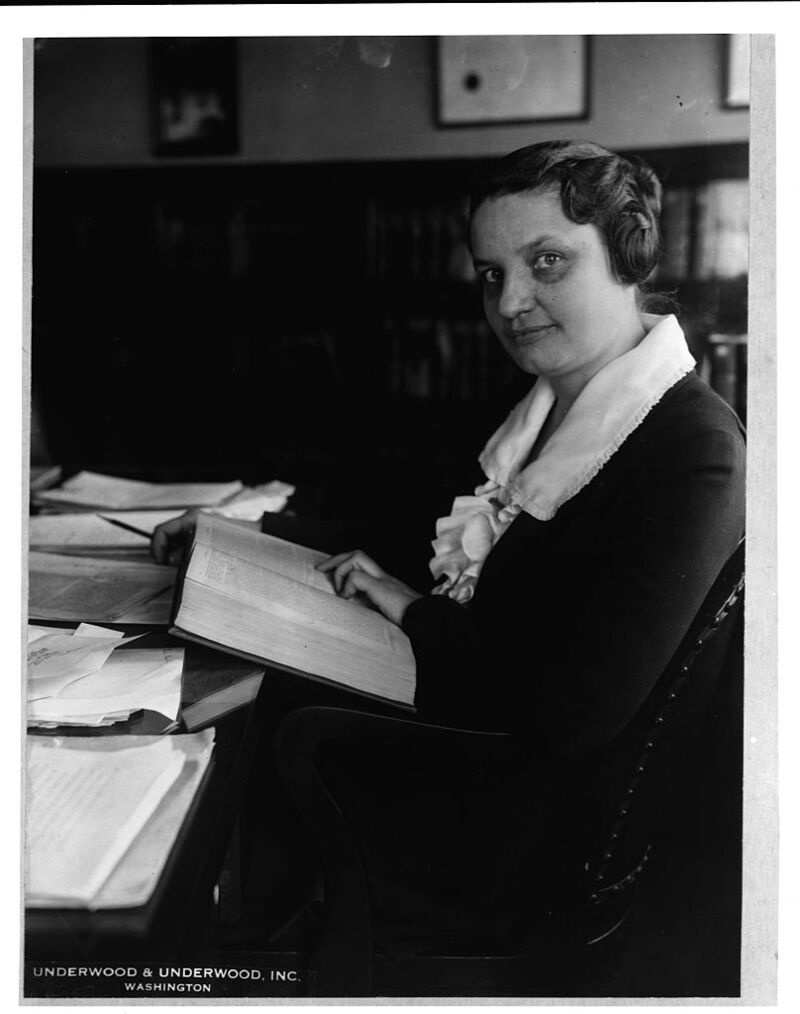
Despite everyone’s predictions of agent Eliot Ness taking the mafia kingpin down, a woman by the name of Mabel Walker Willebrandt was the one to bring an end to Capone’s lawless escapades. After many years of so many people trying to find a way to end Capone’s reign, Willebrandt managed to see the answer right in front of everyone’s eyes.
Tax Evasion Finally Brought Capone to His Knees
After years of trying to put Capone behind bars, he was finally locked up for tax evasion. As Willebrandt figured out, with Capone’s extravagant lifestyle, houses, cars, holidays, and jewelry, where were his tax returns? After so many brutal murders and corrupt escapes, Capone went down for tax fraud. Capone received a sentence of 11 years behind bars and it didn’t matter who he hired to get him out of the mess, the courts refused his pleas.
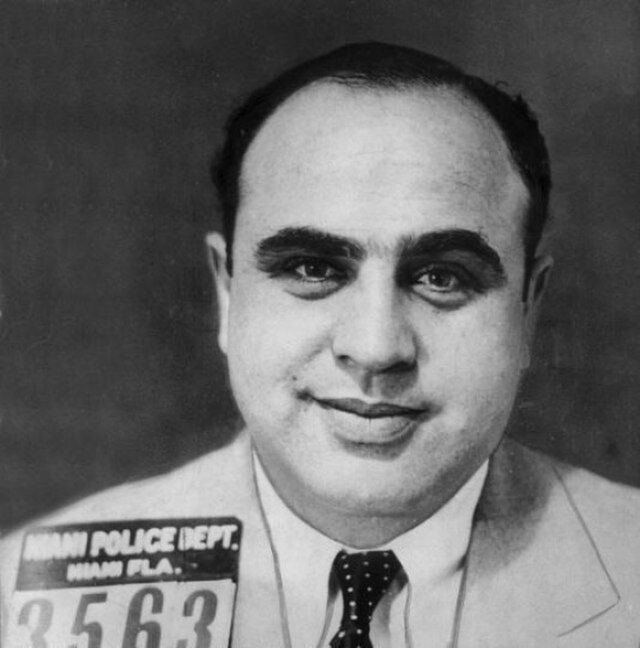
He was denied appeals and sentenced to rot away for his sins but it wasn’t jail that had him rot or deteriorate. The long-term effects of the syphilis he had contracted many years prior did. Capone’s lifestyle and years of neglecting his health finally caught up with him and fellow inmates and guards watched him deteriorate rapidly.
His Biggest Threat Was His Own Health
In jail, Capone grew weaker by the day. Once behind bars, he deteriorated at an alarming speed to the point where he was unable to defend himself against rivals. Fellow inmates were disappointed purely because of the stories they had heard of kingpin and boss: Al “Scarface” Capone. Those in jail with him who still held respect for the man acted as his bodyguards but they couldn’t join him once he was ordered to move to a different prison.
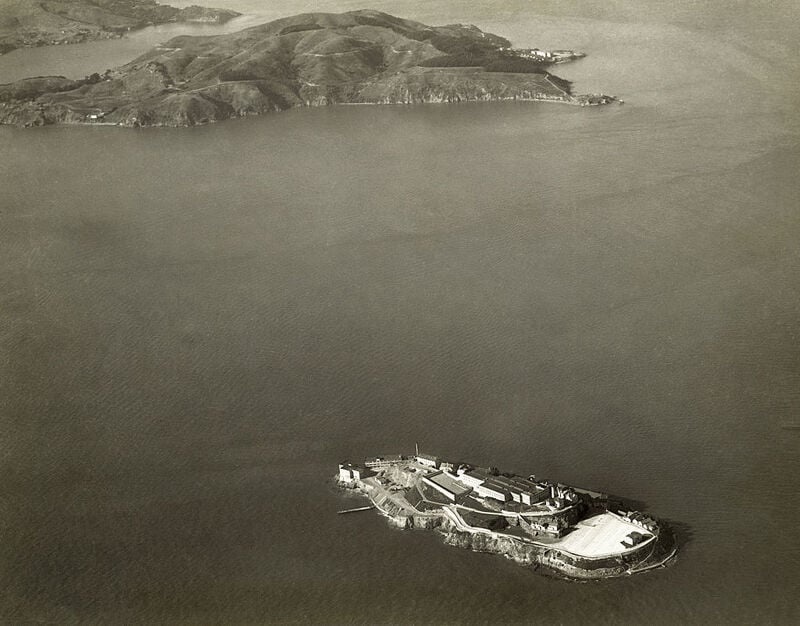
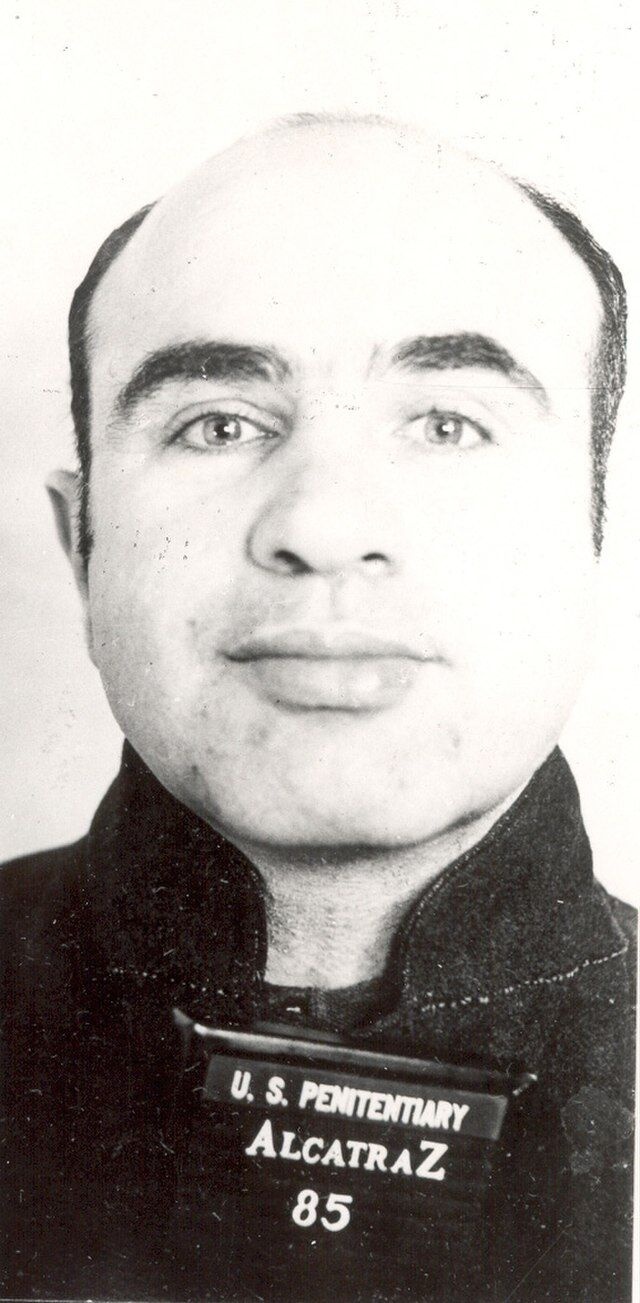
After only a few short years, Capone was relocated to Alcatraz which opened him up to another whole world of nightmare ordeals. Without his helpers and his bodyguards, Capone was left vulnerable. But as much as other inmates posed a threat to him, his greatest threat and killer was himself. The diseases contracted during his teenage years peaked
Capone Was Released From Prison
By the time Capone arrived at Alcatraz, the syphilis he contracted as a teenager had grabbed hold of his body and mind. His last year in prison was spent in the hospital section and he had grown confused and disorientated beyond the point of return. His wife, who has stayed married to him throughout all these years, fought to get him released based on health-related issues soon after he had already been moved to a less secure facility.
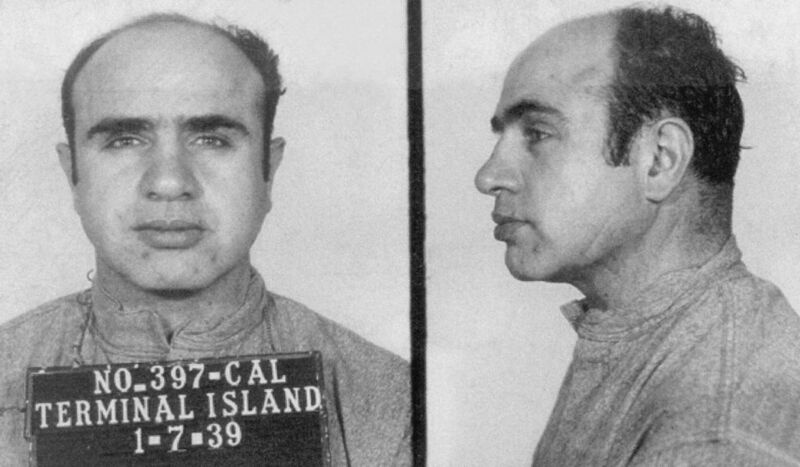
1939 was the weakest state Capone had ever been in and by November that year, Mae came to fetch her frail husband. She realized when she fetched him that the man she married was now gone. All that was left was a frail bag of bones with a legacy that also turned bad but Capone was unable to grasp any of it due to his mental deterioration.
Stepping Into the Afterlife?
In the book ‘Al Capone: His Life, Legacy and Legend’ by Dierdre Bair, published in 2016, the last years of Capone’s life go into deeper detail. It tells that by the time Al was paroled in 1939, he was already profoundly affected by the disease and was seen talking to himself. But, apparently, Capone was having deep conversations with dead people—some of whom he killed.
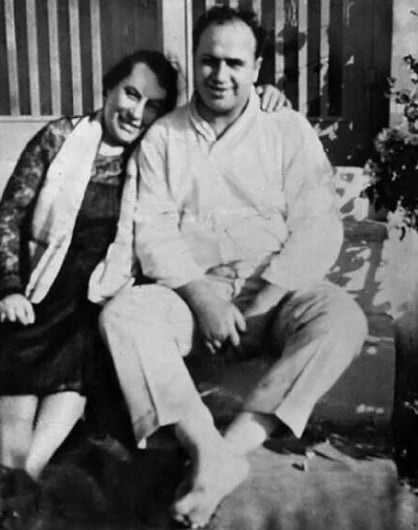
On the other side of the spectrum of his luxurious mobster life, his last days were spent walking around his mansion in his pajamas, trying to collect butterflies with his granddaughter. ‘It was, in many ways, an ideal, middle-class Italian-American household where family came first,’ Bair told the NY Post.
The Death of Al “Scarface” Capone
In 1946 medical practitioners compared Capone’s mental state to that of a 12-year-old. People who had known the man now looked at him with utter disbelief. His brain had completely deteriorated and he looked like a corpse. He spent his last years with his family consisting of his wife and grandchildren. They spent the remainder of his days in Palm Island, Florida while the syphilis was gnawing away at what was left of his brain.
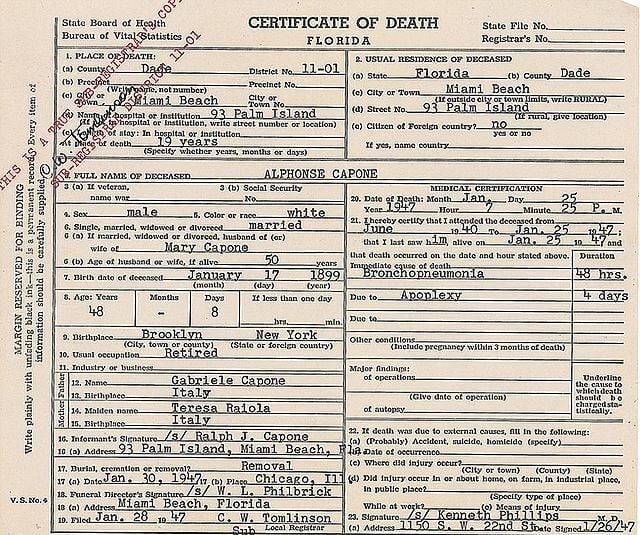
Despite most people expecting the man to die during a massive final shootout or a revengeful bombing in an epic final finale to the extravagant life he lived, Capone died of a heart attack on 25 January 1947 at age 48 after having had a stroke days prior. Those who loved him were at his side at the moment of his death. Capone died, but his reputation still stressed his family long after his passing.
His Family Sued a Network For Releasing a Mini-Series About Him
By 1959, a two-part series was released based on the life of Al Capone. It did a lot of damage to his family and those he left behind. The series imposed a threat to all their private lives and also made subjects they were trying to avoid resurface. According to Sonny Capone, he had to move his children to a different school due to the series causing other children to make fun of them to the point of not being able to carry on with their “normal” school activities.
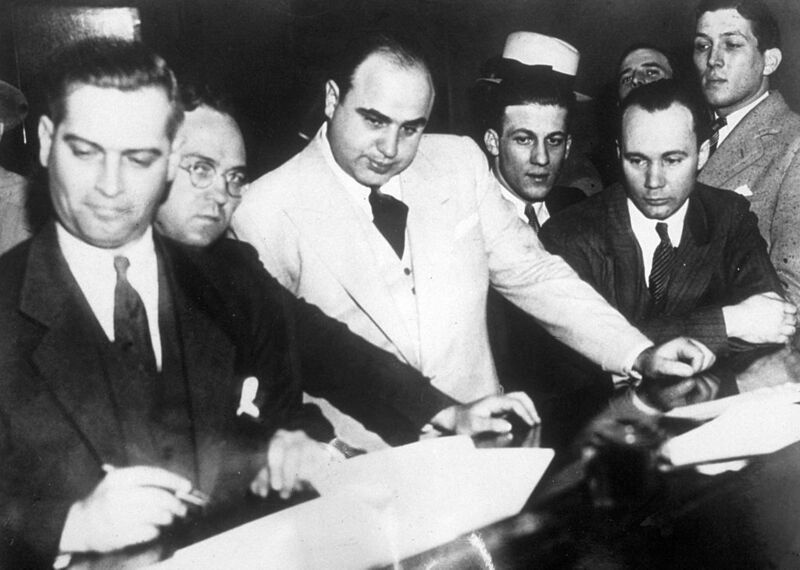
Due to their humiliation, shame, and infringement, Mae Capone, Capone’s sister Mafalda, and Sonny Capone all sued the networks for $6 million to compensate for the emotional damages they endured with the release of the series. The case made its way to the Supreme Court but the judges denied the family any funds.
His Legacy Remains
Capone’s reputation had done so much damage that the judge took no pity on anyone associated with him. Those of Capone’s siblings still alive and left with his surname, namely James Vincenzo Capone, ended up having a legal name change done. Sadly enough it was later revealed that Capone’s biggest betrayal came from inside. Ralph Sheldon was one of Capone’s allies but the underbelly of Capone’s Chicago spies found him and shot him in front of the West Side Hotel.
He miraculously survived but it sent shock waves through Chicago showing the world just how powerful Capone was, and how even long after his death, his legacy remains, and so do the damages to the Capone’s revered and feared name. Capone is still known as one of the greatest gangsters to ever live. His story is still a hot topic for Hollywood movies to this very day.
Up next, where does Capone fit on the list of richest gangsters in history…?
The 50 Richest Gangsters in American History
Our culture is fascinated with the world of organized crime, and even though many of these people do bad things, we can’t get enough of the stories we see in films such as The Godfather, Goodfellas, and The Irishman and shows such as The Sopranos.
Part of the fascination comes from the way they manage their organizations and empires. They may not always operate within the law, but they are savvy businessmen, and through hard work and entrepreneurial spirit many were able to amass large fortunes. Let’s take a look at 50 of the richest gangsters in American history.
Anthony “Fat Tony” Salerno
Fat Tony, born Anthony Salerno, was the head honcho of New York’s Genovese crime family. A product of NYC, where he was born in 1911, he started from the bottom, and through his wits, hard work, and willingness to get his hands dirty he was able to build up a fortune of one billion dollars.
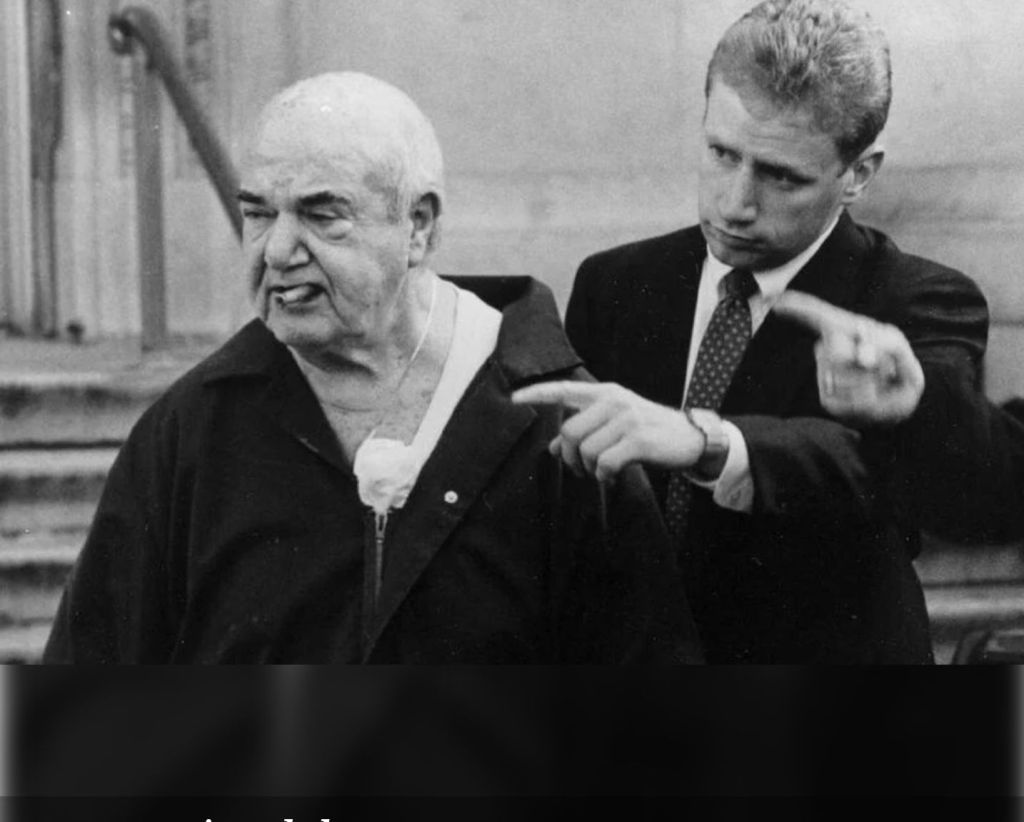
He earned that money over a nearly 50 year period, from 1948 until he died in 1992. His money was well known, with Fortune Magazine awarding him the crown of America’s Top Gangster in the 1980s. Racketeering was one of his many methods of earning green, and he mostly got away with it. However, in 1987 he was given a 100-year sentence, and the next year he was given an additional 70 years. However, just a few years after that at the age of 70 he had a stroke.
Harry “Happy” Maione
Born in 1908, Harry Maione was just a youngster when he got involved with Italian street gangs, eventually leading his own. In the 1930s, Murder, Inc. recruited him to be a contract killer for them, and he was given the task of going after the Shapiro Brothers, Jewish mobsters who were rivals of “Bugsy” Goldstein and “Kid Twist” Reles.
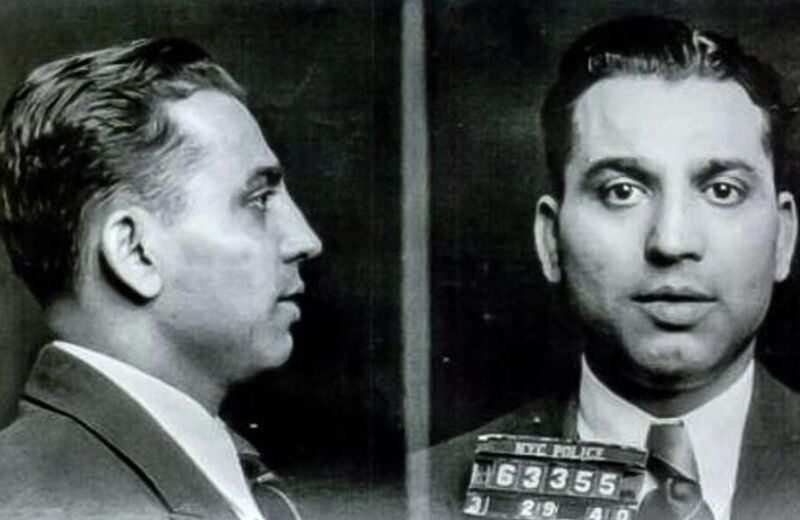
He had the nickname “Happy,” which was a playful twist on the fact that his face had a naturally less than happy look on it. One thing he had to be unhappy about was the fact that “Kid Twist” Reles gave him up. Maione ended up going to jail for first-degree murder. In 1941, Maione and Frank Abbandando, who was his protege, both got sent to the electric chair at Sing Sing.
Ben “Bugsy” Siegel
Benjamin “Bugsy” Siegel is among the founders of Murder, Inc, known for being enforcers for many mob groups, and he was an important figure in the Jewish mob as well as an important figure in developing the Strip in Las Vegas along with Meyer Lansky. Born in Brooklyn in 1906, he got his start in the 1920s, so naturally, he thrived in bootlegging during prohibition.
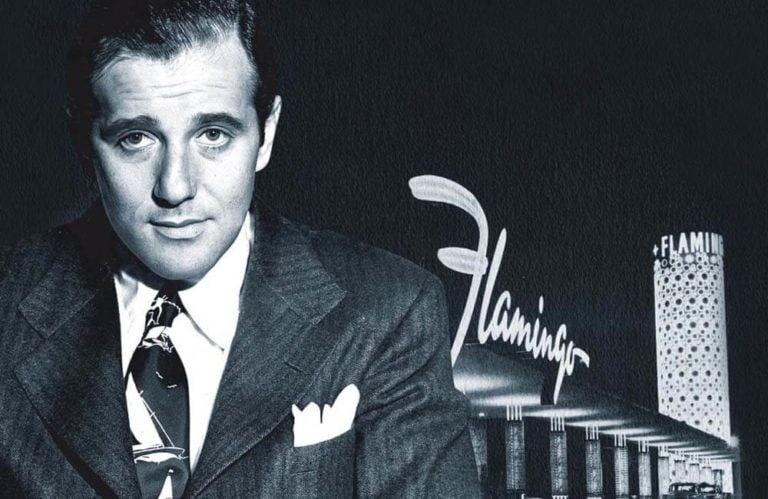
He was shot and killed in 1947, but before his death, he had a net worth of around $100 million. He has been regularly featured in popular culture, most notably in the film Bugsy where he is portrayed by Warren Beatty, and also in the shows Boardwalk Empire and Mob City, among others.
Lepke Buchalter
Louis “Lepke” Buchalter was born in 1897 in the Lower East Side of Manhattan. He could have followed in the footsteps of his father, who ran a hardware store, but he used his business acumen for a completely different line of work. He was the head of Murder, Inc, and he was one of the most prominent labor racketeers of his time.
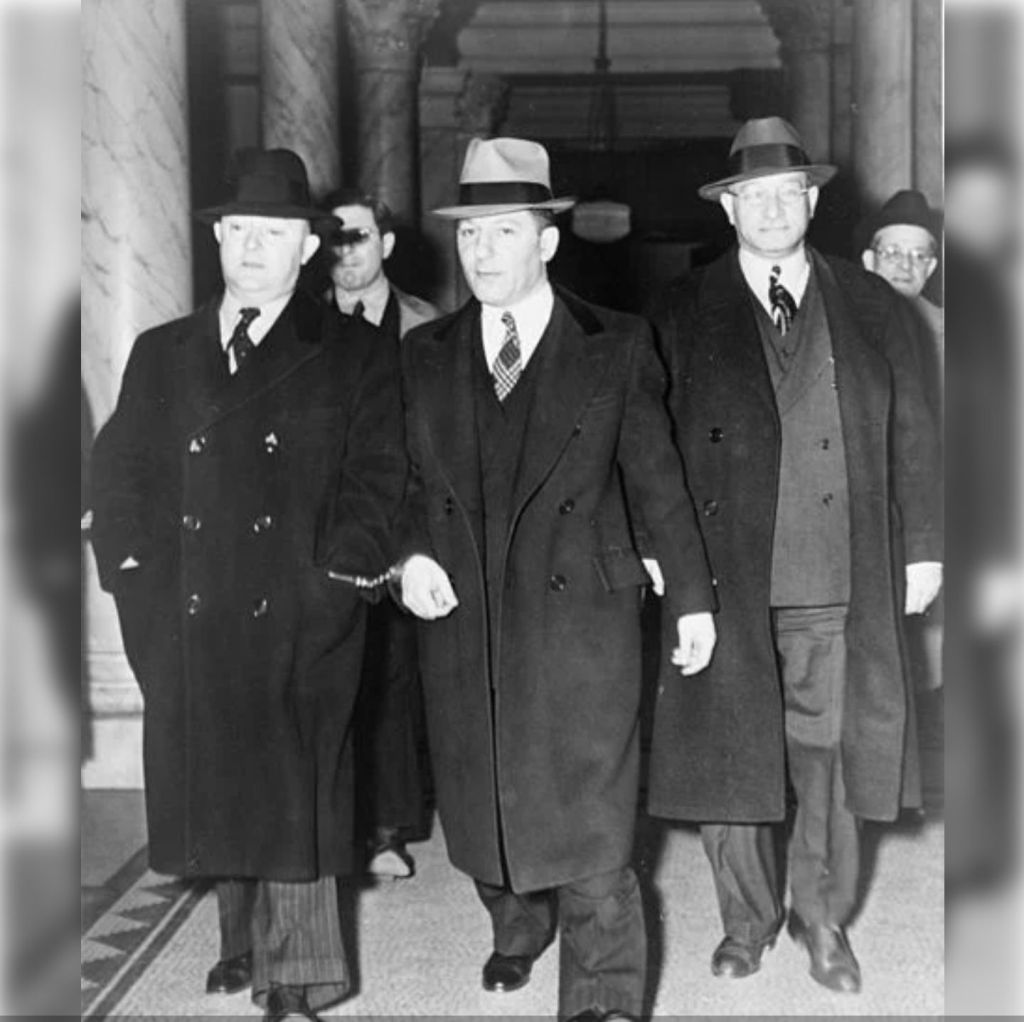
With Murder, Inc, he set up rules and procedures for the contract killings. He practically had his own empire, with 250 people who worked under him, and it’s no surprise that was earning nearly $20 million every year. Things came crashing down for him in 1936 when he was convicted in an antitrust case, and he became a fugitive. There was a manhunt as well as more charges to follow, including for murder. He ended up getting sent to Sing Song and was put to death in 1944.
Albert Anastasia
Born in Calabria in Italy in 1902, Umberto Anastasio has later rechristened Albert Anastasia when he went to America as a teenager. He co-founded and became the boss of the aforementioned Murder, Inc, and he was also one of the founders of the American Mafia. He was only 20 when he killed a longshoreman he got in an argument with, and he was sentenced to death for it, but he was found to be innocent after another trial.
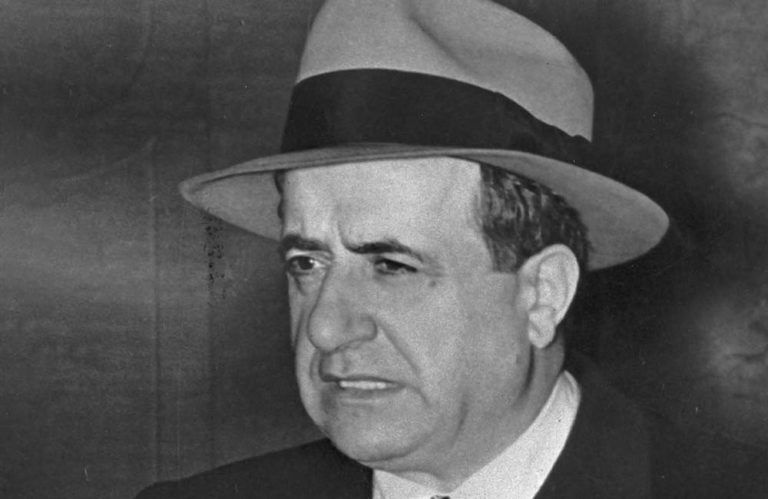
Before his killing in 1957 at the age of 55, he amassed somewhere between one and five million dollars, depending on who is doing the counting. Among his closest associates were mafia legends Charles Luciano and Vito Genovese. If you want to know what his personality was like, just consider that “Mad Hatter” and “Lord High Executioner” were both among his nicknames.
Johnny Torrio
Johnny Torrio was born Donato Torrio in Basilicata in Italy in 1882, and he was barely a few years old when he moved to New York City. It was in Chicago, though, where he became a household name, being a major figure in the foundation Chicago Outfit in the 1920s.
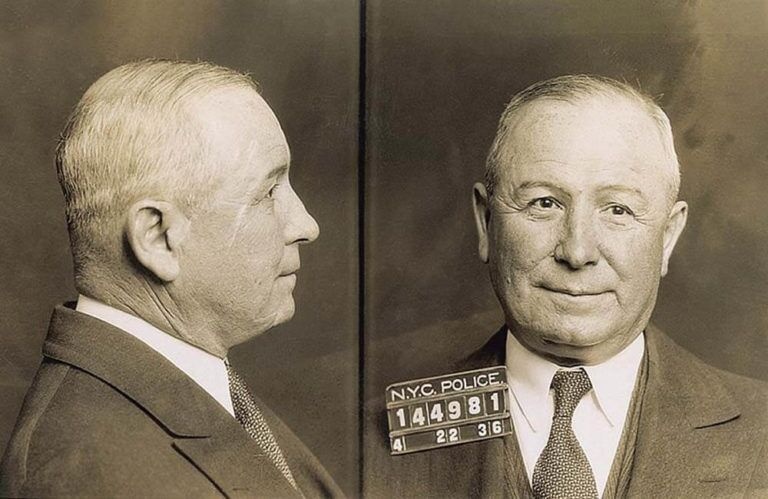
From 1920 until he died in 1957 when he was 75, Torrio apparently made around $5 billion. You could say he earned the money the hard way, considering there was an assassination attempt on his life in 1925, and he was shot while out shopping with his wife. After that happened, he decided to step down and move back to his homeland, allowing Al Capone to step up and take power. He didn’t last long in Italy, though, and eventually came back to the U.S., where he had to spend two years in prison.
Mickey Cohen
Meyer “Mickey” Cohen was born in Brooklyn in 1913, and he got his start as a professional boxer. It was only after his boxing career faded away that he took to crime, getting involved with Al Capone in Chicago. His crime career, which lasted from 1930 until 1963, was a national one, taking him to Las Vegas where he worked with Bugsy Siegel, managing the Flamingo Hotel’s gambling business.
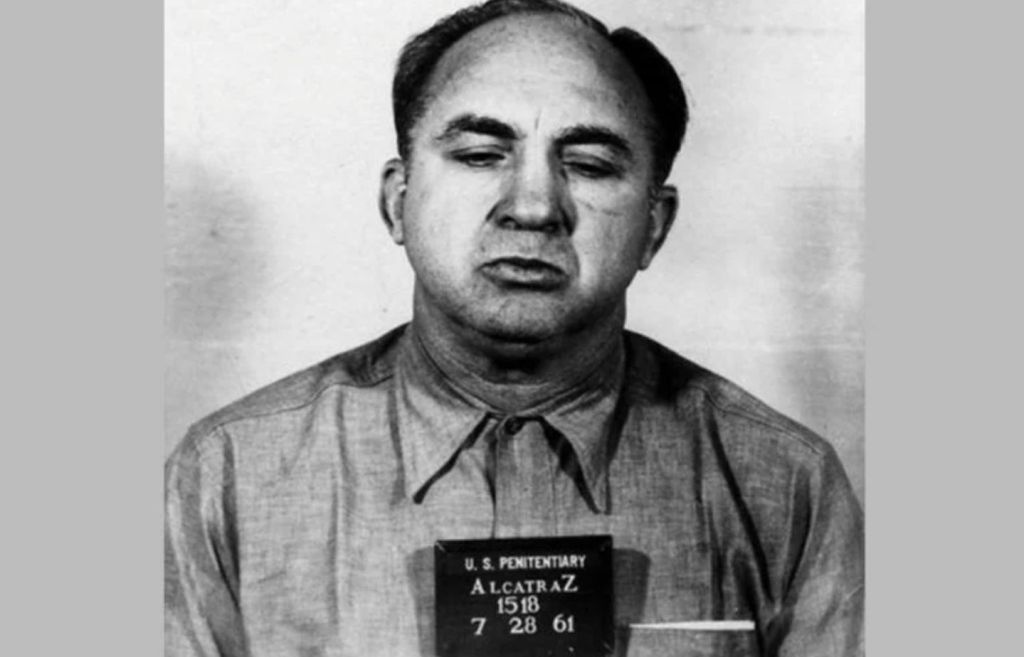
Like many mob men, he went to jail, spending four years in prison in the 50s, and he was sent to Alcatraz in 1961. He was a bonafide celebrity around that time, and his legend lives on today. Among the actors who have played him in films are Harvey Keitel and Sean Penn. He suffered from stomach cancer and died in 1976 at the age of 62 due to complications from surgery. His net worth was around $5 million.
Joe Adonis
Giuseppe Antonio Doto was born in Italy in 1902, and in 1909 he moved to America where he became known as Joe Adonis, with his nickname coming from a girl he went out with in the 20s. He was among the most important Cosa Nostra figures at the time, and he was well known to put a lot of effort into his appearance. Lucky Luciano apparently made fun of him for the amount of time he spent combing his hair and admiring himself.
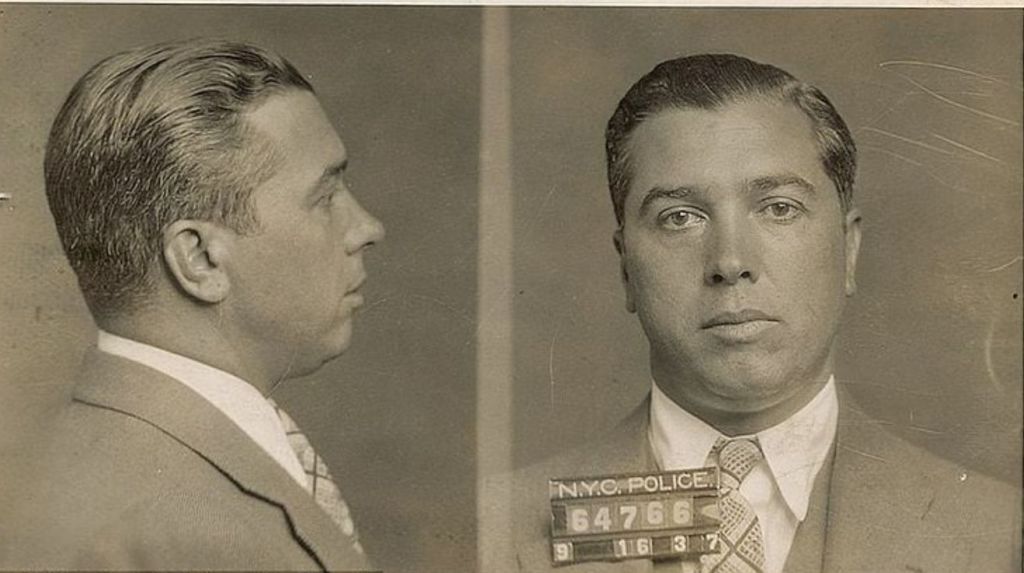
Adonis’ good looks may have concealed to somehow brutal as well as savvy the gangster could be. He built up a net worth in the hundreds of millions from his bootlegging and gambling endeavors. All around Broadway, he supplied booze to the clubs, and he got to mingle with the stars and the rich who would attend such venues.
John Gotti
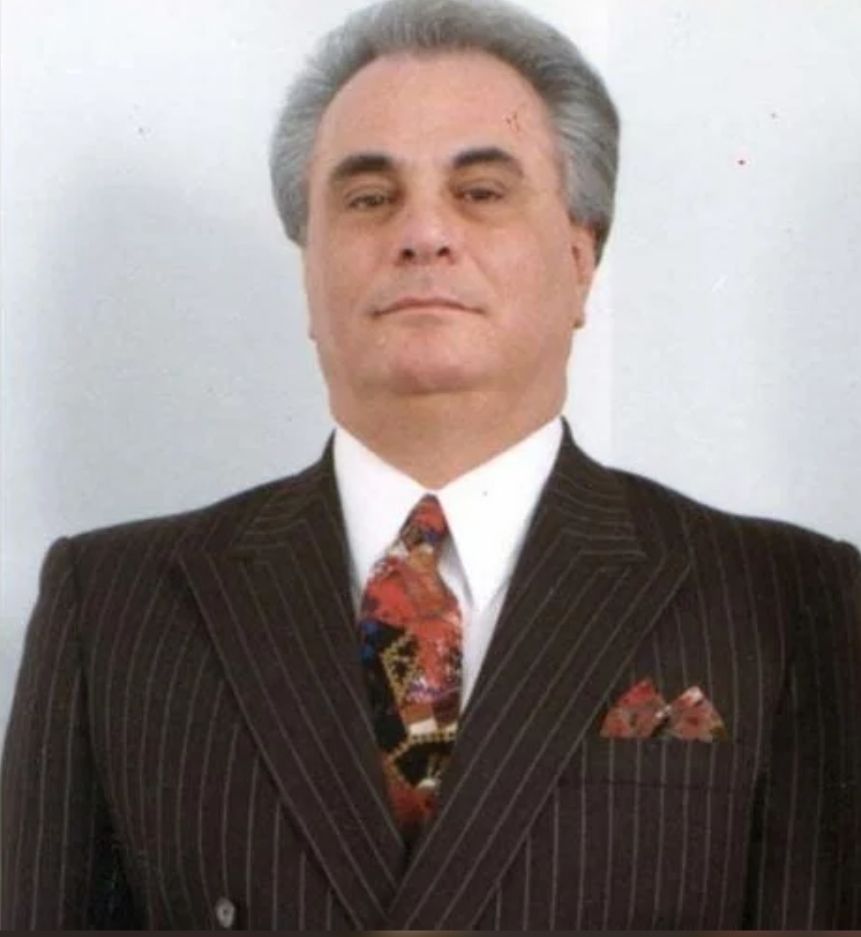
Few mafia men are as famous as John Gotti. Born in New York in 1940, he became the Gambino family boss in 1985 after arranging for then-boss Paul Castellano to be killed. He grew up poor, starting his crime career in 1952 when he was just 12 years old, and he continued in the “business” until 1992. His net worth was estimated to be around $30 million.
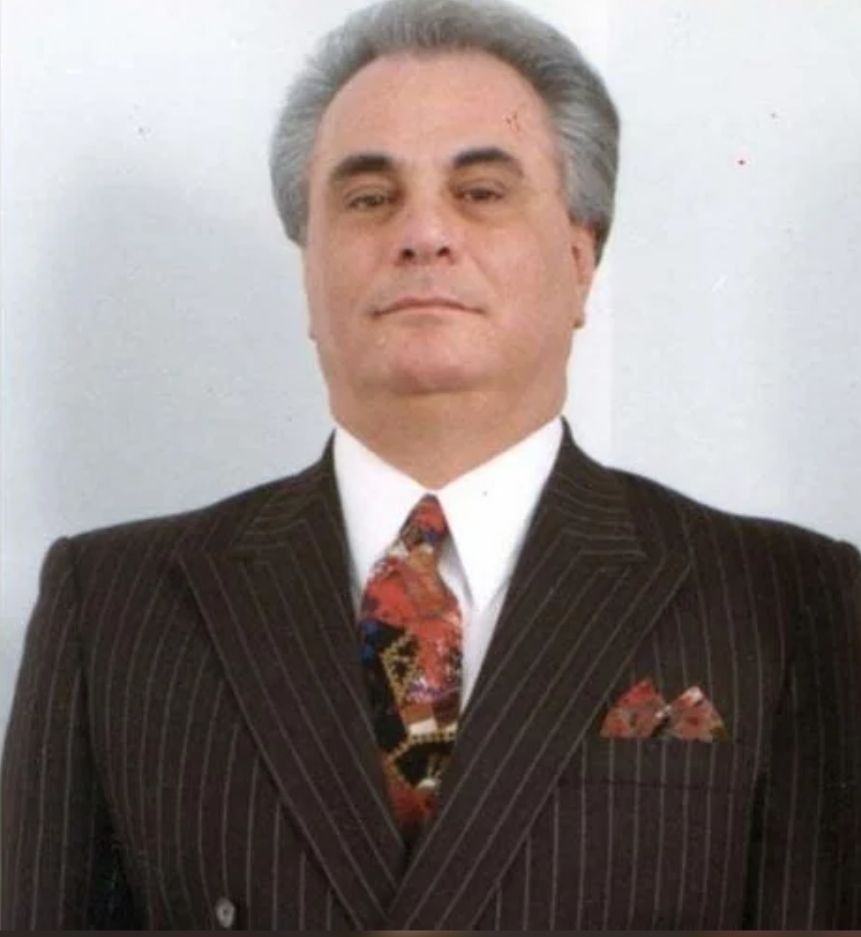
Early on he was an errand boy for Carmine Fatico, a capo in the Gambino family. From there he just rose and rose, but he got set back in 1968 when he was caught stealing from United Airlines. The setback didn’t last long though, and from then on his name could hardly be attached to any crime, thus the nickname “Teflon Don.” His luck ran out in the 90s when he went to jail, and he eventually died of throat cancer in prison.
Machine Gun Kelly
Machine Gun Kelly was born George Kelly Barnes in Memphis, Tennessee in 1895, and as you can probably guess, he was a fan of machine guns. He made good money from bootlegging in the 20s, and as did his wife Kathryn Kelly, and the two were partners in crime.
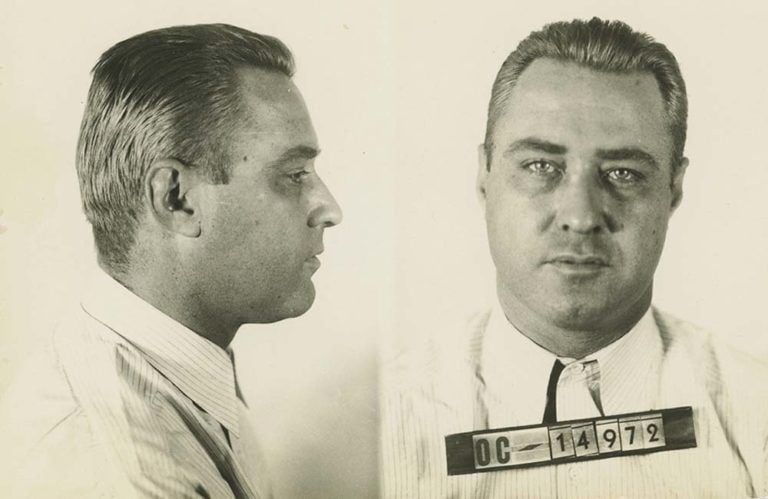
Among his claims to fame are kidnapping Charles F. Urschel, the oil tycoon, in 1933, and he got a ransom of $200,000 for it, which today would be worth roughly $4 million. That kidnapping ended up being his downfall, though. There was enough evidence from it to convict him, though, and Kelly went to jail. He spent 21 years in Alcatraz, and in 1954 he had a heart attack and died at the age of 59.
Vincent “the Chin” Gigante
Born in 1928 in New York, Vincente Gigante initially was a professional boxer, but he was involved in crime even as a teenager, with seven arrests between the ages of 17 and 25. When his boxing career wound down, he got deeper into the crime world. He got his start as an enforcer for the Luciano family, a natural job for him considering his boxing skills.
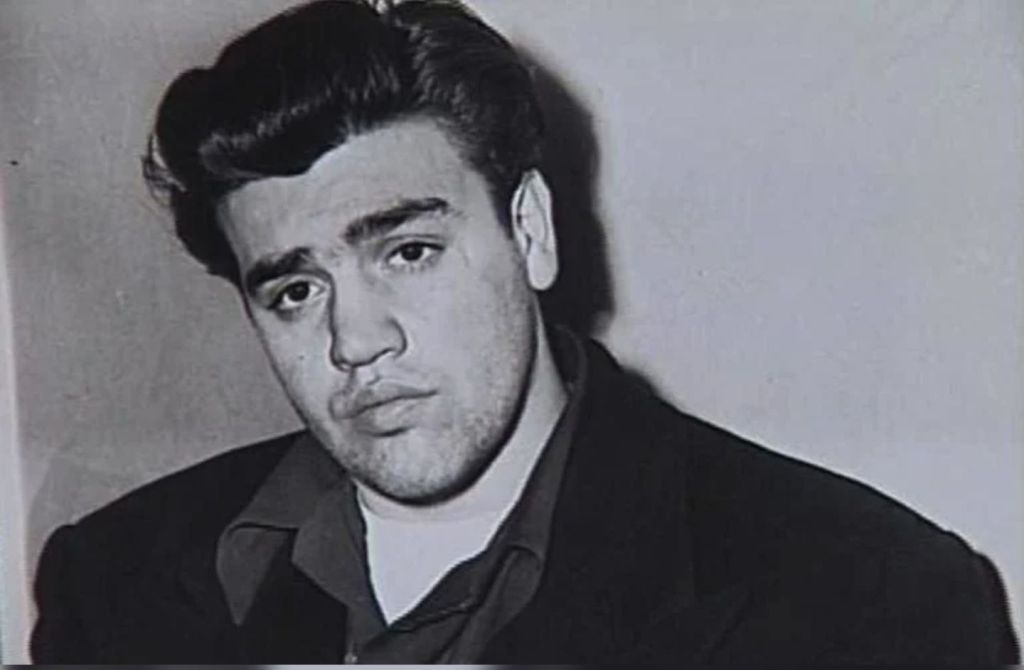
Nicknamed “The Chin” and “The Oddfather,” Gigante was in a family of fellow criminals, with one exception among his four brothers, and that expectation became a priest, of all jobs. Gigante threw the police off his scent by pretending to be insane and walking around in a bathrobe, not the usual attire for a hitman. He worked his way up, becoming the boss of the Genovese family in 1981, a position he held until his death in 2005 when he was 77 years old.
Vito Genovese
Vito Genovese was born in 1897 in Naples, and he came to the U.S. as a teenager, moving to Little Italy in Manhattan. He got his start in the crime world by stealing from pushcart vendors and doing various odd jobs for mobsters. He was just 19 the first time he went to prison. Among his childhood acquaintances was Lucky Luciano.
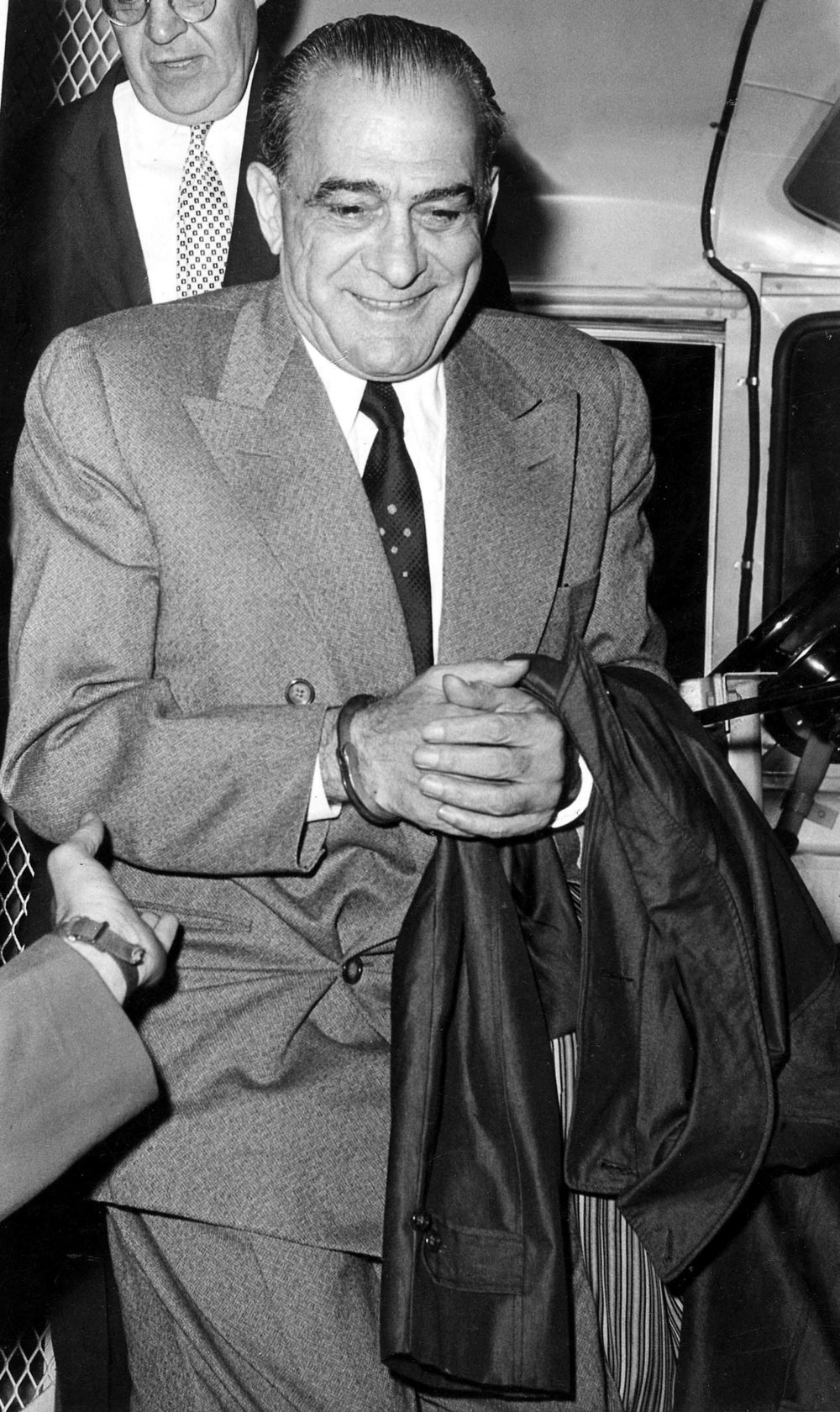
He became renowned as an enforcer and thrived during Prohibition. He took over the Luciano crime family and later on it became the Genovese crime family. Worth $52 million, he is among the most important figures in the shape of organized crime in America, and he was famously ruthless. A gangster who knew him said, “If you went to Vito and told him about some guy who was doing wrong, he would have this guy killed, and then he would have you killed for telling on the guy.”
Dean O’Banion
Dean O’Banion only lived to the age of 32, but in his short life, he proved his worth as one of the most formidable mob men in America. Born in a small town in Illinois, he moved to Chicago as a kid. In the 1920s he emerged in the crime world as a bootlegger, and he was famously a foe of Al Capone.
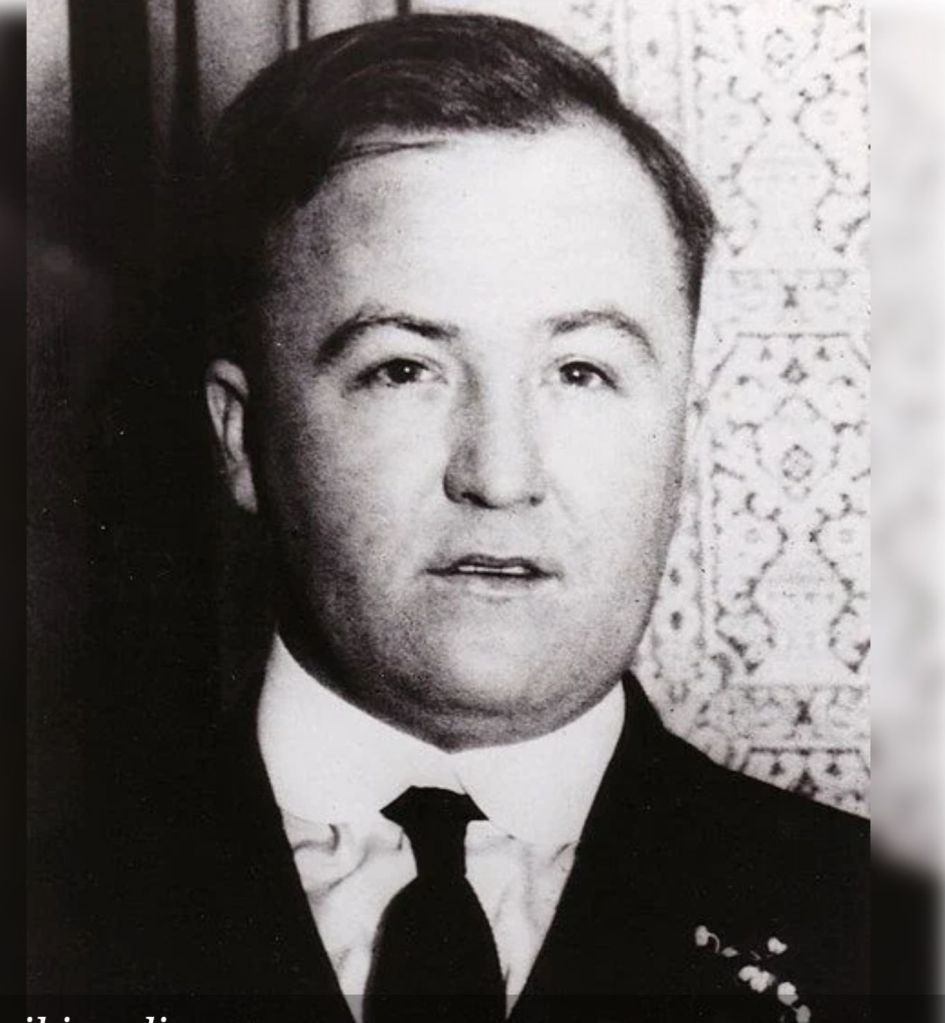
He apparently made a million dollars a year from bootlegging, but he was not happy with the territory deal that he had with the Chicago Outfit. He tried giving them an offer that they couldn’t refuse, but it backfired against him, and one day in 1924 when he was at a florist and clipping flowers in the back room, he got two bullets in his throat and two in his chest.
Frank Nitti
Born Francesco Raffaele Nitto in 1886 in Italy, Frank Nitti was one of the main henchmen working for Al Capone, and eventually, he became the head of the Chicago Outfit. He was a very young child when he moved to the U.S., and he thrived in his new country’s world of crime.
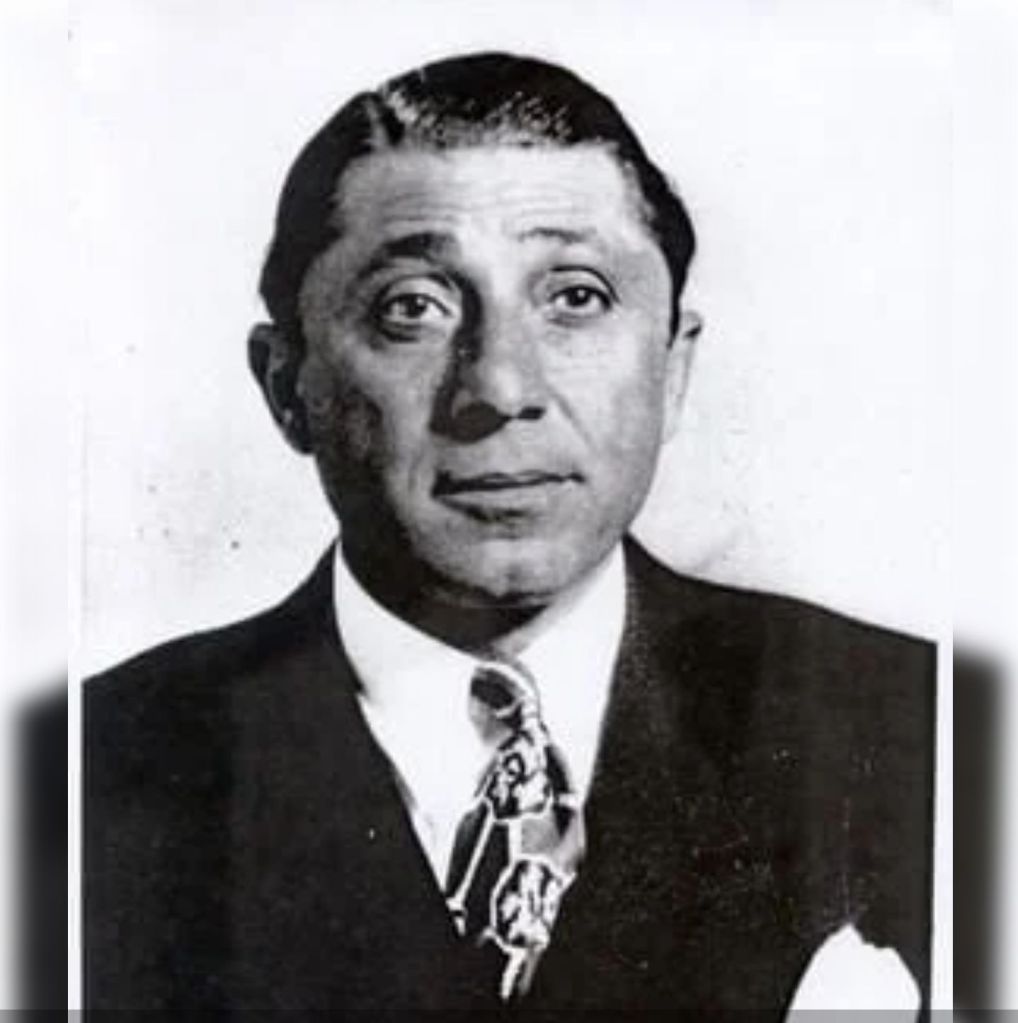
His responsibilities were not just taking care of people who needed taking care of. He also kept an eye on the organization’s money, and he unsurprisingly made millions for his work. Eventually, the feds were on to him, though, and for Nitti, going to jail was a worse fate than death. In 1943, when he was 57 years old, he saw no better choice than shooting himself. Among the films that depict him are Capone, The Untouchables, Road to Perdition, and Public Enemies.
Bonnie Parker and Clyde Barrow
Not many crime-fighting duos can claim to have their names be part of our cultural lexicon like Bonnie and Clyde. Even though they didn’t make as much money as other criminals of the era and were only active for a few years, the two lovers on the run robbing banks are icons.
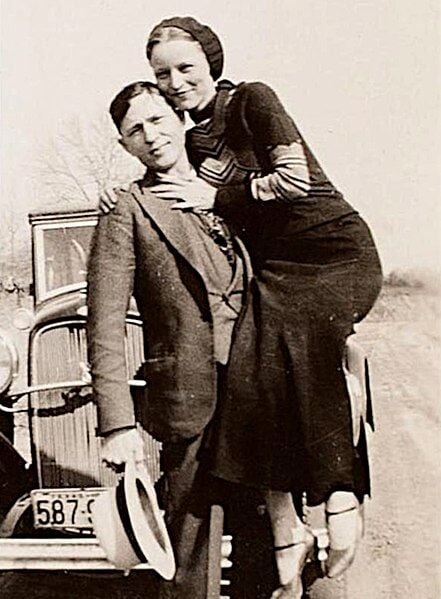
From 1932 to 1934, banks and shops around America lived in fear of the two violent lovers. They seemed unstoppable, but the two were killed by the police in an ambush in 1934 in Louisiana. The 1967 film Bonnie and Clyde starred Warren Beatty and Faye Dunaway as the criminal couple, and the 2019 Netflix film The Highwaymen starring Kevin Costner and Woody Harrelson is about the police officers on their tail. There are also many songs and other cultural works about them, and their names are evoked regularly.
Meyer Lansky
You can’t touch Meyer Lansky. The “Mob’s Accountant” did not go to jail a single time in his seven-decade-long crime career, and had $300 million to his name over his career, making him one of the most successful criminals ever. He was close with Bugsy Siegel, and he was a key figure in developing Las Vegas.
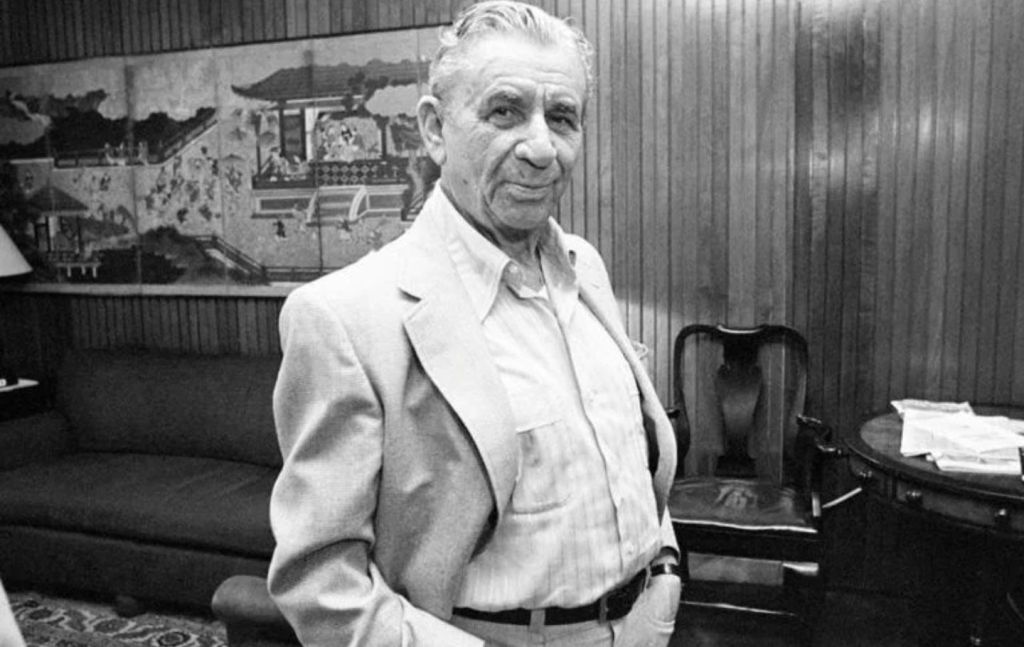
He had bad luck towards the end of his life, though, with just $57,000 at the time of his death. If you’re shocked by how much his wealth declined, think of how shocked his family must have been. He inspired the character, Hyman Roth, from The Godfather Part II, and was played by Ben Kingsley in Bugsy, in addition to being a character in the shows Boardwalk Empire and Mob City.
John Dillinger
John Dillinger is another iconic crime figure who made a mark despite dying young. Born in Indianapolis in 1903, he started young, in his 20s when he began making robberies. He led the Dillinger Gang, which robbed two dozen banks, and went to jail several times, even escaping jail twice.
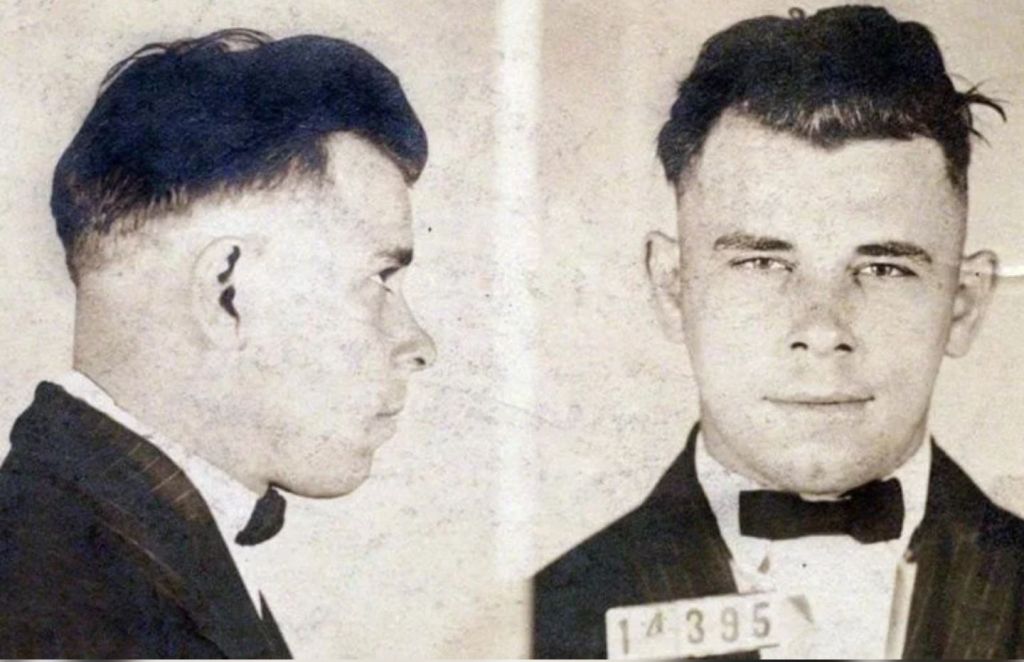
He became such a recognizable face to the police that he got plastic surgery to distort it. In a short number of years, he was remarkably successful, making millions of dollars. His crime career came to an end when he got shot and killed in 1934 at the Biograph Theater in Chicago by federal agents. He is played by Johnny Depp in the film Public Enemies, directed by Michael Mann.
Angelo Bruno
Angelo Bruno was born Angelo Annaloro in Sicily in 1910, and he was different from the usual mob man. Rather than using violence to solve disputes, he was more diplomatic, and he promoted bringing people together to talk their problems out. This was unorthodox in his line of work, but considering he had $11 million to his name, maybe there was something to it.
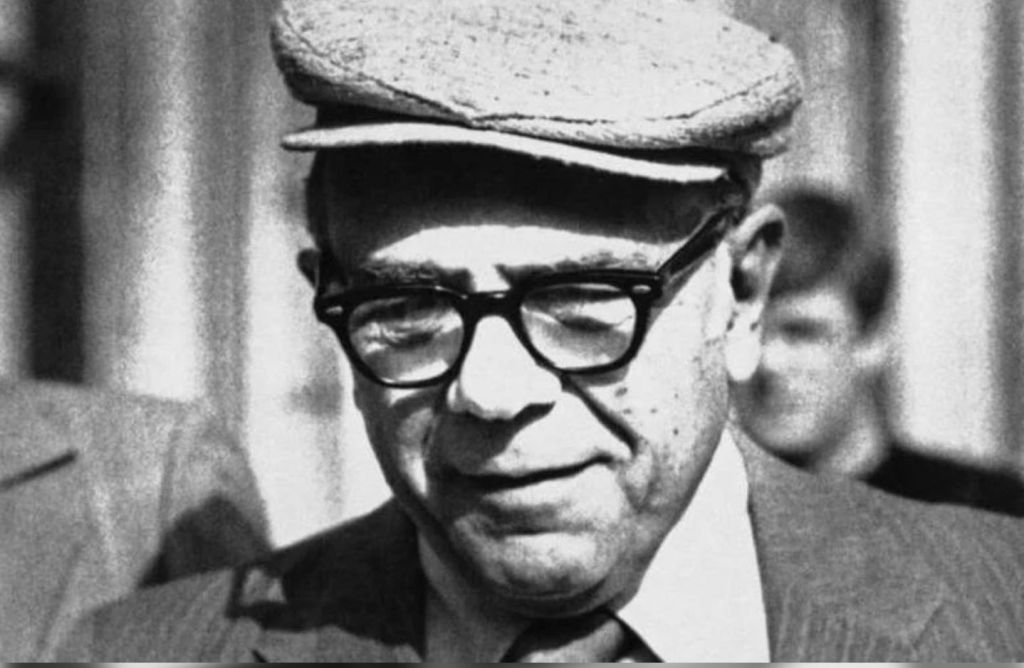
His 50 years crime career, from 1930 until he died in 1980 when he was shot dead, was an illustrious one, and in 1959 he became the Philadelphia family’s boss. Loan sharking was one of his primary modes of profit, and he was known to prefer that to more unsavory ways of earning. A mob war ensued after his death. If you watch Martin Scorsese’s The Irishman, you will see Bruno portrayed by Harvey Keitel.
Baby Face Nelson
Baby Face Nelson was born in Chicago in 1908. He was one of the most feared and despised gangsters of his time, having killed more agents than any other gangster of his era. He was partnered with John Dillinger, helping him get out of prison and robbing banks with him. He outlived his partner, but not by much, dying around five months later when he was just 25 years old.
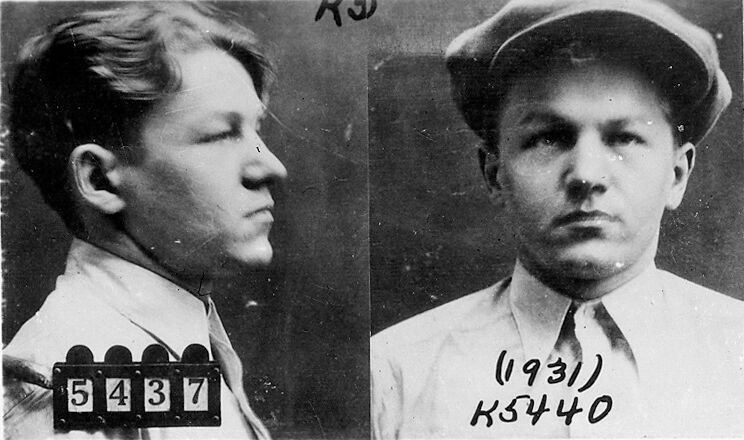
He was shot by FBI agents during “The Battle of Barrington.” He actually was able to get away that day, but his injuries were so bad it did not make a difference. He was featured in many films, including Public Enemies, O Brother, Where Art Thou, Baby Face Nelson, The FBI Story, and Dillinger. He reportedly made around $5 million in his lifetime.
Al Capone
Al Capone, the original “Scarface,” was born in 1899 in New York, though Chicago is where he earned his stripes. He got his start in the crime world in the 1920s, making a killing, and many killings, during the Prohibition era. Considering his stature, and his net worth of around $100 million, many would be surprised to know his crime career was fairly brief.
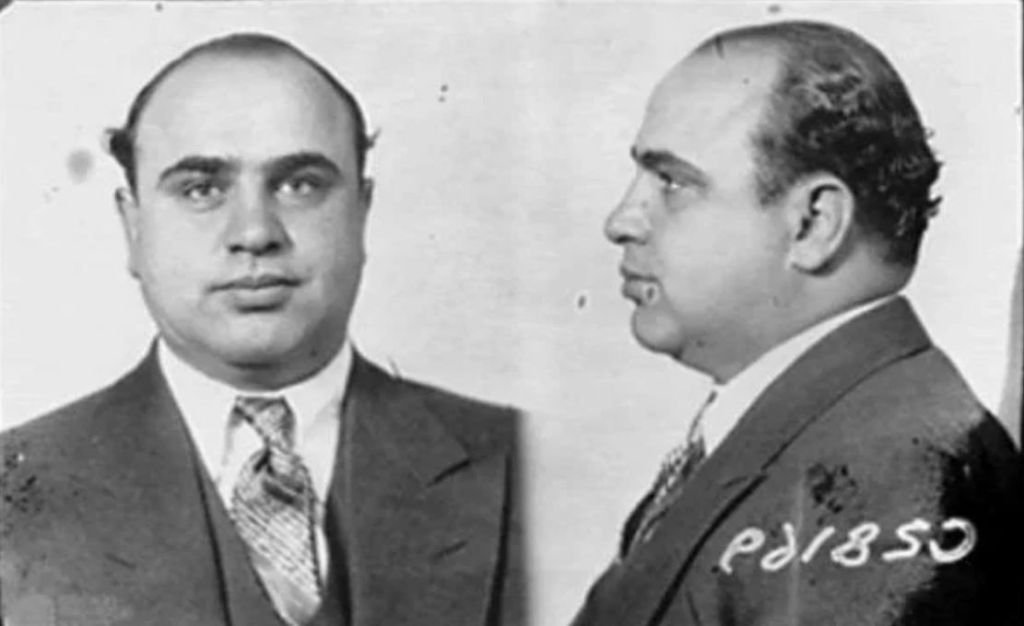
In Chicago he founded the Chicago Outfit, running it for seven years before going to jail. He was just 33 when that happened. In 1947, when he was 48, he had a stroke and died of cardiac arrest. He left behind a legacy, including possibly being behind the Valentine’s Day Massacre, and he was a celebrity of his day. He is a character in the film The Untouchables where he is played by Robert De Niro, and Tom Hardy played him in the film Capone.
Bugs Moran
Born in Minnesota in 1893, George “Bugs” Moran was a famous gangster in Chicago during the Prohibition days, and he started young, going to jail three times before he was even 21 years old. He worked under Dean O’Banion, and he was able to make millions as a bootlegger. However, the turf wars with Al Capone got ugly, and many members of his gang died in 1929 in the Saint Valentine’s Day Massacre.
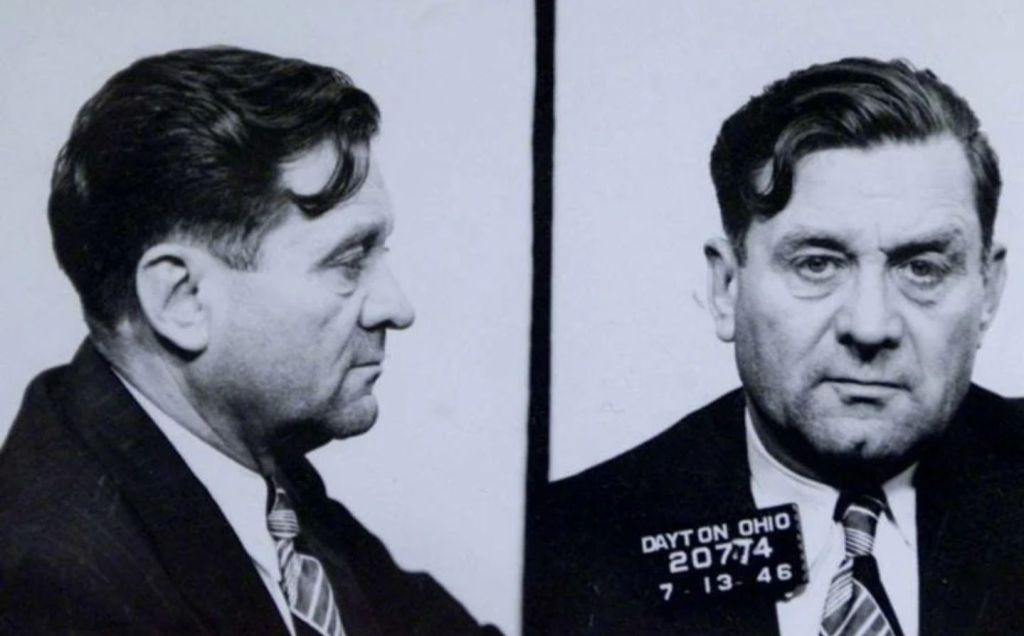
Moran was apparently the main target of the massacre, but he escaped, and he even told the authorities that Capone was behind it, which broke the honor code of never revealing anything to the cops, even if it was about your enemies. He left the gang in the 1930s, but he was not able to go clean, and he was convicted of many crimes after that. He died of lung cancer in jail in 1957 when he was 63 years old.
Sam Giancana
Sam Giancana was born in 1908 in Chicago. With six decades in the crime business, he is one of the most successful gangsters ever, supposedly making tens of billions of dollars. He first joined a gang as a teenager, and he worked his way up the ranks to eventually run the Chicago Outfit from 1957 to 1966.
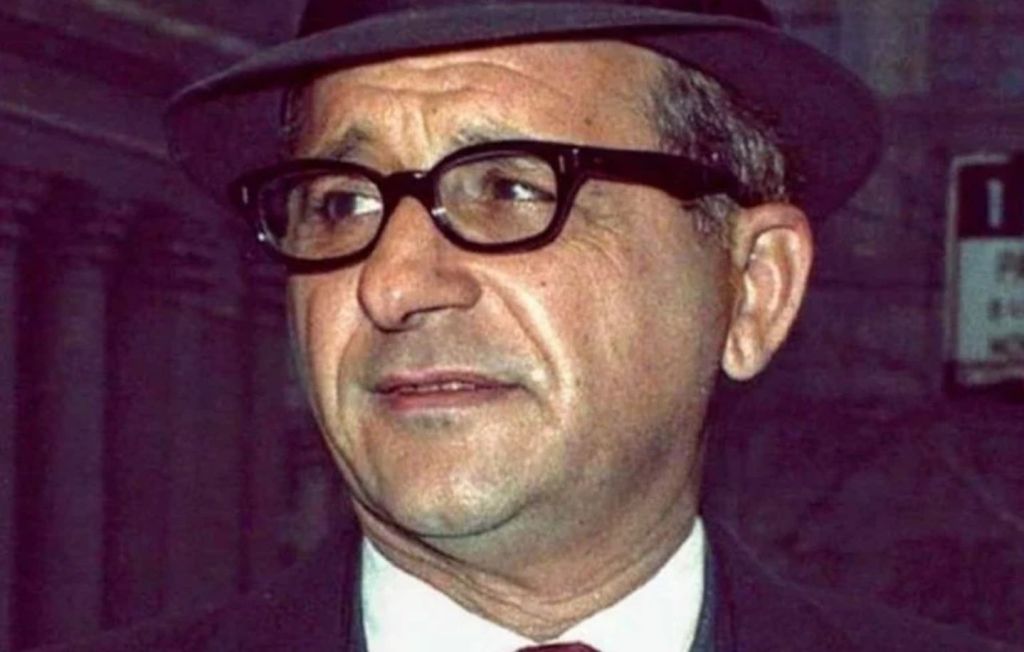
Giancana’s name is one of many that is believed to possibly be behind the assassination of JFK, despite there not being hard evidence to support that theory. He was just 67 years old when he died. He was under investigation by the CIA and had an interview coming up. Someone evidently did not want him to speak to the feds, and he was shot to death in his house, despite being under police protection.
Joe Masseria
Giuseppe Masseria, born in Sicily, became “Joe the Boss” in the United States. He moved to New York as a teenager, and he joined the Morello crime family. In 1922, he became the boss of the family, and he held that position for nearly a decade. Masseria was always thinking big, but so were others, and he was taken down by one of his own.
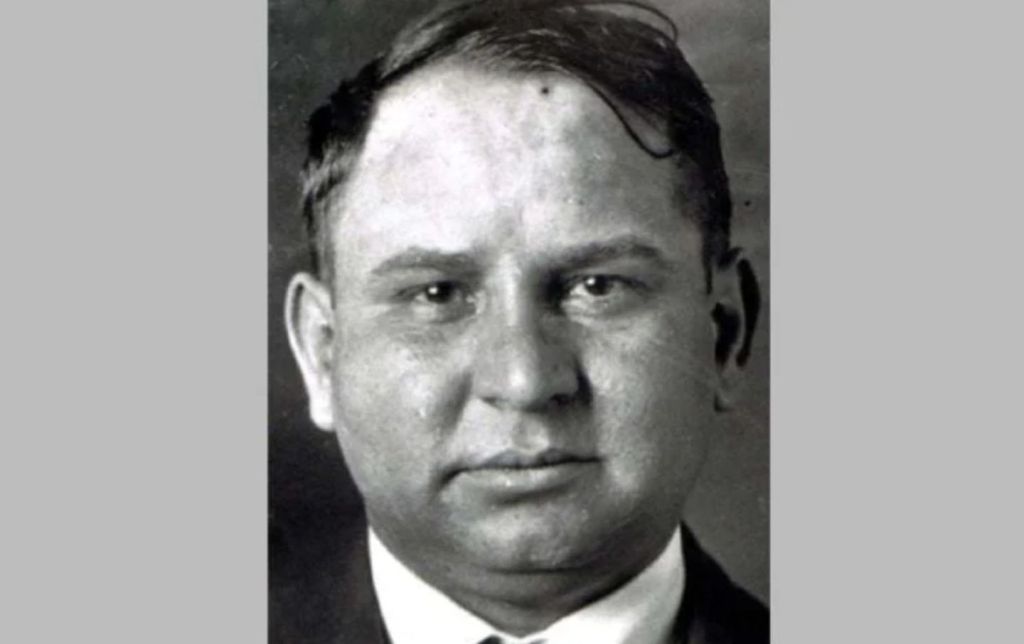
He was a player in the Castellammarese War, and it was his own death at the age of 45 that ended it. The person who killed him was Charles Luciano, his lieutenant. It happened during a game of cards, and Masseria’s life of crime, which spanned three decades and earned him $12 million, came to an end. Masseria was portrayed in several pop culture pieces, including the films The Valachi Papers, Lucky Luciano, Mobsters, and Lansky, as well as the show Boardwalk Empire.
Charles “Lucky” Luciano
Charles “Lucky” Luciano is a true crime legend, known as the father of America’s organized crime. He was born in Sicily in 1897 and came to the U.S. when at the age of eight. When he was 14, he abandoned his schooling to deliver hats for $7 a week. He soon realized there was more money to be made in illegitimate ways, getting into gambling and soon gangs.
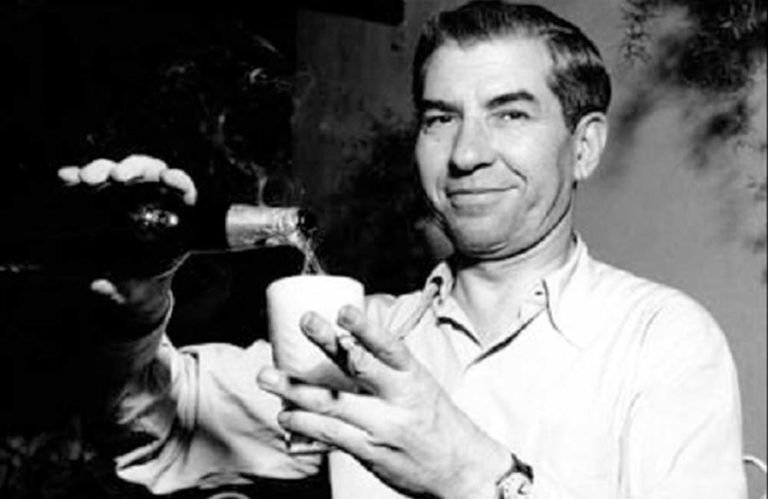
It was bootlegging where he made his fortune, earning around $4 million every year. He became the boss of the Genovese crime family and continued with that position even after going to jail in the 1930s. He got his sentence shortened, and he went back to Italy where he lived for the rest of his life. He was 64 years old when he died of a heart attack.
Joe Gallo
Born in 1929 in New York, Joe Gallo is nicknamed “Crazy Joe,” which describes him fairly well. He was actually schizophrenic, which may have helped him in his job as an enforcer for the Profaci family. What was good for his career was not good for the family, though, and he turned against them after putting together his own team of men and deciding he would work on his own.
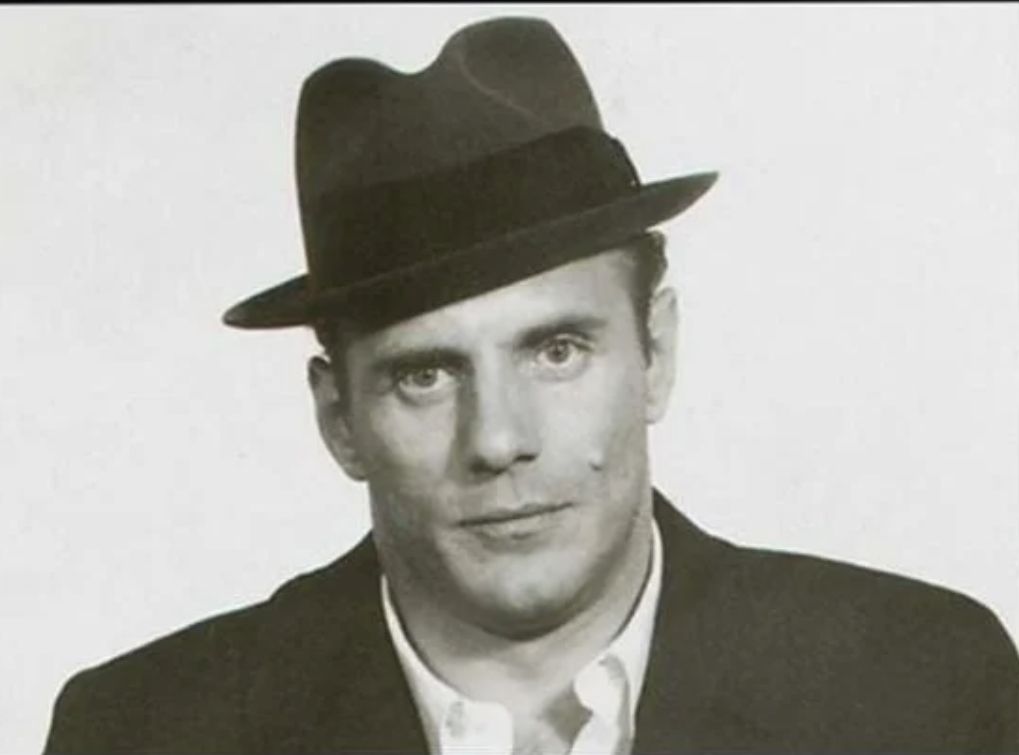
His behavior ended up catching up with him, and he went to jail in 1961 for his many unsavory deeds. He was sentenced to seven to 14 years. He was released and upon his release, he was offered to sign a peace deal for $1000. He refused, asking for $100,000. The peace deal did not happen. Not coincidentally, Gallo was shot and killed in 1972 during a celebration of his 43rd birthday at a restaurant in Little Italy.
Pretty Boy Floyd
Charles Arthur Floyd was born in 1904 in a small town in Georgia and he went on to be one of the most notorious bank robbers in American history. His exploits were well-publicized, and rather than being feared by the general public, people loved him, as he burned people’s mortgage papers during the robberies and got many homeowners out of their debts. Even though his intentions were not noble, he gained a Robin Hood-esque status.
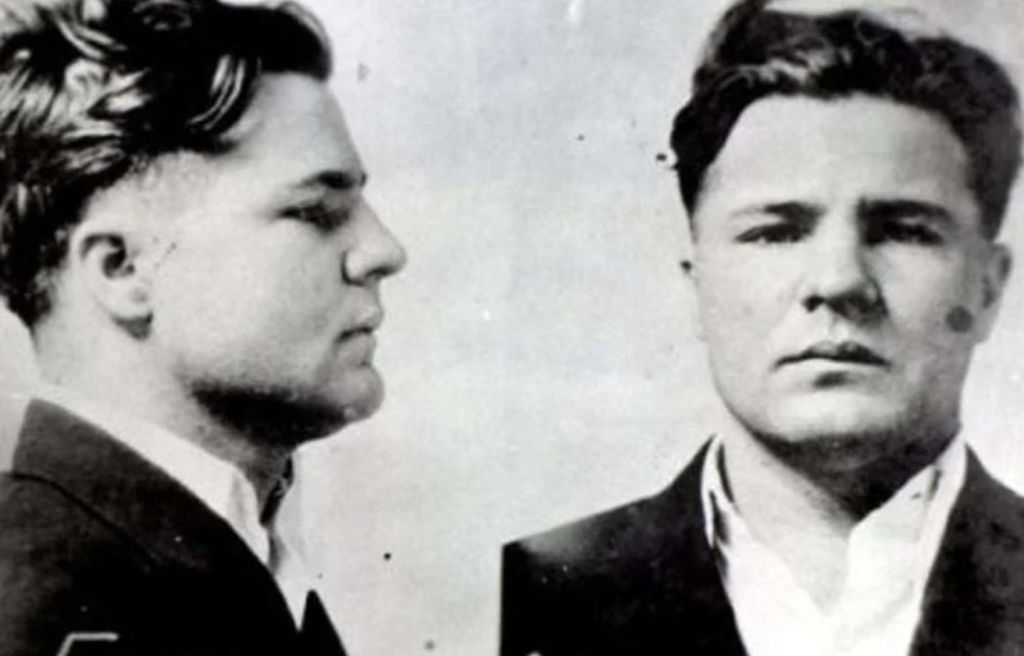
After the death of John Dillinger, Pretty Boy Floyd became Public Enemy No. 1. Floyd’s time would soon be up as well, and on October 22, 1934, when he was 30 years old, he was shot dead in Ohio by the police. His funeral had 20,000 people in attendance. He was played by Channing Tatum in the film Public Enemies.
Henry Hill
Anyone who has seen the film Goodfellas will recognize the name Henry Hill. Played by Ray Liotta in the film, Hill is a famous mob man with the Lucchese family who became an informant after being arrested, leading to fifty people being convicted, and he had to join the Witness Protection Program.
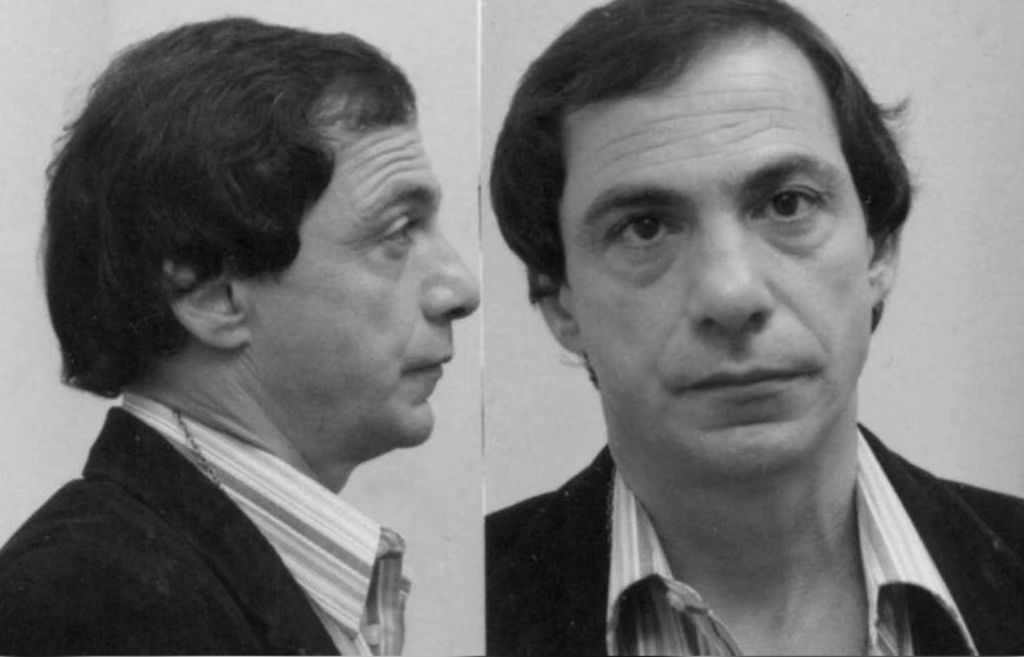
Hill was born in New York, and he was just a kid when he got involved in the life of crime. You’d think his arrest in 1980 would end his involvement in the crime world, but he got in trouble in 1987 for trafficking cocaine and again in 2004 for leaving luggage at the airport with drug paraphernalia in it. In 2009 he was put on probation for public intoxication and was later arrested for disorderly conduct. He died in 2012 at the age of 69, suffering from heart disease.
James Burke
James Burke was born in 1931 in New York, and the Irish American gangster who had the nickname Jimmy the Gent was famous for possibly organizing the Lufthansa heist. When it happened in 1978, it was America’s biggest cash robbery. It is also believed that he had a number of people involved in that heist killed shortly after. You can never be too careful, after all.
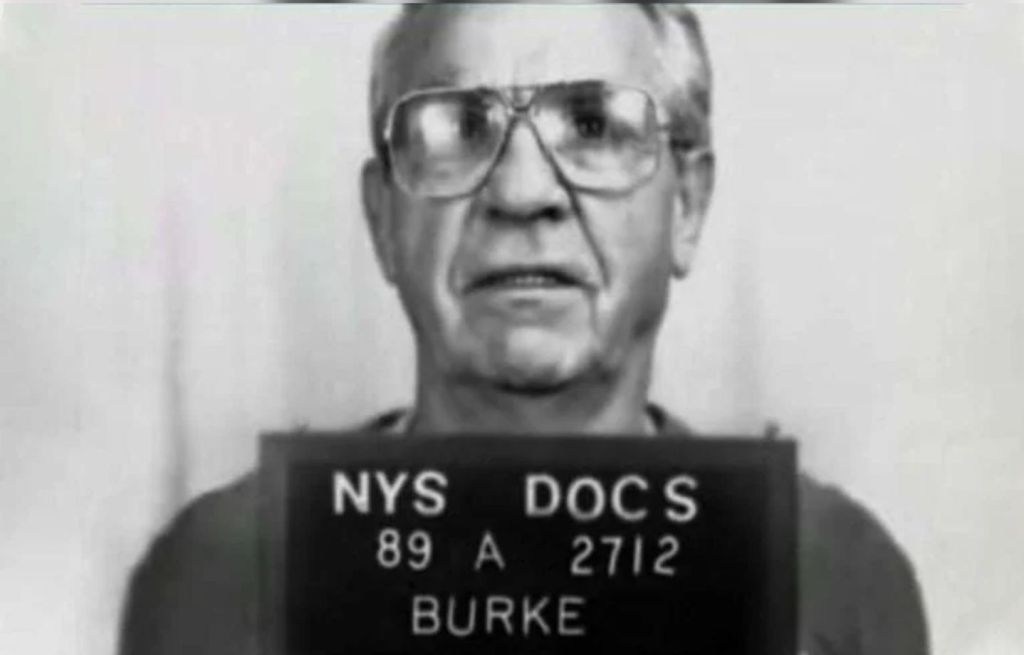
Burke was one of the many men who were turned in by Henry Hill. He was in prison for a different crime at the time, and because of Hill’s claims, Burke got an additional 20 years tacked onto his sentence. It is said that Burke was worth $2 billion. He died of cancer in 1996 when he was 64 years old, still imprisoned at the time. He was the inspiration for Robert De Niro’s character in Goodfellas.
Tommy Lucchese
Gaetano “Tommy” Lucchese was born in Palermo, Sicily in 1899. He was one of the U.S. Mafia’s founding members, and he was the Lucchese family boss from 1951 through 1967, and that was after decades of working his way up in the crime world. He did this alongside Lucky Luciano, who started a gang when they were young, committing petty crimes.
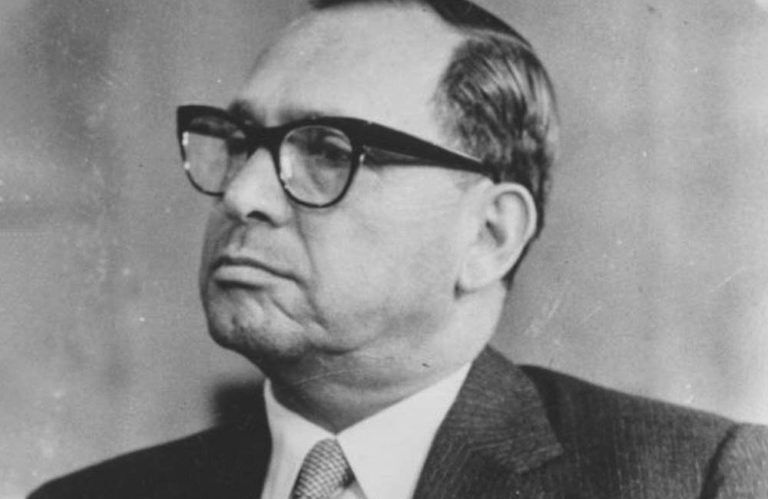
The two men were nothing if not ambitious, and those petty crimes soon graduated to bigger ones. Lucchese always kept a strong network going, and he was tight with Tommy Gagliano. When Gagliano died, Lucchese became boss of the family, which was given Lucchese’s name. Another close connection of his was Carlo Gambino, with who he joined forces, and the two even got their kids married to each other.
Peter Licavoli
Born in 1902, Peter Licavoli made hundreds of millions of dollars during Prohibition. As a mob boss, he moved all around the country. St. Louis was his domain, and he also ran outfits in Toledo, Ohio, and Detroit, Michigan. He may not have been in the major crime circles of New York and Chicago, but his empire was as formidable as any other.
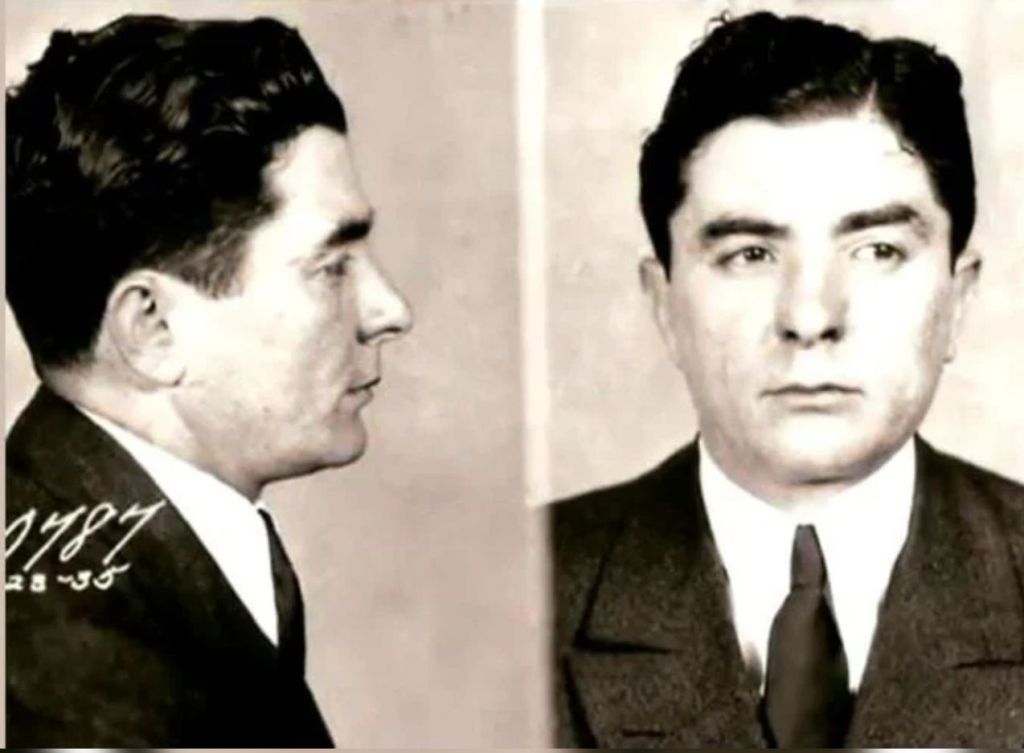
Licavoli made some mistakes. He ended up spending two years in prison in Kansas for bribing a federal official, a charge that could stick though his murder charges couldn’t. In his 40s, he decided to give up the life of crime. He moved to Tucson, Arizona, and spent the second half of his life on Grace Ranch. He passed away in 1984, living a longer life than most of the gangsters on this list.
Harry Keywell
Born in 1910, Harry Keywell was part of the notorious Purple Gang in Detroit. They controlled the city in the 1930s, with gambling and bootlegging being the moneymakers. Keywell did not last long with the gang. In 1929 he was questioned by the Chicago Police about the St. Valentine’s Day Massacre, as they believed he was a lookout for the perpetrators, but he had a rock-solid alibi.
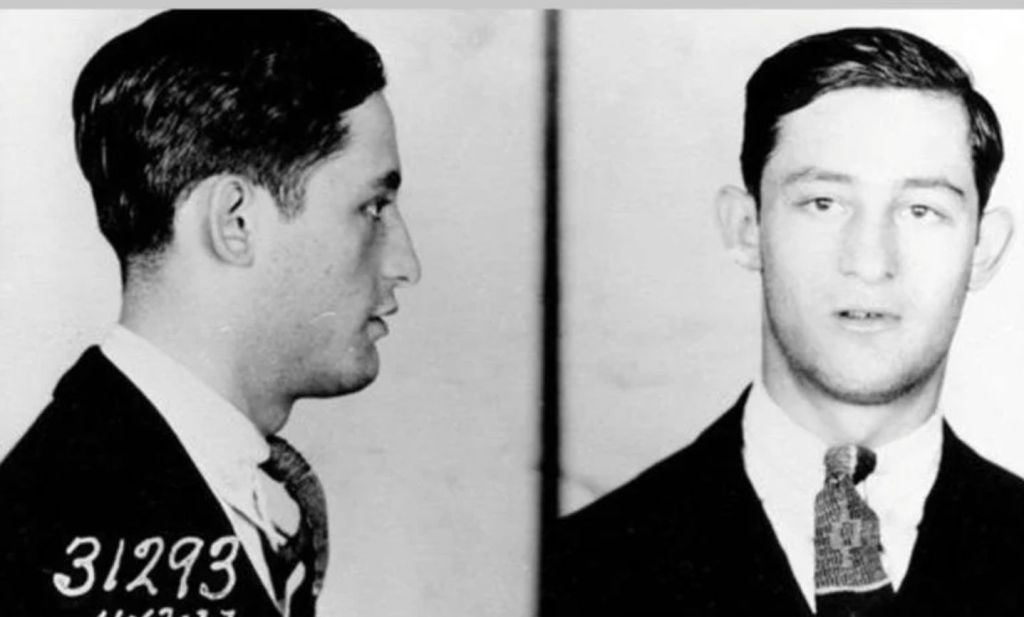
In 1931, the police caught up with him again, this time for the Collingwood Manor Massacre. He ended up getting life in prison. In 1965, when he was 54 years out, he got parole and was able to be released early. After that, he got married and lived a clean life. He suffered from Alzheimer’s late in his life and in 1997 he passed away.
Abe “Kid Twist” Reles
Abraham Reles was a Jewish Mobster from Brooklyn, born in 1906. He became known as Kid Twist, likely named after another Jewish gangster. He was a teenager when he got started in crime, and among his friends were Buggsy Goldstein and Harry Strauss. Stealing was their game early on, and in 1921 when Reles was a teenager, he got arrested for stealing chewing gum. The cost of the gum was $2.
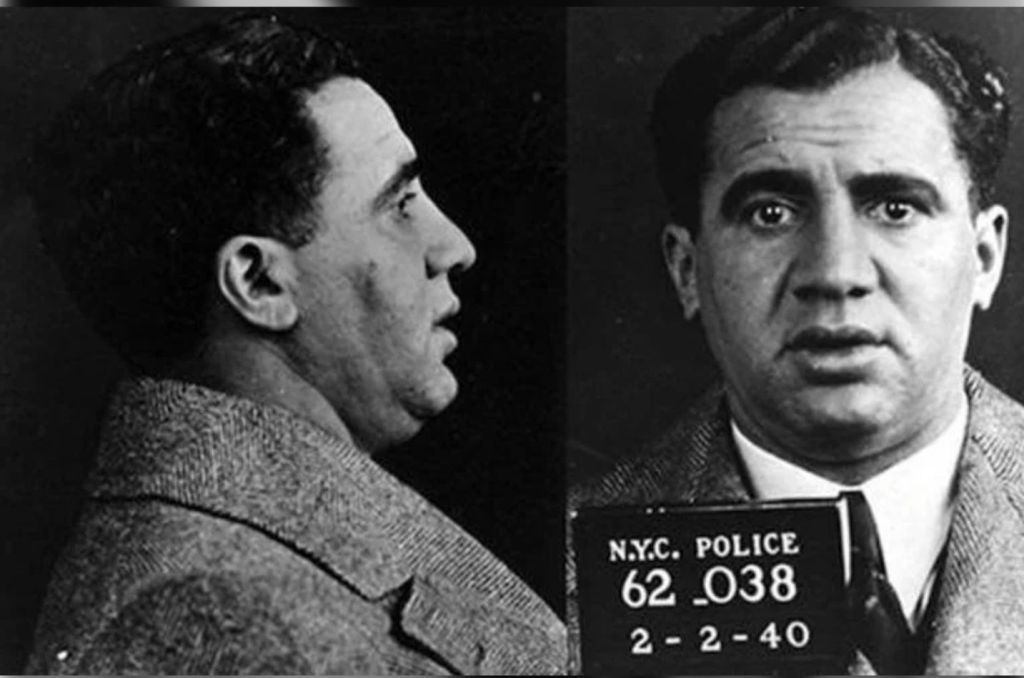
Reles’ became famous as a hitman for Murder, Inc. Reles’ small size made him appear non-threatening, but a look in his eyes showed the danger that lurked within him, and he killed far more people than was necessary for his work. He was later a witness for the government, and just before he was going to testify against the Gambino family in 1941, he somehow fell out of a window, but of course, nobody believes he really fell.
Hell-Cat Maggie
Born in 1820, Hell-Cat Maggie was a criminal in the Dead Rabbits, an Irish street gang that ruled some turf in Manhattan in the 1830s through 1850s. She is among the few female crime bosses who date so far back, and she was not someone even the toughest men wanted to mess with. She fought dirty, with teeth that were filed to become sharper, and fingernails with extended brass pieces.
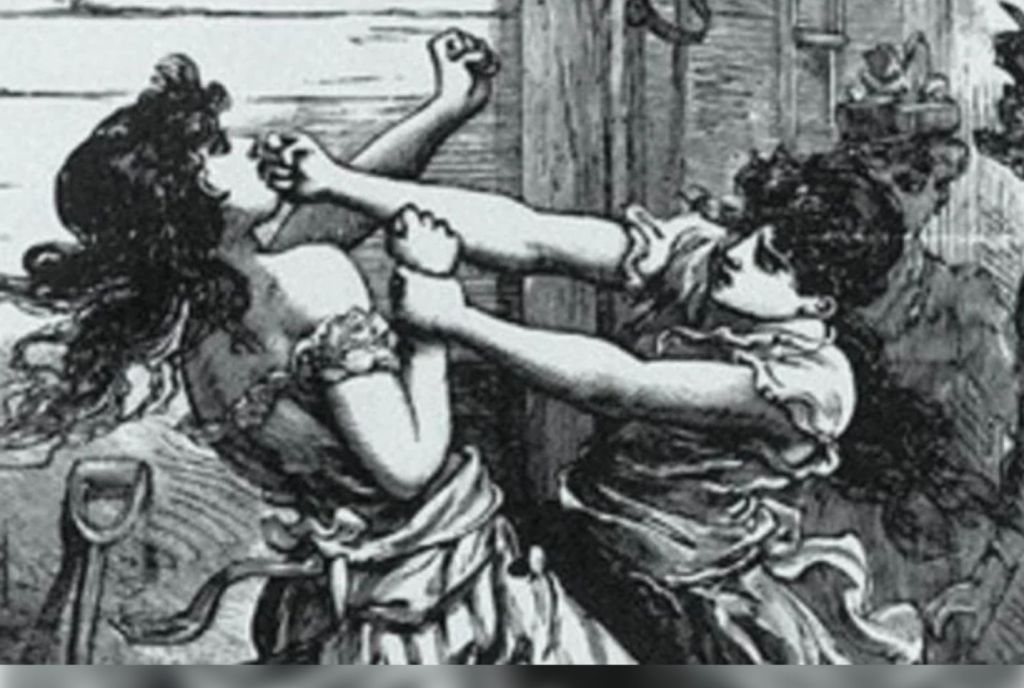
She might not have the name recognition of some of the others on this list, but there is no denying the impact that she has made. Phillips Distilling Company makes a whiskey named after her, and there was a character played by Cara Seymour in the Martin Scorsese film Gangs of New York that was partly inspired by her.
Joe Valachi
Born in 1904 in New York, Joseph Valachi got his start in a gang called the Minutemen when he was a teenager, and by the time he was 20 he had already been arrested multiple times. His skills as a getaway driver made him well known in the crime world, and he just kept working his way up. During the Castellammarese War, he joined the Reina family, later known as the Lucchese family, and eventually became part of the Genovese family, becoming a leader in it.
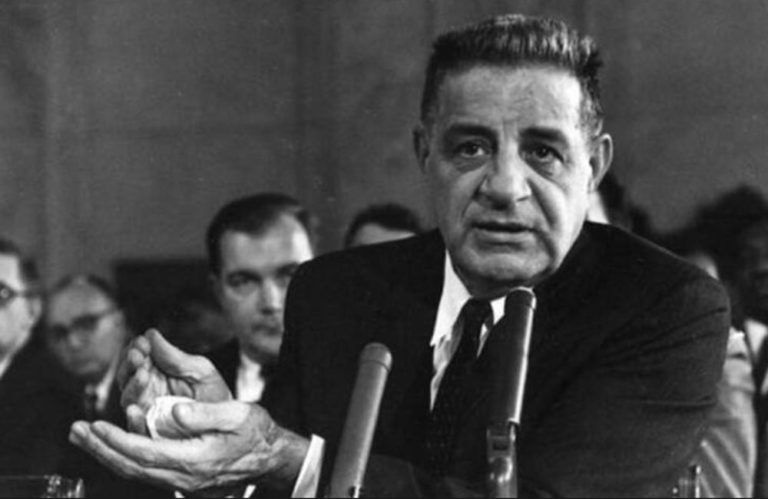
After he was convicted in 1959 of drug trafficking, he became a witness for the government. He gave Vito Genovese up, and he was the first person within the Mafia to ever even publicly admit that it existed. He detailed the inner workings of the organization, and he also brought the name Costa Nostra into the lexicon. He died in prison in 1971.
Harry “Pittsburgh Phil” Strauss
Harry Strauss was born in 1909, and he was one of Murder, Inc.’s top contract killers. Depending on who you ask, Strauss may have killed up 500 people, and he had a variety of tools for dispatching, going beyond the usual methods, with drownings, live burials, and ice pick stabbings all coming into play. He was known for not using weapons that he brought, instead choosing to improvise with whatever turned up on the job.
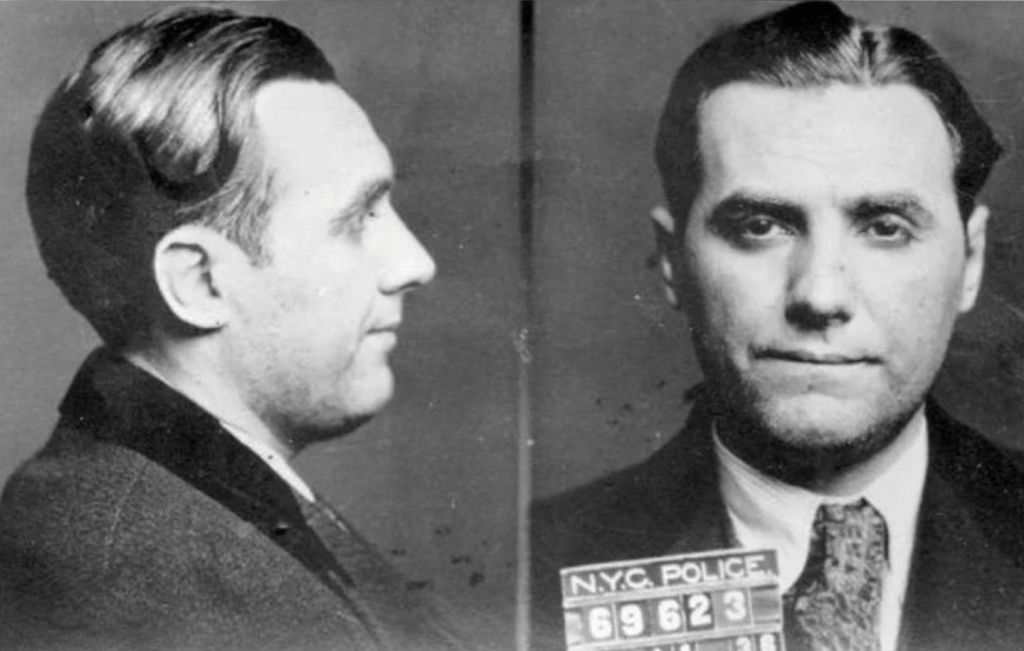
Killing may have been his main hustle, but he also stole things and sold drugs. There were 18 arrests in his crime career, and though he mostly was able to avoid being convicted, that changed with a homicide that sent him to prison. His insanity defense failed, and the electric chair awaited him in 1941.
Frank “The Dasher” Abbandando
Frank Abbandando was born in 1910 in Brooklyn. His nickname “The Dasher” came from his baseball abilities. He was involved in crime since his teenage years, beginning with him going to shop owners to extort them, telling them he would burn down their shops unless they gave him some money. As he got older, his crimes got more elaborate, having his fingers in gambling, racketeering, and loan sharking.
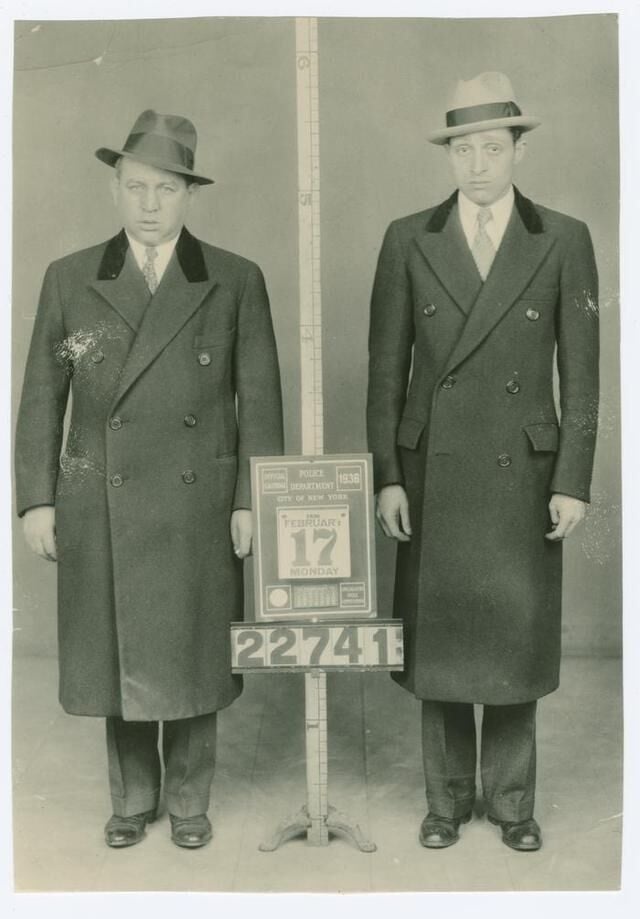
With Murder, Inc., he became a notorious murderer, often using an ice pick. Most of his crimes saw him go unpunished, but in 1937 he was convicted for murdering a loan shark. That was it for him, getting him sent to Sing Sing and being put to death in 1942 when he was only 31 years old. As his body was frying in the electric chair, he continued to mock the guards, showing his fearless and ruthless nature until the very end.
Louis Capone
Born in Naples in 1896, Louis Capone was a child when his family moved to New York, and he got caught up in the world of Italian gangsters there. Despite his name, he had no blood relation to Al Capone, nor did they cross paths professionally. Capone was a member of Murder, Inc., where he was a supervisor. He was also involved with Detroit’s Purple Gang, and he made a pretty penny with his loan sharking in both Detroit and New York.
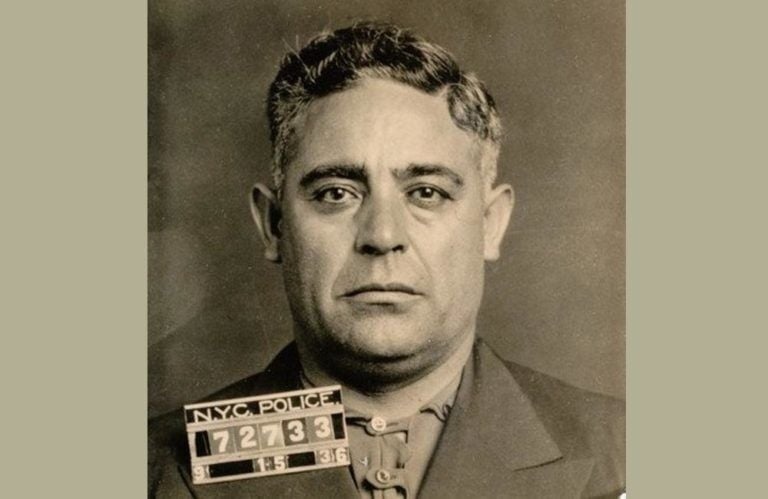
Capone would liberally dispose of his enemies, wiping out many whose businesses he hurt with his labor racketeering, ensuring that they don’t do anything to get back at him. It turned out that he, like many in his organization, was ruined by one of his own, as “Kid Twist” Reles gave him up to the feds. He was convicted of murder in 1941 and in 1944 was executed.
Philip “Little Farvel” Cohen
Born circa 1906 in Russia, Phillip Cohen moved to America and found success in the Jewish mafia, aka the “Kosher Nostra,” and he was also involved with Murder, Inc. He made good money with drug trafficking, getting drugs To Canada from France, and then to New York from Canada. He was one of the many gangsters targeted by prosecutor William O’Dwyer, and Cohen, known as Little Farvel, was only able to slip from his grasp for so long.
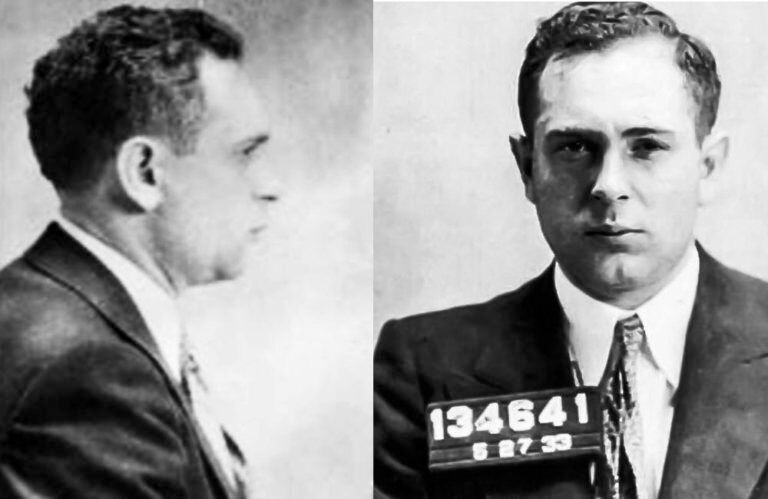
In 1939, his luck ran out. He was given ten years in prison. Freedom awaited him in 1949, but freedom from the law was not the same as freedom from the world of crime. Just a few months after getting out, he was killed. Some people believe his death was because Cohen may have ratted on his former partner’s, as Cohen got a lighter sentence than Louis Buchalter, the Murder, Inc. boss.
Frank Costello
Born in Calabria, Italy, in 1891, Francesco Castiglia came to New York when he was not yet even five years old, and there he became Frank Costello, joining a gang at the age of 13. His petty crimes as well as assault and robbery charges put him in jail in 1908, 1912, and 1917, but none of that could derail his crime career, and he was on the up and up in the Luciano crime family. In his five-plus decade crime career, he reportedly made around a billion dollars.
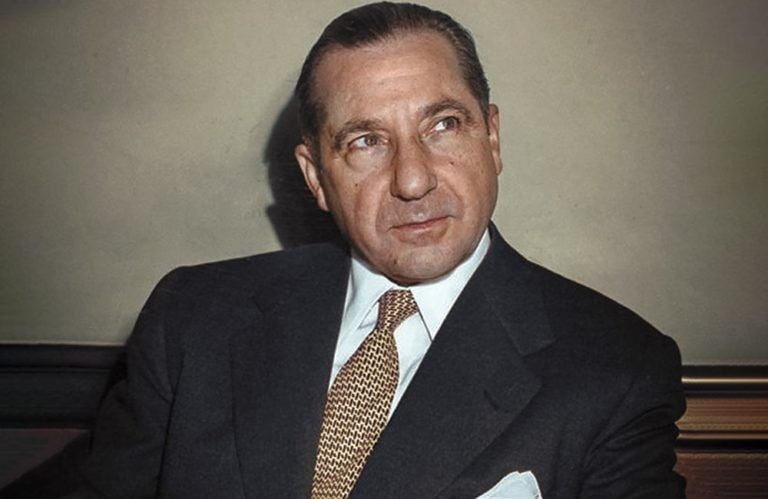
In 1957, Vito Genovese put a hit on his life, with Vincent Gigante sent to do the deed. Costello lived, and after that, he decided to step away from crime. He lived peacefully until 1973, dying at the age of 82 from a heart attack. Costello was a character in many films, including Bugsy.
Joseph Profaci
Born in Sicily in 1897, Giuseppe Profaci spent his early life in Italy and only came to the U.S. in 1921 after he got out of prison in Palermo for theft. He first came to New York, with the Americanized name Joseph, and then went to Chicago. He set up a legitimate business with a grocery and bakery, but its failure sent him back to New York where he got into importing olive oil. He also got into crime. He ended up becoming the head of the Colombo family, which he ran for three decades.
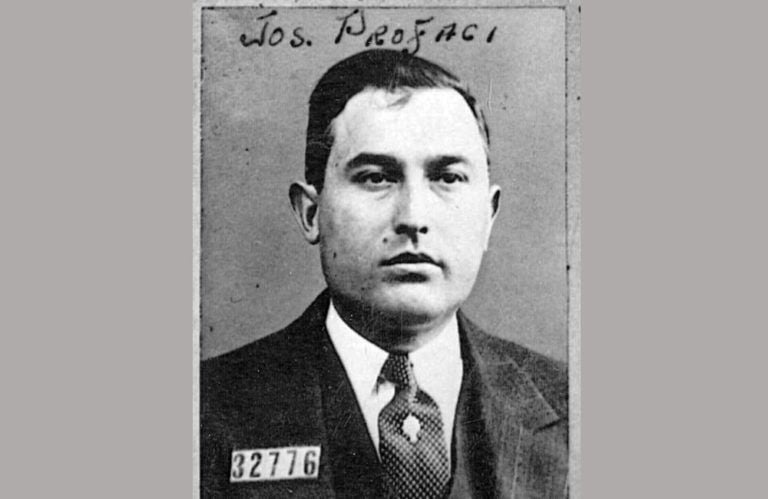
His success in olive oil gave him the name “Olive Oil King Joe,” and it also attracted attention from the gangs. He ended up making more money with prostitution, drugs, and loan sharking. He died of liver cancer in 1962 at the age of 64.
Stefano Magaddino
Stefano Magaddino was born in Sicily in 1891. He came to America in 1902 and quickly took to the crime world. In 1922, he became the boss of the Buffalo crime family. His nickname “The Undertaker” probably came from the fact that he owned actual funeral home business. Of course, that is not where the big money was, with bootlegging being a major source of income.
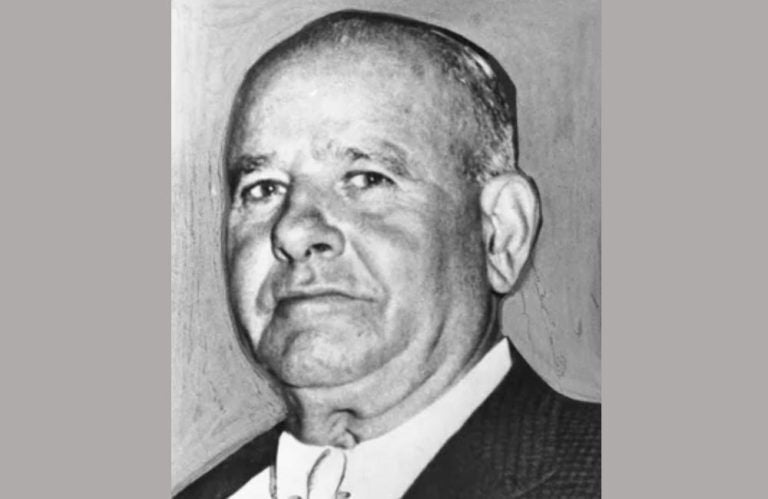
When the Prohibition era dried up that income stream, there was still gambling, loan sharking, labor racketeering, and extortion to resort to. He was prominent all throughout the Midwest, with his empire going all the way from Ohio to western New York, and even going up into Canada. He was part of The Commission, which was an overarching body that governed the Mafia in America. In 1974 he passed away from a heart attack when he was 82 years old.
Martin “Buggsy” Goldstein
Born in 1905, Martin Goldstein was another Murder, Inc. member. He grew up in Brooklyn, and along with “Kid Twist” Reles was at one point the leader of the syndicate prior to Louis Buchalter taking over. He also carried out hits for the Gambino family, and among the legendary gangsters who gave him assignments were Louis Buchalter and Albert Anastasia.
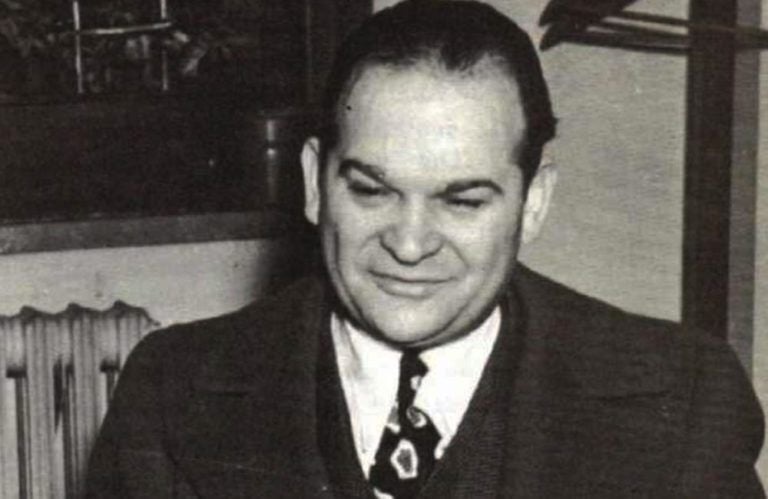
As with many others in both the Gambino family and Murder, Inc., Goldstein was put to death at Sing Sing prison in 1941. He is estimated to have had a net worth of around $6 million, but he was sent to the electric chair before he could enjoy a happy retirement.
Carlo Gambino
Carlo Gambino was born in Sicily in 1902, and he was born into the life of crime, with his family in the Sicilian Mafia. In 1921 he went to America as a stowaway on a ship to Virginia. He moved to New York where he lived with his cousins, who were established in the mafia.
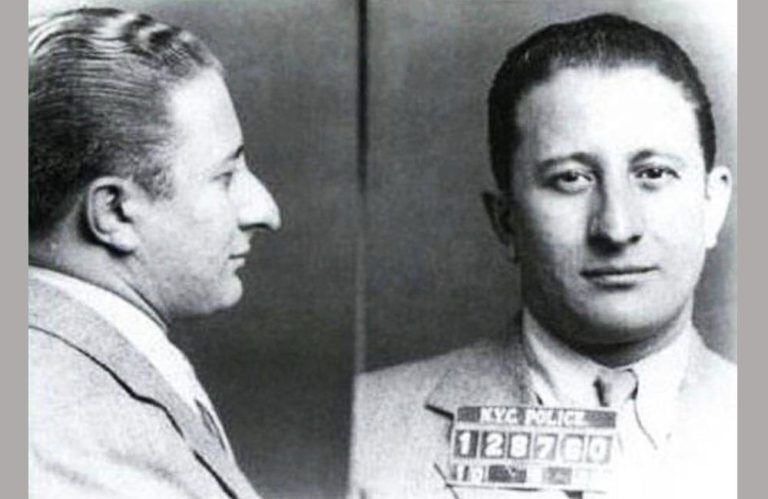
It was not long for Gambino to become well known in the crime world. He spent 22 months in prison when he was convicted of tax evasion in 1937, but otherwise, he was a free man. In 1959, Vito Genovese went to jail, and Carlo Gambino took over what became the Gambino family. He also was in charge of The Commission. He was worth hundreds of millions, and he had thousands of people working for him. He died when he was 74 years old of a heart attack.
Giuseppe Morello
Giuseppe Morello was born in Sicily in 1867. Some believe he came to America in 1892 after his local crime endeavors caught him some heat. In New York, he founded the Morello crime family, which was among the first crime families in the country. It later became the Genovese family, and of the “Five Families,” which were the Italian American Mafia’s dominant organized crime families in New York, it was the oldest.
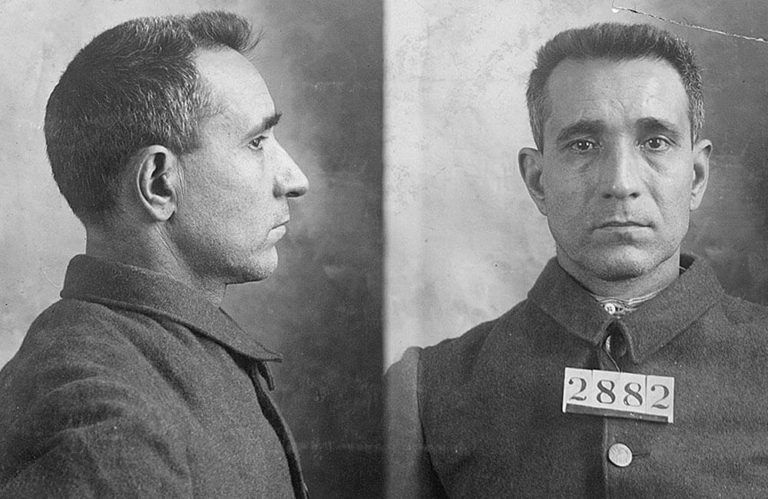
Nicknamed “The Old Fox” and “The Clutch Hand,” which was given to him because his right hand was deformed and was shaped like a claw, Morello was Joe Masseria’s main advisor, and he was known for his wits and brutality. He died in 1930 at the age of 63, killed during the Castellammarese War.
Aniello Dellacroce
Born in New York in 1914, Aniello Dellacroce grew up in Little Italy in Manhattan, and though he found work as a teenager assisting a butcher, the lack of work led to him turning to crime. He went to jail for petty theft, but he soon joined the big leagues, becoming an important member of the Gambino family, where he worked his way up to underboss.
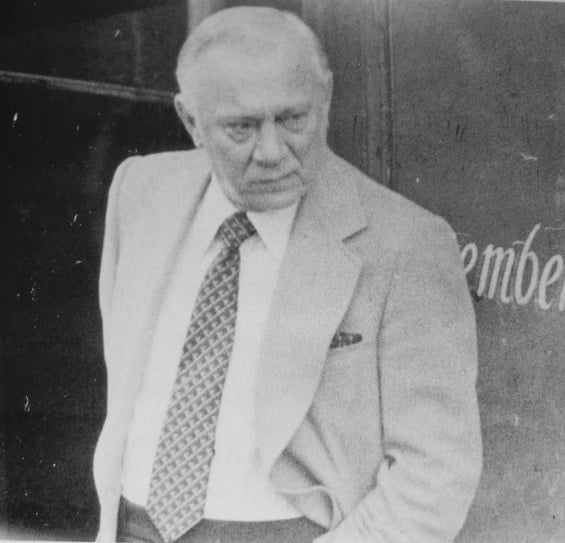
His paranoia required him to come up with unique ways to throw the police and other gangsters off his trail. One of these was to dress up as a priest and go by the name of Father O’Neil, and he even committed murders in this character. He also had body doubles go out in public as him. In 1985, his crimes finally got him in trouble with the law, and he pled guilty after being indicted. He died of cancer that year at 71.
Joseph Mario “Joe The Barber” Barbara
Giuseppe Maria Barbara, born in Sicily in 1905, moved to America when he was 16 years old, becoming Joseph Mario. It was not long before he got a job as a hitman working for the Northeastern Pennsylvania family. He became the boss of Pennsylvania’s Bufalino family in 1949, and in 1957 he was the host of the Apalachin meeting in 1957.
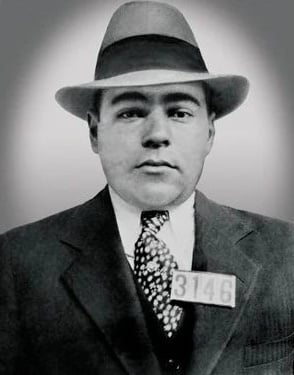
There were many sides to “Joe the Butcher.” On one hand, the violent hitman and bootlegger were one of Pennsylvania’s most powerful gangsters. On the other hand, Barbara, who lived on a massive farm far away from civilization, was known for his philanthropy. One story about him that reveals his paradoxical nature is when he was getting a permit for a gun and put down his local chief of police as a reference.
Vito “Chicken Head” Gurino
Vito Gurino was another Murder, Inc. killer, and as gifted as he was at killing, he did not have the same gift for not getting caught. After the murder of George Rudnick, which was the killing that ended up being Harry Maione’s downfall, the cops came to speak to Gurino. This was in the end days for Murder, Inc. when everything started to fall apart.
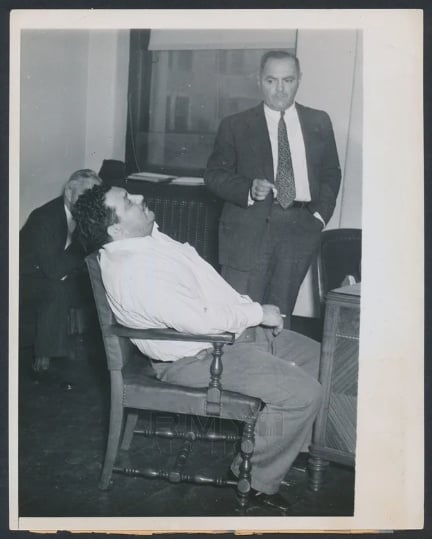
In 1940, Gurino was indicted, and the police grabbed him at the Church of the Guardian Angel in Manhattan. As they took him away, he screamed in terror, believing that his end was near for him, and he assumed that he would be killed by gangsters who didn’t want him to talk. This did not happen, and while many other Murder, Inc. killers got executed, Gurino got life in prison, eventually passing away in 1967 from a heart attack.
Jacob “Gurrah” Shapiro
Jacob Shapiro was born in 1899 in Odessa in present-day Ukraine, then part of the Russian empire. He moved to America, joining a protectory in Brooklyn when he was a kid, and he became a friend of Joseph Valachi, Louis Buchalter, and Jimmy DeStefano. He and Buchalter were at the protectory together, and they both were attempting to rob the same push-cart.
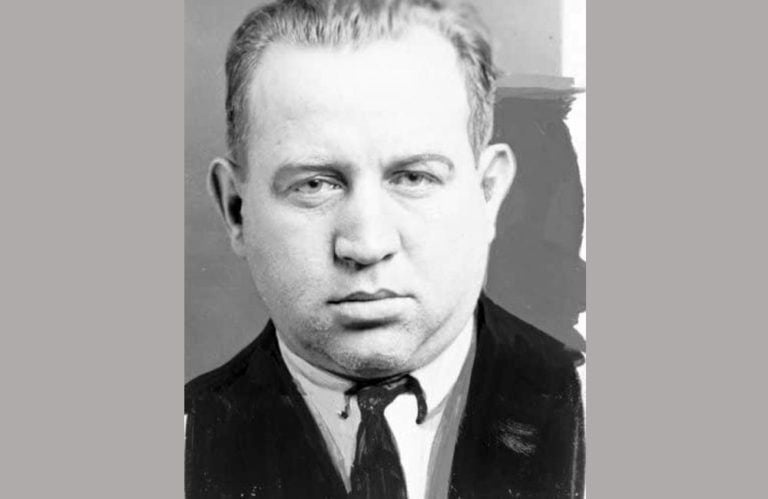
They realized that if they teamed up, they could have a beneficial relationship, and that cooperation was better than fighting. Together they helped start Murder, Inc., and Shapiro became a major figure in the city’s industrial labor racketeering. Together, Buchalter and Shapiro were an unstoppable force in New York’s crime world.
Samuel “Red” Levine
Samuel Levine was born in the early 1900s in Toledo, Ohio. He grew up in Manhattan, and he was sent to school for truants. When he was fifteen he joined the US Navy, and because he got picked on for his red hair and Jewish background, he left and went back to New York and later became the leader of the Jewish squad of killers for Lucky Luciano. He was also part of Murder, Inc.
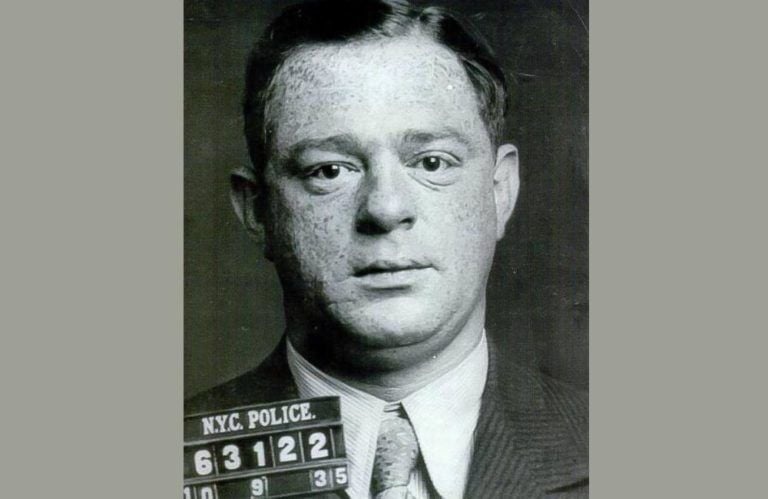
Levine, who had the nickname “Red” because of his hair, was notorious for killing Salvatore Maranzano, and to kill him he impersonated a government agent to get into his office. He went up to the ninth floor, disarmed Maranzano’s guards, and killed him then and there. He was able to avoid getting arrested when Murder, Inc. fell apart, and he took on a lower profile for the rest of his life, eventually dying in 1972.
Edward Coleman
Edward Coleman dates back further than most of the famous gangsters we know. His birth date is unknown, but he died in 1839 in New York. In 1826, he founded the Forty Thieves, which many believe to be New York’s oldest gang. New York City was overrun with members of the Forty Thieves, which had far more than forty members in it.
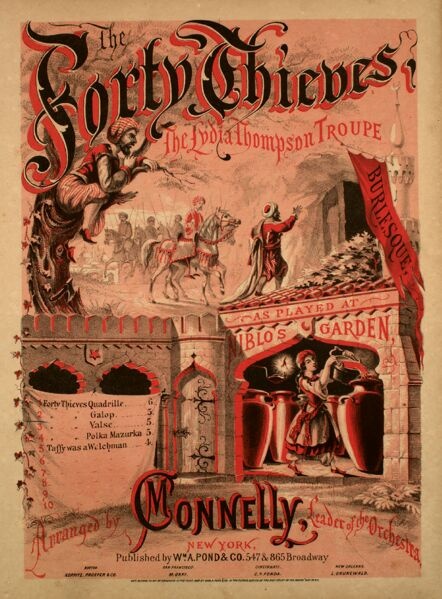
They held territory in the Five Points of Manhattan, which is where Coleman met and married Ann, a “Hot Corn Girl,” in 1838. He would abuse her when she didn’t make enough money selling corn, and one time he ended up beating her to death. This got him arrested and sent to the Tombs Prison, and in 1939 Coleman was hanged.
www oblongmedia.net
 OBLONG MEDIA GLOBAL INTELLIGENCE
Leave a comment