

The Christmas Eve terrorist attack in Plateau State, Nigeria, represents a horrific act of violence that has shocked and saddened many. This tragedy occurred in a series of attacks on various villages across the state, primarily in the Bokkos and Barkin-Ladi Local Government Areas. The death toll, initially reported as 16, has dramatically risen. Local government officials stated that at least 160 people were killed, and the Red Cross reported 104 deaths in 18 villages in the Bokkos region alone. Additionally, at least 50 people were killed in several villages in the Barkin Ladi area
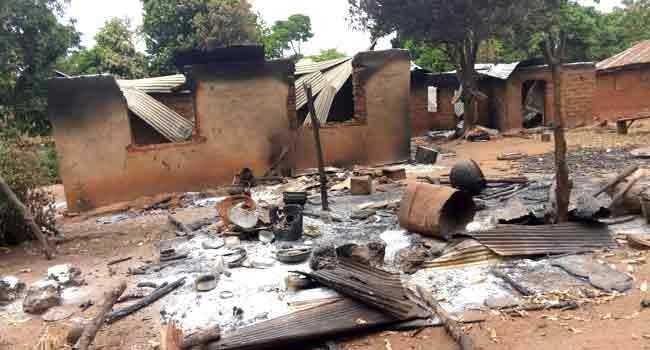
These attacks were carried out by armed groups, often referred to locally as “bandits,” who launched well-coordinated assaults on no fewer than 20 different communities. The assailants not only killed residents but also torched houses, causing significant destruction and leaving over 300 wounded individuals who were subsequently transferred to hospitals in Bokkos, Jos, and Barkin Ladi.
Residents were caught off guard by the suddenness and brutality of the attacks. Markus Amorudu, a resident of Mushu village, recounted the terror of the attack, stating that people were sleeping when gunfire erupted, leading to widespread panic and chaos
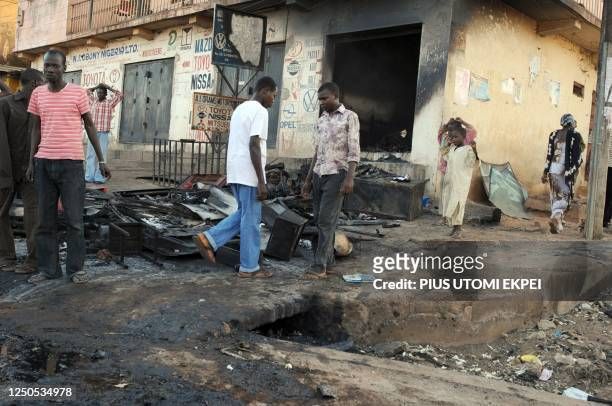
The Plateau State Governor, Caleb Mutfwang, condemned the violence, describing it as “barbaric, brutal and unjustified”
Additionally, Amnesty International criticized the Nigerian government for its inability to end frequent deadly attacks on rural communities in Plateau State
This region has been plagued by bandit militias for years, with these groups operating from deep forest bases to raid villages, often for looting and kidnapping. The competition for natural resources between nomadic herders and farmers, exacerbated by rapid population growth and climate pressures, has intensified social tensions and contributed to the violence
The Christmas Eve attacks in Plateau State highlight a deeply troubling recurring situation in Nigeria, where violent clashes and terrorism continue to devastate communities.
The origins of bandit militias in Plateau State, Nigeria, and the broader northwest region of the country can be traced back to a confluence of various political, socio-economic and environmental factors. The bandit conflict, which intensified around 2011, originated from the lingering insecurity stemming from ethnic conflicts, unchecked inflow of Fulani pastoralists into the country, clashes between the Fulani, Hausa and local groups, the supportive tendencies of a Fulani federal government for 8 years etc. This unrest provided fertile ground for the emergence of criminal and jihadist elements in the region.

Key factors contributing to the rise of these militias include Fulani herder-farmer conflicts, exacerbated by environmental decline and the scarcity of water and arable land, leading to fierce competition over these limited resources. Unemployment, large-scale poverty, and weak local, state and federal governance have driven desperate individuals towards criminal activities as a means of livelihood. The large forested areas in the region offer concealment and facilitate the formation of camps deep within the forests, which are difficult for unequipped police and military forces to penetrate
Continued insecurity, desertification, and possible jihadist influence have contributed to a rise in attacks. Large-scale weapon smuggling has equipped criminal gangs with heavy weapons, increasing the deadliness of attacks. The under-equipped local and federal forces, coupled with harsh terrain, make offensive actions into the forest dangerous and susceptible to ambushes. The government’s inability to effectively address these problems has allowed the insecurity to spread and intensify.
Bandits in Nigeria are known for their brutal tactics, riding into villages on motorcycles to loot and kidnap inhabitants, killing anyone who resists. Kidnapping has become a profitable venture, with Nigerians paying significant sums for the release of family members and friends. Illegal arms are prevalent in the region, with bandit gangs controlling gold mines and using the proceeds to purchase arms from internal and international arms dealers. This has led to an estimated 60,000 illegal weapons in circulation in northwest Nigeria.
Jihadist groups like ISWAP and Boko Haram have claimed to have carried out attacks in northwest Nigeria, and some bandit groups have reportedly formed alliances with these jihadist groups. There are even indications of jihadist groups providing specialized personnel, including bomb makers and military advisors, to train and equip bandit allies in the region.
A report from the Hudson Institute further analyzes the conflict drivers in northwest Nigeria. It identifies the growing salience of ethnicity in land use disputes, under-development, environmental degradation, the failure of the criminal justice system, the rise of vigilantism and militia-based local security, and the breakdown of traditional conflict resolution mechanisms as factors exacerbating the conflict over the last two decades. It also notes that local vigilante forces, particularly Hausa self-defence groups, have fueled insecurity by resisting and engaging Fulani herdsmen and pastoralist communities, pushing many into banditry. The report concludes that to address the crisis, efforts must go beyond kinetic approaches, which have often worsened the underlying drivers of conflict.
Duruebube Chima Nnadi-Oforgu
 OBLONG MEDIA GLOBAL INTELLIGENCE
Leave a comment