
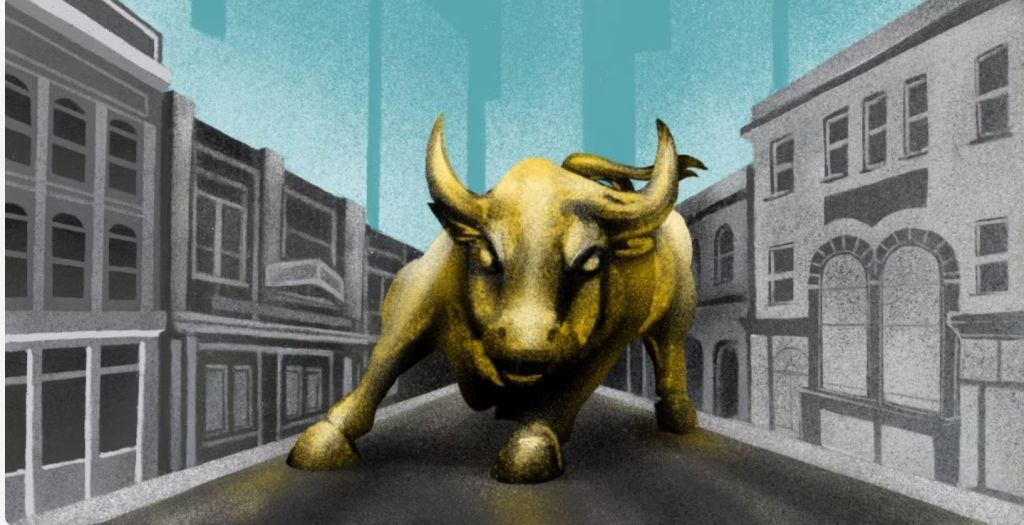
From Chicago, Illinois to Tulsa, Oklahoma to Durham, North Carolina and many other cities in between, African Americans built flourishing centers of economic growth and commercial activity in their communities at the start of the 20th century. While each district had its own unique nickname reflecting its status as a financial boomtown, one moniker is often used to collectively describe these historic centers of Black wealth and success—Black Wall Street.
Black Wall Street was the informal name for Greenwood, a neighborhood in Tulsa, Oklahoma, which, in the early 20th century, became a prosperous hub for African American businesses. This district was developed by African Americans at the turn of the century, on land that had formerly been Indian Territory.
Communities—including Hayti in Durham, Bronzeville in Chicago, Sweet Auburn in Atlanta, West Ninth Street in Little Rock, Arkansas, Farish Street in Jackson, Mississippi, and Jackson Ward in Richmond, Virginia—were among the nation’s most prosperous African American communities in the early 1900s, all bustling with a thriving ecosystem of business and economic development.
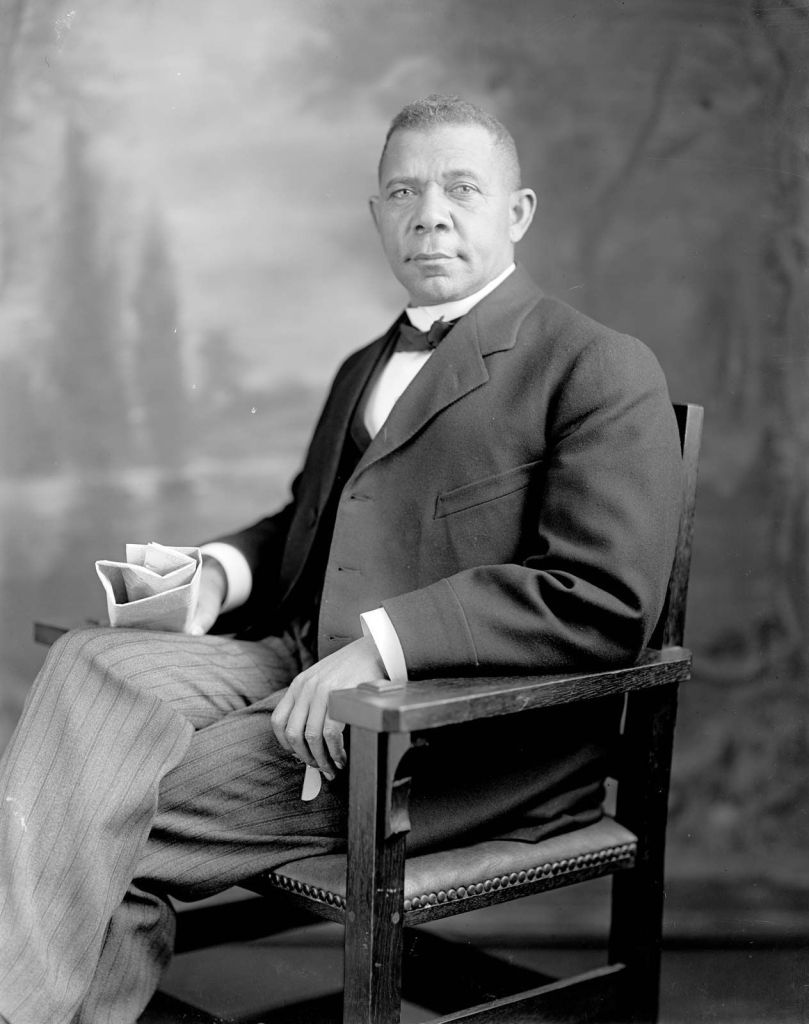
The Greenwood district in Tulsa, Oklahoma, however, might be the most well-known among Black Wall Street communities. Famed African American educator Booker T. Washington, founder of the Tuskegee Institute in Tuskegee, Alabama, called Greenwood “Negro Wall Street” due to its high concentration of Black professionals—doctors, lawyers, business owners and more, all within 40 square blocks. Fueled by the oil boom and Washington’s declaration, Black individuals and families from around the country made their way to Tulsa and worked collaboratively to launch businesses and generate resources to build a self-sufficient, prosperous community.
Jackson Ward in Richmond, Virginia, was established in 1871, not long after the end of the Civil War. Considered the first Black Wall Street, Jackson Ward earned the nickname “the Harlem of the South” for its reputation as a burgeoning business and entertainment district. One of the most notable businesses in Jackson Ward included The Southern Aid and Insurance Company—considered to be the first Black-owned and operated life insurance company.
It was in this environment where a teenaged Maggie Lena Walker, then known as Maggie Mitchell, joined a charitable fraternal organization, The Independent Order of St. Luke, to help the sick and elderly members of the community. Her organizational skills and business savviness helped the once-struggling organization regain its financial footing, and Walker quickly began taking on more responsibility within the charity.
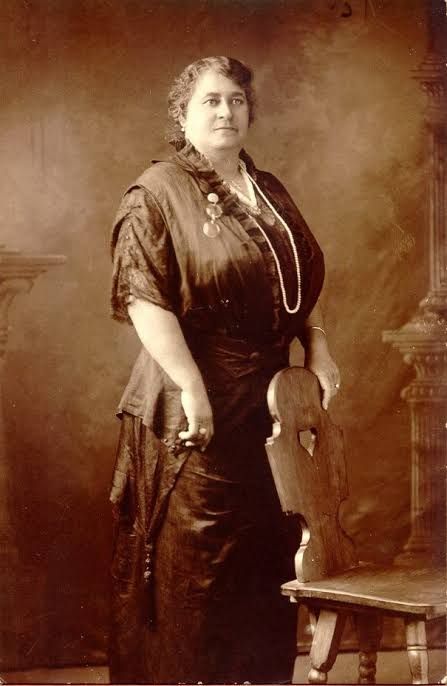
But she was just getting started. By the time she reached her 40s, Walker had helped establish a department store owned and operated by and for African Americans, launched a newspaper and established the St. Luke Penny Savings Bank, making her the first Black woman to charter and serve as president of a bank in the United States. She ran the bank from 1903 until her death in 1934, and when it merged with two other Black-owned banks in the Richmond area, Walker served as chair of the board of directors of the new bank, The Consolidated Bank and Trust Company. It was the oldest continually operating Black bank in the U.S. until 2009.
Black Wall Street had many success stories, but Walker was one of its greatest pioneers, breaking racial and gender barriers to become one of the most successful Black women in business in the U.S.
Although racial segregation was the norm in post-Civil War America, Black Wall Street turned the tables on the system, as budding Black entrepreneurs were able to offer goods and services to their own neighbors since many white-owned businesses wouldn’t serve Black communities or customers.
Churches, movie theaters, restaurants, nightclubs, hotels and other gathering places also emerged to serve the growing populations of Black Wall Street, as more and more residents had money to spend.
The area saw a concentration of black businesses by 1905, with services ranging from grocery stores to barbershops, as well as doctors and real estate agents setting up their practices there.
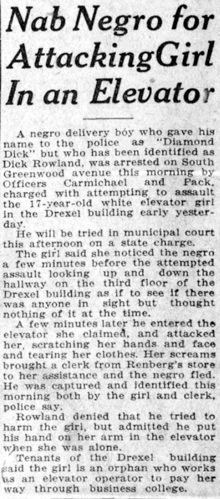
The thriving community faced a tragic turn on May 31, 1921, when a violent incident known as the Tulsa Race Massacre occurred. This tragedy began following allegations against a young Black man named Dick Rowland, leading to an armed confrontation and eventually a destructive rampage by a white mob through Greenwood. The mob, including some deputized by local police, looted and burned homes, schools, churches, and businesses. The official death toll was 36, but estimates suggest it could have been as high as 300, leaving as many as 10,000 people homeless
The massacre had a profound impact on the African American community in Greenwood. Many homes and businesses were destroyed, with the riot-related claims against the city valued at over $1.8 million. However, most of these claims were denied. Despite no aid from the city and a heavy financial toll, the Black community began rebuilding almost immediately, with some residents housed in Red Cross tents during reconstruction.
Despite overcoming the immediate aftermath, Black Wall Street faced challenges in the following decades.
Black Wall Street wasn’t immune to the forces that plunged the nation into economic recession following the stock market crash of 1929, and many businesses closed during the Great Recession of the 1930s.
By the 1950s, more than half of its businesses had closed, impacted by desegregation and the shift of African American spending outside Greenwood.
Some still did well during that period and through World War II, but the final blow came during the 1950s and 60s when governmental “urban renewal” projects carved up many Black communities to get land for new highways and other projects. Businesses were cut off from their customers, and many residents moved to other areas for better economic opportunities when integration opened new communities to African Americans
Efforts to preserve the legacy of Black Wall Street included the establishment of the Greenwood Cultural Center in the late 1970s and the John Hope Franklin Reconciliation Park in 2010.
Black Wall Street residents and their descendants have fought to ensure the historic, cultural and economic legacy of Black Wall Street is never forgotten. Their efforts have gained more attention in recent years—in 2021, PayPal created the Maggie Lena Walker award to honor underrepresented women who’ve created opportunities for advancement in their communities. In 2022, Greenwood was added to the National Register of Historic Places and the Oklahoma Historical Society State Historic Preservation Office after decades of advocacy.
Across the nation, business incubators are launching to help a new generation of Black entrepreneurs build wealth, promote financial literacy and create economic growth in their communities. In Tulsa, local leaders launched the Black Wall Street Business Center, an accelerator to help entrepreneurs of color.
Black business festivals in cities across the country highlight emerging commercial districts, and social media is also connecting new businesses to potential customers, building a new Black Wall Street virtually.
They’re continuing the legacy, one business at a time.
Black Wall Street remains a symbol of African American resilience and enterprise. Its rise, destruction, and the ongoing efforts for restitution and remembrance highlight both the heights of African American economic success and the depths of racial violence in American history.
The story of Black Wall Street is not just about the wealth and prosperity of a community but also about its struggle, resilience, and the continuing fight for justice and recognition.
 OBLONG MEDIA GLOBAL INTELLIGENCE
Leave a comment