
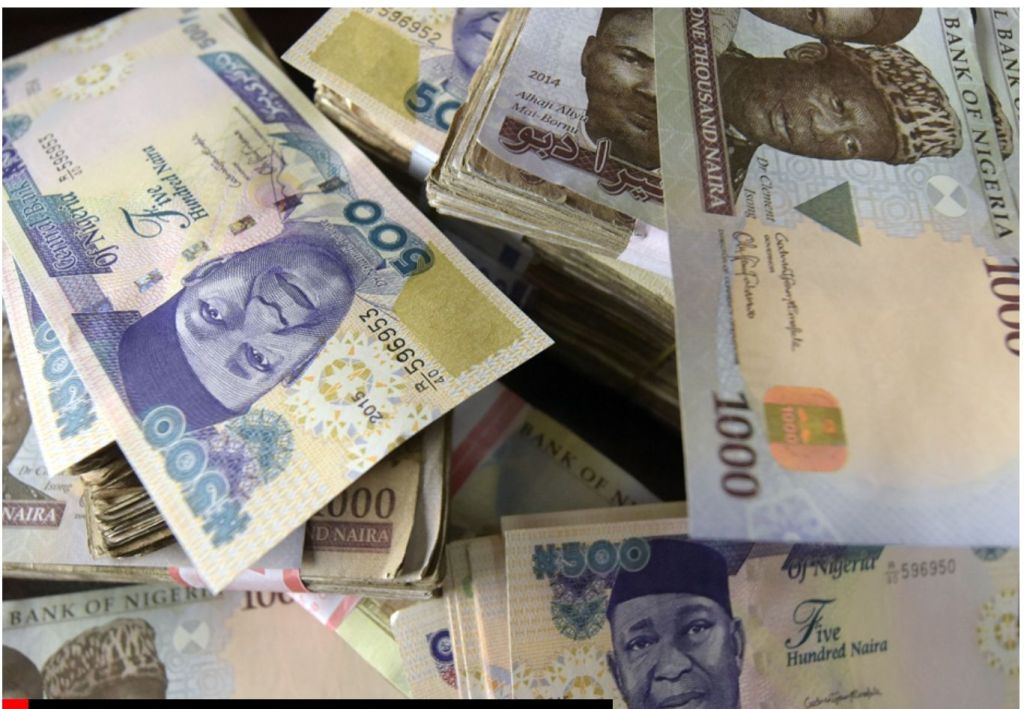
The current exchange rate of the Naira, around N1,000, is merely a midpoint in its journey to N3,000 by 2027. This projection is based on the lack of significant improvement in key macroeconomic variables or factors by then.
The exchange rate is an economic metric comparing two economies. It reflects disparities in macro variables between countries, such as infrastructure, technology, foreign direct investment (FDI), rule of law, military power, education, energy, healthcare, etc. Economically disadvantaged relative to the US, the Naira is expected to depreciate against the Dollar. Since 1978, the Naira has plummeted by an astonishing 99.94%, retaining only six kobo of its original value. To illustrate, N100 from that era equals N250,000 today.
A 1986 Financial Times article, “NIGERIA: LET THEM EAT THEIR FLYOVERS,” highlighted Nigeria’s unchecked decline across various sectors including education, infrastructure, and energy, except for the construction of flyovers in Lagos, then the capital. Nearly forty years later, no substantial policy change has occurred, and political leadership remains largely unaware of the impending risks.
Firstly, Nigeria faces a massive $3 trillion infrastructure deficit, as reported by the World Bank. The government’s current revenue and borrowing capacity will only exacerbate this gap by at least $30 billion annually. Electricity production has stagnated at about 4,500 megawatts since privatization in 2013, well below the 20,000 megawatts needed for a middle-income economy. The shortfall in investment, over $100 billion for electricity alone, remains unaddressed due to deep subsidies in the tariff structure. Nigeria’s gas production is also insufficient, barely meeting 20% of the demand. The export-oriented approach of new gas projects further deprives the domestic market.
Secondly, Nigeria’s human capital development is producing a massive underclass. With over 20 million children out of school, the country ranks poorly in UNESCO’s Education for All Development Index. The education system’s inefficiencies are further exemplified by the low numeracy levels and the inadequate teacher training programs.
Thirdly, the monetary and fiscal environment in Nigeria is detrimental to productivity. Issues like excessive taxation, a low Ease of Doing Business ranking, and a complex export process hinder economic progress. The central bank’s overvaluation of the Naira since 1973 has encouraged imports over local production, exacerbating the country’s economic challenges.
Fourthly, Nigeria’s corruption and weak rule of law, as reflected in its ranking on the Global Corruption Index, undermine its economic potential. Inadequate security, particularly in key economic zones, and a faltering healthcare system add to the country’s challenges.
These factors collectively contribute to the Naira’s declining value, with no immediate solution in sight. While currency depreciation is common across Africa, a stable currency backed by gold is suggested as a potential solution.
This analysis assumes political and social stability will prevail.
 OBLONG MEDIA GLOBAL INTELLIGENCE
Leave a comment