
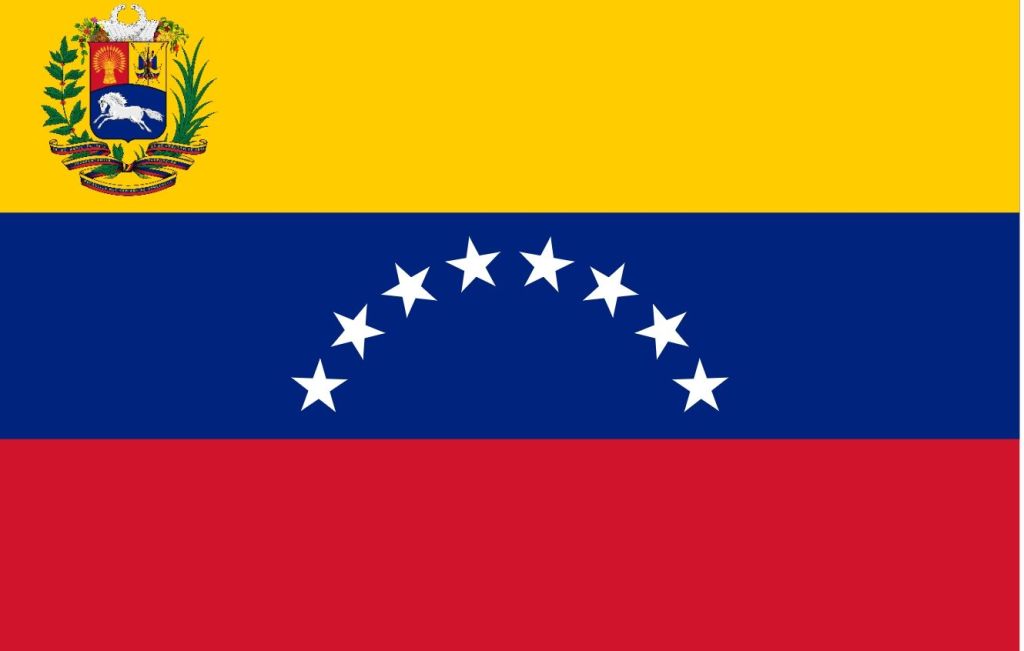
Venezuela’s crisis is both profound and man-made, mirroring a nation engulfed in war. It is plagued by acute shortages of food and medicine, unchecked crime, and frequent electricity outages.
This narrative finds echoes in the experiences of another nation familiar to me.
Economists have labeled Venezuela’s situation as an extreme hyperinflation scenario, where goods’ prices double every 26 days. For instance, a cup of coffee that cost 450 Bolivares in 2016 skyrocketed to an astonishing 2.5 million Bolivares by 2019.
An overwhelming 90% of Venezuelans are ensnared in poverty, with a currency that has lost almost all value. The impoverished majority resort to bartering, while the affluent rely on the US dollar.
Yet, Venezuela’s past tells a different story.
In the 1960s and 1970s, Venezuela stood as Latin America’s beacon of wealth, dubbed the continent’s giant.
Half a century ago, suggesting that Venezuela would become one of the world’s poorest nations would have seemed laughable. It was then among the wealthiest in Latin America, buoyed by the world’s largest oil reserves, accounting for over 18% of global reserves. The oil boom of the 1970s further catapulted Venezuela into extraordinary wealth, a period that also resonates with the history of another country I know.
However, Venezuela’s reliance on oil revenues led to a ‘resource curse,’ a dilemma where the economy, heavily dependent on a single resource, fails to diversify. Despite the influx of oil wealth, the country leaned on imports rather than developing its agriculture or manufacturing sectors.
As the late 1970s saw a decline in oil demand, Venezuela’s economy started to falter. By the mid-1980s, oil prices plummeted, pushing the government into significant debt and leading to reliance on IMF loans and stringent austerity measures. The removal of subsidies sparked riots in 1989, brutally quashed by the military, echoing the turmoil of another nation on a similar path.
The wealthy moved their assets abroad, exacerbating the economic drain. Then came Hugo Chavez, elected in 1998 on a platform of change, who initiated widespread social programs funded by oil revenue, neglecting economic diversification and maintenance of oil infrastructure. Chavez’s tenure, marked by autocratic tendencies and mismanagement, set the stage for Venezuela’s current predicament.
Under Chavez’s successor, the economic situation worsened, characterized by hyperinflation, political repression, and a crippling dependence on imported refined oil despite having the world’s largest reserves.
By 2016, inflation had reached 800%, with current rates around 9,000%. The Venezuelan crisis is a stark lesson in the dangers of excessive reliance on a single resource, economic mismanagement, corruption, and the failure to adapt to changing global markets.
This tale, while uniquely Venezuelan, offers a cautionary parallel to any country facing similar vulnerabilities. It serves as a reminder of the precarious journey toward a crisis mirroring Venezuela’s.
 OBLONG MEDIA GLOBAL INTELLIGENCE
Leave a comment