
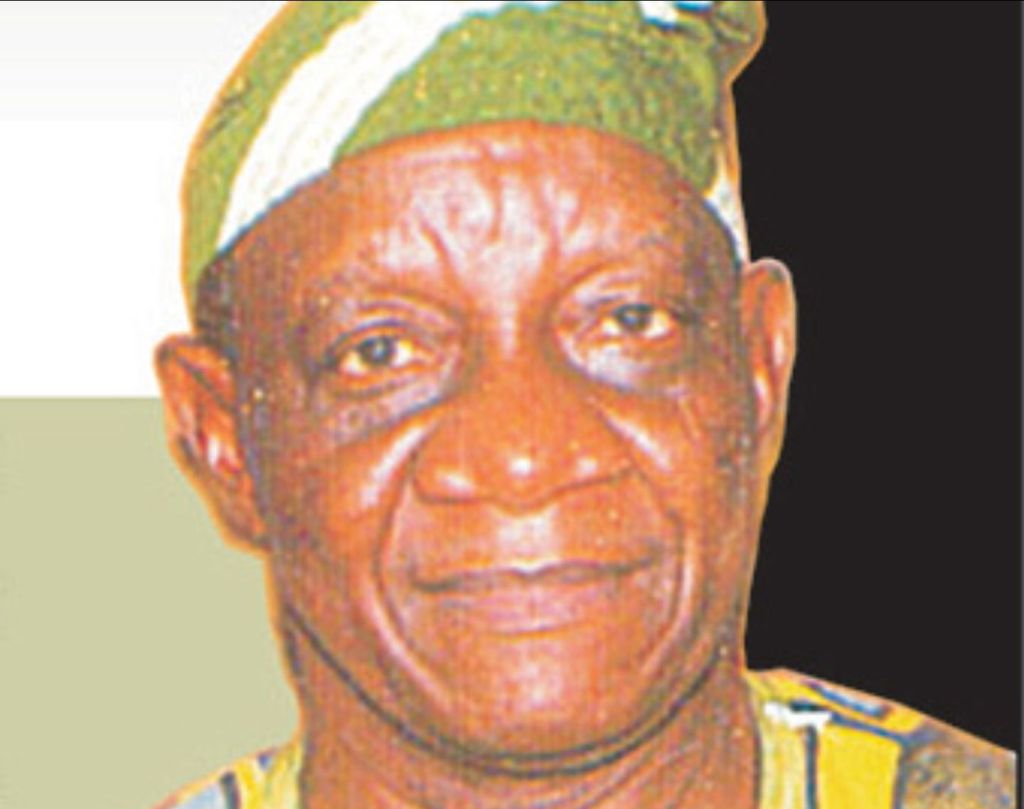
Report, February 2, 2024.
Dele Alake states, “State governments and local governments are entitled to collect other taxes, such as ground rent, but not royalties and taxes on mining.” This policy, if enforced, undermines the revenue-generating capacity of mineral-rich states and escalates constitutional disputes highlighted by recent Supreme Court of Nigeria (SCN) rulings on internal waterways and Elegushiland in Lagos State.
Before proceeding, I must share my foundational beliefs. Having been honored to write the foreword to Governor Victor Attah’s book, “Resource Control,” in 2004 and edit its second edition in 2018, I assert that the federal government’s treatment of Nigerian states is profoundly unjust. States bear the adverse effects of mining but receive a minimal share of the generated revenue, a situation aptly summarized by the phrase “monkey works, baboon chops,” a flaw of the 1999 Constitution.
Governors interested in Attah’s book on resource control should reach out, as it contains all necessary arguments for state resource control. Unfortunately, Attah was largely unsupported by his peers during the 1999-2007 period, with exceptions like Governor Alamieyeseigha of Bayelsa and Ibori of Delta, who bravely opposed President Obasanjo’s stance against resource control. Obasanjo’s vindictiveness ensured they paid heavily for their advocacy of what essentially is a form of true federalism.
It’s ironic that resource control faces its greatest challenge now, under a president previously seen as a progressive. Dele Alake’s remarks contradict the principles long championed by progressives, raising concerns about our current leadership’s true intentions.
Henry Clay once said, “I would rather be right than President.”
Ideally, I would have discussed this privately with the Minister before going public. However, the prohibitive cost of travel for such a meeting means I must address this issue now, especially as it significantly impacts the Minister’s own state.
Attah’s leadership in the resource control struggle was initially perceived by many, especially in the North, as a strategic move by oil-producing states to increase their federal revenue share. This opposition persisted despite the potential for unexploited minerals in these states to surpass oil revenue. The current generation of governors, now facing illegal mining challenges, might recognize their predecessors’ oversight in not supporting resource control.
The FG’s desperation for funds, particularly following President Tinubu’s rash promises post-fuel subsidy removal, is palpable. The promised N35,000 monthly worker allowance has been inconsistently paid, highlighting the government’s financial strain and willingness to disadvantage states for self-preservation. Governors, particularly from the APC, must prioritize their states’ interests over party loyalty to prevent federal overreach on waterways and mining rights.
Environmental degradation from mining and cement production, as seen in towns like Obajuwana, Ukpilla, and Ewekoro, demonstrates the local impacts of federal revenue collection, leaving state governments powerless to address these issues.
Notably, illegal miners in Zamfara receive protection unavailable to ordinary citizens, highlighting security discrepancies.
Collective Action Needed
Benjamin Franklin’s call for unity, “We must all hang together, or surely we shall all hang separately,” during the American Declaration of Independence signing, resonates with our situation. Nigerian states have been reduced to federal dependencies by past military and civilian administrations, with Presidents Yar’Adua and Jonathan failing to decentralize power. Expecting President Tinubu to relinquish power voluntarily is unrealistic; true federalism will require a concerted struggle.
APC governors, in particular, must recognize the necessity of joining this fight, not as a betrayal of party loyalty but as an act of governance. States across political affiliations, like Abia, Anambra, and Imo, benefit from resource control efforts, underscoring the importance of collective action in the face of financial adversity and potential governance challenges.
As negotiations for a new minimum wage progress, states cannot afford to lose revenue sources to the FG. A united front among governors could have previously achieved a more favorable settlement, highlighting the cost of inaction.
The FG’s minimum wage committee faces resistance from states unwilling to meet current wage standards, while organized labor’s demands escalate. The question of sustainability arises: if paying N30,000 is challenging, how will states manage a proposed N200,000 minimum wage?
This situation underscores the urgent need for a reevaluation of federal and state financial dynamics without substantial revision.
Dr. Dele Sobowale
 OBLONG MEDIA GLOBAL INTELLIGENCE
Leave a comment