
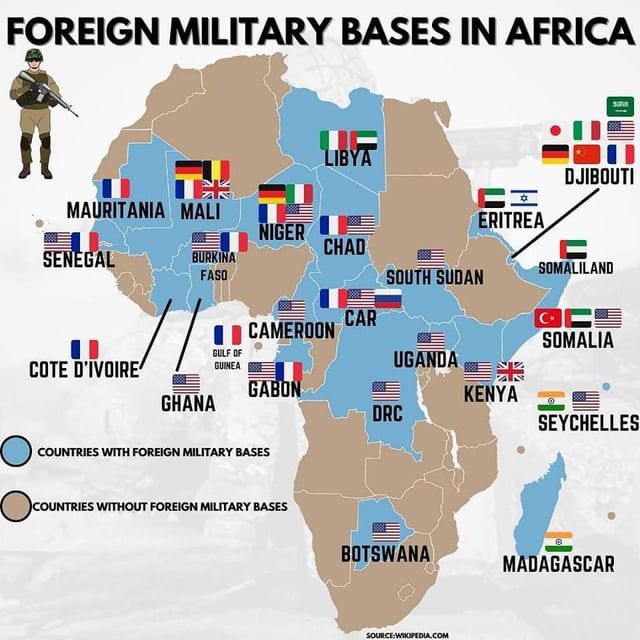
The geopolitical landscape of the Sahel region is undergoing significant and complex transformations as countries like Mali, Niger, and Burkina Faso reassess their foreign military collaborations amid considerable political upheavals. These shifts, often resulting in coups, have sparked a reevaluation of foreign military presence due to national concerns over sovereignty and the effectiveness of these forces in addressing local security issues. The reactions of the United States and France to these changes illustrate their broader strategic intentions in the region, aimed at countering extremism and securing interests amidst rising anti-French and anti-Western sentiments.
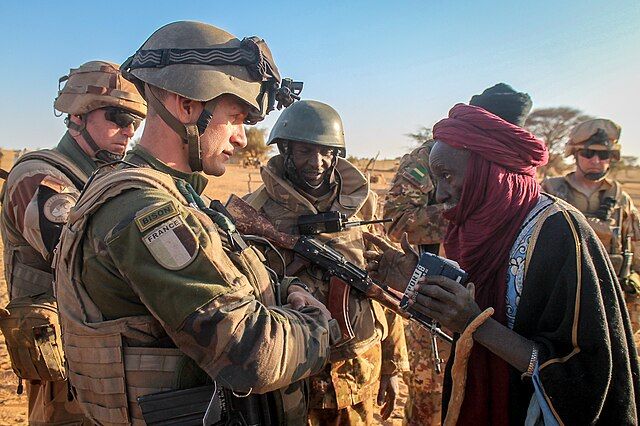
Political changes in Mali, Niger, and Burkina Faso, including coups and the rise of nationalist sentiments, have questioned the role and presence of foreign military forces, notably French troops. These countries, once pivotal in Western anti-terrorism strategies, have expressed dissatisfaction with the outcomes of such collaborations. Following tensions with transitional governments, France was compelled to withdraw its forces from Mali, part of Operation Barkhane. These governments have shown interest in alternative security partnerships, notably with Russia as seen through Mali’s involvement with the Wagner Group, a Russian private military company.
In response to losing traditional footholds in the Sahel, both the US and France are seeking ways to sustain their influence and continue their security missions, involving diplomatic efforts to mend relationships and possibly reposition military assets in more receptive regions. Nigeria, with its significant size, military capacity, and economic importance, is viewed as a crucial ally. The US’s interest in establishing military bases in Nigeria should be seen as a strategy to maintain influence and operational capabilities in West Africa, leveraging Nigeria’s central location for power projection and regional security coordination.
However, the broader implications of establishing US and French military bases in Nigeria include several concerns. The region, now a hotspot for jihadist groups such as Boko Haram and ISIS-West Africa, necessitates some level of military presence, according to the US and France, to continue counterterrorism efforts through partnerships like those proposed with Nigeria. Despite rumors that these conflicts are covertly fueled by the US and France, it is clear that the conflicts and this strategic maneuver by the US and France can be perceived as a response to the growing influence of global powers such as Russia and China in the Sahel.
The potential establishment or expansion of military bases by the US and France in Nigeria is likely to face scrutiny from both local and international observers. It is crucial to respect the sovereignty and public sentiment of Nigerians. This underscores the complexity of recalibrating US and French military strategies in the Sahel, particularly with the controversial plans to establish bases in Nigeria. The US and France aim to use these bases to challenge their expulsion from countries like Mali, Niger, and Burkina Faso, and to position themselves to more effectively counter rival influences.

The ongoing adaptations to the security and geopolitical landscape of the region necessitate a critical evaluation of the nature of partnerships formed with regional governments and the extent to which they align with local interests and sentiments, making it imperative to question and critically assess the implications of foreign military bases in Nigeria, asking ourselves if they serve the interests of regional stability and development rather than just those of foreign powers.
The strategic motivations behind the United States’ interest in establishing a stronger presence in the Gulf of Guinea through AFRICOM (United States Africa Command) highlight the complex interplay of military, economic, and political considerations. The Gulf of Guinea is not only a critical region due to its vast oil reserves and strategic maritime routes but also because it represents a significant geopolitical interest for ensuring energy security and addressing maritime security threats like piracy, illegal fishing, and trafficking.
The objectives of AFRICOM in the Gulf of Guinea focus on extending the US’s reach to establish a pronounced military presence that aims to maintain and enhance American influence in the region, strategically positioning the US against the increasing economic and military ties of China and Russia in Africa.
However, the expansion of the US military presence often triggers concerns about sovereignty and the potential for local resentment. The effectiveness of such a presence in truly improving regional stability is debatable, as it may not address the root causes of insecurity. Moreover, the geopolitical tension that such a military focus could exacerbate with other nations, particularly China and Russia, who view AFRICOM’s expansion as a countermove to their own interests, is a significant concern.
The allegations of exploitation by foreign powers such as France and the US, centered on the extraction of mineral resources in the Sahel and Central Africa, add another layer of complexity to the issue. The military bases established in the region, purportedly for counterterrorism efforts, also serve strategic purposes that extend beyond security, including projecting power and influence near Europe’s borders and over resource-rich territories. These allegations suggest that the presence of foreign military forces might exacerbate conflict and instability, potentially leading to more recruitment into extremist groups and fostering insecurity as a means to justify foreign control.
The decision of whether Nigeria should host US and French military bases, or open its doors to other global powers like China and Russia, touches on intricate issues of national security, foreign policy, economic interests, and geopolitical strategy. While the potential benefits, such as enhanced security, economic development, and increased diplomatic leverage, are considerable, they must be carefully weighed against the risks. These include placing Nigeria at the center of global geopolitical tensions, potential loss of sovereignty, and the domestic and regional instability that foreign military bases might engender.
Ultimately, Nigeria’s engagement with various global powers should be guided by a well-considered strategy that prioritizes national interests and regional stability.
In the broader geopolitical context, the Sahel region, stretching from Senegal to Sudan, has been a focal point of conflict and insecurity, influenced by a blend of rumored induced terrorism, intercommunal violence, weak governance, and economic challenges. Major powers like the U.S., Russia, and China have significant strategic and economic interests in this region, ranging from counterterrorism operations to access to natural resources and influence over key transit routes.

The U.S. involvement in the Sahel has primarily and assumably been centered around counterterrorism efforts, providing military assistance, training, and support to local governments to combat extremist groups like Boko Haram and al-Qaeda in the Islamic Maghreb (AQIM). However, the effectiveness of these efforts and their broader implications remain subjects of considerable debate. Critics argue that while such military interventions aim to contain terrorism, they can sometimes destabilize regions further, potentially leading to power vacuums that extremist groups exploit.
On the other hand, Russia and China have pursued distinctly different strategies in the region. Russia’s approach often involves providing military support and arms, sometimes through controversial private military companies like the Wagner Group, focusing on securing access to natural resources and increasing geopolitical leverage. China, conversely, engages primarily through economic investment and infrastructure projects under initiatives like the Belt and Road, aiming to secure long-term economic interests and political influence through non-military means.
The notion that the U.S. contributes to insecurity in the Sahel as part of a proxy struggle with Russia and China is a contentious one. It suggests that these major powers exploit local conflicts and governance challenges to outmaneuver each other strategically. This perspective posits that the major powers prioritize their strategic interests, sometimes at the expense of local stability, supporting governments or groups that serve their agendas but may not necessarily contribute to long-term peace and security.
This complex interplay of foreign interventions can complicate local dynamics, making it challenging for countries in the Sahel to pursue their security and development agendas independently of external influences. It underscores the need for a nuanced understanding of how external interventions can hinder regional stability.
For Nigeria, navigating these challenges requires a critical and strategic engagement with all external powers. This involves leveraging its relationships to enhance national security, economic development, and sovereignty without becoming overly reliant on any single foreign partner. As Nigeria considers the possibility of hosting foreign military bases, it must ensure that such decisions align with its broader national interests and contribute positively to its goals of regional stability and development.
The perceived vulnerability and weakness of Nigeria’s presidency, especially given the controversies surrounding the recent presidential elections and allegations of foreign involvement, notably from France, in supporting President Tinubu’s rise to power, could significantly impact decision-making concerning international military collaborations.
With President Tinubu’s administration potentially seen as being indebted or favorably disposed towards US and French interests due to their alleged role in his electoral success, there could be an inclination to reciprocate through strategic concessions, such as approving the establishment of US and French military bases in Nigeria. Such decisions might be seen as efforts to secure and maintain international support, particularly from powerful Western allies, despite potentially widespread domestic opposition.
The decision to allow foreign military bases could be framed by the presidency as a move to strengthen Nigeria’s security infrastructure, especially against the backdrop of increasing jihadist threats in the region. However, it could also be perceived by the Nigerian populace as a betrayal of national sovereignty and a prioritization of foreign interests over local sentiment and welfare. This could exacerbate existing tensions and lead to political unrest, particularly if the populace feels that the decision is more about serving foreign interests and personal political security rather than the national interest.
Moreover, aligning closely with Western powers might alienate other international partners and affect Nigeria’s ability to maneuver diplomatically on a broader international stage, particularly within Africa and with rising global powers like China and Russia, who may view the establishment of Western military bases in Nigeria as a threat to their interests in the region.
However, a potential victory by Donald Trump in the upcoming U.S. presidential election could have a significant impact on U.S. foreign policy, particularly concerning the establishment of a military base in Nigeria. Trump’s “America First” approach typically prioritizes reducing U.S. military presence abroad and favors bilateral over multilateral agreements. The relationship between the U.S. and Nigeria might shift depending on Trump’s broader foreign policy goals and cost considerations. Negotiations for a military base could be affected by Trump’s direct negotiation style, seeking favorable terms for the U.S. Overall, Trump’s presidency could bring unpredictability to establishing a U.S. base in Nigeria, shaped by a mix of policy goals, security assessments, and bilateral relations dynamics.
Ultimately, the decision to host foreign military bases involves complex considerations of national security, foreign policy, and public opinion. President Tinubu’s approach will need to carefully balance these factors, considering both the potential benefits and the risks of alienating a populace already wary of foreign influence and internal corruption.
In conclusion, the debate over foreign military bases in Nigeria and the broader Sahel region involves a complex array of factors including national sovereignty, regional stability, and the strategic interests of global powers. The answer from the Nigerian government in my estimation should be a loud resounding noooo.
 OBLONG MEDIA GLOBAL INTELLIGENCE
Leave a comment