
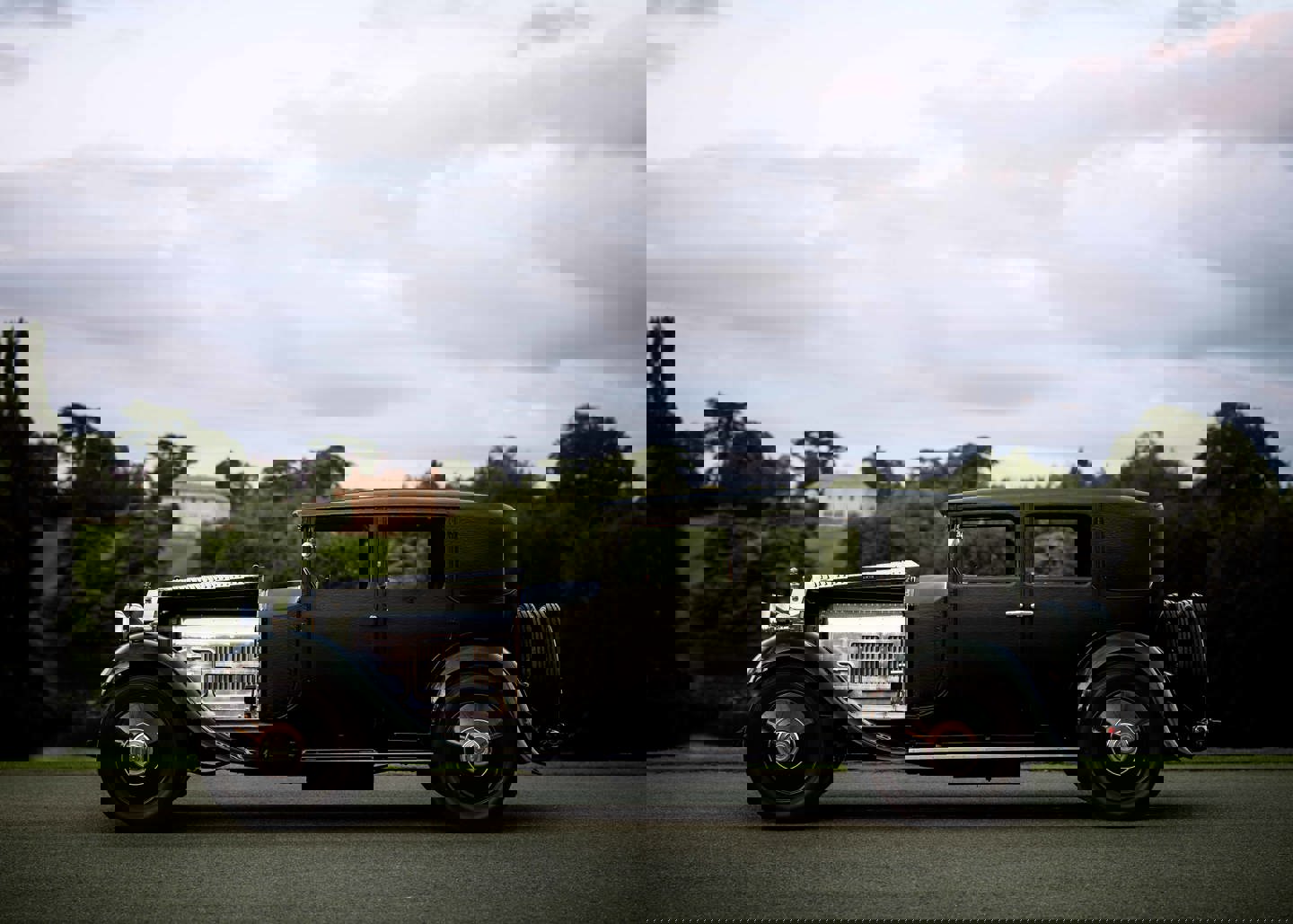
Retrofitting classic cars with electric motors may cause motoring purists to shake their heads, but it offers fantastic opportunities to get old treasures back on the road.
Two trends are currently colliding in the automotive industry to create an intriguing microniche: the advent of electrified classic cars. So-called “restomodding” – the modernisation of classic vehicles to make them more comfortable and usable – is nothing new. Still, until recently, the focus was largely on restoring or upgrading models with petrol engines. But as more and more car buyers become open to buying an electric vehicle, the demand for electrified classic cars with retrofit electric engines has skyrocketed.
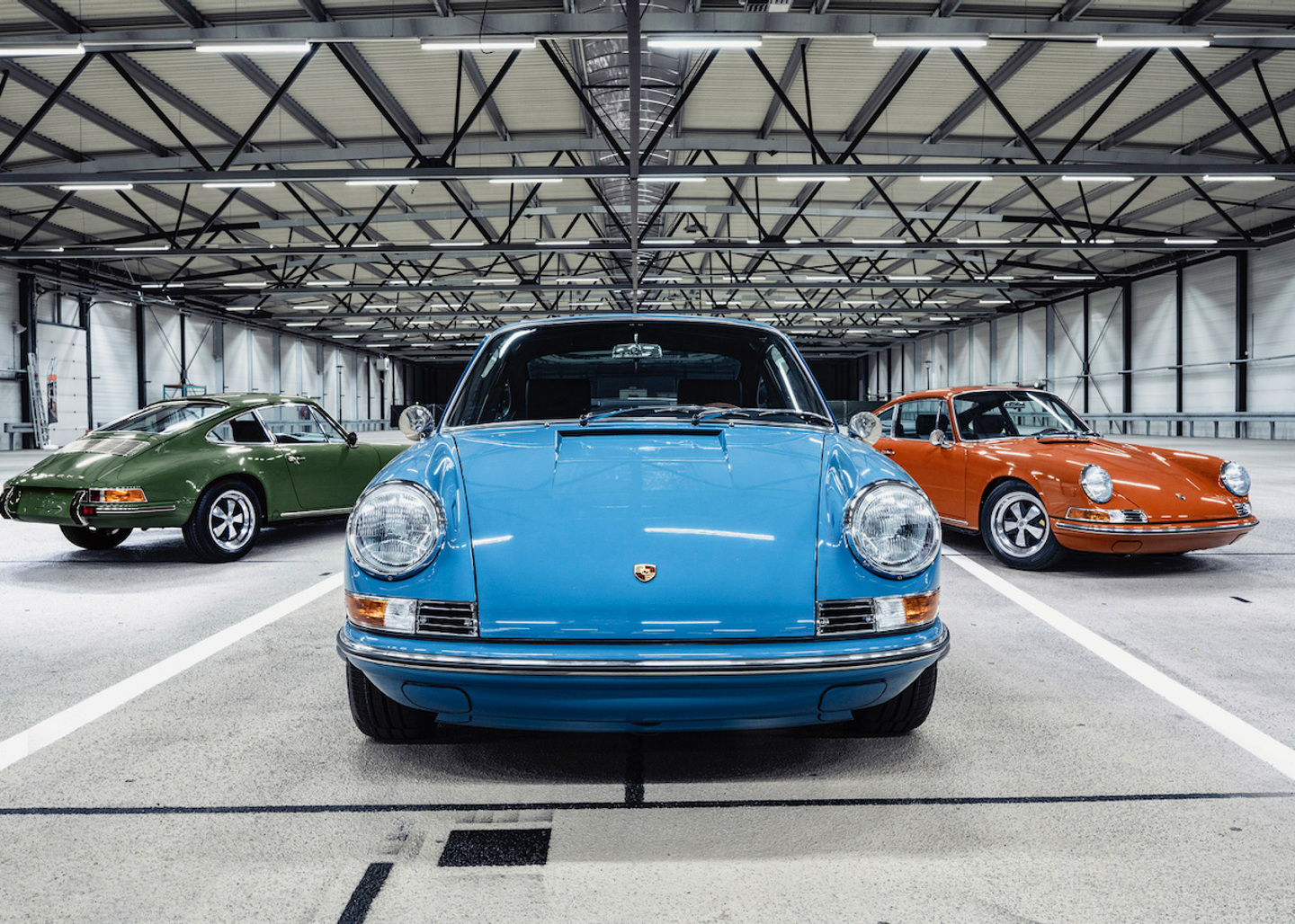
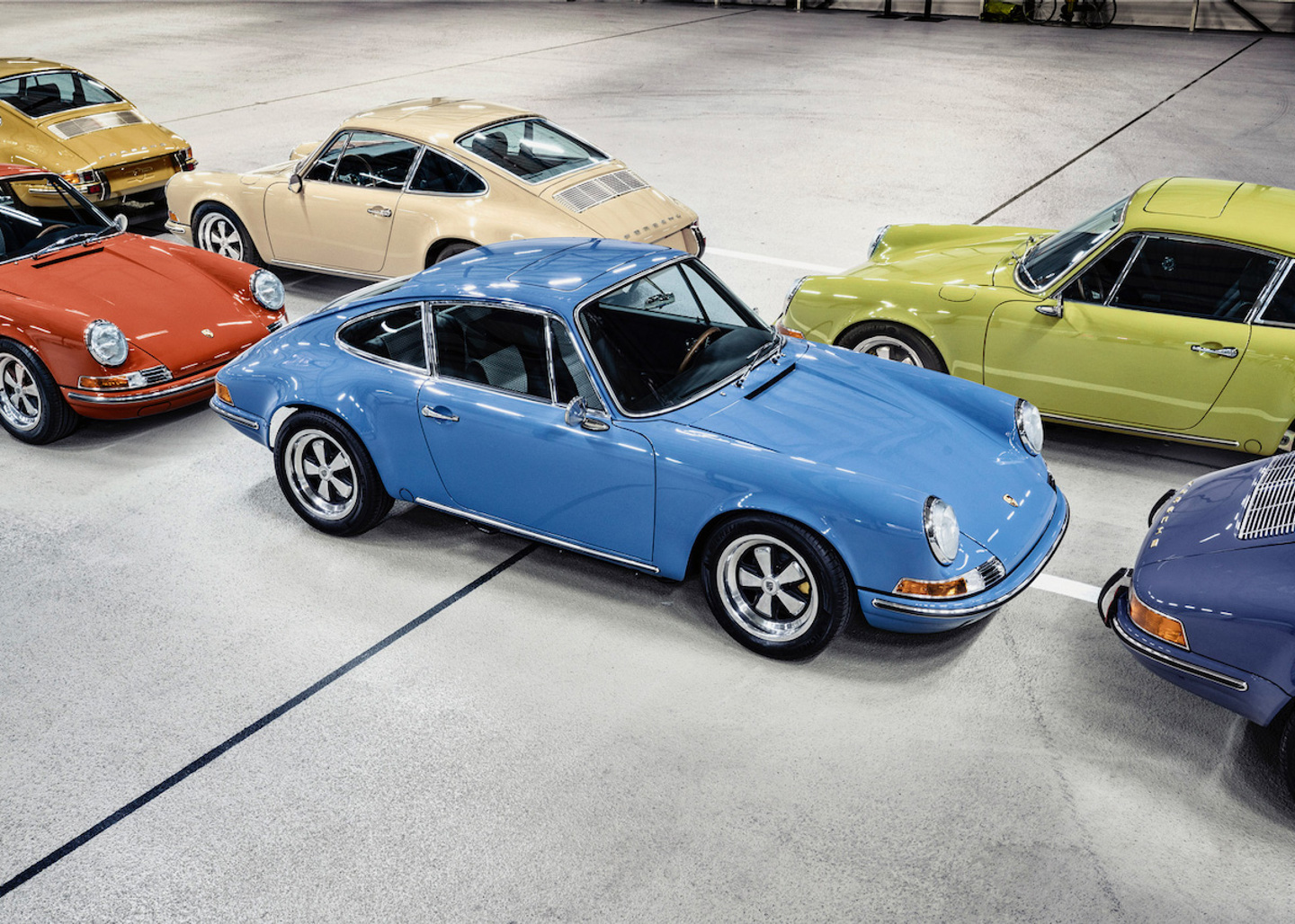
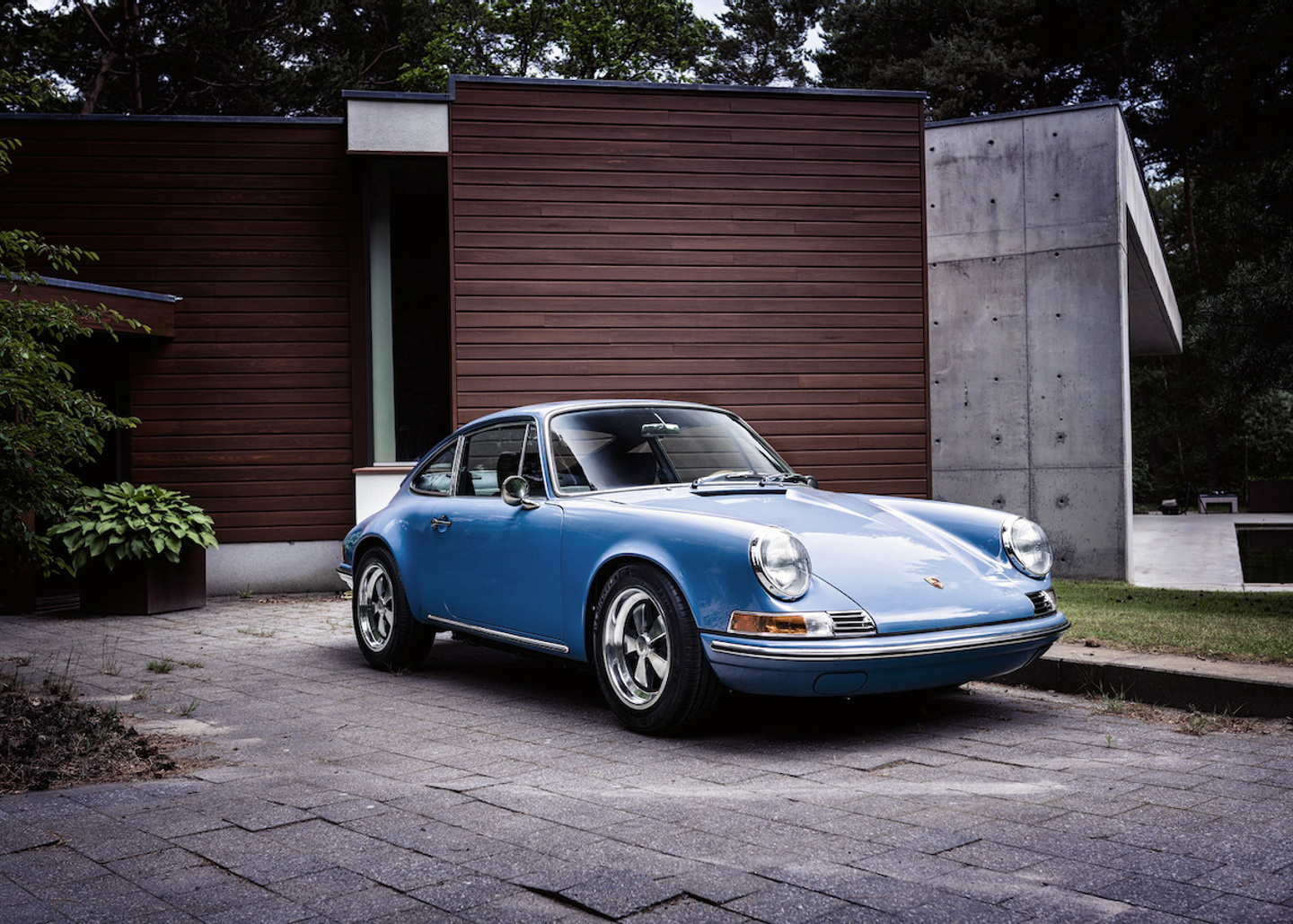
The advantages of such a car are ample – especially when it comes to reliability. While classic cars require a little more TLC to keep them on the road, good electric systems require little maintenance. And if problems do occur, they can be diagnosed – and fixed – almost immediately. This alone is a tempting prospect for many buyers, who “are typically between 40 and 50 years old and perhaps already own a Porsche or similar classic that they want to drive regularly,” says Martijn van Dijk from Voitures Extravert, a Dutch company that specialises in electrified Porsche 911s from the 1960s and 1980s. “Th[is] include[s] people who would otherwise never buy a classic car because they don’t want to sit on the side of the road in the dark when they break down,” he points out. Each of Voitures’ “Quintessenzas”, as the end result is called, is delivered with a high-quality finish, with modern details such as heated seats and electric windows in addition to the original specifications.
Voitures Extravert
In England, Everrati offers customised conversions of any classic car. The company’s flagship is a beautiful Mercedes-Benz W113 SL Pagoda, in which the original power has been increased by 12HP and the 0-100 km/h time reduced by 1.8 seconds. For some, of course, such treatment of a highly prized classic is sacrilege. For those still in doubt, Everrati – among several other outfitters – point out that the process is completely reversible.
One unique model that benefitted from the idea is the 1970 Aston Martin DB6 Mk II Volante, developed by Aston Martin Works, which has utilised an innovative cassette EV drivetrain that sits on top of the original gearbox and engine mounts. This option, intended as a proof of concept, is now available to any classic car owner to future-proof their prized possession for a time when petrol cars may not even be legal to drive. Paul Spires, president of Aston Martin Works, says: “We can also envisage collectors adding another dimension to their collection by commissioning classic cars converted to electric drive.”
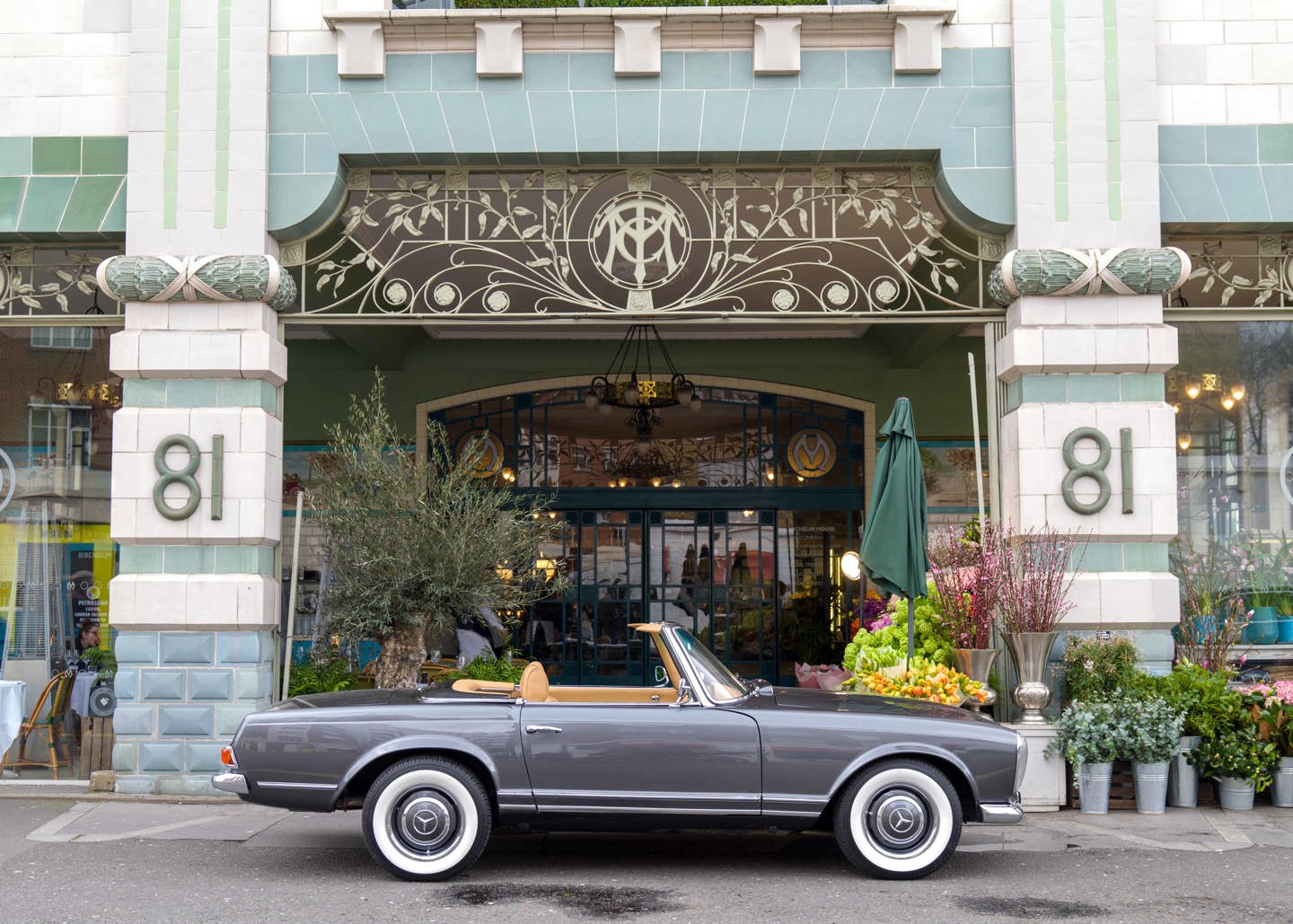
Everrati
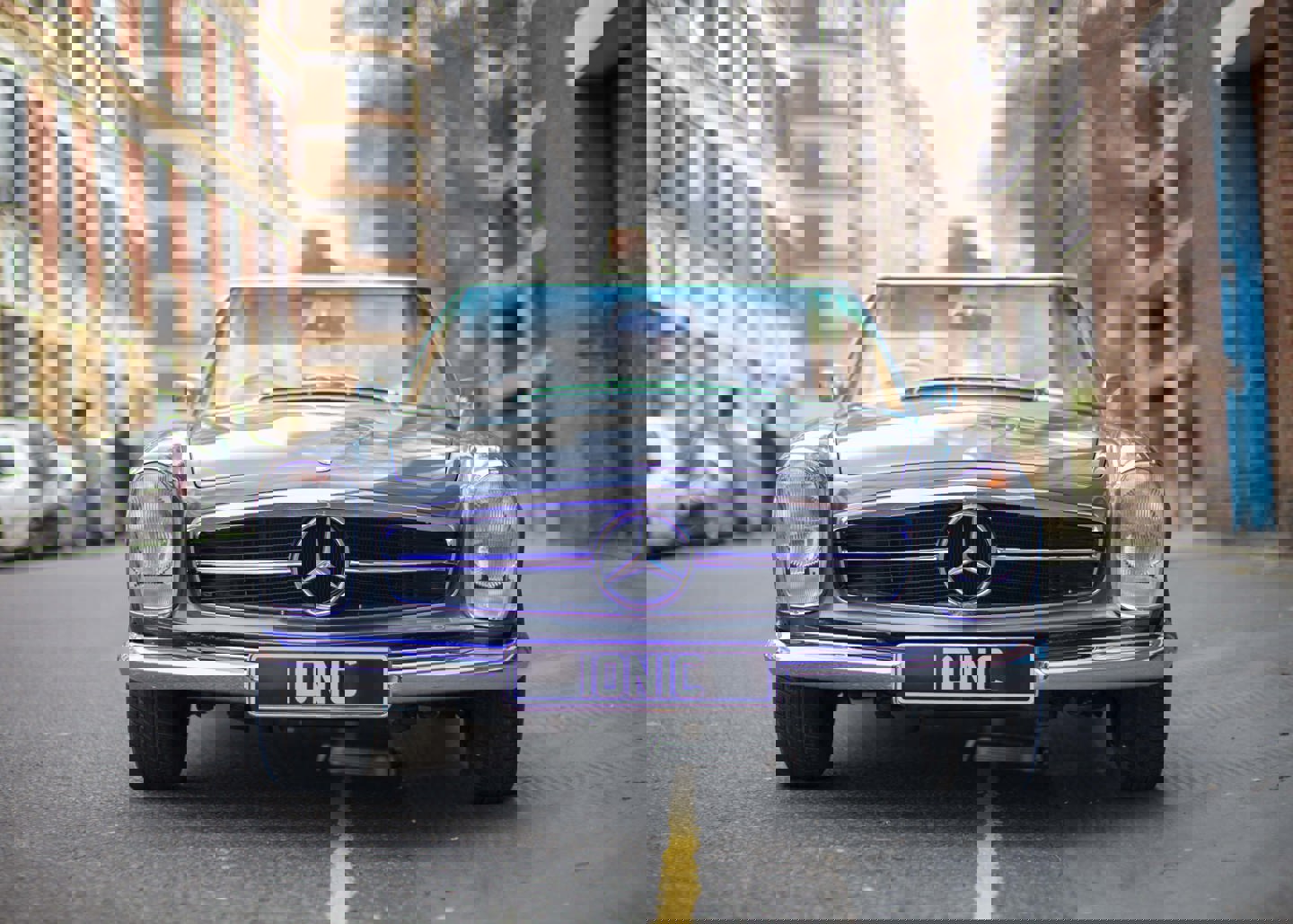
Everrati
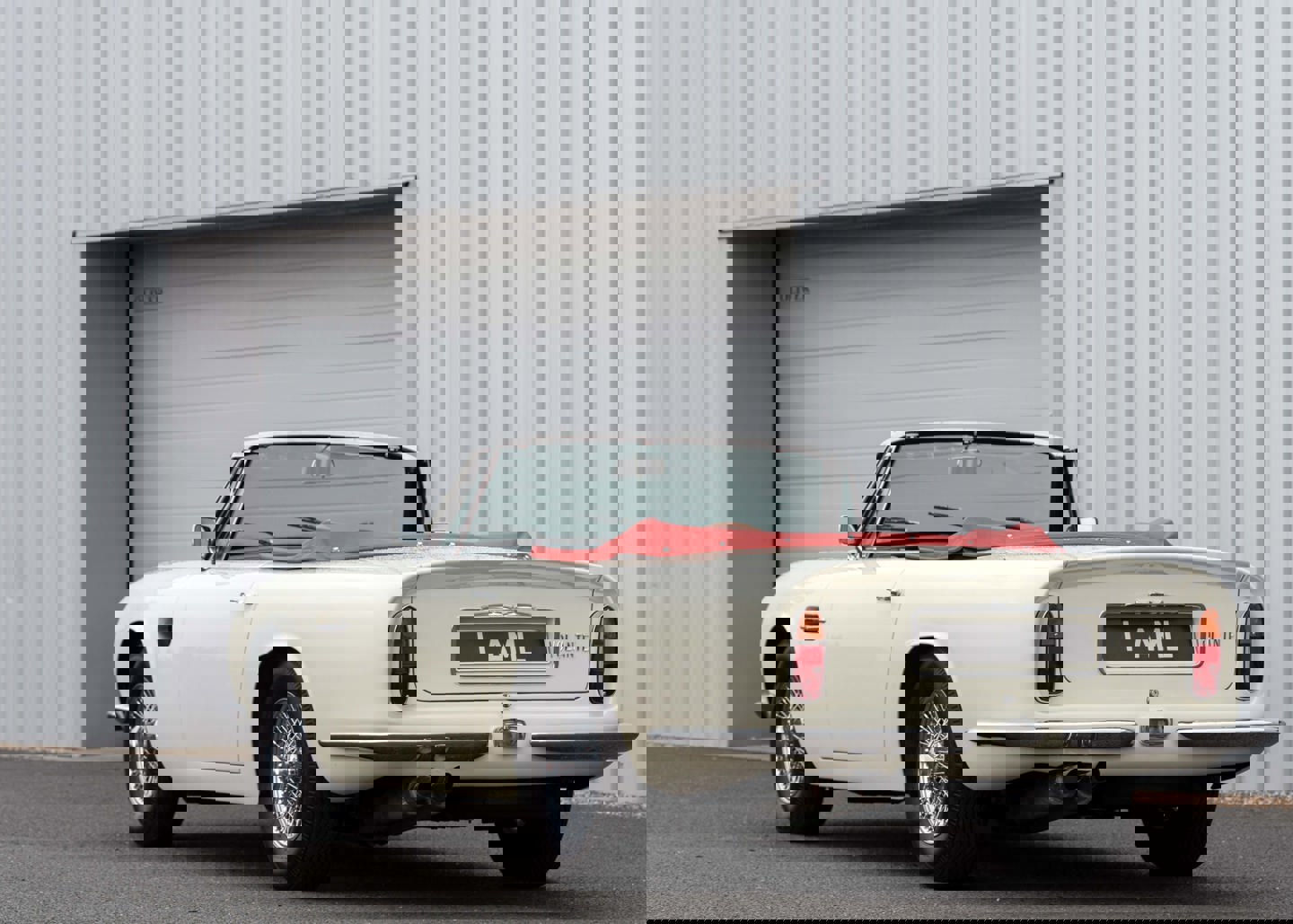
Aston Martin Works
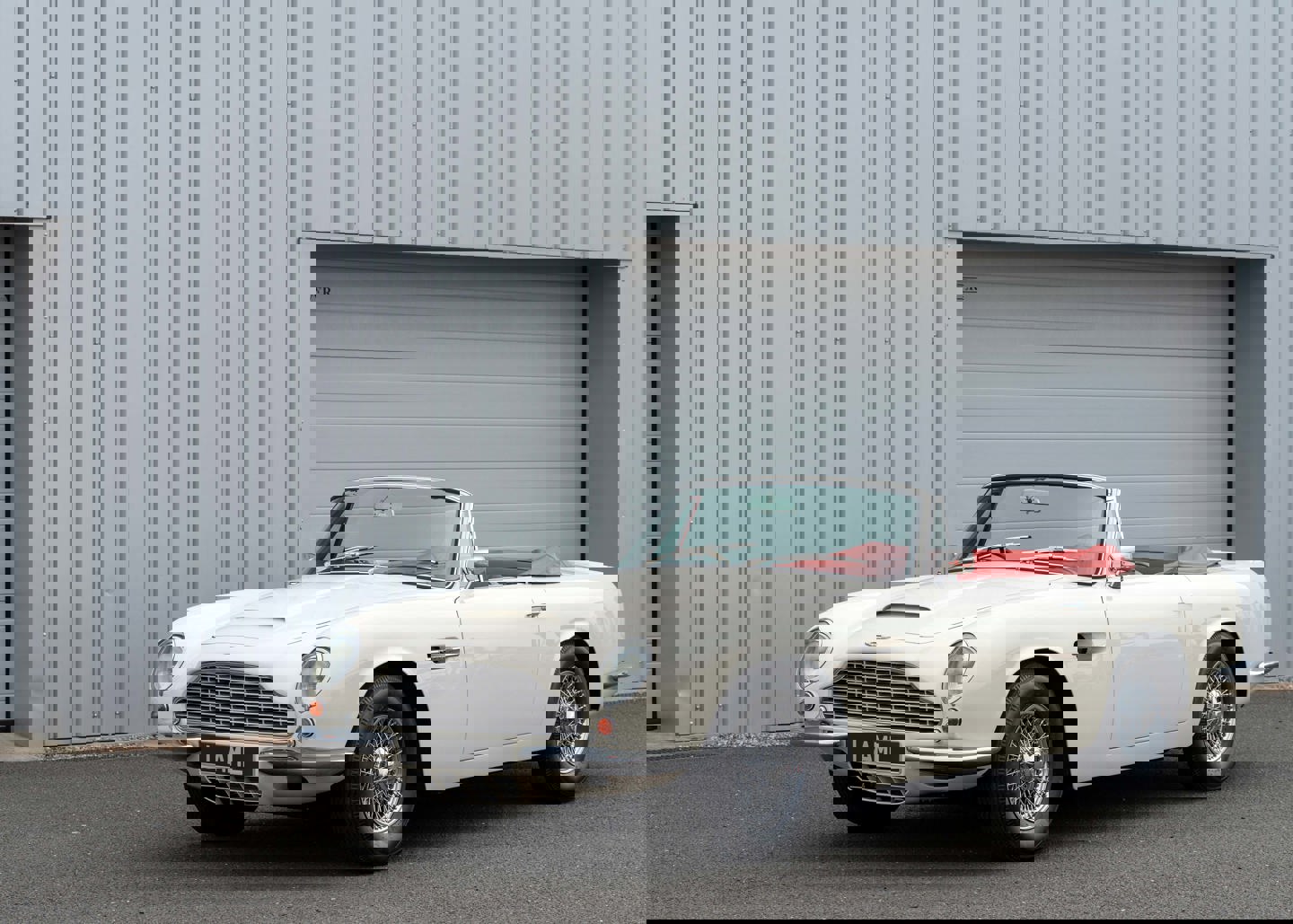
Aston Martin Works
While the Aston Martin model in question has a price tag of over £1.3 million, London Electric Cars is at the more affordable end of the market – and deliberately so, as the company’s plans are more far-reaching. At its core, the company sees the conversion of electric cars as an essential building block for a sustainable future, as it can prevent millions of old cars from being sent to the landfill. LEC’s portfolio includes old Minis and Morris Minors, but the company is convinced that any car can be converted.
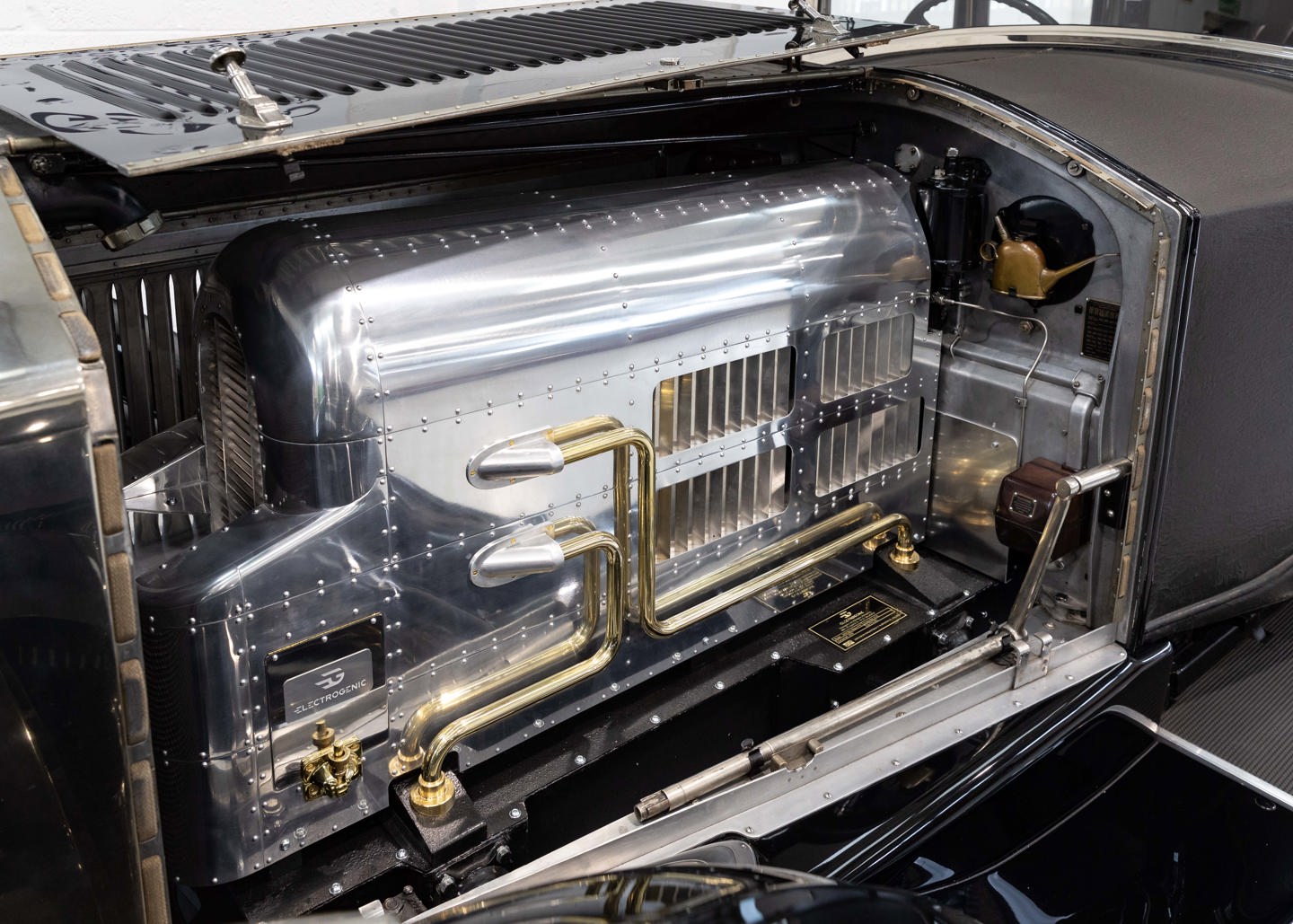
The latest vintage e-car gem is undoubtedly Electrogenic’s stunning conversion of a 1929 Rolls-Royce Phantom II. The project was commissioned by a private collector and the project is considered the most complex conversion of a classic car with electric drive to date. As with all Electrogenic projects, the conversion is fully reversible. The battery configuration has been customised specifically for the model in question; it is housed within the original architecture of the vehicle, so no changes are made to the structure itself. It is a carefully engineered process that involves a 3D scan of the vehicle structure before the optimal battery installation system is rendered in CAD. In addition to customised solutions such as the Phantom, Electrogenic is also known for its drop-in electric-car-conversion kits for popular models, which are offered through an international network of partner installers.
These converted cars are an attractive option for anyone who loves the look and feel of classic cars. Another big attraction is the speed. Thanks to the instant torque that an electric drive delivers, they are almost always faster than their original counterpart, which makes driving a characterful classic even more enjoyable – so die-hard e-mobility opponents might want to consider whether this isn’t the right way to keep unique cars alive for longer.
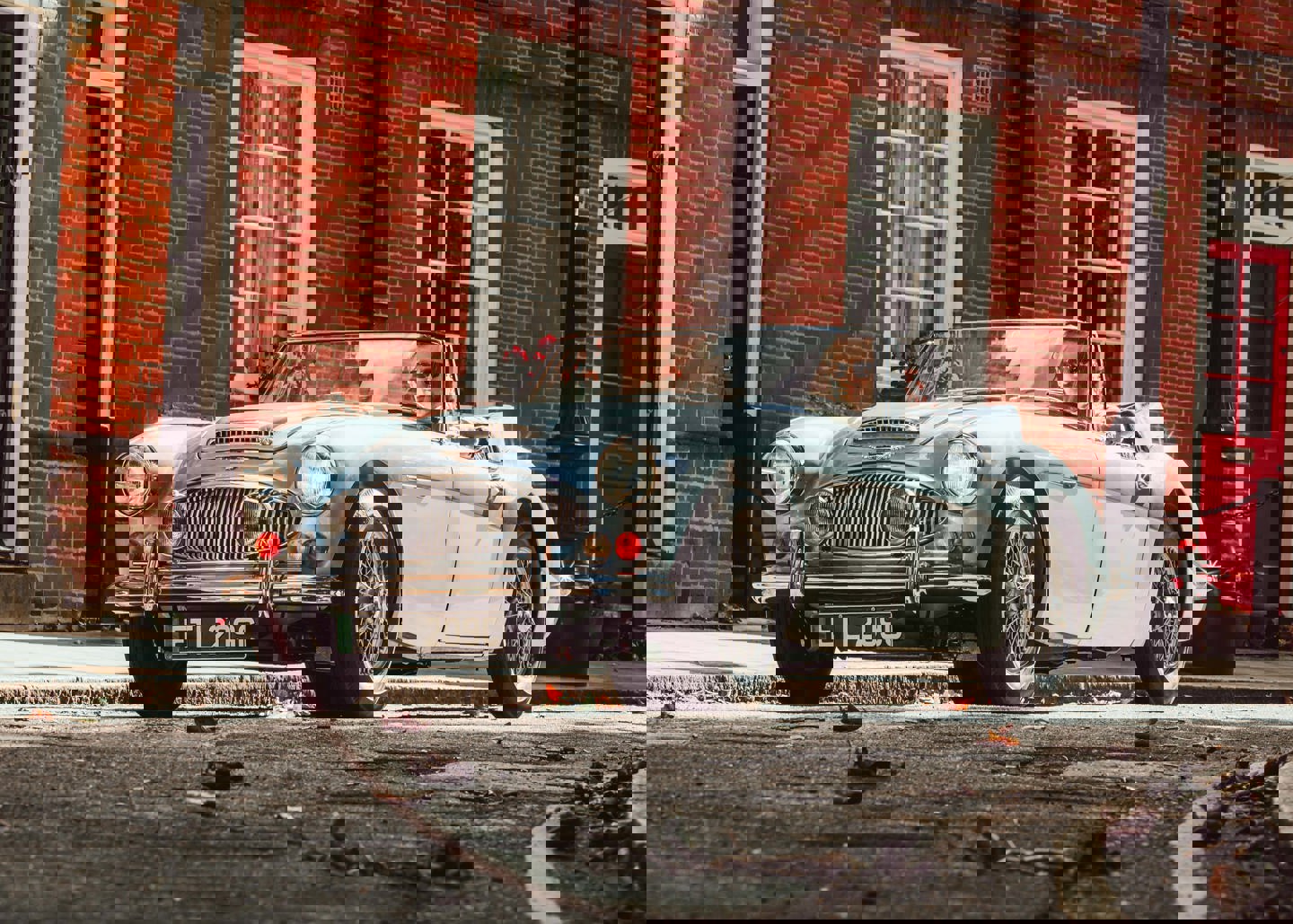
London Electric Cars
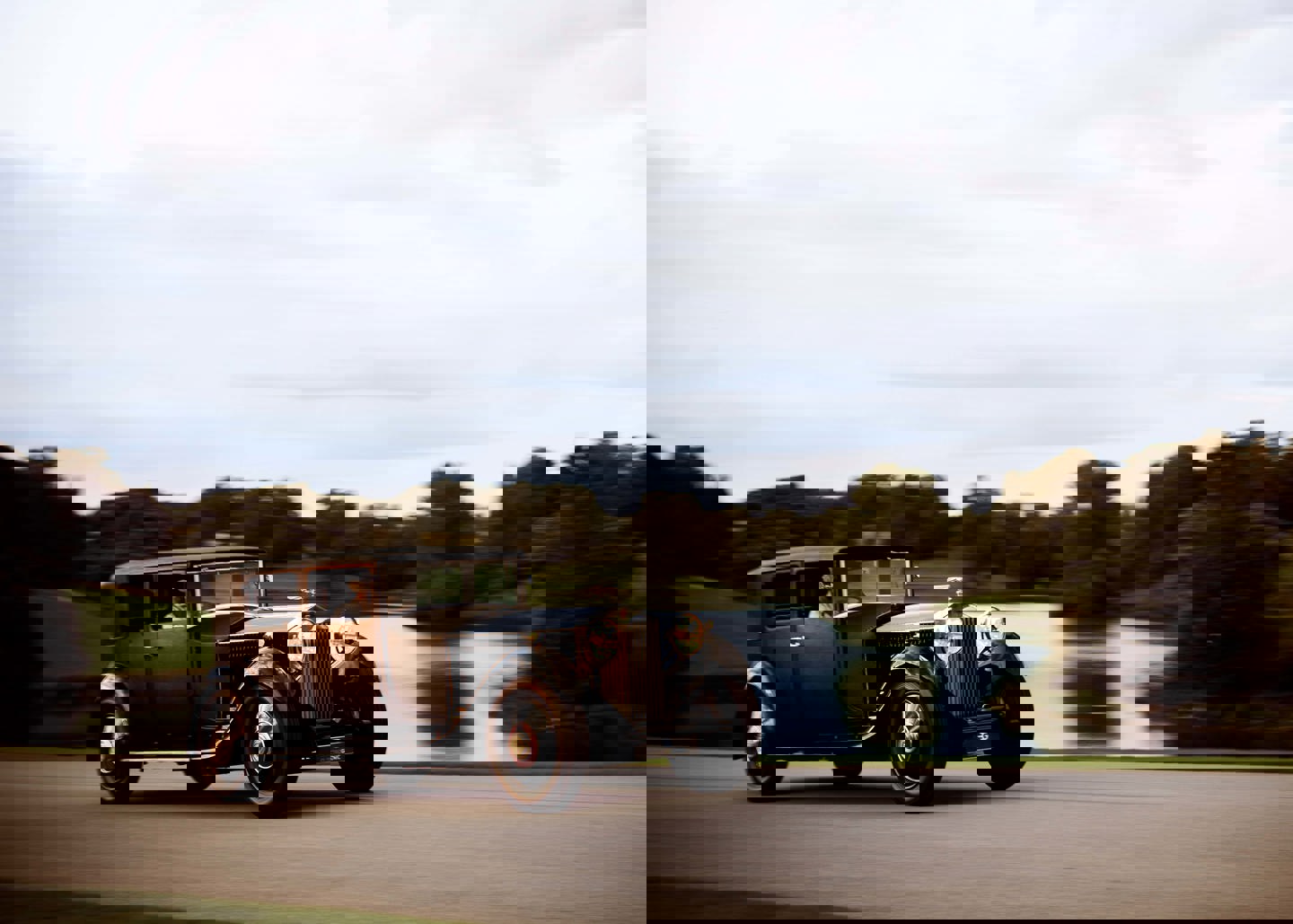
Electrogenic
Written by Franziska Seng
 OBLONG MEDIA GLOBAL INTELLIGENCE
Leave a comment