
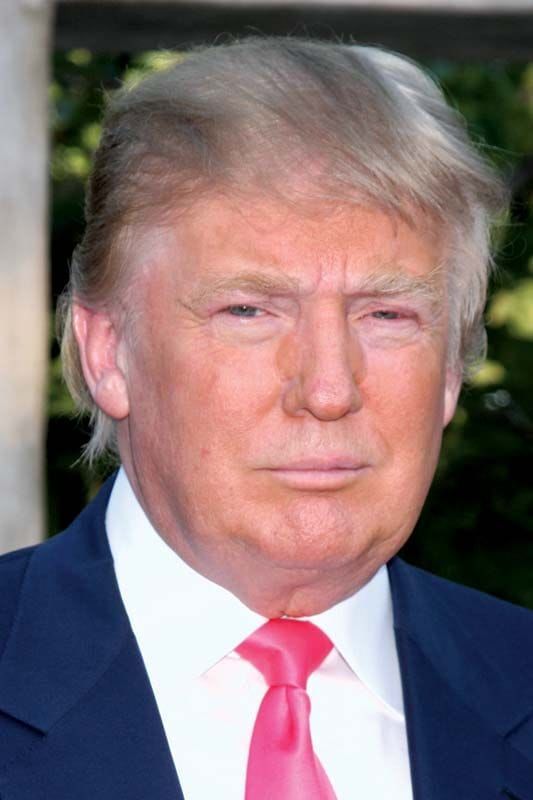
The weight of crimes committed by a president can be subjective and depends on various factors such as the nature of the crimes, their impact, and historical context. However, some presidents are often noted for their particularly severe or impactful actions:
Richard Nixon:
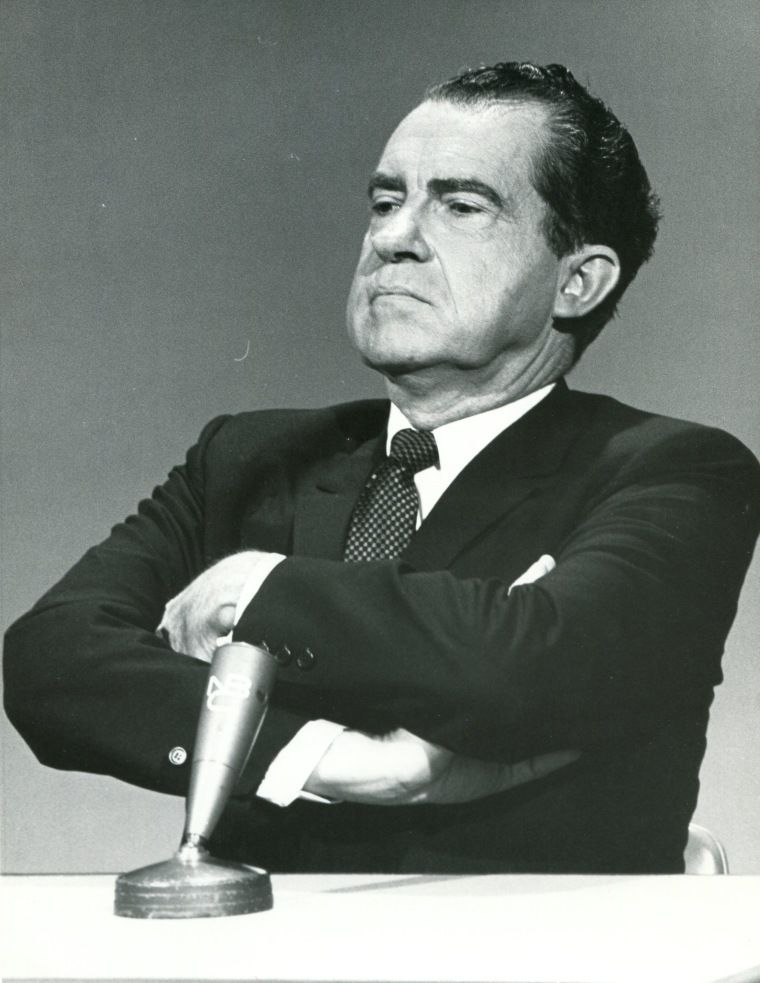
Watergate Scandal:
This was a major political scandal that began with the break-in at the Democratic National Committee headquarters at the Watergate office complex in 1972. Members of Nixon’s re-election campaign were caught attempting to wiretap phones and steal documents. The scandal escalated when it was revealed that Nixon had attempted to cover up his administration’s involvement. This included the infamous “Saturday Night Massacre,” where Nixon ordered the firing of special prosecutor Archibald Cox, leading to the resignation of the Attorney General and his deputy. The cover-up and misuse of power led to Nixon’s resignation in 1974, the first and only resignation of a U.S. president.
Andrew Johnson:
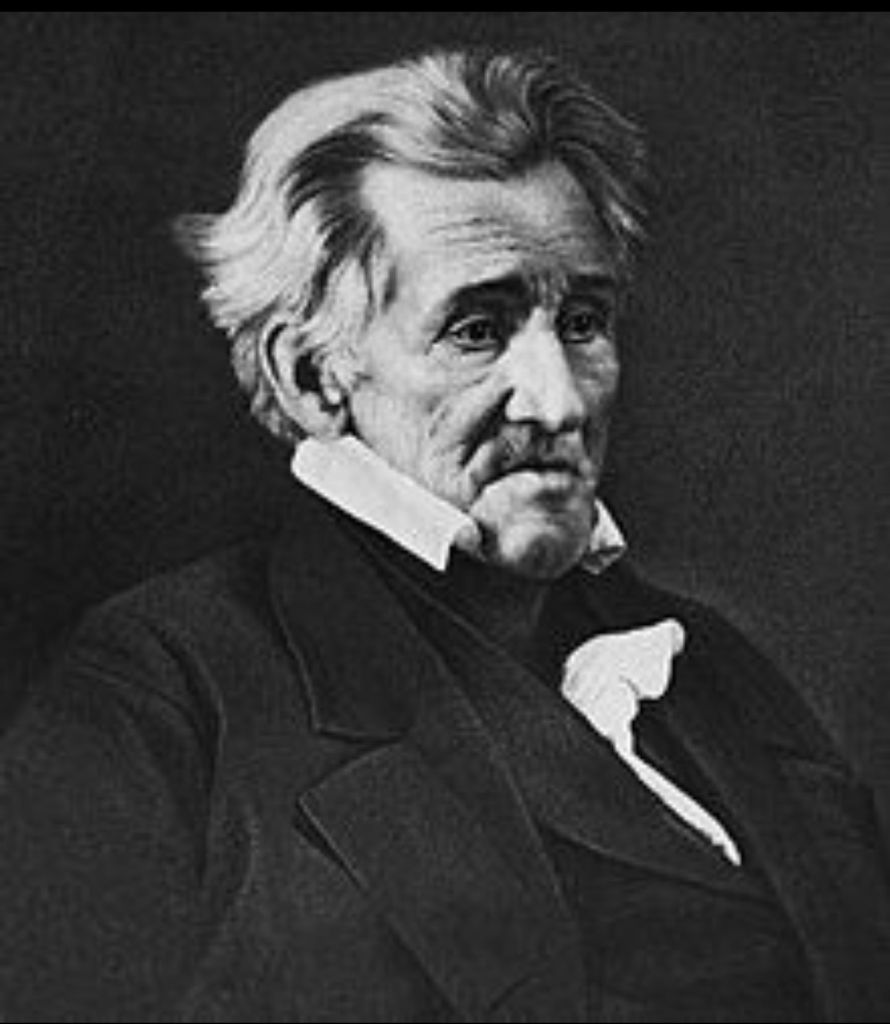
Impeachment and Tenure of Office Act Violation:
Johnson, who succeeded Abraham Lincoln, was at odds with the Republican-controlled Congress over Reconstruction policies. He violated the Tenure of Office Act by attempting to remove Secretary of War Edwin Stanton, a staunch supporter of Congressional Reconstruction. The House of Representatives impeached Johnson, primarily on charges of violating this act. Although he was not removed from office (the Senate acquitted him by one vote), his impeachment highlighted significant constitutional and political conflicts during the Reconstruction era.
Warren G. Harding:
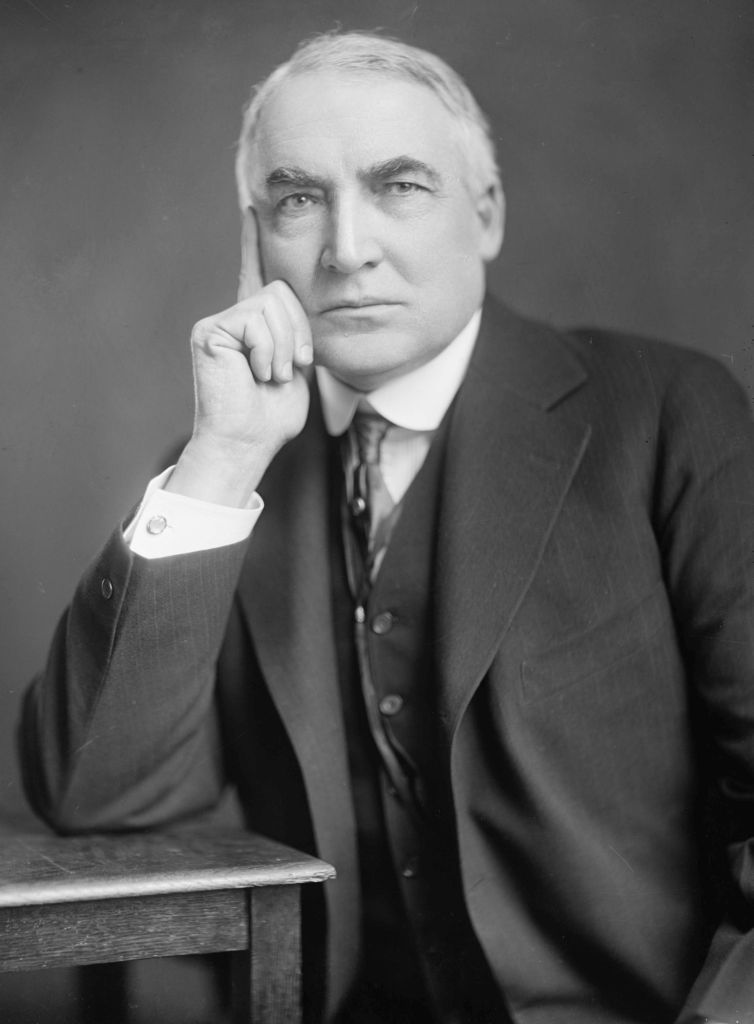
Teapot Dome Scandal:
This was one of the most significant scandals in U.S. political history, involving the secret leasing of federal oil reserves by the Secretary of the Interior, Albert B. Fall. Fall leased the Teapot Dome oil reserve in Wyoming and other reserves in California to private oil companies at low rates without competitive bidding. In return, he received bribes from the oil companies. Fall was eventually convicted of accepting bribes and became the first U.S. cabinet member to be imprisoned for crimes committed while in office. Although Harding himself was not directly implicated, the scandal tainted his administration’s reputation.
Bill Clinton:
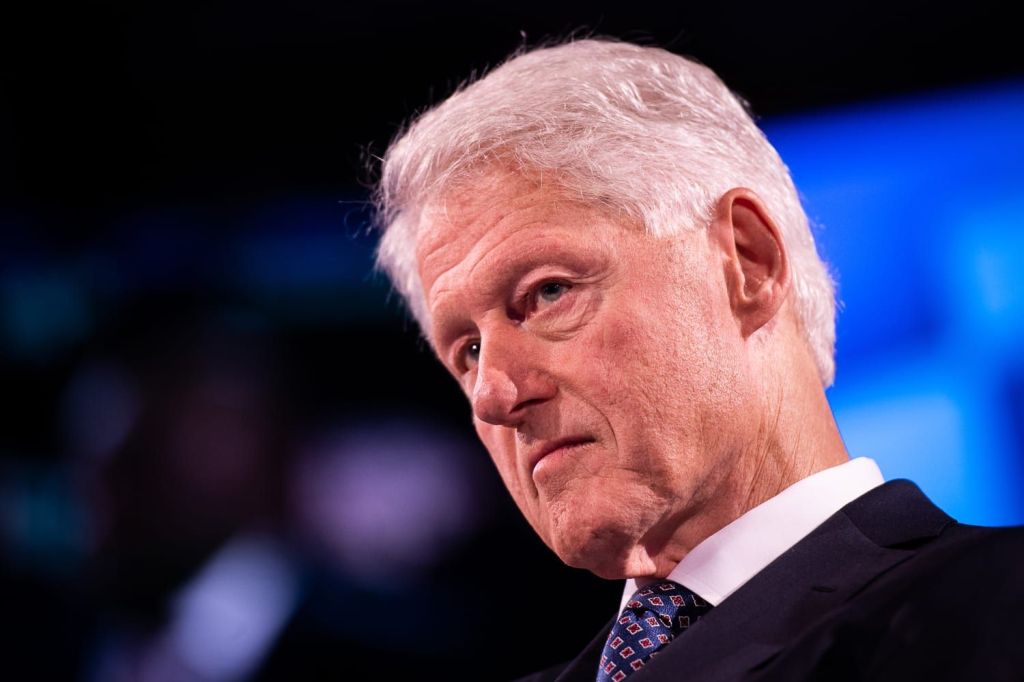
Lewinsky Scandal and Impeachment:
Clinton was impeached by the House of Representatives in 1998 on charges of perjury and obstruction of justice. These charges stemmed from his extramarital affair with White House intern Monica Lewinsky and his subsequent attempts to cover it up. Clinton lied under oath about the affair during a deposition in a sexual harassment lawsuit filed by Paula Jones. His impeachment trial in the Senate ended with his acquittal, allowing him to remain in office, but the scandal had a significant impact on his presidency and legacy.
The lack of convictions for these presidents, despite the serious allegations and impeachment processes, can be attributed to several factors, including the political environment, the establishment interest, legal standards, and the specifics of each case.
Here’s a more detailed look at why Richard Nixon, Andrew Johnson, Bill Clinton were not convicted.
- Richard Nixon:
Resignation and Pardon:
Nixon resigned from office on August 8, 1974, before he could be impeached and tried in the Senate. His resignation was a strategic move to avoid the impeachment process, as it became clear he would likely be impeached and removed from office. After his resignation, President Gerald Ford issued a full and unconditional pardon for any crimes Nixon might have committed against the United States while president. This pardon effectively shielded Nixon from any legal proceedings related to the Watergate scandal.
- Andrew Johnson:
Senate Acquittal:
Johnson was impeached by the House of Representatives primarily for violating the Tenure of Office Act. However, during the Senate trial, the votes for conviction fell short of the required two-thirds majority by just one vote. Several moderate Republicans were concerned about the political precedent that removing Johnson would set and the implications for the balance of power between Congress and the presidency. As a result, he was acquitted and completed his term in office.
- Bill Clinton:
Senate Acquittal:
Clinton was impeached by the House on charges of perjury and obstruction of justice related to his extramarital affair with Monica Lewinsky. During the Senate trial, the votes for conviction did not reach the required two-thirds majority on either charge. The Senate was divided largely along party lines, with most Democrats and a few Republicans voting for acquittal. Many senators believed that while Clinton’s behavior was inappropriate and unethical, it did not rise to the level of “high crimes and misdemeanors” required for removal from office.
Political Considerations
Impeachment and removal from office are inherently political processes. The requirement for a two-thirds majority in the Senate for conviction means that a significant bipartisan consensus is needed, which is often difficult to achieve, especially in a polarized political climate. Senators may consider various factors beyond the legal merits of the case, including public opinion, party loyalty, and the potential impact on future elections and governance.
Legal and Constitutional Standards
The U.S. Constitution sets a high bar for impeachment and removal, specifying “treason, bribery, or other high crimes and misdemeanors” as grounds. The interpretation of these terms can be subjective, and there is often significant debate about whether a president’s actions meet these criteria. The Senate’s role as the sole body to try impeachments further introduces a political element to what might otherwise be seen as a legal process.
These factors combined have led to the acquittal of the presidents mentioned, despite the serious nature of the allegations against them.
The case of Donald Trump is a special case. Had Trump accepted the results of the 2020 election, he would have saved himself a lot of witchhunting and grief. As a result of is insistence that the election was stolen, a weaponized criminal justice system has been deployed in full force against him. Recent reporting points to this narrative as a reason why the specter of violence from Trump’s base as the 2024 election approaches is already concerning to some analysts. Never in the history of America has there ever been such a vicious manhunt operation to shut down a former president of America for allegedly perceived flimsy crimes. Trump is being charged with every possible felony that can drummed up by obviously biased and hateful judges.
There’s certainly something to Trump’s insistence that his conduct has been under constant legal and political scrutiny. From the Russia investigation in 2016 to the Mueller investigation in 2017; to the New York state investigation into hush money payments that began in 2017; to the first impeachment trial that began in 2019; to the second impeachment trial in 2021; to the Fulton County probe opened in 2021; to the Justice Department’s Jan. 6 probe opened that same year; to the Jan. 6 committee investigation that ended in 2022; to this most recent indictment from the Justice Department related to the Mar-a-Lago investigation, which opened in 2022—Trump’s forays in and out of the legal system are as expansive as the attention he’s captured as candidate, president, and private citizen.
Looking back at the connective tissue between the many investigations and cases involving Trump, past, present, paints a picture of an individual constantly under investigative scrutiny over many years. It’s obvious that his enemies whether percived or real, hate him to such a degree that they will go to any lengths to nail him with something anything to stop him from running and winning the November elections. The picture also reveals that many hands within the U.S. government—state prosecutors, federal prosecutors, legislators, and other members of the executive branch—have at different times carried the baton in the investigations of Trump.
His cases and his person have been so negative hyped up in the media that there is no chance on earth that he will get a fair trail. The media has ensured that Trump is the most hated man in America by far. Today not surprisingly, he has been convicted of 34 charges, a first in American history. His case highlights the dangers and negative effects of a teleguided trial by a media.
Hon. Chima Nnadi-Oforgu
http://www.oblongmedia.net
 OBLONG MEDIA GLOBAL INTELLIGENCE
Leave a comment