
Governor Hope Uzodinma’s decision to relocate the Imo State Government House to Orlu has been a significant political move that has generated a mix of support and criticism. The relocation is seen by many as an effort to decentralize the administration and bring development to different parts of the state. Supporters argue that this move is part of a broader strategy to enhance infrastructural development across Imo State. Under Uzodinma’s administration, critical road projects like the Owerri-Orlu, Owerri-Okigwe, and Owerri-Umuahia roads have been prioritized, significantly improving transportation and boosting economic activities.
However, the relocation has not been without controversy. Critics argue that the decision disproportionately benefits Orlu, which already enjoys significant political and economic influence within the state. This move is perceived by some as an attempt to further entrench Orlu’s dominance, thereby marginalizing other zones, particularly Owerri.
Historical Context of Regional Disparities in Imo State.
The political landscape of Imo State has long been marked by regional disparities. The creation of additional Local Government Areas (LGAs) in Orlu has historically increased its political clout, often at the expense of the Owerri zone. This administrative restructuring, spearheaded by figures like Senator Arthur Nzeribe and Dr. Walter Ofonagoro, provided Orlu with a larger share of state and national resources, enhancing its political and economic leverage. This imbalance has led to recurring calls against this imbalance and for the creation of an Owerri State.
The legacy of this imbalance is seen in the socio-economic landscape of the state. Orlu’s increased representation and resource allocation have often left the Owerri zone at a disadvantage, fostering resentment and calls for a more equitable distribution of resources and political power.
Advocacy for the Creation of Owerri State
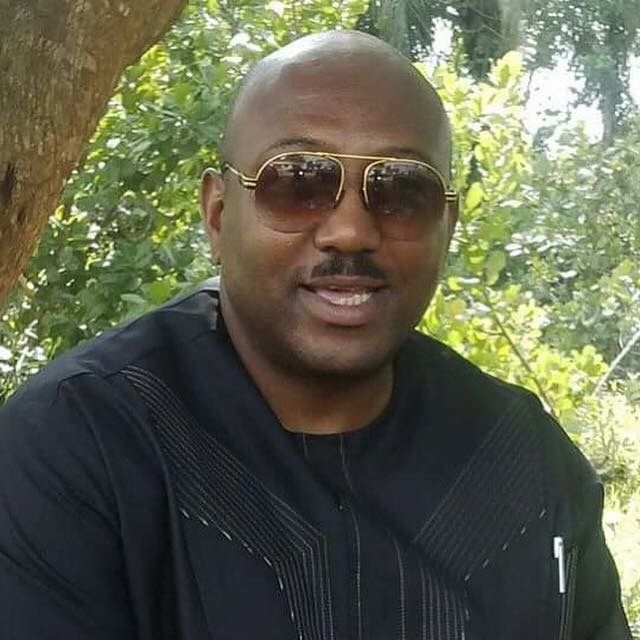
Hon. Chima Nnadi-Oforgu has been a prominent long standing advocate of equity, fairness and justice for Owerri zone and a strong proponent for the creation of an Owerri State. He argues that the current state structure does not adequately represent or serve the interests of all its zones. He strongly believes that Owerri zone cannot clinch the governorship under the current political arrangement in the state. Nnadi-Oforgu and other proponents of this idea believe that a new state is what is required to rectify historical injustices and provide a platform for balanced development. The ongoing marginalization of the Owerri zone under the current state configuration underscores the need for restructuring.
Nnadi-Oforgu’s calls for a new state have gained traction among those who feel that the political and economic dominance of Orlu has stifled Owerri’s political development. This perspective is supported by the long-standing kinship between Okigwe and Orlu, which often disadvantages Owerri in matters of political and economic significance. The creation of a separate state for Owerri would allow for governance that better aligns with its unique cultural and social priorities.
Legislative Efforts for State Creation.
The recent submission of bills by Senator Izunaso and Ikenga Ugochinyere for the creation of a new state is a significant legislative effort. These bills are seen as an attempt to counter the demands emanating from Owerri zone for a more equitable distribution of political power within Imo State. If successful, these legislative efforts could lead to significant changes in the state’s administrative and political landscape, potentially addressing zonal marginalization and disparities that have plagued Imo State for years
Conclusion
Governor Uzodinma’s relocation of the government house to Orlu and the legislative push for the creation of new states reflect the deep-seated regional tensions in Imo State. These actions are part of a complex interplay of political strategies aimed at addressing longstanding grievances and achieving a more balanced and inclusive governance structure. The ongoing debate underscores the need for a thoughtful and inclusive approach to statecraft that considers the diverse needs and aspirations of all zones within Imo State.
The historical context of regional disparities, the advocacy for the creation of Owerri State, and the legislative efforts to achieve this goal are all critical components of the broader discourse on how to achieve equitable development and political representation in Imo State.
Chima Nnadi-Oforgu
Duruebube Uzii na Abosi
 OBLONG MEDIA GLOBAL INTELLIGENCE
Leave a comment