
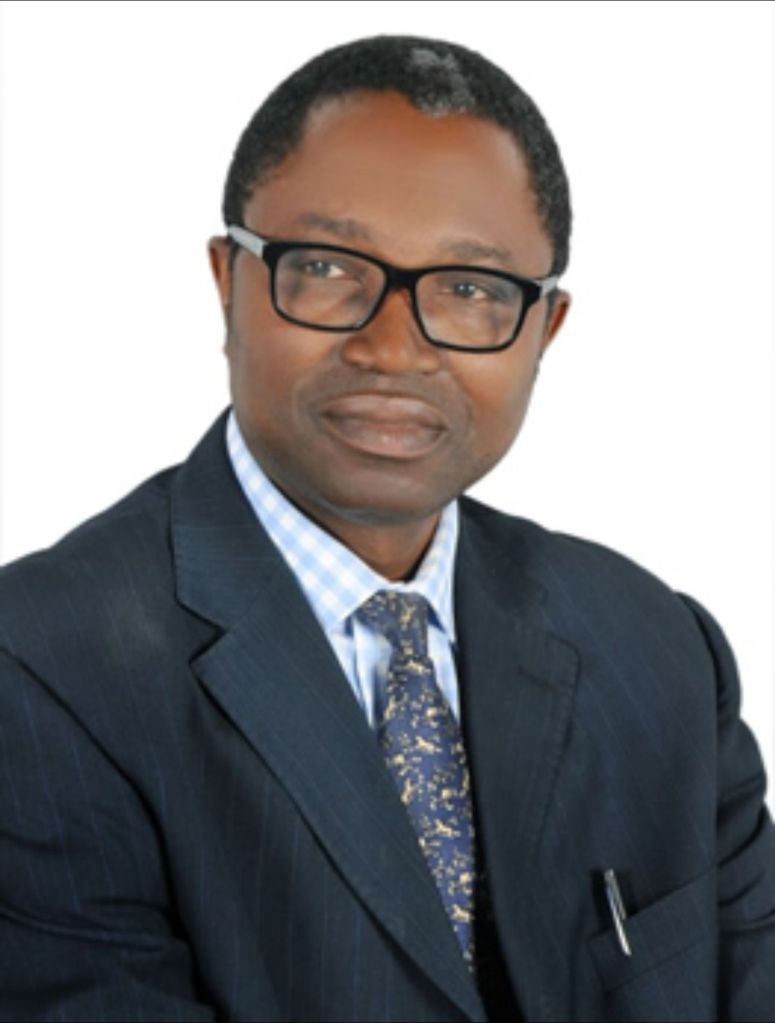
Below is the perspective of a senior friend of mine on the Dangote Refinery story:
“That refinery is a scam. It is a prematurely birthed government-supported venture that cannot survive without continuous government aid. There was no proper feasibility study; instead, a plan was hastily put together by his assorted Indian experts. In London, they told us the refinery was built on the assumption that subsidies would continue indefinitely.
A man with a degree in Arabic & Islamic Studies from Cairo University managed to dominate the cement industry and make substantial money. He ventured into the instant noodle market with limited success. His past experience in oil and gas is virtually nonexistent. He thought it would be similar to the cement and instant noodle businesses. He undermined all four government refineries and plunged into the high-tech end of the industry: refining. He undertook this at an unprecedented scale, creating the biggest and most modern refinery in the world. Halfway through, he went broke and scammed the federal government into becoming a partner in this fraudulent endeavor. A government that couldn’t maintain its own four refineries borrowed $6 billion to invest in the monster in Lekki.
Weren’t we told that Dangote had received crude oil into its tanks as far back as January? So what’s this noise and blackmail all about? Simple: Dangote produced diesel and allegedly reduced the price from ₦1,800 to ₦1,200. Bravo. Nigerians expect him to do the same with petrol, hence the anticipation of a ₦300 per liter pump price for petrol. Globally, diesel is slightly cheaper than petrol, but Nigeria is an exception due to the huge subsidy on petrol.
The reality facing Dangote now is that if he buys crude at $82 per barrel, his petrol would be priced at ₦1,400 per liter. He thought the federal government would provide him with crude oil at a preferential price of $40, $20, or even $0 per barrel. Where would the federal government get the crude? 80% of the crude produced is stolen. The remaining 20% is shared between the NNPC and the International Oil Companies (IOCs). The production sharing agreement between NNPC and the IOCs is 60%/40%, with each party free to sell to their respective customers globally.
The federal government has already sold crude that is yet to be produced over the next four years. This money was partly used to finance the Dangote Refinery, settle existing debts, fund the election, and support last-minute infrastructure projects in the Katsina-Daura-Niger axis. Thus, the federal government has no crude to sell to Dangote, even at $82 per barrel. Dangote then approached the IOCs with an arrogant attitude, expecting to dictate terms as if dealing with government officials.
The lessons in all this:
- No matter how smart you are, do not enter a business you know nothing about.
- Nigerians should stop counting their chickens before they are hatched. Petrol will not stay at ₦600 per liter; it will rise to about ₦1,400.
- Let the protesters be prepared. However, let Abuja be the focus of their protests. Otherwise, each protester should return to their state of origin and not hide behind spurious claims to destroy Lagos and the Southwest after making their own homes uninhabitable.
This Dangote Refinery will take a chapter in my memoir. I’ve written extensively about it on various social media forums. As far back as two years ago, some people thought I was too pessimistic. They jeered at me when Buhari commissioned the incomplete gigantic folly in May 2023. He who laughs last…”
- Banji Ogungbemi
 OBLONG MEDIA GLOBAL INTELLIGENCE
Leave a comment