
Nigerian politicians are arguably some of the most self-serving in the world. They secure power not through a genuine commitment to public service but by purchasing their way into office. This transactional nature of politics in Nigeria has far-reaching consequences, deeply undermining the welfare and well-being of the citizens they are supposed to serve. When political positions are acquired through financial means, the resulting leadership is often more concerned with recouping their investments and furthering personal interests than addressing the needs of the populace.
One of the most glaring issues is the disconnect between elected officials and the electorate. When politicians have to buy their way into power, they feel little obligation to the people who, having been paid off, effectively relinquish their rights and voices in the democratic process. This dynamic creates a vicious cycle of apathy and exploitation, where the electorate becomes disillusioned and the politicians more emboldened in their self-serving pursuits.
Moreover, the financial burden of election-related court cases exacerbates the situation. In many cases, these politicians borrow heavily to fund legal battles aimed at securing or retaining their positions. The result is a political class that is more focused on paying off debts and amassing wealth than on governance and public service. This indebtedness ties them even closer to powerful financial backers, further alienating them from the concerns of ordinary Nigerians.
Given this grim reality, what can Nigerians realistically expect from their governors and representatives? Unfortunately, not much, unless significant reforms are undertaken. One possible solution lies in making political positions less attractive financially. By reducing the perks and privileges associated with these positions, the hope is that only those genuinely driven by a desire to serve the public would seek office.
Another crucial reform is the decentralization of government and the return to regionalism. The over-centralization of power in Abuja has had the unfortunate effect of dictating who should govern at the state and local levels. This has resulted in a situation where individuals who, under a more localized system, would not even qualify as councilors are now serving as governors and representatives. The influence of Abuja in state and local politics has led to the proliferation of incompetent, incapable, and self-serving politicians who owe their positions not to their constituencies but to the powers that be in the capital.
This centralization has also fostered a culture of kakistocracy—government by the least qualified and most unscrupulous. It is high time Nigerians took a stand against this system. We are under the grip of a powerful and malevolent force that has systematically dismantled the progress made by previous administrations. This force, driven by greed and ambition, has used falsehoods, propaganda, and the influence of Western powers to mortgage Nigeria’s future for their gain.
The current administration is struggling to reverse the damage it has done over the past nine years. The use of private jets as mere car hire services for governors and representatives is just one symptom of the deep-seated rot in the system. The mess created by these self-serving politicians will take years to clear unless appropriate measures are taken to dislodge this devilish force posing as government.
The choice is ours, as Nigerians, to either tolerate and accept this situation or to demand change. We must overcome the Stockholm Syndrome that keeps us shackled to a system that does not serve our interests. It may be time to consider not just decentralizing our government but also changing the very name of our country, as a symbolic act of liberation from the forces that have held us back for far too long.
In conclusion, the future of Nigeria depends on our collective resolve to demand better governance. We must push for reforms that prioritize service over self-interest, competence over connections, and decentralization over central control. Only then can we hope to break free from the cycle of exploitation and build a Nigeria that truly serves its people.
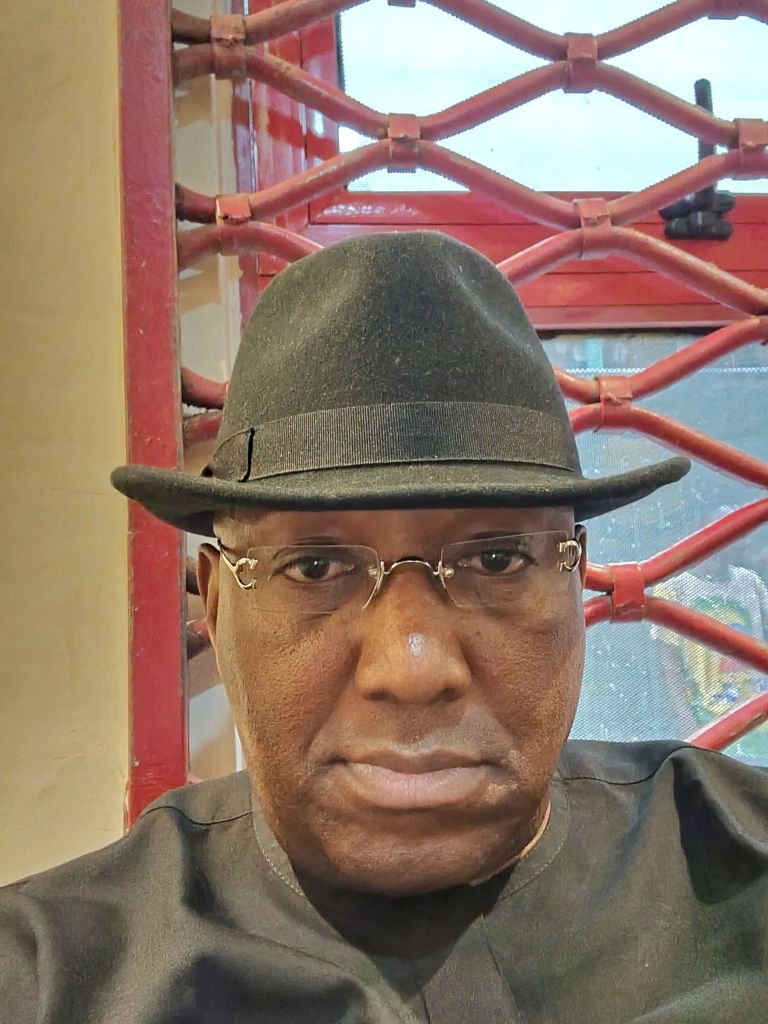
Hon Chima Nnadi-Oforgu
Duruebube Uzii na Abosi
 OBLONG MEDIA GLOBAL INTELLIGENCE
Leave a comment