
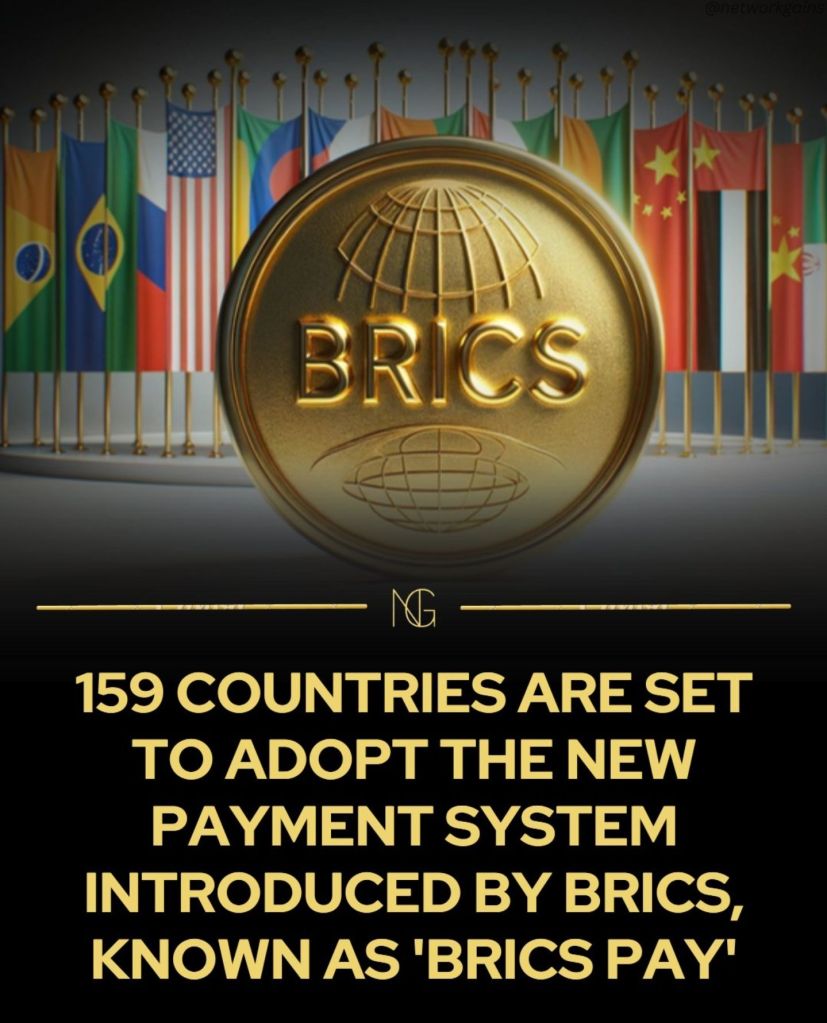
As the world moves toward greater interconnectedness and multilateral cooperation, the United States finds itself at a crossroads. The global balance of power is shifting, with emerging economies like those in BRICS developing new financial systems and partnerships that challenge America’s long-standing dominance. Yet, rather than adapting to these changes, the current Democratic administration, led by Joe Biden and its candidate in the upcoming election, remains tied to outdated policies of unilateralism and military interventions. These are policies deeply rooted in the neoconservative ideology of the deep state, which aims to preserve American hegemony at all costs, even if it means opening up conflicts on multiple fronts.
However, this strategy is destined to fail. The world is no longer one where the United States can unilaterally impose its will without consequences. The rise of multilateral coalitions like BRICS, which now includes 159 countries looking to adopt an alternative payment system, shows that countries are seeking ways to bypass the dominance of the U.S. dollar and the Western financial system. This is a clear signal that America must rethink its role in the global order.
Instead of continuing down a path of perpetual wars and economic sanctions, American voters have an opportunity to elect leaders who embrace multilateralism. This upcoming election presents a crucial choice. Will America continue with the same policies of interventionism, endless wars, and attempts to enforce global dominance through military might, or will it choose leaders who are willing to face the reality of a changing world?
The response of the Biden administration, as well as its potential successor, has been to double down on militarism, opening new conflicts in regions where the BRICS nations are gaining influence. From tensions in Eastern Europe to increasing military presence in the Indo-Pacific, these actions are designed to stifle the rise of multilateralism and preserve a dying order. But these actions come at a great cost—both to America’s global standing and to its security. Endless wars strain the military, waste billions in taxpayer dollars, and foster anti-American sentiment worldwide, increasing the risk of insecurity both abroad and at home.
American voters must recognize that this approach is unsustainable. The world has changed, and America must change with it. Instead of clinging to old strategies of control and coercion, the U.S. must adapt to a new global reality where cooperation, diplomacy, and economic competition are the keys to maintaining influence. The country has immense potential—its innovation, its entrepreneurial spirit, its ability to lead in technology, energy, and diplomacy—all of these can be harnessed in a new, multilateral world.
What the nation needs is an anti-establishment candidate who is willing to break with the deep state and forge a new path for the U.S. Such a candidate would focus on rebuilding America’s global image through diplomacy and mutual cooperation rather than military interventions. They would focus on policies that strengthen the U.S. economy, making it more competitive against fast-growing economies in Asia, Africa, and Latin America, rather than relying on outdated military alliances and confrontations.
This election is pivotal for America’s future. If voters continue to elect leaders entrenched in the same establishment ideologies, the country risks being left behind in an increasingly multipolar world. But if voters choose wisely, installing a candidate who can introspect and leverage America’s strengths in a way that aligns with the evolving global order, the U.S. can continue to thrive—without the insecurity and instability that comes with a failing strategy of unilateralism and endless wars.
America’s path forward must be one that adapts to a changing world. The voters have the power to make that choice in the upcoming election.
Hon. Chimazuru Nnadi-Oforgu
Duruebube Uzii na Abosi
http://www.oblongmedia.net
#oblongmedia
 OBLONG MEDIA GLOBAL INTELLIGENCE
Leave a comment