
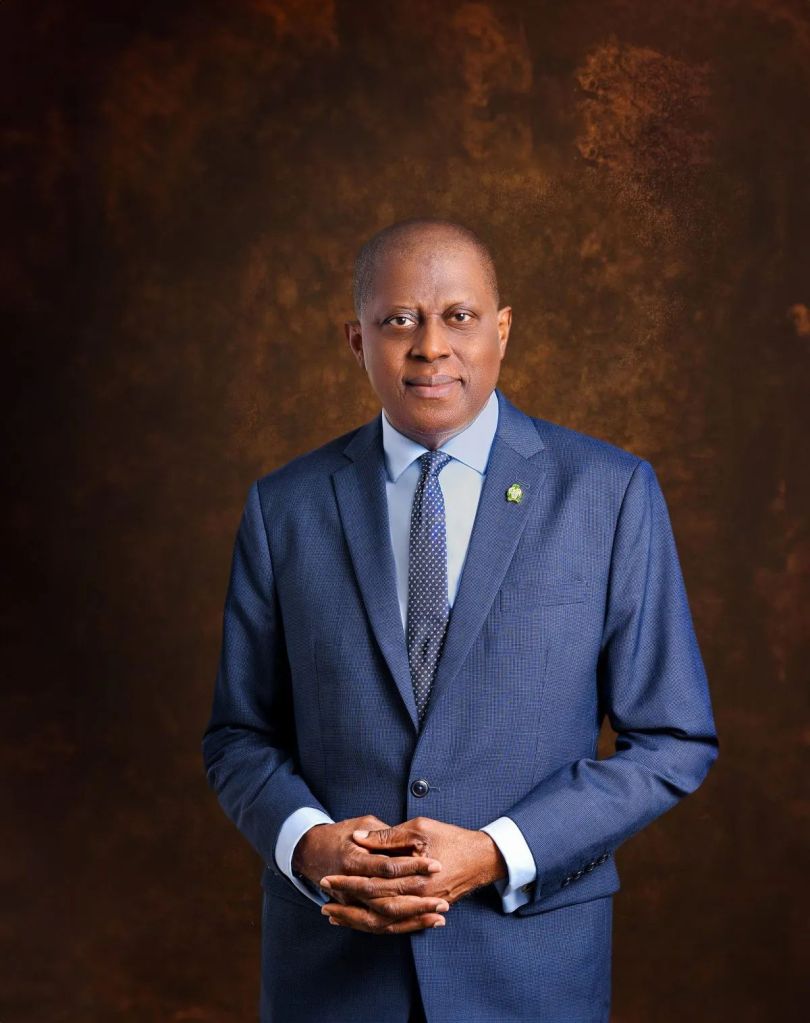
While the news of President Bola Tinubu ordering the resignation of Central Bank Governor Olayemi Cardoso may come as a surprise to some, for those who have watched the unfolding drama, this was a long time coming. Cardoso’s downfall is not just about his inability to stabilize the economy or revive the Naira—it’s a culmination of unfulfilled promises, rampant self-interest, and a stark disconnect from the plight of the average Nigerian.
From the moment Cardoso was appointed, there were high hopes. He had promised to rein in the freefall of the Naira and return it to a more stable rate between N700 and N900 to $1 by May 2024. This, however, proved to be nothing more than wishful thinking. In fact, under his leadership, the Naira has experienced an unprecedented crash, plummeting to as low as N1645/$1 by September 2024. This decline was not just an economic failure—it was a symbol of a deeper problem: greed and a lack of accountability within the very institution meant to stabilize Nigeria’s financial system.
Cardoso’s tenure also echoed many of the same affluent and wasteful practices that defined the disastrous reign of his predecessor, Godwin Emefiele. At a time when Nigeria’s economy is on its knees, Cardoso and his deputies were allegedly indulging in the same excesses that have come to characterize the leadership at the Central Bank. Reports of purchasing luxury SUVs worth over N10 billion, alongside extravagant weekly accommodation expenses of up to N44 million, show a complete disconnect from the suffering of ordinary Nigerians. In a country where people are struggling to afford basic necessities, the behavior of the CBN leadership under Cardoso borders on selfishness and irresponsibility.
Perhaps even more telling is the fact that the audited accounts of the CBN for 2023, which were ordered to be restated due to the glaring inconsistencies during Emefiele’s tenure, have not been addressed. Nine months later, these crucial documents are still gathering dust. This lack of action speaks volumes about the self-service mentality at play, where leaders are more concerned with lining their own pockets than ensuring transparency and accountability.
Even as Cardoso’s failure became evident, there was no coordinated effort from his camp or the so-called “Yoruba Elders” who had lobbied for his appointment to rally around a common goal of saving Nigeria’s economy. Instead, their only focus was on saving his job, begging and pressuring the President to keep him in office despite his obvious incapacity to deliver on his promises. This behavior reflects a broader problem in Nigeria’s leadership—the inability to unite for a common cause that benefits the people, rather than protecting personal interests.
And let’s not forget how Cardoso was swindled by the APC government into supporting its reelection bid, much like other appointees who have been discarded once they outlived their usefulness. In January, Cardoso had made bold promises to President Tinubu about reviving the Naira, but when it became clear that he couldn’t deliver, he was cast aside, much like the previous central bank officials who had been involved in the Emefiele-era scandals. The promise of change and reform was nothing but a mirage, and those who trusted in it have been left to deal with the fallout on their own.
Even now, President Tinubu’s decision to ask for Cardoso’s resignation is more a reflection of his own frustration and political survival than any genuine concern for the people. As Cardoso begged for his job, prostrating before the President with the support of powerful figures, Tinubu stood firm—not because of principle, but because of the mounting public pressure and ridicule his government has faced due to the economy’s continued downturn. Tinubu, aware of the political cost, likely felt it necessary to make an example out of Cardoso to deflect attention from his administration’s broader failures.
If there’s one thing we should take from this situation, it’s that Nigerians deserve better than the revolving door of leaders driven by self-interest and greed. The issues with the Central Bank go beyond just one man—they are systemic, and unless we confront them head-on, the cycle of mismanagement will continue, no matter who takes over next. Cardoso’s short-lived tenure may make the headlines, but the real tragedy is the ongoing economic hardship faced by everyday Nigerians, who continue to be let down by those entrusted with safeguarding their future.
As we watch the unfolding of this drama, let’s remember that the solutions to Nigeria’s economic woes won’t come from another quick appointment or reshuffling of officials. It will only come when we demand genuine accountability, transparency, and leaders who are united in serving the people rather than their own self-interest.
http://www.oblongmedia.net
#oblongmedia
 OBLONG MEDIA GLOBAL INTELLIGENCE
Leave a comment