
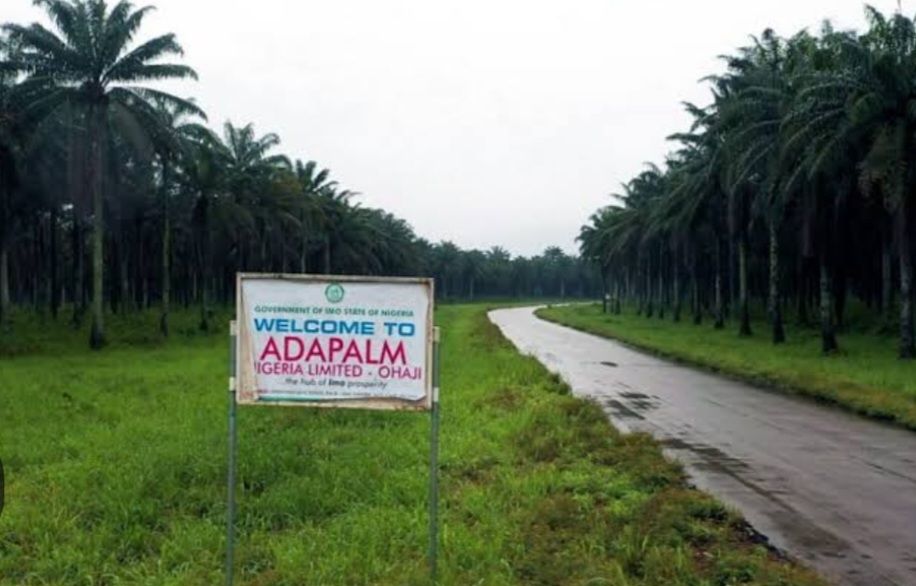
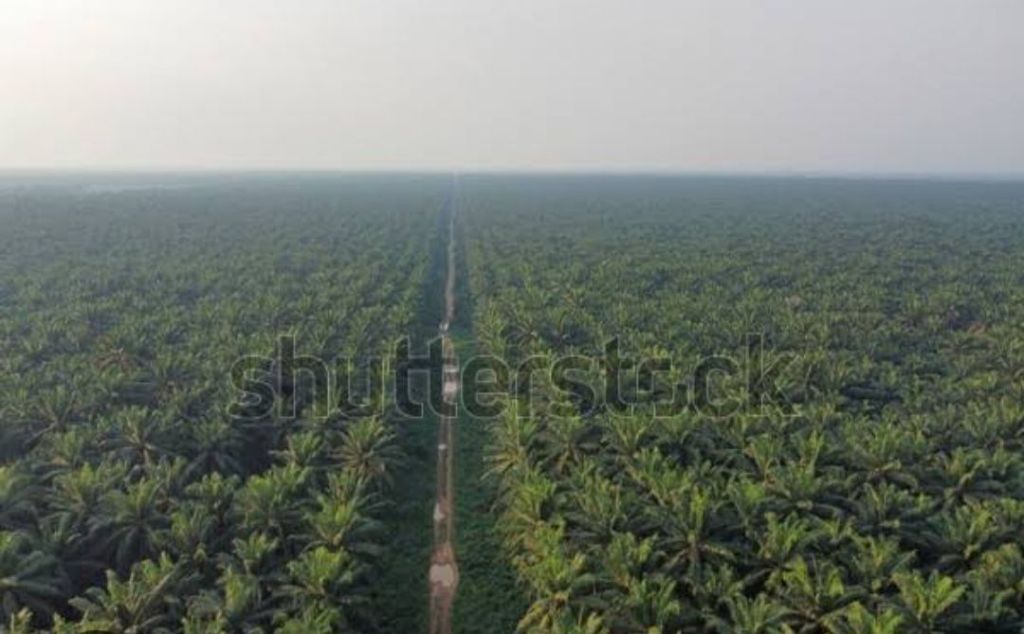
ADAPALM Ohaji, once hailed as one of Nigeria’s most promising agro-industrial ventures, traces its roots to 1953 when it was established as the Ohaji Palm Settlement under the Eastern Nigeria Regional Government led by Dr. Michael Okpara. The plantation, which sprawls over 4,000 hectares in Imo State, played a significant role in the region’s economic and agricultural development. By the 1970s, under Ukpabi Asika, the project expanded with more planting efforts, and by 1983, under Governor Sam Mbakwe, a state-of-the-art palm oil processing mill was built, marking the company’s first major phase of industrialization. During its peak in the 1980s, ADAPALM employed over 800 workers, processed thousands of tons of crude palm oil annually, and contributed significantly to Imo State’s revenue.
ADAPALM’s Role in Nigeria’s Palm Oil Industry
Palm oil, the most widely consumed vegetable oil globally, is a crucial commodity in Nigeria. It serves both as a cooking staple and a key ingredient in the pharmaceutical, cosmetics, and food industries. Nigeria was once a world leader in palm oil production, but by the late 20th century, it had lost its competitive edge to countries like Malaysia and Indonesia. ADAPALM, during its golden years, was a significant player in Nigeria’s domestic palm oil industry. However, successive governments failed to maintain the plantation, which resulted in Nigeria becoming a net importer of palm oil.
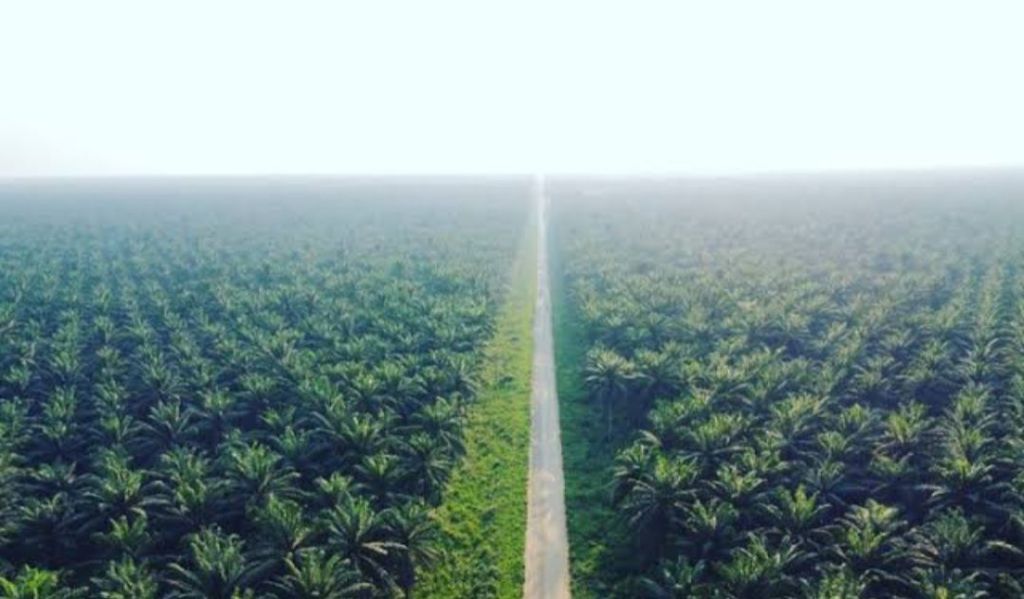
By 2019, Nigeria was importing about ₦90 billion worth of palm oil annually to bridge its domestic production deficit. Experts noted that ADAPALM, with proper management and investment, could fill much of this demand. The plantation was capable of producing 16,000 tons of palm oil per year, but its output declined drastically due to mismanagement, incompetence and neglect.
The Decline of ADAPALM: A History of Mismanagement
ADAPALM’s downfall began in 1987 when the management of the company was indigenized. This decision marked the beginning of a gradual decline in operational standards and output. Successive administrations did little to revive the plantation, despite numerous promises and attempts at privatization or concessioning. During Governor Rochas Okorocha’s tenure, the company was concessioned to a foreign firm, Roche Group, but the deal fell through, leaving the company in worse shape than before.
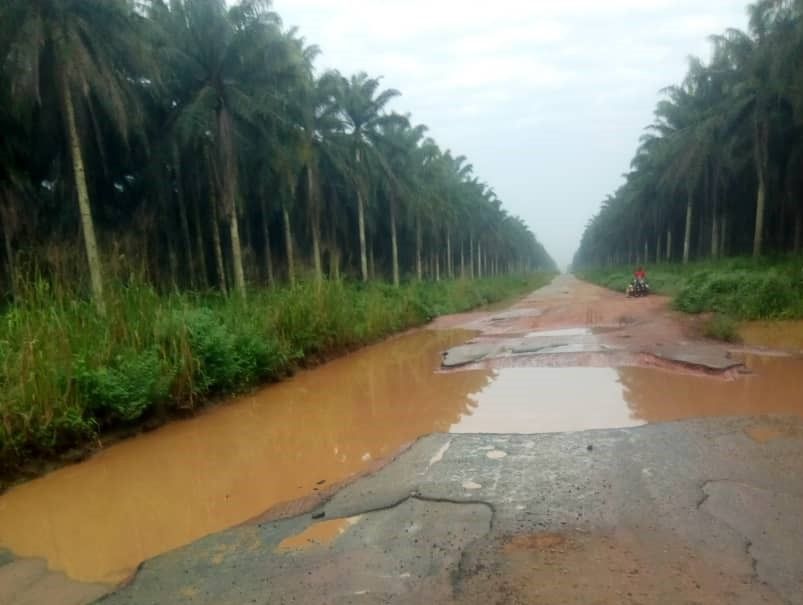
By the early 2000s, ADAPALM’s once-bustling production lines had been reduced to ruins, with most of the palm groves overgrown, the processing mill in disrepair, and the workforce either unpaid or laid off. Despite numerous reports highlighting the company’s potential, no significant action was taken to revive it. ADAPALM’s machinery, which had been cutting-edge in the 1980s, became outdated, and the roads leading to the plantation deteriorated, further complicating logistics.
Attempts at Revival: From Ihedioha to Uzodinma
In 2019, under the brief administration of Governor Emeka Ihedioha, ADAPALM saw renewed efforts toward revival. A visit by the Central Bank of Nigeria (CBN) sparked hope for funding through the Anchor Borrowers’ Programme, which aimed to boost palm oil production across Nigeria. However, Ihedioha’s tenure was short-lived, and his well laid out plans were left unfulfilled when he was ousted from office.
Governor Hope Uzodinma has since made strides in reviving ADAPALM. By 2020, production had resumed with approximately 120 tons of crude palm oil produced monthly. Uzodinma’s administration aimed to turn ADAPALM into a major economic player in Imo State, with a vision of creating approximately 35,000 jobs. His administration has initiated unfruitful discussions for funding from the CBN to modernize the processing facilities, replacing outdated machinery and improving production efficiency.

Management Challenges and Historical Leadership
ADAPALM’s management has changed hands several times, often reflecting the broader political climate in Imo State. Here’s a brief overview of the leadership over the decades:
1. Dr. Michael Okpara (1959-1966): As the Premier of the Eastern Region, Okpara laid the groundwork for the palm oil industry in the region.
2. Ukpabi Asika (1976-1979): He oversaw the initial expansion and development of the plantation, setting a foundation for future production.
3. Sam Mbakwe (1979-1983): His administration saw the establishment of the processing mill, which began operations in 1983. Mbakwe’s tenure is often regarded as the golden age of ADAPALM.
4. Subsequent Administrations (1987-Present): Following the indigenization of management, ADAPALM saw a series of poorly managed leadership transitions, leading to a significant decline in productivity and operations. During this period, political instability and mismanagement plagued the estate.
The current acting management under Goddy Esom Obodo has emphasized the need for strategic partnerships and investment to restore the estate’s capacity.

Economic Impact and Future Prospects
ADAPALM, when functioning at full capacity, could potentially generate up to ₦15 billion annually, significantly enhancing Imo State’s internally generated revenue. This revenue could rival what the state receives from federal allocations. The potential for ADAPALM to contribute to local economies is underscored by the fact that palm oil is one of the most consumed vegetable oils globally. Nigeria’s current palm oil demand is projected to reach staggering figures, making the revival of ADAPALM crucial not only for Imo State but for national agricultural sustainability.
The economic benefits of a revived ADAPALM extend beyond direct employment; it could foster the development of ancillary industries, from food processing to biofuel production. The value chain created by revitalizing the palm oil industry created by ADAPALM could be immense. Besides palm oil, the estate has the potential to produce other by-products, such as margarine, palm kernel oil, and palm kernel cake, which can be used in the animal feed industry. A functional ADAPALM could spur the creation of small and medium enterprises (SMEs) that would depend on its production, generating employment across multiple sectors.
The international palm oil market remains highly lucrative. Nigeria, once a global leader in palm oil production, now lags behind countries like Malaysia and Indonesia, primarily because of underutilization of its resources like ADAPALM. If properly managed, ADAPALM could help Nigeria regain some of its market share, reduce its import dependency, and become a major exporter of palm oil once again.

Strategic Steps for Revitalization
For ADAPALM to return to its former glory and contribute meaningfully to both the state and national economies, several strategic actions need to be implemented:
1. Modernization of Equipment:
The processing mill, which was state-of-the-art in the 1980s, is now obsolete. Investment in modern milling technology is crucial. This includes upgrading the stripper, digester, and press machines, which have become unreliable due to age.
2. Infrastructure Development:
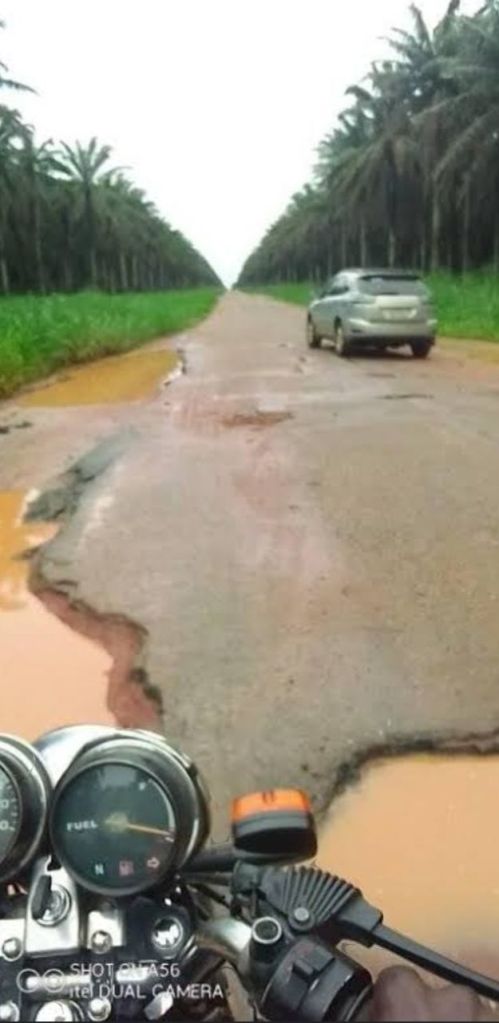
The roads leading to the plantation and the processing facilities are in poor condition, which hampers transportation of goods and affects operational efficiency. Significant infrastructure upgrades are required to improve accessibility and logistics.
3. Privatization and Public-Private Partnerships (PPP):
As Nigeria seeks to diversify its economy away from crude oil, agricultural sectors like palm oil production are becoming increasingly important. ADAPALM, with its rich history and strategic importance, could lead the charge in Nigeria’s agricultural renaissance.
Experts argue that a long-term solution may lie in the privatization of ADAPALM. Allowing private investors to take control under transparent PPP arrangements could introduce modern management practices, technological upgrades, and capital injections. The government could retain a stake while benefiting from private sector expertise and efficiency.

4. Resolving Labor Issues:
The company’s unpaid salary arrears, which amount to over 50 months in some cases, must be addressed. Creating a harmonious industrial relationship will be key to ensuring that the workforce remains productive and motivated.
5. Leveraging Government and Financial Support:
Governor Hope Uzodinma’s administration has made unfriutful efforts to secure financial support from the Central Bank of Nigeria through the Anchor Borrowers’ Programme, but this must be sustained. The Imo State government should continue to lobby for federal grants, subsidies, and low-interest loans to rehabilitate the plantation.
Conclusion: The Road to Recovery
The story of ADAPALM is one of missed opportunities, but also of untapped potential. What was once a symbol of Imo State’s industrial and agricultural prowess has deteriorated into a neglected asset. Rumors persist that Governor Uzodinma may have acquired the company through a proxy, though there is no concrete evidence to substantiate these claims. However, the focus remains on restoring the company to its former glory, resolving outstanding salary issues, and upgrading its outdated infrastructure. This is also why we need to work on updating the quality of governance in Imo state come 2027. Our preference should be for technocrats who understand administration, commerce industry and politics all in one and not just core so called chartered politicians.
However, the renewed interest in reviving ADAPALM offers hope. With the right mix of public and private investment, infrastructure development, and sound management, ADAPALM could not only restore its past glory but also become a major economic engine for the state and the nation.
As Nigeria seeks to diversify its economy away from crude oil, agricultural sectors like palm oil production are becoming increasingly important. ADAPALM, with its rich history and strategic importance, could lead the charge in Nigeria’s agricultural renaissance. The time to act is now—before the legacy of ADAPALM is lost forever.
By Duruebube Hon. Chimazuru Nnadi-Oforgu
Ndukaku III of Ihiagwa
#oblongmedia
 OBLONG MEDIA GLOBAL INTELLIGENCE
Leave a comment