
For the Perusal and Subsequent Actioning by the South East Caucus of the National Assembly and all south east state assemblies.
Sponsored by:
Duruebube Hon. Chimazuru Nnadi-Oforgu
A Bill for an Act to Provide for the Demilitarization of the South East of Nigeria, the Dismantling of Extortionist Checkpoints, and the Reformation of Security Practices to Address the Escalating Insecurity in the Region
Preamble:
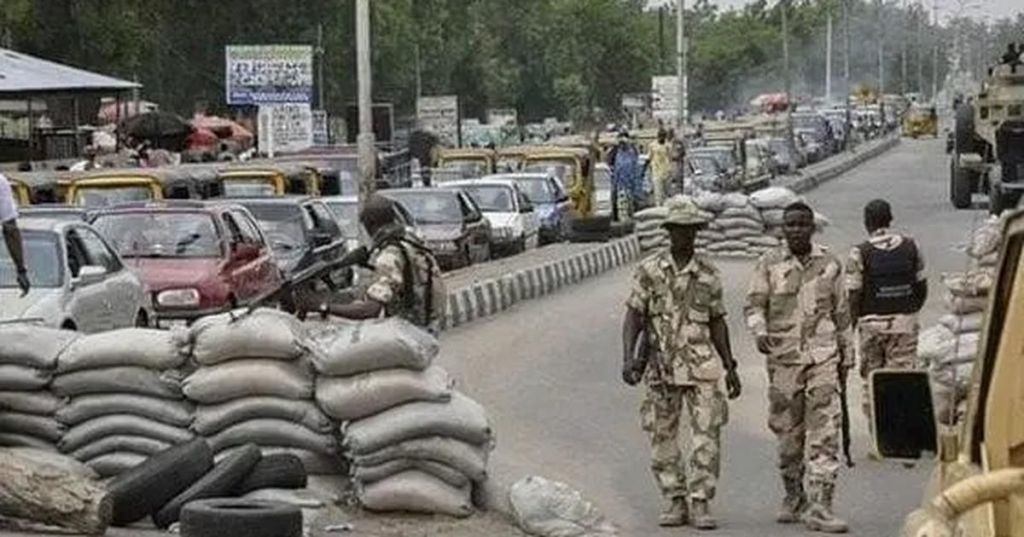
The South East region of Nigeria has been disproportionately militarized over the past decade, particularly following Operation Python Dance I, II, and III, which were ostensibly aimed at curbing insurgency and criminal activities. However, evidence suggests that instead of improving security, these operations have contributed to an escalation in violence, increased militarization of civilian areas, and widespread extortion by security agencies.
The International Crisis Group reports that more than 200 military checkpoints were established in the South East region between 2016 and 2020, making the region one of the most militarized in Nigeria. Citizens often encounter a checkpoint every 1- 5 kilometers, particularly on major highways, leading to delays, harassment, and extortion. In 2023, an independent investigation by a coalition of civil society organizations revealed that these checkpoints have become centers for extortion, with travelers paying an estimated ₦100 billion annually in illegal fees to security personnel stationed at these checkpoints.
Meanwhile, despite the heavy presence of security forces, criminal activities, including kidnappings and armed robberies, have skyrocketed. According to data from SBM Intelligence, kidnappings in the South East increased by 38% between 2021 and 2023. In the first quarter of 2024 alone, over 120 kidnapping incidents were reported in the region, with ransoms paid totaling ₦1.8 billion, yet no significant arrests of the perpetrators have been made.
Furthermore, reports from the National Bureau of Statistics (NBS) and Human Rights Watch indicate that in areas with high checkpoint concentration, there has been an increase in the use of excessive force by security personnel and a rise in human rights violations, particularly against young men who are often profiled as criminals based on their ethnicity or appearance.
This Bill is designed to address the root causes of insecurity in the South East, which is exacerbated by the militarization of civilian areas and the complicity of security personnel in criminal activities. It seeks to demilitarize the region, dismantle extortionist checkpoints, and replace them with a more accountable and community-driven security framework.
Objectives of the Bill:
- Demilitarize the South East: Reduce the number of military and paramilitary checkpoints, which have become a source of extortion and an obstacle to peaceful civilian life.
- Dismantle extortionist checkpoints: Eliminate checkpoints that have failed to address security challenges but instead have been used as tools for corrupt practices.
- Establish a community-driven security framework: Involve local communities, traditional leaders, and civil society in maintaining security in collaboration with reformed and accountable security agencies.
- Hold security personnel accountable: Ensure that any security personnel found complicit in criminal activities, including kidnappings and extortion, face swift and severe penalties.
- Reform security practices: Shift from militarized checkpoints to intelligence-driven security operations that respect human rights and prioritize community engagement.
Provisions of the Bill:
Section 1: Demilitarization and Dismantling of Checkpoints
(1) All military and paramilitary checkpoints in the South East shall be dismantled within six months of the enactment of this Bill.
(2) Checkpoints that remain operational must be for legitimate security purposes, based on intelligence reports and must be monitored by a civilian oversight commission to prevent abuse and extortion.
(3) The Inspector General of Police, Chief of Army Staff, Comptroller General of Customs, and Commandant General of NSCDC shall be responsible for the implementation of this provision and must report progress to the National Assembly quarterly.
Section 2: Establishment of a South East Regional Security Framework
(1) A South East Regional Security Network shall be established, comprising local vigilantes, traditional rulers, and trained security personnel to focus on community-based crime prevention and peacebuilding efforts.
(2) A civilian oversight body, the South East Security Oversight Commission (SESOC), will monitor the activities of security agencies in the region and ensure that they adhere to human rights standards. SESOC will have the authority to investigate complaints from citizens and hold security personnel accountable for misconduct.
(3) SESOC will consist of representatives from civil society, the judiciary, traditional rulers, youth leaders, and women’s groups, ensuring broad-based participation and transparency.
Section 3: Accountability for Security Personnel
(1) Any security personnel found to be involved in extortion, aiding or abetting criminal activities, or violating their duty shall be immediately investigated by the EFCC, NFIU, and other relevant authorities, with strict penalties for offenders, including dismissal and prosecution.
(2) A task force shall be established to investigate allegations of security complicity in kidnappings, armed robberies, and other criminal activities in the South East.
(3) The EFCC and NFIU shall also monitor ransom payments and suspicious financial transactions to ensure that funds used in criminal activities are traced and seized, preventing money laundering through the banking system.
Section 4: Community-Driven Security Solutions
(1) Traditional rulers, town unions, and religious leaders will collaborate with the South East Regional Security Network to create a security framework based on community engagement, intelligence sharing, and trust-building.
(2) The government shall invest in social programs aimed at addressing the root causes of crime, including youth unemployment. According to the NBS, the unemployment rate in the South East is currently 33%, one of the highest in the country, contributing to the rise in criminal activities. By creating job opportunities and vocational training, the government can reduce the economic incentives that drive youth into crime.
(3) Deradicalization programs shall be introduced for youths affected by the military operations, especially those traumatized by the Python Dance exercises, which left many young men marginalized and vulnerable to criminal influences.
Section 5: Regulation of Military Presence in Civil Matters
(1) The deployment of military forces for civil policing in the South East shall be restricted and only permitted in exceptional circumstances, with approval from the National Security Council and the State Governors.
(2) Any future military operations in the region must have clear objectives, timelines, and an exit strategy, with regular oversight and reporting to the National Assembly to prevent the overreach of military powers into civilian life.
Section 6: Rehabilitation of Communities Affected by Military Operations
(1) The Federal Government shall establish a comprehensive rehabilitation program for communities affected by military operations, focusing on psychological support, economic recovery, and reintegration of disaffected youths into society.
(2) According to research from Amnesty International, communities affected by military operations in the South East have seen a 45% increase in mental health issues, including trauma and PTSD, particularly among young men. This rehabilitation program will include psychological counseling, job creation, and educational scholarships for families affected by military actions to help rebuild and stabilize the region.
Conclusion:
This Bill addresses the urgent need to end the militarization of the South East region and dismantle the extortionist checkpoints that have contributed to rising insecurity. By replacing these practices with community-driven security frameworks and holding security personnel accountable for their actions, this Bill seeks to restore peace and foster long-term stability in the South East. The passage of this Bill will signal a commitment to justice, development, and respect for the rights of the people of the South East.
Effective Date:
This Act shall come into effect immediately upon its passage by the National Assembly and assent by the President of the Federal Republic of Nigeria.
Signed:
Duruebube Hon. Chimazuru Nnadi-Oforgu
Date: 20/10/2024
 OBLONG MEDIA GLOBAL INTELLIGENCE
Leave a comment