
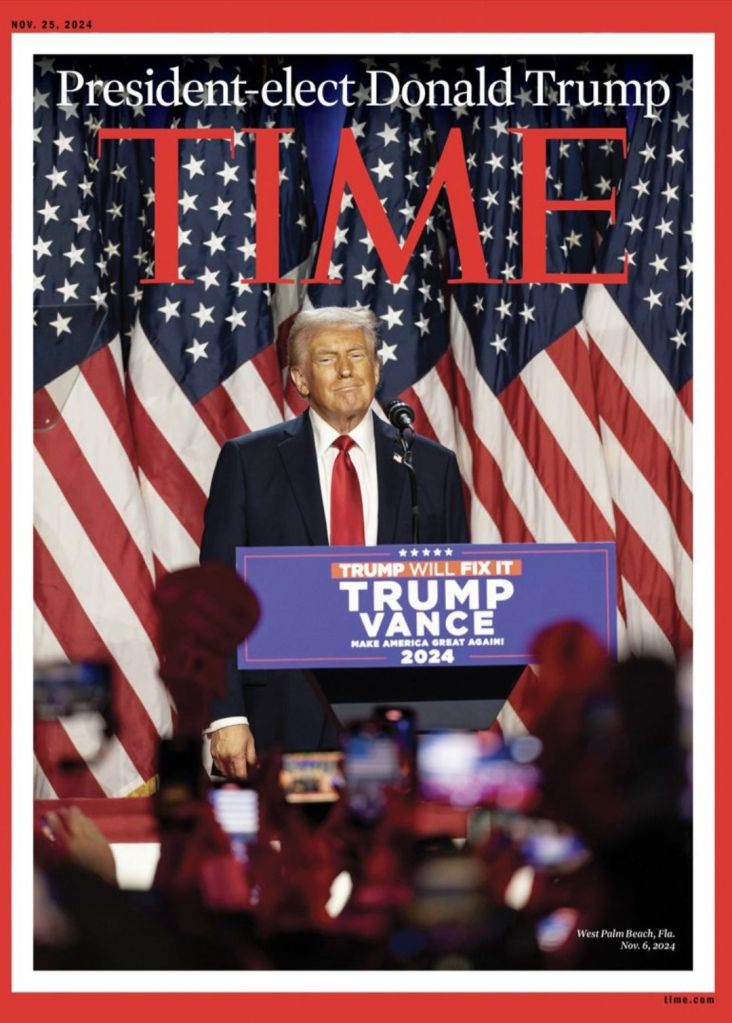
If Donald Trump intends to make a lasting impact in a potential second term, he must prepare for the systematic resistance that entrenched elements within the government—often labeled the “deep state”—could unleash against him. In his first term, Trump’s reliance on Washington insiders who did not share his vision weakened his administration’s effectiveness and allowed opposition to thrive from within. This time, he must build a team rooted in loyalty and competence, assembling allies who understand what’s at stake and refuse to be swayed by establishment pressures. With the right strategy, Trump can finally sidestep the obstacles that impeded his agenda and pursue reform with unprecedented decisiveness.
Embedded bureaucratic forces will likely attempt to obstruct Trump through various avenues. Agency officials could wield the slow, intricate machinery of the bureaucracy to stall his policies. They may selectively enforce certain laws while ignoring others that align with Trump’s agenda, creating administrative gridlock and a sense of chaos. This bureaucratic resistance would be amplified by media narratives aimed at painting his administration as erratic or incompetent. By focusing on controversies while ignoring successes, media outlets would aim to cast his every move in a negative light, fueling public skepticism and undermining support.
Targeted investigations and legal challenges might further complicate Trump’s efforts, with agencies like the DOJ or IRS entangling his allies in drawn-out probes that drain resources and energy. Simultaneously, lawsuits from opposition groups and state-level attorneys could tie up Trump’s initiatives in court battles, forcing his administration into defensive postures and stalling progress on his reform goals.
On the foreign policy front, Trump should be wary of deliberate sabotage from within. Intelligence and diplomatic officials could resist his initiatives, leaking sensitive information to create international incidents or sow distrust among global allies. Heightened threat narratives around countries like Russia, China, or Iran could also box Trump into a corner, pressuring him to adopt more aggressive stances that contradict his vision of reducing U.S. involvement in costly conflicts.
In this effort, the military-industrial complex and intelligence agencies could work hand-in-glove to nudge Trump toward war. They might distort intelligence reports, exaggerating threats and presenting biased assessments that depict adversarial nations as imminent dangers. By leaking these reports to trusted journalists, they could stoke fear and create a public sense of urgency, pushing Trump toward a defensive or even preemptive military stance.
A more extreme possibility could involve staging a false flag event—a manufactured incident designed to appear as an attack on American interests, orchestrated to justify military intervention. Intelligence operatives could simulate an attack on U.S. assets or allies, using fabricated evidence to “confirm” that an adversary was responsible. Media outlets would spread the narrative, using staged images and expert commentary to reinforce the “threat” to American security. This manipulation of both intelligence and public opinion could effectively trap Trump in a cycle of escalating conflict, entrenching U.S. resources in yet another war that benefits only defense contractors and power elites.
To resist this, Trump would need to establish a parallel information network—one that does not rely solely on traditional intelligence sources and can provide unbiased, real-time data. By creating an in-house team dedicated to independent research, Trump would have access to a broader range of analysis, enabling him to make informed decisions that counter mainstream agendas. This network could play a critical role in helping him avoid the traps laid by vested interests, allowing him to respond strategically rather than reactively.
Building stronger grassroots connections would be another crucial component of Trump’s strategy. By hosting town halls, expanding his reach through digital platforms, and opening feedback channels, he could bypass conventional media narratives and communicate directly with the American people. Informed public support would create a powerful buffer against establishment opposition; with the people behind him, even the most resistant parts of government would find it harder to obstruct his agenda.
Economic reform must also play a foundational role in Trump’s strategy. By re-establishing the U.S. as a manufacturing powerhouse and prioritizing energy independence, he could shield the nation from external pressures that make it vulnerable to global power plays. Removing bureaucratic barriers to domestic production would strengthen the economy, reduce dependence on foreign supply chains, and give American workers the stability they deserve. This economic resilience would be particularly important as the U.S. faces intensifying competition from nations like China.
As part of his broader foreign policy, Trump should shift from an adversarial approach to one that emphasizes economic diplomacy and stability. Engaging pragmatically with global powers like Russia and China, rather than pushing toward endless confrontation, would save American resources and counter the endless war-driven agenda of the military-industrial complex. By leading through respect and collaboration, Trump could build coalitions that promote peace and stability, creating a multipolar world where America’s influence is based on partnership rather than coercion.
Reforming institutions such as the DOJ, CIA, and Department of Defense is essential to Trump’s ability to lead without interference. He should appoint leaders committed to transparency, accountability, and a shift away from politicized practices. These reformist leaders would help dismantle the entrenched biases that have traditionally aligned with establishment interests, creating agencies that genuinely serve the public rather than hidden agendas.
In his approach to foreign partnerships, Trump could also redefine the U.S. relationship with Africa by positioning himself as a true ally to the continent. Engaging with Nigeria, for instance, as a strategic partner rather than a subordinate power would open avenues for mutual growth. Supporting Nigerian infrastructure, energy independence, and technology sectors would empower its self-sufficiency, building a partnership rooted in respect rather than dependency. This approach would also counter growing Chinese influence in the region, creating alliances based on shared interests instead of top-down Western agendas. Across Africa, a Trump approach that respects sovereignty and promotes self-reliance could foster economic development and goodwill, positioning the U.S. as a true partner in Africa’s growth.
To ensure the success of his second term, Trump would need to establish firm control over his messaging. By working through independent media and direct channels, he could bypass traditional outlets that often distort his views and intentions. Direct communication with the public would reinforce his narrative, enabling him to build support without interference from media that misrepresent his positions.
If Trump can align his administration’s actions with a transparent, action-oriented approach, he stands a chance of finally overcoming the forces that hindered his first term. By acting decisively, assembling a loyal and competent team, and fostering a parallel information network, he could break free from the bureaucratic inertia that holds back true reform. His second term would be the opportunity to achieve the vision he set out with in 2016—an America that prioritizes its people over establishment interests, champions peace over perpetual conflict, and builds alliances rooted in respect and mutual benefit.
Duruebube Hon. Chima Nnadi-Oforgu
http://www.oblongmedia.net
chimazuru65@gmail.com
 OBLONG MEDIA GLOBAL INTELLIGENCE
Leave a comment