
Our society survives on a foundation of hidden truths, buried far from our collective consciousness. This country—like much of the world—operates on compartmentalization and deliberate avoidance, masking injustices and contradictions with propaganda, censorship, and indifference.
Every day, Nigerians are inundated with narratives designed to distract us from the root causes of our struggles. The media, often captured by political and corporate interests, amplifies trivial controversies while ignoring systemic failures. Propaganda and algorithmic manipulation shape our thoughts, ensuring we look anywhere but at the reality of a broken system that serves the few at the expense of the many.
Inconvenient truths are hidden not just from our minds but from our physical sight. The illusion of progress is sustained only by pushing the consequences out of sight, whether it’s the pollution of the Niger Delta or the criminal militarisation of the south east
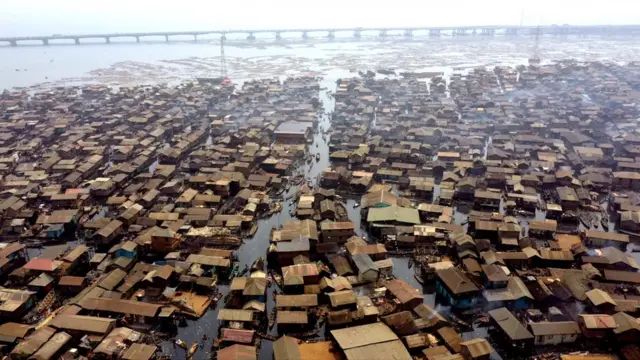
This same pattern of avoidance extends to how we treat the poor and vulnerable. In Nigerian cities, the homeless and destitute are pushed to the slums, often targeted by aggressive “sanitation” policies that prioritize aesthetics over human dignity. Rather than investing in affordable housing, social safety nets, or job creation, the state expends resources on removing the visible reminders of poverty. The root causes—unemployment, corruption, and a lack of infrastructure—remain unaddressed, leaving millions trapped in cycles of suffering.
The hypocrisy runs even deeper when we examine our economic policies. While we celebrate our independence from colonial powers, the reality is that Nigeria remains tethered to a neo-colonial system of exploitation. Our labor and resources are extracted at unfair rates by foreign corporations, leaving communities impoverished while elites benefit from the crumbs of these transactions. We may denounce the slavery of the past, but modern-day economic servitude persists, with our people toiling under harsh conditions to produce wealth that benefits outsiders and a select few within.
The disparity in how violence is wielded is another glaring truth we refuse to confront. In urban areas, Nigerians fear harassment or brutality from police and security forces, who often extort citizens rather than protect them. But the violence inflicted upon rural communities is even more harrowing, from unchecked banditry to the militarization of the south east. Lives are lost, villages are razed, and entire communities are displaced, yet these tragedies remain distant for those in power who profit from chaos and insecurity.
We live in a country where suffering is normalized and denial is a coping mechanism. Politicians erect shiny new projects for photo-ops, while hospitals lack basic supplies, schools crumble, and roads remain death traps. The rich flaunt their wealth in gated estates and luxury SUVs, oblivious to the daily struggles of those outside their walls. Like a mansion built on the backs of starving children, our society is propped up by systemic injustice that we refuse to see.
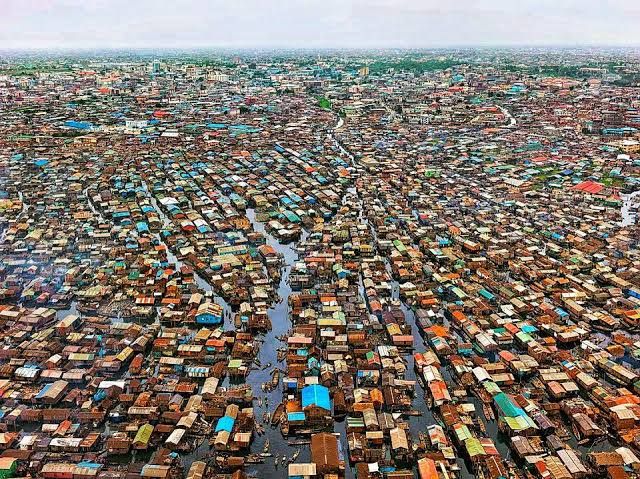
This isn’t unique to Nigeria; it’s a story as old as power itself. Throughout history, the privileged have insulated themselves from the suffering they create. Palaces of emperors, governors, and chiefs were built in grandeur amidst poverty. Today, the wealth of oil barons, politicians, and business moguls is no different—fortified in exclusive estates while millions scavenge to survive.
Yet, the truth cannot remain hidden forever. A reckoning is inevitable. Our society can only ignore the cries of the poor, the poisoned environment, and the failures of governance for so long before these issues demand attention. We must confront the rot within, face the inconvenient truths of our system, and dismantle the structures of exploitation that hold us back. Until then, we remain a nation in denial, teetering on a foundation of deceit, destined to crumble under the weight of its contradictions.
By Hon. Chimazuru Nnadi-Oforgu
 OBLONG MEDIA GLOBAL INTELLIGENCE
Leave a comment