
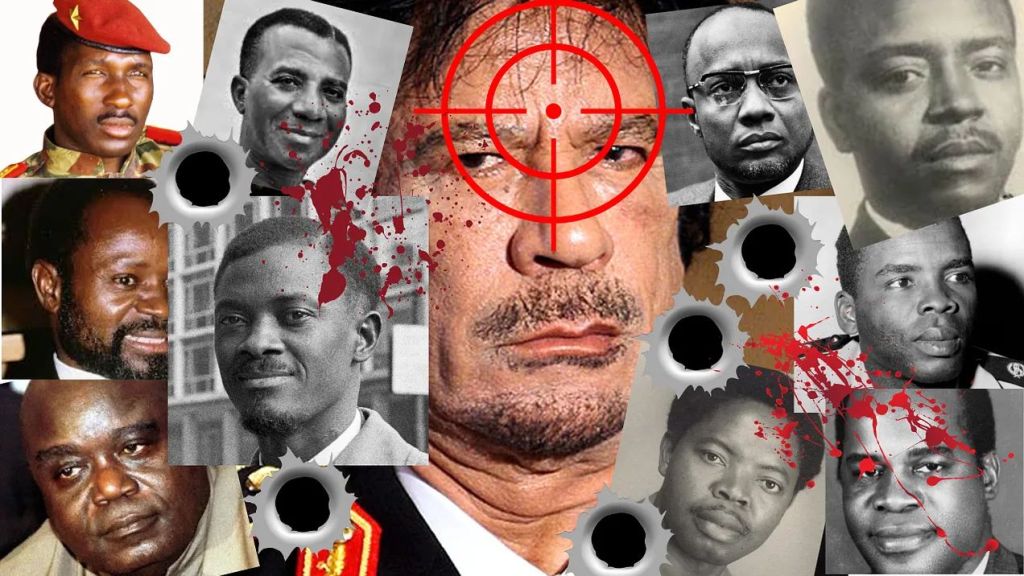
Africa’s post-colonial history is a mosaic of hope, resilience, and tragedy. It is a history where visionary leaders rose with bold dreams of sovereignty, unity, and self-reliance, only to be cut down by forces determined to keep the continent shackled in neo-colonial exploitation.
Their assassinations were not random acts of violence—they were meticulously planned strategies by foreign powers, often executed with the complicity of local collaborators. These leaders represented an existential threat to the entrenched systems of exploitation and control that have robbed Africa of its resources and potential for decades.
This article is both a tribute to their sacrifices and a call to action for Africans to reclaim their legacy. Let us dive into the lives, visions, and untimely deaths of Africa’s most impactful leaders—and understand the enduring consequences of their loss.
Muammar Gaddafi (Libya)
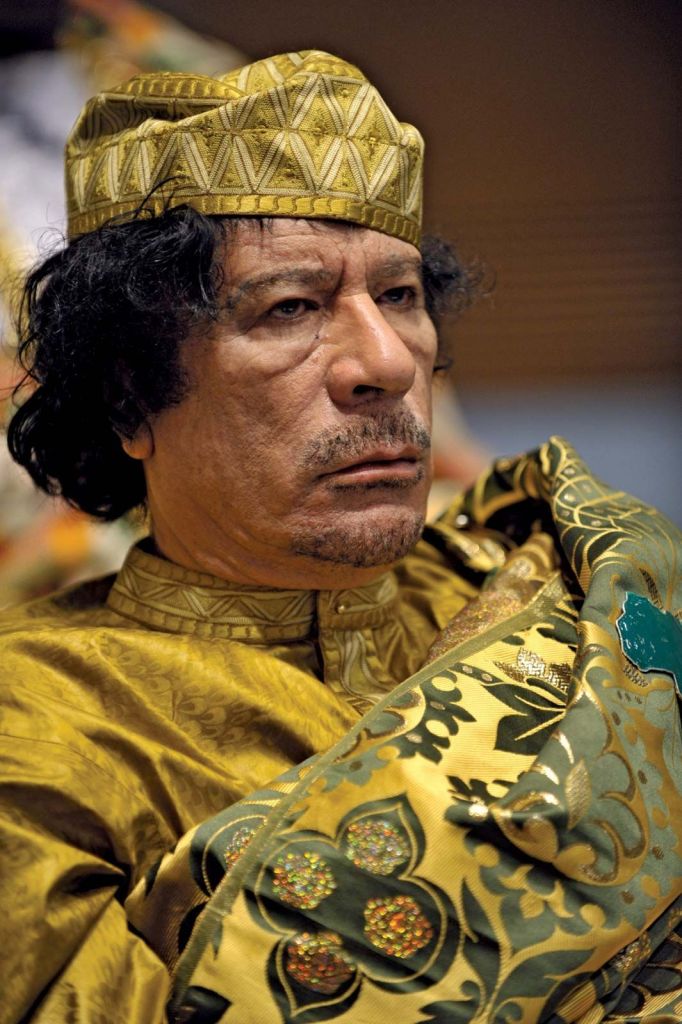
Vision: A United States of Africa with a gold-backed currency.
Assassinated: October 20, 2011
Under Gaddafi, Libya transformed into one of Africa’s most developed nations, offering free education, healthcare, and one of the highest living standards on the continent. However, Gaddafi’s vision extended far beyond Libya. He dreamed of a United States of Africa with a gold-backed currency to liberate African economies from the stranglehold of Western financial systems.
This bold move was perceived as a direct threat to the global financial order dominated by the U.S. dollar and the Euro. NATO forces, under the guise of supporting a rebellion, toppled Gaddafi’s government in 2011. His brutal assassination left Libya in chaos, fractured by tribal conflicts and human trafficking.
Gaddafi’s dream of African unity died with him, replaced by a fractured continent still grappling with external exploitation.
Thomas Sankara (Burkina Faso)
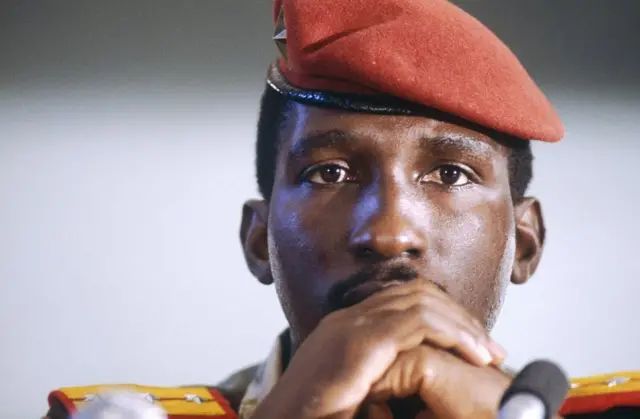
Vision: African self-reliance, anti-imperialism, and social justice.
Assassinated: October 15, 1987
Known as the “Che Guevara of Africa,” Thomas Sankara led Burkina Faso through a revolutionary transformation. In just four years, he nationalized resources, promoted gender equality, and declared war on foreign dependency, famously stating, “He who feeds you controls you.”
His bold policies alienated neo-colonial powers, particularly France. Sankara was betrayed and assassinated by his closest ally, Blaise Compaoré, in a coup widely believed to have been orchestrated with French support. Burkina Faso’s struggles with poverty and political instability are a testament to the vacuum Sankara’s assassination left behind.
Patrice Lumumba (Congo)
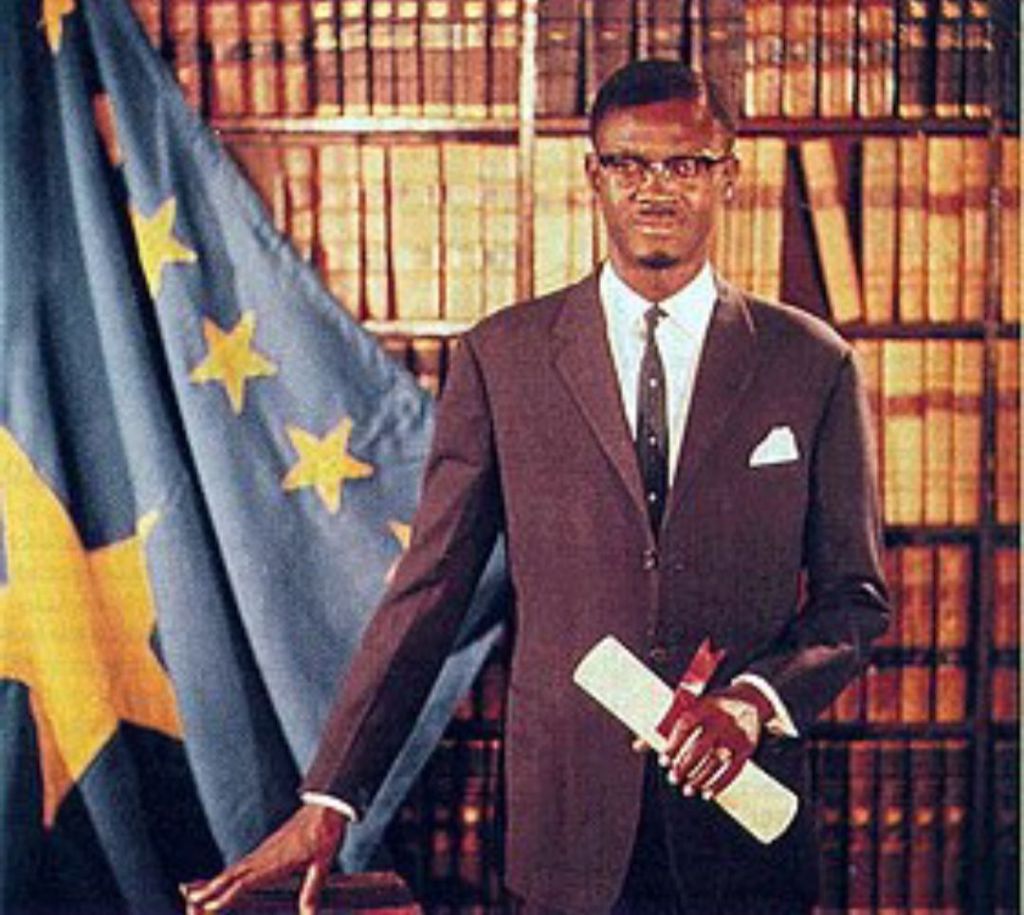
Vision: National sovereignty and control of Congo’s resources.
Assassinated: January 17, 1961
Patrice Lumumba, Congo’s first democratically elected prime minister, sought to reclaim his country’s vast mineral wealth from foreign corporations. His alignment with the Soviet Union during the Cold War made him a target for Western powers.
Lumumba was captured, tortured, and executed by a coalition of the CIA, Belgian operatives, and local collaborators. His body was dissolved in acid, erasing all physical traces but leaving an indelible mark on Congo’s history. His assassination plunged the country into decades of dictatorship and exploitation, with foreign powers continuing to reap the benefits of its resources.
Eduardo Mondlane (Mozambique)
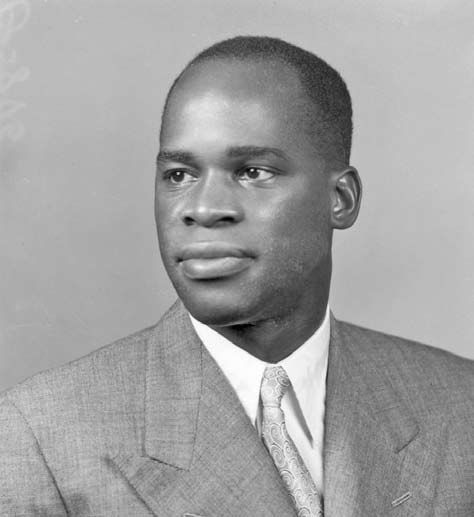
Vision: Independence through grassroots mobilization and education.
Assassinated: February 3, 1969
As the founder of FRELIMO, Eduardo Mondlane led the fight for Mozambique’s independence from Portuguese colonial rule. Mondlane believed education was key to liberation and worked tirelessly to unite Mozambique’s diverse population.
Mondlane was assassinated by a parcel bomb sent by Portuguese agents in 1969. Although Mozambique achieved independence in 1975, his assassination weakened the movement, and the country was plunged into a civil war fueled by external interference.
Laurent-Désiré Kabila (Congo)
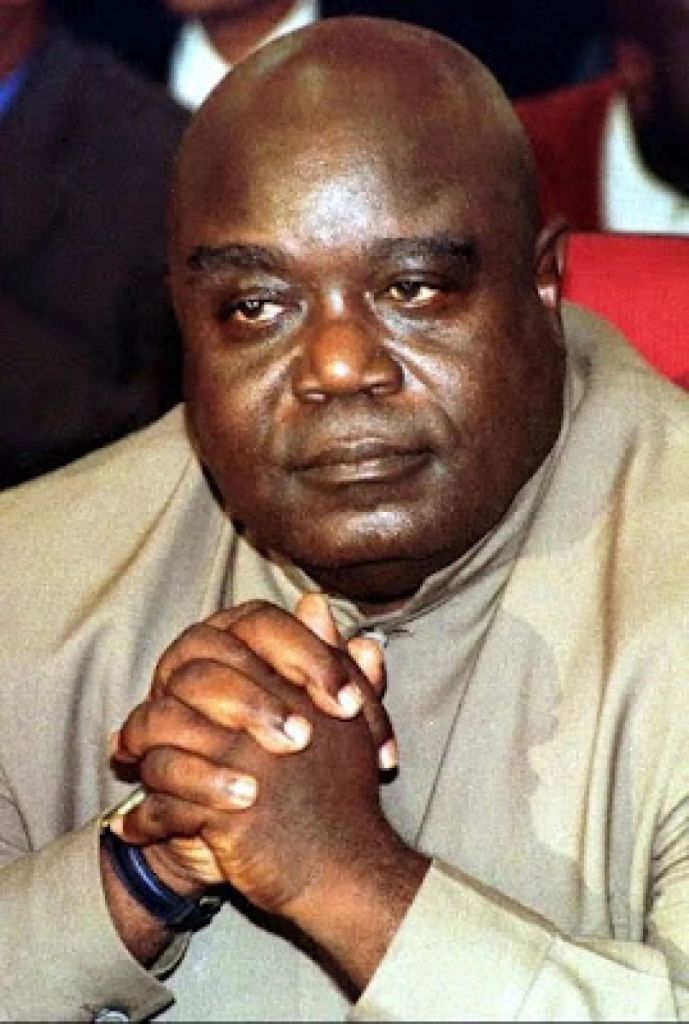
Vision: National sovereignty and liberation from dictatorship.
Assassinated: January 16, 2001
Laurent-Désiré Kabila, the revolutionary who overthrew Mobutu Sese Seko, sought to reclaim Congo’s vast mineral wealth and restore sovereignty. His assassination in 2001, allegedly involving foreign intelligence services, marked the continuation of Congo’s resource-driven conflicts.
Kabila’s death plunged Congo into further instability, perpetuating cycles of violence and exploitation that persist to this day.
William Tolbert (Liberia)
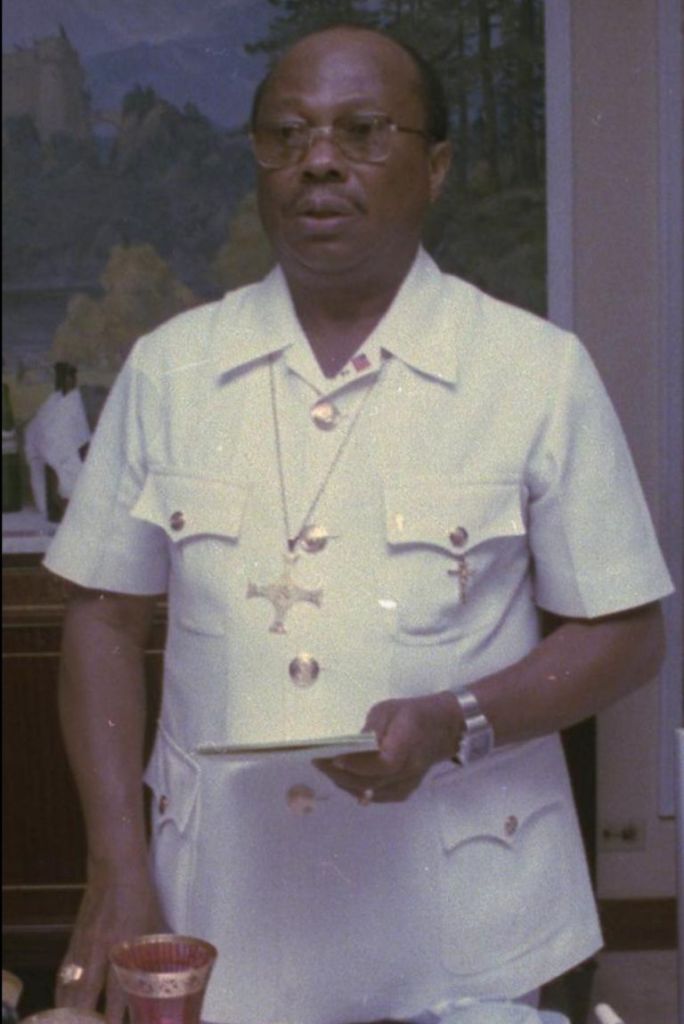
Vision: Economic independence and regional cooperation.
Assassinated: April 12, 1980
William Tolbert aimed to diversify Liberia’s economy and reduce its dependence on foreign powers, particularly the United States. He also championed regional integration through ECOWAS.
His assassination during a coup led by Samuel Doe in 1980 derailed Liberia’s development, leading to decades of political turmoil and civil war.
Pierre Mulele (Congo)
Their struggle is not over—it is ours to continue. Let us honor their legacy by building the Africa they envisioned.
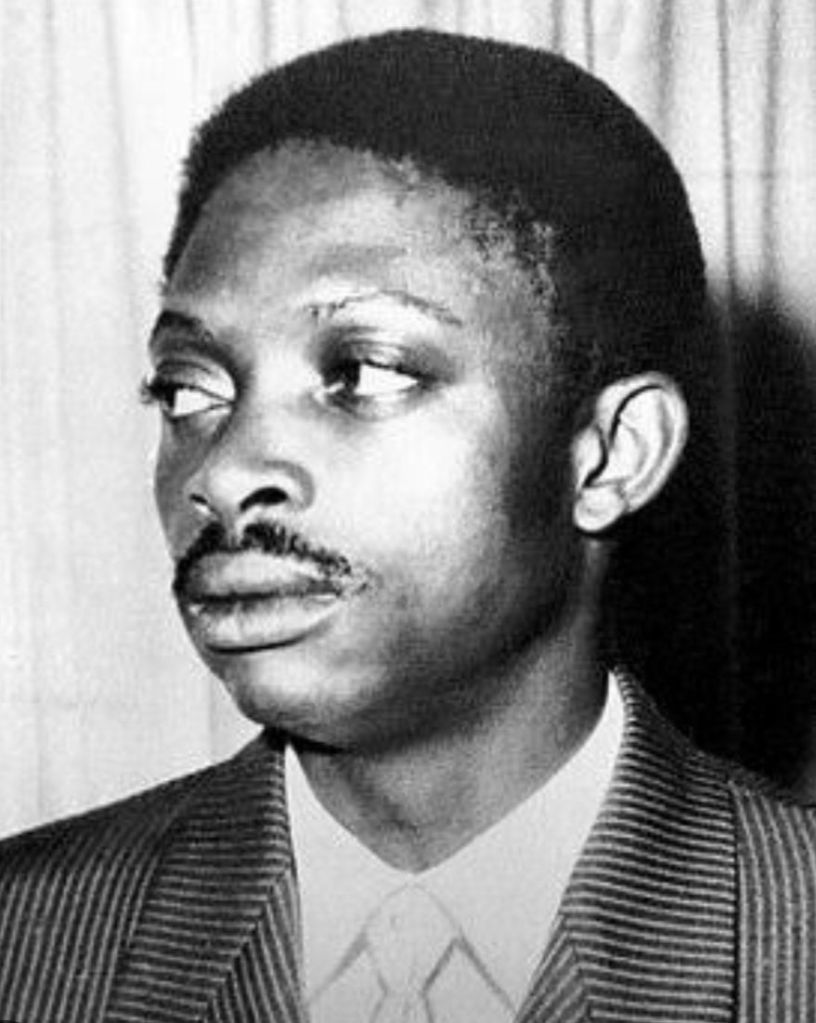
Vision: Anti-imperialism and socialist revolution.
Assassinated: October 3, 1968
Pierre Mulele, inspired by Marxist principles, sought to establish a socialist Congo after the death of Patrice Lumumba. Betrayed under false promises of amnesty, Mulele was brutally tortured and executed by Mobutu Sese Seko’s regime. His death symbolized the suppression of progressive ideologies in Congo.
Samuel Doe (Liberia)
By Hon. Chimazuru Nnadi-Oforgu
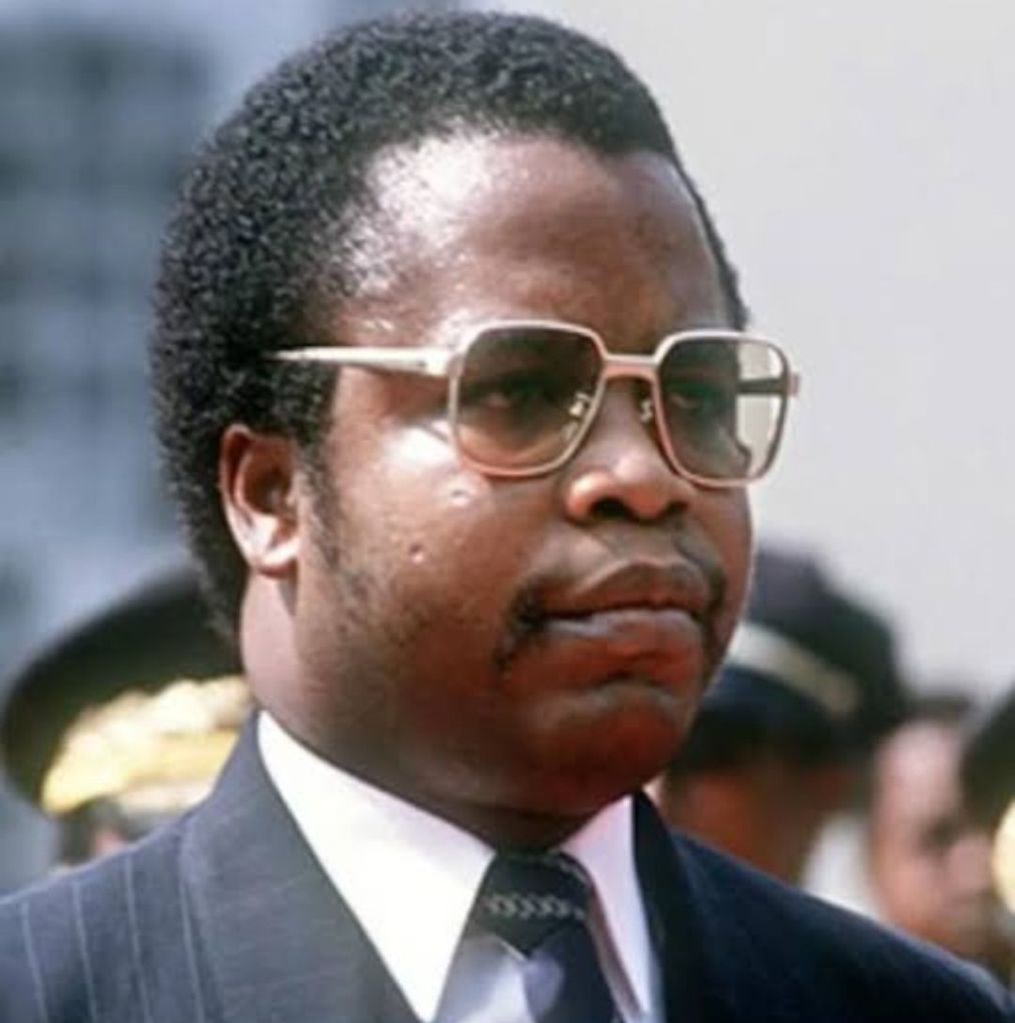
Vision: A populist military regime and national reform.
Assassinated: September 9, 1990
Samuel Doe’s rise to power through a coup initially inspired hope for indigenous leadership in Liberia. However, his regime became synonymous with corruption and authoritarianism. His assassination during Liberia’s civil war symbolized the collapse of his vision and the devastation of the nation.
Hamani Diori (Niger)
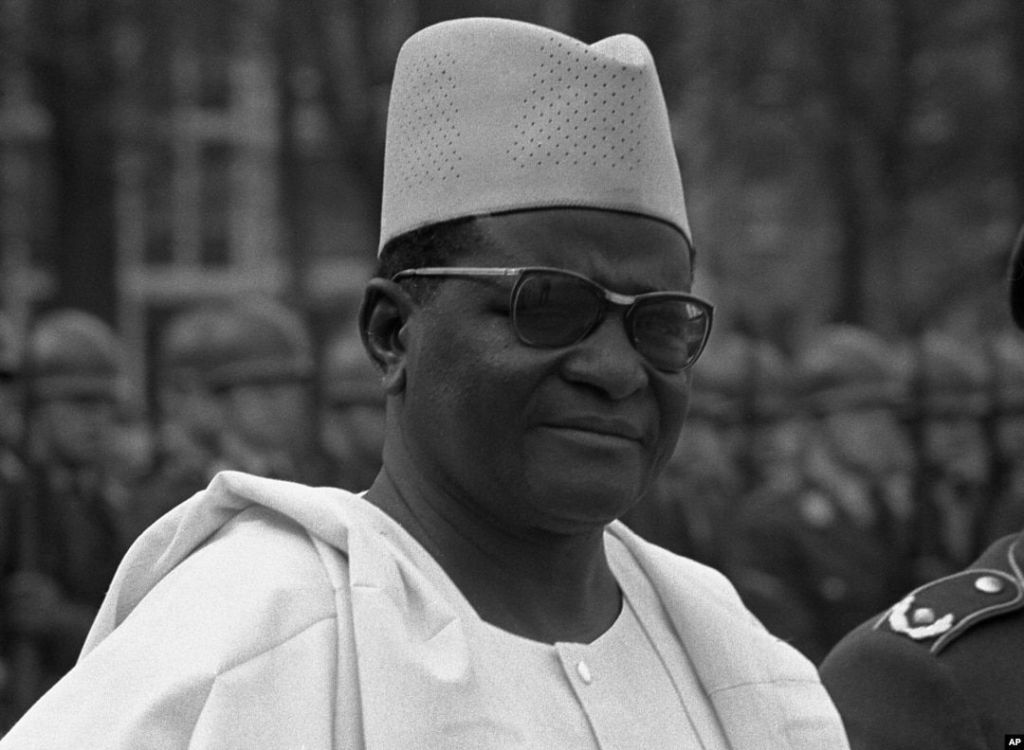
Vision: Economic diversification and self-reliance.
Deposed and Assassinated: April 15, 1974
Hamani Diori sought to reduce Niger’s dependency on uranium exports and French control. His assassination after being deposed in a coup marked a return to neo-colonial economic policies that continue to hinder Niger’s development.
The Pattern: Assassination as a Neo-Colonial Tool
These leaders shared a commitment to sovereignty, resource control, and unity. Their assassinations were deliberate acts to:
1. Preserve Resource Control: Foreign powers sought to maintain access to Africa’s wealth.
2. Suppress Revolutionary Ideals: Leaders promoting self-reliance and socialism were systematically eliminated.
3. Prevent Unity: A united Africa posed a threat to neo-colonial dominance.
The Call to Action: Honoring Their Legacy
To honor these leaders, Africa must:
Document Their Histories: Ensure future generations know their sacrifices.
Challenge Neo-Colonial Systems: Advocate for economic and political sovereignty.
Invest in Leadership: Support leaders who prioritize the continent’s welfare over external interests.
A Struggle Unfinished
The systematic assassination of Africa’s greatest leaders silenced their voices, but their dreams live on. Their visions of a united, independent, and prosperous Africa remain an inspiration for a new generation. By understanding their sacrifices, Africans can reignite the fight for liberation and reclaim the continent’s destiny.
Duruebube Uzii na Abosi
 OBLONG MEDIA GLOBAL INTELLIGENCE
Leave a comment