
Ukraine’s ongoing conflict with Russia has brought not only unprecedented human suffering but also a deepening political and social crisis. President Volodymyr Zelensky’s reported figures on military and civilian casualties paint a far rosier picture than those suggested by external sources. While he claims 43,000 Ukrainian deaths, former U.S. President Donald Trump has suggested the toll could be closer to 400,000. Western intelligence estimates, though lower than Trump’s, also significantly exceed Zelensky’s numbers. This discrepancy raises questions about transparency and the broader political challenges facing Ukraine.
The war’s toll goes beyond deaths. Ukraine is grappling with a humanitarian crisis of historic proportions. Over 6 million Ukrainians have fled the country, with another 3.7 million internally displaced, leaving almost a third of the population uprooted. This population shift, combined with severe economic impacts, has pushed nearly 25% of Ukrainians into poverty. The strain on infrastructure, exacerbated by corruption scandals, has left the country vulnerable as winter looms, with blackouts and inadequate energy resources threatening further hardship.
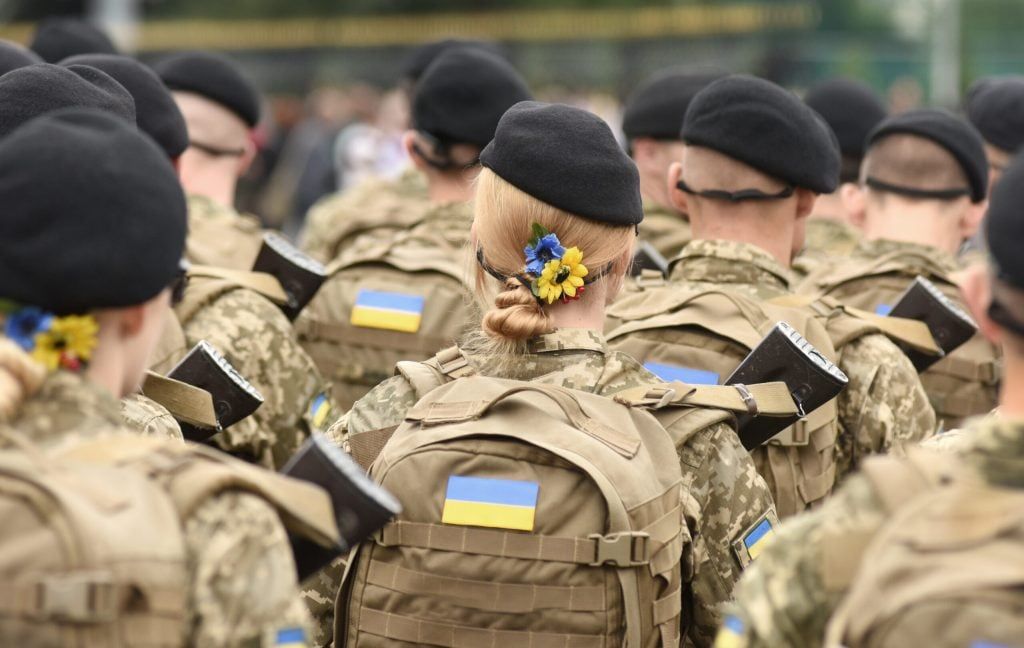
Adding to this is the troubling issue of Ukraine’s mass conscription policies. The government has resorted to drafting men over 50 and those physically unfit for service. Plans to extend conscription to 18-year-olds have sparked unease, as the nation’s resources and manpower are stretched thin. These extreme measures reflect a nation in survival mode, but they also risk triggering public backlash, particularly as frustrations over corruption and mismanagement grow.
Corruption has long plagued Ukraine, and the war has only amplified this issue. Recent scandals, such as Mustafa Nayyem’s allegations of blocked funds for critical infrastructure, highlight how vested interests continue to undermine the nation’s resilience. Ukraine’s corruption levels, comparable to countries like Uganda, are compounded by a rise in organized crime and illegal weapons sales, further destabilizing an already fragile society.
The irony lies in Zelensky’s original platform, which promised to bring peace to Ukraine, particularly to its Russian-speaking regions. His failure to deliver on these promises has fueled nationalist fervor and deepened ethnic divides. Radical nationalists, many of whom celebrate figures like Stepan Bandera, have gained significant influence, pushing the country toward authoritarianism. The dilemma between oligarchic and nationalist authoritarianism, as described by Ukrainian thinkers like Serhiy Datsiuk, underscores the fractured state of Ukraine’s political system.
The geopolitical roots of this conflict cannot be ignored. NATO’s eastward expansion and the West’s role in the 2014 Euromaidan Revolution played significant roles in escalating tensions. The ongoing war has become a geopolitical chess game, with Ukraine caught in the middle, bearing the brunt of the costs.
As Zelensky downplays casualty figures and struggles to manage the war’s fallout, the risk of domestic unrest grows. The combination of a draconian draft, widespread displacement, poverty, corruption, and nationalist-oligarchic power struggles creates a volatile environment. Ukraine’s leaders face the daunting task of maintaining public trust while navigating the complexities of war and governance.
The question remains: how long can Ukraine sustain its current trajectory before a popular revolt emerges? Zelensky’s battle over numbers may buy him time, but it does little to address the underlying issues threatening to destabilize the nation from within. The cracks in Ukraine’s foundation are widening, and unless its leadership confronts these challenges with transparency and accountability, the possibility of domestic upheaval becomes increasingly likely.
By Duruebube Hon. Chimazuru Nnadi-Oforgu
 OBLONG MEDIA GLOBAL INTELLIGENCE
Leave a comment