

The recent tragedy of free food distribution stampede deaths in Nigeria, where several lives are lost in desperate scrambles for sustenance, serves as a grim reflection of the state of the nation. It is a heartbreaking reminder of the dire economic conditions that have pushed millions to the brink of poverty and survival. These incidents, though avoidable, expose deeper systemic issues: entrenched poverty, poor governance, and the failure of successive administrations to address the root causes of Nigeria’s economic and social crises.
Recent stampede incidents have tragically resulted in numerous deaths and injuries. Notable occurrences include:
Abuja, Nigeria (December 21, 2024): A stampede at the Holy Trinity Catholic Church during a Christmas charity event led to the deaths of ten people, including four children. The incident occurred as a large crowd gathered to receive food and clothing items amid a severe cost-of-living crisis.
Anambra State, Nigeria (December 21, 2024): In Okija town, three individuals lost their lives in a stampede during a charity event organized by a philanthropist. The rush began even before the event started, highlighting the desperation among attendees.
Ibadan, Nigeria (December 18, 2024): A holiday funfair at the Islamic High School in Basorun turned tragic when several children died in a stampede. The event, organized by the Women In Need Of Guidance and Support Foundation, aimed to host up to 5,000 children but ended in chaos.
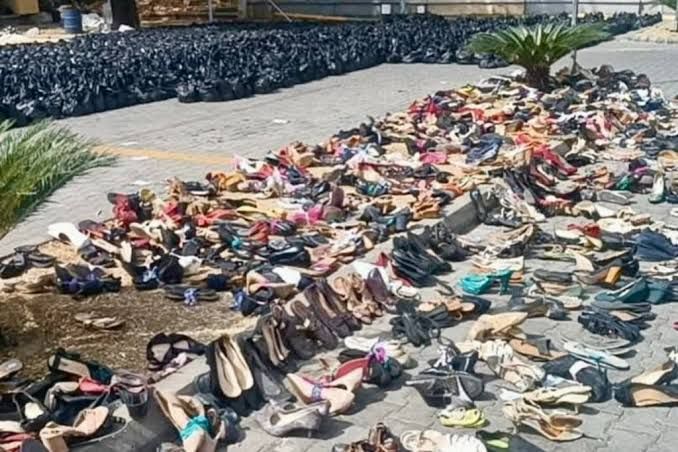
Beyond the immediate sorrow, the incidents send a chilling message about the fragility of the nation’s socioeconomic fabric. It also highlights the growing desperation of ordinary Nigerians and the potential consequences if urgent steps are not taken to improve the economy, address infrastructural deficits, and prioritize citizens’ welfare over political gamesmanship. Talk about methodology of free food sharing is pedestrian and amounts to glossing over the main problem.
The Harsh Reality: Widespread Hunger and Economic Despair
At the core of these tragedies lie the pervasive poverty that has gripped the majority of Nigerians. According to recent statistics, over 133 million Nigerians live in multidimensional poverty, struggling daily to afford basic necessities such as food, shelter, and healthcare. The rising cost of living, exacerbated by high inflation and the removal of subsidies on fuel, has further deepened this crisis.
Food insecurity is now a daily reality for millions. With the prices of staple goods soaring due to poor agricultural policies, currency devaluation, and insecurity in farming regions, many Nigerians cannot afford even one meal a day. Hunger has become a weapon of despair, leaving citizens vulnerable to any opportunity, however dangerous, to access free food.
The Political Charade of Welfare Programs
The tragedy also underscores the failure of government-led welfare programs to address poverty effectively. Free food distributions are often seen as short-term solutions that fail to tackle the root causes of economic distress. Worse still, many of these initiatives are politicized, designed not to provide genuine relief but to score political points or appease public anger. These programs are often poorly organized, underfunded, and exploitative, reducing citizens to mere recipients of charity instead of empowering them economically.
Instead of addressing structural poverty, governments at all levels often resort to tokenistic acts of charity, food handouts, cash transfers, or one-off interventions that provide no sustainable solutions. These programs, while momentarily helpful, do little to address the systemic issues of unemployment, inflation, and poor infrastructure that perpetuate poverty.
What the Tragedy Portends for Nigeria’s Future
The recent stampede is a warning of what could come if Nigeria’s economic challenges are not urgently addressed. Hunger and desperation are potent triggers for social unrest. History has shown that prolonged economic hardship can lead to instability, protests, and even violent uprisings. Nigeria, with its youthful and growing population, faces the risk of social disintegration if the needs of its citizens continue to be ignored.

When citizens lose faith in their government’s ability to provide for their welfare, the social contract that binds the nation begins to erode. Events like this stampede reflect the growing disconnect between the government and the people, a widening gap that could have dire consequences for national unity and stability.
Systemic Failures Driving Nigeria’s Economic Woes
1. Policy Inconsistencies: The lack of a coherent economic strategy has left the country vulnerable to external shocks and internal mismanagement. Policies are often reactive rather than proactive, failing to address structural weaknesses in the economy.
2. Corruption and Mismanagement: Rampant corruption diverts resources meant for development into private pockets. Funds that could have been used for social welfare programs, infrastructure, and job creation are instead wasted or embezzled.
3. Neglect of Agriculture: Despite being a historically agricultural nation, Nigeria has failed to prioritize this sector. Insecurity in farming regions, poor access to credit, and inadequate infrastructure have led to declining food production and rising prices.
4. Unemployment: With over 40% youth unemployment, Nigeria’s workforce remains grossly underutilized. The lack of jobs not only fuels poverty but also exacerbates crime, insecurity, and social discontent.
5. Poor Infrastructure: Nigeria’s infrastructure deficit, spanning roads, electricity, healthcare, and education, continues to cripple economic productivity. Poor infrastructure drives up the cost of living and limits opportunities for growth.
The Way Forward: Building a Resilient Economy and Society
To prevent future tragedies and address the growing desperation among citizens, Nigeria must adopt a holistic approach to governance and development. This requires a shift from reactive, short-term measures to long-term policies focused on economic growth, social welfare, and infrastructural development.
1. Invest in Agriculture: Food insecurity can only be addressed by revitalizing the agricultural sector. This includes ensuring security in farming regions, providing access to affordable credit for farmers, and investing in agricultural technology and infrastructure to boost productivity.
2. Job Creation: The government must prioritize job creation through industrialization, support for small and medium-sized enterprises (SMEs), and vocational training programs for young people. A focus on creating sustainable employment opportunities will reduce dependency on welfare programs.
3. Transparent Welfare Systems: Welfare programs should be institutionalized and designed to empower citizens rather than keep them in perpetual dependence. Social safety nets like unemployment benefits, health insurance, and food subsidies must be implemented transparently and sustainably.
4. Economic Diversification: Nigeria must reduce its reliance on oil revenues by diversifying into other sectors such as manufacturing, technology, and renewable energy. This will create more jobs and stabilize the economy against fluctuations in global oil prices.
5. Fight Corruption: A renewed commitment to fighting corruption is essential. Funds must be channeled toward development projects and welfare programs rather than being siphoned off by corrupt officials.
6. Address Infrastructure Deficits: Infrastructure development must be prioritized to reduce the cost of living, improve productivity, and attract investments. This includes investments in roads, electricity, healthcare, and education.
7. Engage Citizens in Governance: Restoring faith in government requires engaging citizens in decision-making processes. This includes fostering transparency, accountability, and communication between the government and the people.
The Real Message: Governance is About Lives, Not Politics
The free food distribution stampede is not just a tragedy; it is a damning indictment of the state of governance in Nigeria. It is a wake-up call for leaders at all levels to prioritize the welfare of the people over politics. The cries of the victims’ families echo a broader plea for economic justice, fairness, and accountability.
If Nigeria’s leaders fail to act, this tragedy will be the first of many. Desperation knows no bounds, and hunger is a force that can ignite revolutions. The nation cannot afford to gamble with the lives of its citizens any longer. Addressing these systemic failures and investing in people must become a top priority.
A Call to Action
The tragedies at food distribution events is a microcosm of the broader challenges facing Nigeria today. It reflects a broken system in desperate need of reform. To ensure a better future, Nigerians must demand more from their leaders and hold them accountable. Civil society, private organizations, and individuals all have a role to play in pushing for change.
The time to act is now. Hunger and poverty do not wait for political convenience or government bureaucracy. The lives lost in these stampedes must not be in vain. They must serve as a catalyst for a national movement to rebuild Nigeria and restore hope to its people.
By Duruebube Chimazuru Nnadi-Oforgu
 OBLONG MEDIA GLOBAL INTELLIGENCE
Leave a comment