
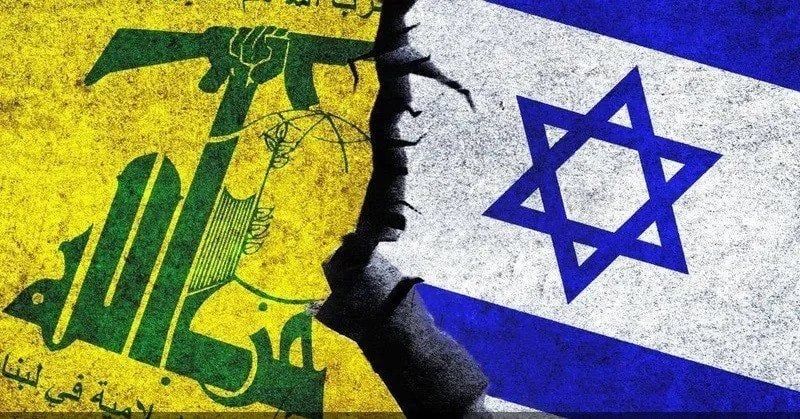
The ceasefire between Israel and Hezbollah took effect at 4 a.m. local time on November 27, following intense Israeli airstrikes on Beirut that claimed 18 lives. As the deadline passed, the air in the Lebanese capital was thick with the lingering smell of explosives, a grim reminder of the 14-month conflict that devastated much of southern Lebanon.
Despite official warnings from both Israeli and Lebanese authorities, thousands of displaced residents were eager to return home. By midday, the main highway leading south from Beirut was congested with families carrying their belongings, their cars packed with mattresses and essentials. In a rare show of unity, representatives of Lebanon’s Sunni-majority Future Movement, clad in blue vests, distributed sweets to the mostly Shiite returnees—a poignant gesture amid the destruction.
However, for many, the return home would be bittersweet, as countless villages lay in ruins due to relentless Israeli bombardment and a ground incursion that began in late September. Hezbollah, despite facing heavy losses, remained resilient. The group reportedly lost several top commanders and a significant portion of its missile arsenal. Nevertheless, Israel also suffered substantial setbacks, prompting Prime Minister Benjamin Netanyahu to reluctantly accept the U.S.-brokered ceasefire.
A Costly Conflict for Both Sides
Israeli forces endured over 1,000 casualties, including 120 fatalities, and lost more than 60 of their advanced Merkava tanks. Despite deploying five divisions, Israel failed to establish a sustained presence in southern Lebanon, as Hezbollah’s guerrilla tactics made occupation untenable. Israeli troops were forced to limit their operations to brief incursions, frequently withdrawing under heavy fire.
Reports from Israeli media in the days leading up to the ceasefire painted a picture of IDF forces moving through the Lebanese countryside. However, when residents returned to the town of Kiam, they found no lasting Israeli presence, only the devastation left by airstrikes.
The ceasefire agreement, valid for 60 days, stipulates that Israeli forces will fully withdraw from Lebanese territory, Hezbollah will relocate north of the Litani River, and 10,000 Lebanese Army troops will take over security in the south—essentially mirroring the terms of the 2006 UN Resolution 1701. Crucially, Hezbollah retains its arsenal, a major point of contention within Israel.
Political Fallout in Israel
The ceasefire has intensified political divisions in Israel. Netanyahu’s critics argue that he has squandered a military opportunity by failing to disarm Hezbollah. Opposition figures, including National Unity Party leader Benny Gantz and former Prime Minister Naftali Bennett, have expressed dismay over the agreement, warning that Hezbollah remains a formidable threat.
> “Withdrawing forces now will make it easier for Hezbollah to regroup and harder for us to respond,” Gantz said.
> “An impressive military achievement is being wasted on a diplomatic failure,” Bennett added.
Public sentiment reflects similar frustration. According to a Channel 13 poll, 61% of Israelis believe the war in Lebanon was not a success, while 66% support ending the ongoing conflict in Gaza.
Economic and Strategic Impact
The prolonged conflict has exacted a heavy toll on Israel’s economy and infrastructure. Sky News Arabic reports estimate that Israel has suffered:
$5 billion in tourism losses,
The bankruptcy of 48,000 companies,
Military expenses totaling $130,000 per day.
Additionally, over 9,000 buildings have been damaged, 7,000 vehicles destroyed, and vast agricultural lands scorched. The displacement of over 75,000 Israelis from northern regions has further strained national morale.
Meanwhile, Hezbollah, despite significant military depletion, managed to strike deep into Israeli territory, with one of its final attacks reaching Tel Aviv. This demonstrated the group’s strategic capabilities, even after enduring relentless Israeli bombardment.
Geopolitical Implications
The ceasefire was seen as a necessary face-saving measure for Netanyahu, who has struggled to achieve his stated goals of neutralizing Hezbollah. U.S. President Joe Biden welcomed the agreement, having previously failed to secure a ceasefire in Gaza. Reports suggest that Netanyahu’s last-minute rejection of a Gaza ceasefire plan contributed to Biden’s declining approval ratings, ultimately leading to his withdrawal from the 2024 presidential race.
In contrast, President-elect Donald Trump has expressed satisfaction with the Lebanese ceasefire, aligning with his campaign rhetoric of ending U.S. involvement in wars. However, speculation remains regarding his future stance on Netanyahu, given the Israeli leader’s past endorsement of Biden in the 2020 election—a move Trump has not forgotten.
The Bigger Question: Who Really Won?
From a purely military standpoint, Israel failed to achieve its strategic objectives in Lebanon. The inability to establish a lasting presence in the south and the continued operational capabilities of Hezbollah indicate that the militant group remains a potent force.
On the other hand, Hezbollah has sustained considerable losses, with its leadership ranks thinned and missile stockpiles depleted. Yet, its survival and continued effectiveness in striking Israeli targets suggest a psychological and symbolic victory—proving its resilience and further solidifying its image as the “defender of Lebanon.”
In the broader context, the ceasefire underscores the complexity of the Israel-Lebanon conflict and the difficulty in achieving a definitive military resolution. Both sides will likely use the coming months to rearm and recalibrate, leaving the region in a fragile state of uneasy calm.
For now, the ceasefire offers a temporary respite, but the deeper conflict—rooted in territorial disputes, sectarian divisions, and geopolitical rivalries—remains far from resolved.
 OBLONG MEDIA GLOBAL INTELLIGENCE
Leave a comment