

Our distinguished and Honorable legislators,
I trust this open letter finds you all well and fully engaged in steering our nation towards sustainable development. I write to highlight a critical infrastructural and economic concern, the over-reliance on Lagos seaports, and the pressing need to develop and upgrade alternative ports, river ports, jetties, natural harbours, and internal sea transport routes across the South east, South south and Middle Belt regions of Nigeria.
The Overburdened Lagos Seaports
Lagos, Nigeria’s economic powerhouse, is home to the Apapa and Tin Can Island Ports, which handle over 70% of Nigeria’s import and export activities. However, this concentration has resulted in severe congestion, leading to prolonged cargo clearance times, increased logistics costs, environmental pollution, and traffic gridlock. According to reports, businesses lose billions of naira annually due to these inefficiencies. The Nigerian Ports Authority (NPA) reported that Lagos ports alone generated ₦501 billion in 2023, demonstrating their revenue potential but also exposing the over-reliance on a single city’s infrastructure.
The Untapped Potential of Alternative Ports
To address this challenge, it is imperative to focus on developing and modernizing ports, river ports, and natural harbours across the Southern and Middle Belt regions, which remain largely underutilized. This strategic investment would not only enhance national logistics capacity but also stimulate economic development in other regions, fostering industrialization and reducing urban migration pressures on Lagos.
Current Revenue Performance of Nigerian Ports
The Nigerian Ports Authority (NPA) has demonstrated commendable revenue growth in recent years. In 2022, the NPA generated ₦361 billion, which surged to ₦501 billion by the end of 2023—a 38.78% increase. Remittances to the Consolidated Revenue Fund (CRF) also rose from ₦93.4 billion in 2022 to ₦131.2 billion in 2023.
Potential Revenue from Developing Alternative Ports
Despite these achievements, the concentration of port activities in Lagos has led to significant congestion and inefficiencies. By investing in and fully operationalizing ports in other regions, Nigeria can unlock substantial economic benefits.
Key Seaports, River Ports, and Jetties for Development
Here is a list of major ports and jetties across the Southern and Middle Belt regions that, if fully developed, could serve as viable alternatives to Lagos:
- Seaports and River Ports:
Calabar Port Complex – Cross River State

Rivers Port Complex – Port Harcourt, Rivers State

Onne Port – Rivers State

Delta Port (Warri Port Complex) – Delta State

Sapele Port – Delta State

Burutu Port – Delta State
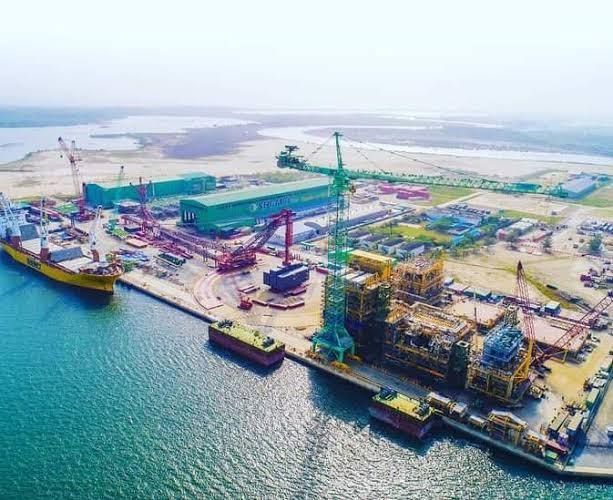
Koko Port – Delta State

Oguta Lake Port – Imo State
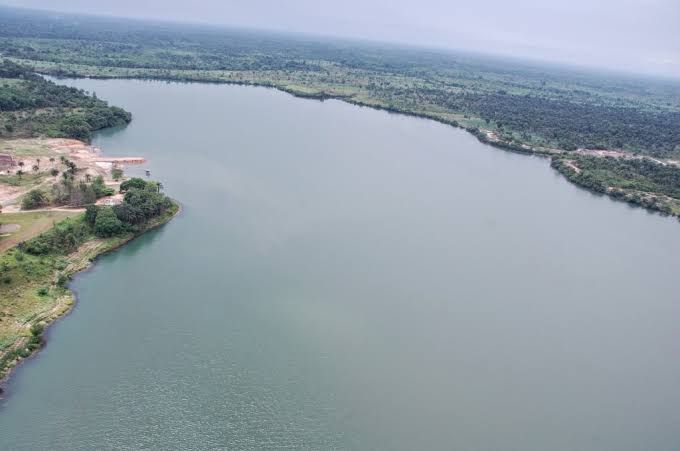
Osemoto Port – Imo State

Lokoja Inland Port – Kogi-State

Onitsha River port

Baro Inland Port – Niger State

Idah Port – Kogi State

- Potential Natural Harbours for Development:
Bonny Natural Harbour – Rivers State
Oguta Lake Natural Harbour – Imo State
Osemoto Natural Harbour – Imo State
Forcados Harbour – Delta State
Nun River Harbour – Bayelsa State
Economic Benefits of Expanding Port Operations Nationwide
Economic Projections:
Revenue Generation: With strategic investments, these ports could collectively generate an estimated additional over ₦1 trillion annually. This projection is based on the performance of existing ports and the untapped potential of the underutilized ones.
Ancillary Services: The expansion of port operations will stimulate growth in related sectors such as logistics, warehousing, and manufacturing. For instance, the NPA’s initiation of barge operations has grown into a ₦2 billion annual business, enhancing port-hinterland connectivity.
Advantages Over Increased Taxation
Rather than imposing higher taxes, which can strain citizens and businesses, enhancing port infrastructure offers a sustainable revenue alternative. This approach not only boosts government income but also fosters economic growth, job creation, and regional development.
Investing in these ports and harbours presents immense economic opportunities:
Revenue Generation: The decentralization of port activities could potentially generate an additional ₦1 trillion annually, with increased cargo throughput, reduced demurrage costs, and enhanced customs revenue.
Decongesting Lagos: Diverting maritime activities to other regions will alleviate infrastructural pressure on Lagos, easing traffic congestion and environmental degradation.
Regional Development: Proximity to functional ports will attract investors, manufacturers, and traders, leading to the establishment of new industries and job creation.
Lower Logistics Costs: Developing ports closer to major production centers will significantly cut down logistics expenses for businesses, boosting competitiveness.
Encouraging Regional Industrialization and Population Redistribution
Improved port facilities and transport networks in the South-East and Middle Belt will encourage manufacturers, traders, and investors to relocate closer to production and distribution hubs. This move will not only reduce Lagos’ population density but also unlock the economic potential of other regions, ensuring balanced national development.
Strategic Recommendations
- Modernization of Existing Ports: Invest in dredging, automation, security, and cargo-handling infrastructure to bring all ports up to international standards.
- Development of Natural Harbours: Conduct feasibility studies on underutilized natural harbours such as Oguta and Osemoto, with an emphasis on developing them for commercial use.
- Improved Intermodal Connectivity: Construct and rehabilitate road and rail links to connect ports to key commercial centers.
- Public-Private Partnerships (PPPs): Encourage private investment in port development through attractive incentives, tax holidays, and enabling policies.
- Streamlined Policy Implementation: Simplify bureaucratic processes and customs operations to enhance ease of doing business across all ports.
Conclusion
Your Excellency, addressing the over-reliance on Lagos seaports by upgrading Southern and Middle Belt ports, river ports, jetties, and natural harbours is an urgent national priority. This initiative will unlock enormous economic potential, create jobs, and ensure the equitable distribution of infrastructural development across the country.
With your leadership, I am confident that Nigeria can achieve this transformation and emerge as a logistics hub for West and Central Africa.
Yours sincerely,
Hon. Chimazuru Nnadi-Oforgu
“Duruebube Uzii na Abosi”
 OBLONG MEDIA GLOBAL INTELLIGENCE
Leave a comment