
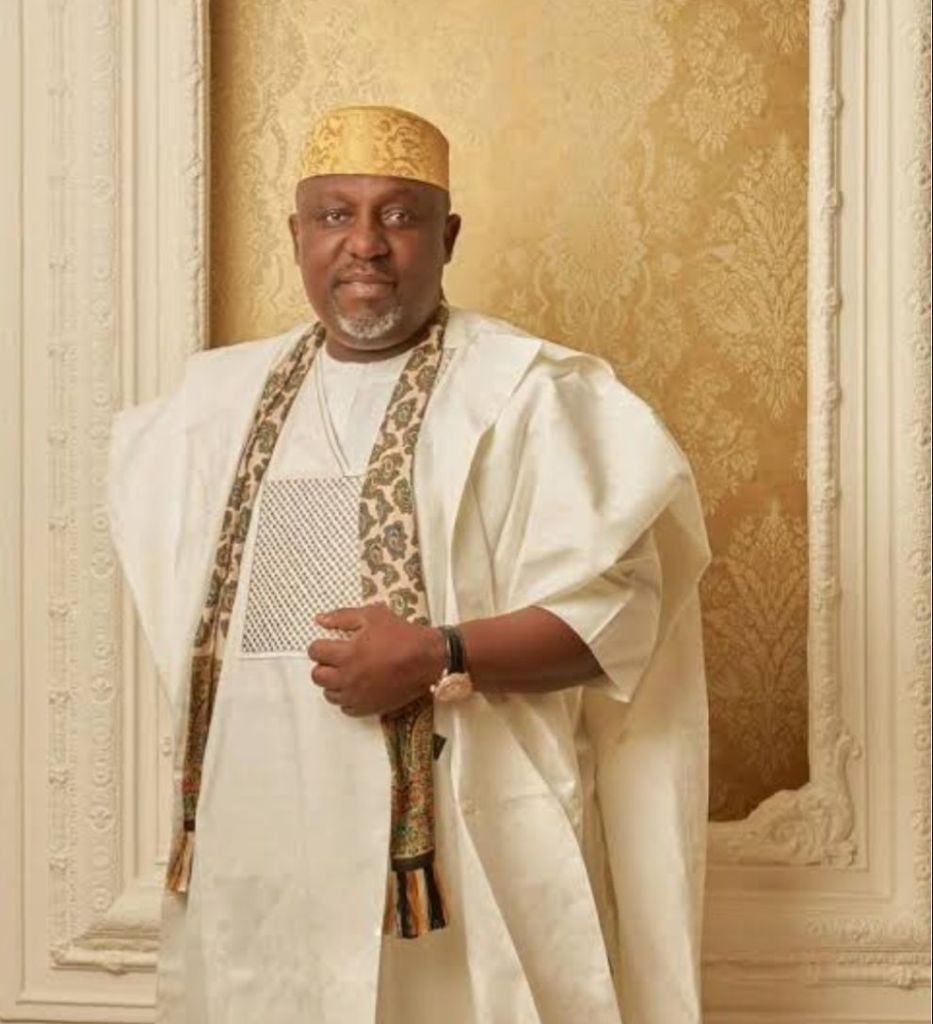
Governor Rochas Okorocha (2011–2019): Ambition, Controversy, and a Fragile Legacy
Governor Rochas Okorocha’s tenure as the Governor of Imo State from 2011 to 2019 was characterized by ambitious initiatives, significant controversies, and a legacy that continues to spark debate. While his efforts to expand Owerri, the state capital, are often highlighted, a comprehensive examination of his administration reveals a complex interplay of achievements and challenges.
Background and Political Ascendancy
Rochas Okorocha, a philanthropist and businessman, ventured into politics with a vision to transform Imo State. His political journey saw affiliations with multiple parties, including the All Nigeria Peoples Party (ANPP), the People’s Democratic Party (PDP), and his formation of the Action Alliance (AA). He eventually joined the All Progressives Grand Alliance (APGA), under which he contested and won the 2011 gubernatorial election. In 2013, Okorocha transitioned to the All Progressives Congress (APC), aligning with its national agenda.
Achievements and Successes
- Educational Reforms
Free Education Initiative: Okorocha’s administration is lauded for implementing free education from primary to tertiary levels in state-owned institutions. He claimed to have forfeited his security votes, amounting to sixteen billion naira over four years, to fund this program, significantly increasing school enrollment rates.
Infrastructure Development: The government constructed new schools and renovated existing ones, aiming to provide conducive learning environments. Allegedly, 305 primary schools and 27 Information Communication Technology (ICT) centers were built across the 27 LGAs of the state.
- Infrastructure Development
Road Construction: The administration embarked on extensive road projects, including urban and rural roads, to enhance connectivity within the state. However, most projects faced criticism over quality and execution.
Public Buildings and Monuments: Okorocha’s tenure saw the erection of several public structures, including the controversial statue of South African President Jacob Zuma and other african leaders, which sparked public debate. In those days, one would ask the other “Akpuola gi”
- Healthcare Initiatives
Hospital Construction: The government initiated the construction of 27 general hospitals across the state’s local government areas to improve healthcare access. However, reports indicate that almost all of these facilities remained incomplete or non-functional by the end of his tenure.
- Economic Policies
Industrial Projects: Efforts were made to revive moribund industries, such as the Owerri Shoe Industry and Nsu Tiles, Avutu poultry, Adapalm and the Ceramics Industry, through public-private partnerships. The success and sustainability of these initiatives have been subjects of debate.
Controversies and Criticisms
- Allegations of Nepotism and Cronyism
Family Appointments: Okorocha faced allegations of appointing family members to key governmental positions, including his sister as the Commissioner for Happiness and Purpose Fulfillment, raising concerns about nepotism.
Succession Plans: His attempt to position his son-in-law, Uche Nwosu, as his successor was met with resistance and viewed as an extension of familial dominance in state politics.
- Financial Mismanagement
Contract Awards: The administration was criticized for awarding contracts without due process, leading to questions about transparency and accountability in governance.
EFCC Investigations: Post-tenure, Okorocha was investigated by the Economic and Financial Crimes Commission (EFCC) over alleged financial misconduct whereby a lot of ill aquired property was seized by the state government, though some charges were later dismissed by the courts.
- Public Perception and Media Controversies
Statue Erecting: The erection of statues of foreign leaders, notably Jacob Zuma, drew public ire, with many questioning the relevance and expenditure on such projects amidst pressing state needs.
Use of Language: Okorocha’s use of the term “iberiberism” and “My people My people” during television interviews and broadcasts became a media sensation, reflecting his unconventional communication style.
Owerri’s Expansion and Urban Renewal
Okorocha’s efforts to open up Owerri were unprecedented, as he implemented aspects of the city’s master plan originally conceived during the administration of Governor Sam Mbakwe. For decades, this plan had been ignored by successive governments, but Okorocha demonstrated the vision and ambition to push forward with its implementation.
By expanding the city and improving access roads, he not only enhanced mobility within the capital but also created room for urban growth and economic activities. Major areas in Owerri, such as New Owerri and other adjoining layouts, were opened up with road networks, bridges, and public infrastructure. These expansions gave the city a new look and brought it closer to realizing its potential as a modern urban hub. Though implementation was shabby and the roads substandard, his intention was not lost on ndi Imo.
The Controversial Side of Owerri’s Expansion
Despite the commendable vision behind the urban renewal projects, the process was not without its controversies. Critics claim that Okorocha’s primary motive for opening up these areas was to enable land grabbing for personal gain. Allegations abound that vast portions of government land and newly accessible plots were allocated to him, his family, and close associates, sparking outrage among residents and stakeholders.
Many allege that lands originally earmarked for public use, such as parks, schools, and markets, were sold off or converted for private development. This perception has cast a shadow over an otherwise ambitious and forward-thinking initiative.
Public Perception and Legacy
Okorocha’s tenure is viewed through a polarized lens. Supporters commend his strides in education and infrastructure, citing the free education program and road constructions as significant achievements. Detractors, however, highlight the controversies, allegations of nepotism, financial mismanagement, and uncompleted projects as blights on his administration.
In retrospect, while Okorocha’s administration undertook ambitious projects aimed at transforming Imo State, the execution and management of these initiatives have left a mixed legacy, prompting ongoing debates about their long-term impact on the state’s development.
Conclusion: A Mixed Legacy with Lessons for the Future
Governor Rochas Okorocha’s tenure remains one of the most polarizing in Imo State’s history. His bold decision to open up Owerri and implement the Mbakwe master plan was a rare display of ambition and vision in governance, earning him commendation even from critics. However, the allegations of land grabbing and mismanagement that accompanied these projects continue to tarnish what could have been an undisputed success story.
As Imo State reflects on this period, the lessons are clear: bold ideas must be executed with transparency and accountability. Urban renewal and infrastructural development must prioritize public good over personal interests. Okorocha’s legacy in Owerri will always stand as a reminder of the fine line between visionary leadership and controversial governance.
Next: The Ihedioha Era
In the next part, the part 4 of this series, we will examine the brief but impactful seven-month tenure of His Excellency Emeka Ihedioha, from 2019 to 2020. Despite its brevity, his administration introduced significant reforms aimed at restoring accountability and rebuilding trust in governance. Stay tuned for an in-depth analysis of Ihedioha’s legacy and its implications for Imo State.
By Hon. Chima Nnadi-Oforgu
“Duruebube Uzii na Abosi”
 OBLONG MEDIA GLOBAL INTELLIGENCE
Leave a comment