

From Slave to Monarch and Trade Mogul
Ozurumba Mbanaso, later known as King Jaja of Opobo, was one of the most remarkable figures of the 19th century in West Africa. Born in 1821 in Umuduruoha village, Amaigbo, Nwangele Local Government Area of present-day Imo State, Nigeria, he rose from slavery to become a wealthy merchant king and one of the most powerful rulers in the Niger Delta region.
Early Life and Enslavement
As a young boy, Ozurumba was captured and sold into slavery, eventually landing in the hands of Chief Madu of the Anna House—one of the ruling canoe houses in Bonny, a thriving trading hub on the Nigerian coast. At that time, the Niger Delta served as a crucial link between African palm oil producers and European markets. Trade networks relied heavily on “canoe houses,” which were complex organizations made up of merchants, workers, and slaves. Despite his status as an imported slave, regarded as inferior to those born locally, Ozurumba began to demonstrate qualities that set him apart.
Rise Through the Canoe House System

In Bonny’s competitive society, success was earned through merit and business acumen. Young Jaja, as he came to be known, started as a lowly paddler but soon worked his way up the ranks by displaying exceptional intelligence, integrity, and ambition. Eventually, he transitioned from being a paddler to a trader, earning the respect and trust of his superiors.
When the leader of the Anna House died in 1863, leaving behind massive debt, Jaja took a bold step. While other chiefs avoided the financial burden, Jaja assumed control, reorganized the house, and built strong trading alliances with palm oil producers in the Igbo hinterlands. His business empire grew rapidly, absorbing other struggling canoe houses under his leadership.
Conflict and the Founding of Opobo
Jaja’s growing wealth and influence drew the ire of rival merchant chiefs, particularly Oko Jumbo. In 1869, tensions boiled over into war after a fire devastated Jaja’s operations in Bonny. Facing overwhelming odds, Jaja tactically retreated and negotiated a ceasefire while secretly planning his next move.
In 1870, Jaja relocated his empire to a strategic area along the Imo River, where he established the settlement of Opobo. He returned to his hometown of Amaigbo to bring more of his people to the new settlement. Declaring himself King Jaja of Opobo, he attracted the allegiance of 14 out of the 18 canoe houses in Bonny. This move secured his dominance in the palm oil trade and cut off British and rival access to key trading routes.
The British Conflict and Betrayal
By monopolizing trade in the region, Jaja became a powerful figure whose success frustrated British merchants. Although the British formally recognized him as a king, they were determined to control the lucrative palm oil trade. In 1887, British Consul Harry Johnston sailed to Opobo under the guise of diplomacy but instead tricked and kidnapped Jaja. He was transported to Accra (in present-day Ghana), where he was falsely charged with obstructing free trade and violating a treaty. Following his conviction, he was exiled to the West Indies.
Final Days and Legacy
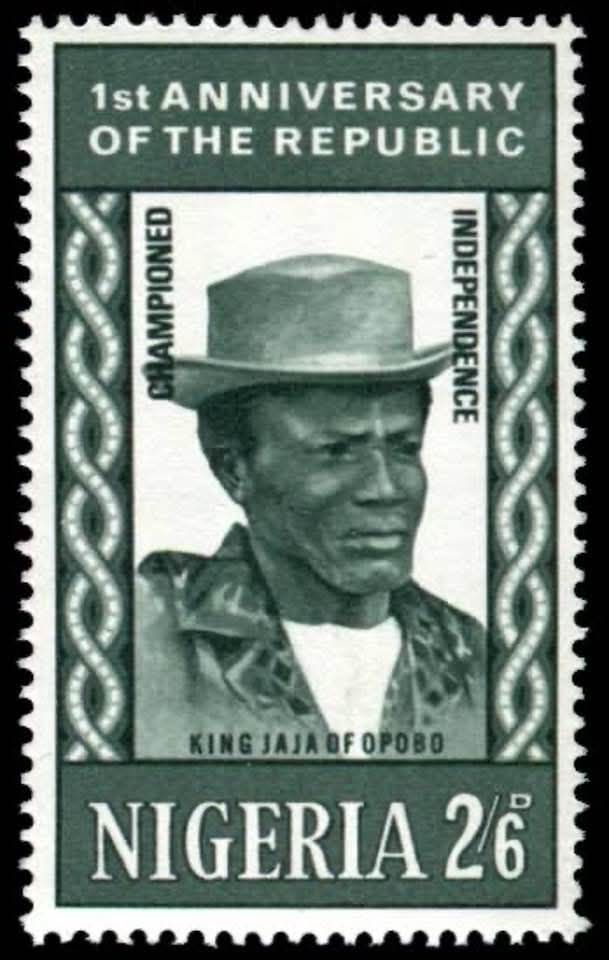
In 1891, Jaja was granted permission to return to Opobo, but he died under mysterious circumstances on his journey home. His death marked the end of an extraordinary life, but his legacy endures. Historians continue to study King Jaja for his courage in resisting British colonial ambitions and his unparalleled business acumen. He remains a symbol of resilience, leadership, and economic ingenuity.
King Jaja’s rise from slavery to royalty highlights the complexities of 19th-century African trade, politics, and resistance against colonial oppression. His story is a powerful reminder of how one man’s vision and determination can shape history.
For more historical articles, visit http://www.oblongmedia.net.
 OBLONG MEDIA GLOBAL INTELLIGENCE
Leave a comment