
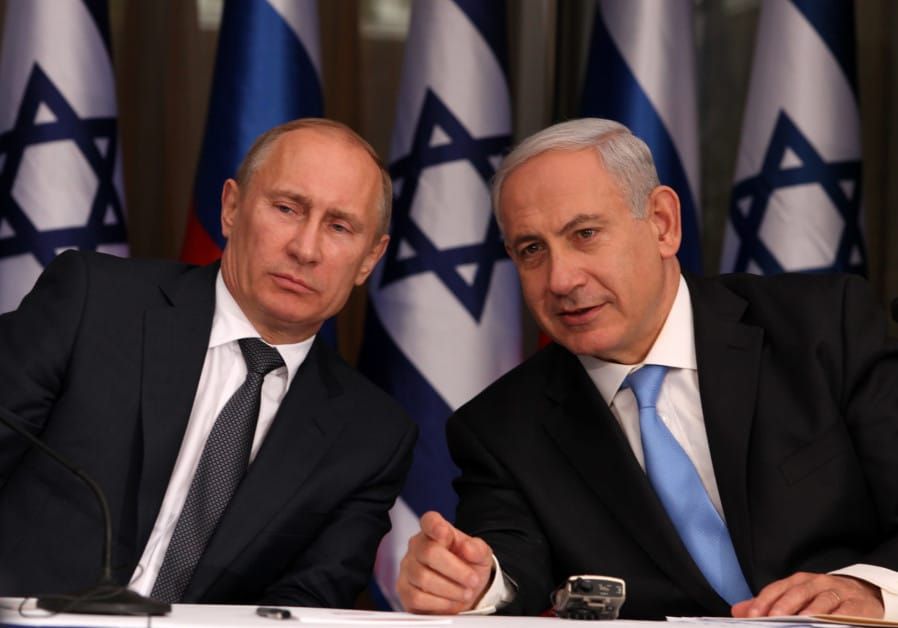
The June 19, 2025, headline that Vladimir Putin has offered to mediate between Iran and Israel might seem unremarkable on the surface, a routine diplomatic gesture in a tense region. But in truth, it is far more calculated, an audacious geopolitical chess move aimed at destabilizing the very architecture of Western hegemony. Beneath the surface of this so-called peace initiative lies a far more profound reality: Putin is not merely offering to mediate; he is offering to reframe the power dynamics in the Middle East by inserting Russia into a conflict long dominated by U.S.-Israeli alignment.
This moment cannot be separated from the layered history of alliances, betrayals, and strategic interests that define the region. Russia and Iran are military allies, bound together by years of shared interests in Syria and opposition to Western interventionism. Iran is not just a regional player, it is a node in a broader anti-hegemonic bloc alongside Moscow and Beijing. At the same time, Putin shares a longstanding and oddly cordial relationship with Benjamin Netanyahu, a fact often ignored by Western analysts who prefer to box world leaders into simplistic categories of friend or foe. Netanyahu has described Putin as intelligent and focused, a man he consulted frequently during his long premiership. The relationship was not just personal, it was instrumental. It provided Israel with access and leverage in Russian-influenced theatres like Syria, even while the two countries found themselves on opposing sides.
But something has changed. Israel, now more than ever, is acting as the forward arm of U.S. military interests in the Middle East. The repeated bombing of Iranian targets, both inside and outside Iran’s borders, is not just an Israeli initiative, it is a continuation of U.S. imperial policy under the banner of nuclear deterrence and regional security. In this context, Putin’s gesture is anything but neutral. It is a strategic intervention meant to disrupt the cohesion of the U.S.-NATO-Israel axis, sow distrust within that coalition, and reassert Russia’s role as a credible broker in a region the West has only known how to dominate or destroy.
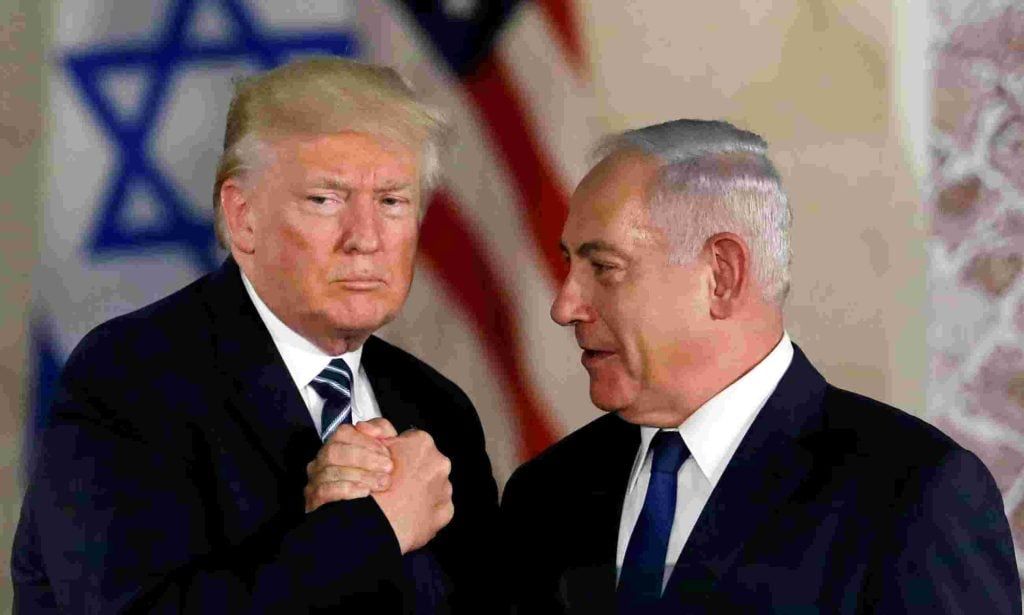
There is also the Trump factor. Once seen as a friend of both Netanyahu and Putin, Trump now finds himself increasingly alienated from both figures. Netanyahu’s alignment with U.S. military interests has taken on a more NATO-centric posture, placing Israel more squarely in the camp of Biden-era neoconservatives and Euro-Atlantic hawks than under Trump’s more transactional, restrained vision. The recent Israeli strikes on Iranian targets, reportedly greenlit with NATO coordination, indicate that Israel is no longer operating as an independent actor, it is a militarized extension of Washington’s deep state.
This is where Putin’s offer becomes geopolitically explosive. It directly challenges the utility of Israel as America’s permanent enforcer in the Middle East. By leveraging his relationship with Netanyahu, Putin is effectively attempting to peel Israel, at least diplomatically, away from the more aggressive U.S. agenda, particularly one that threatens to ignite a full-scale war with Iran, a war that could easily draw in Russia and even China. Russia, no stranger to military posturing, is not offering this mediation out of humanitarian impulse but out of strategic necessity. Iran’s collapse or nuclear incineration is not in Moscow’s interests. Nor is allowing the West to destroy another sovereign state under false pretenses.
And the pretenses, once again, are familiar. Talk of Iranian nuclear threats echoes the same deceptive script used in Iraq with WMDs and in Syria with alleged chemical attacks. Israel, an undeclared nuclear state with an estimated arsenal of over 80 warheads, insists that it cannot coexist with a nuclear-capable Iran. But the issue isn’t the bomb. The issue is sovereignty. The issue is resistance. Iran represents the last major regional force that actively defies the West’s order in the Middle East. That is what makes it a target. That is what drives this war.
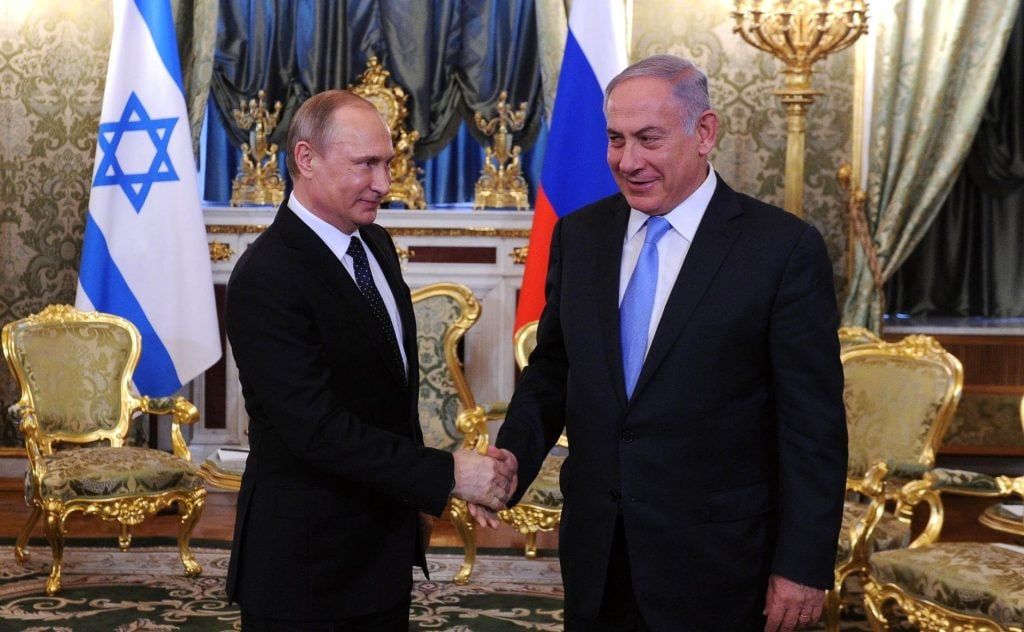
Putin’s offer must therefore be read as a geopolitical disruption. He is not trying to save Iran and Israel from each other, he is trying to expose the fault lines in U.S. dominance. He is making the world confront the absurdity of the current order, in which a nuclear-armed Israel can bomb at will, while a sovereign Iran is vilified for pursuing civilian atomic energy. He is reminding us that the so-called rules-based international order is selective, hypocritical, and terminally diseased.
This moment carries echoes of the prelude to World War I, when overlapping alliances, backdoor commitments, and rising empires stumbled into catastrophe. The structure of alliances today is just as volatile. U.S., NATO, Israel on one side. Russia, Iran, China forming a counter-axis. But unlike the First World War, this time the weapons are nuclear, and the stakes are existential.
The question now is whether Putin’s intervention can rupture the Western alliance’s iron grip or whether it will be dismissed as a cynical move by a pariah state. The answer may determine not just the future of Iran, but the future of global order itself. If Putin succeeds in neutralizing Israel’s aggression or in bringing Tehran and Tel Aviv to a momentary truce, it will be a devastating blow to U.S. credibility and dominance. If he fails, the road to Tehran may very well become the next great flashpoint in the unravelling of the Western empire.
What unfolds from here is uncertain, but the stakes are undeniable. The world is watching not just for outcomes, but for alignments. And in this dangerous game of war and peace, Putin is playing not just for diplomacy, but for the dismantling of the American imperium.
By Oblong Media Editorial Desk
 OBLONG MEDIA GLOBAL INTELLIGENCE
Leave a comment