
In the West, democracy is the default political religion. Citizens expect to vote for their leaders, protest in the streets, and argue about policies over coffee. But in China, things are different, radically so. No Chinese citizen wakes up thinking, “I’m going to vote for my president.”
Why?
Because China’s president is not chosen by the people. He is selected from within the upper echelons of the Chinese Communist Party (CCP), an elite political system that is less about popularity and more about performance.
This system raises eyebrows in many democracies, but before dismissing it as undemocratic or authoritarian, it’s worth examining why China chose this path, and how it’s working.
The Chinese Communist Party Is Not Your Average Political Party
Unlike political parties in multi-party democracies, the CCP isn’t open to just anyone. It’s not a club where you pay a fee, show up to meetings, and run for office. Entry into the Party is selective, rigorous, and merit-based.
Those who make it in are elites by training, education, or performance.
They are strategic thinkers, not populist performers.
They are technocrats, scientists, economists, and military minds, not media celebrities.
They are screened, groomed, and trained for years before assuming national responsibility.
This system is brutally pragmatic. It operates on a core assumption:
> If someone is still struggling to understand or manage their own life, they cannot be expected to choose the right leader for a nation of 1.4 billion people.
Harsh? Yes. But also brutally realistic.
China’s Alternative to Electoral Politics
Instead of trusting the “wisdom of the masses,” China bets on the discipline of the competent. Rather than political campaigns filled with empty slogans and emotional debates, leadership in China emerges through decades of service, study, and internal Party performance.
The result?
A system that may lack Western-style “freedom,” but delivers long-term strategy, disciplined leadership, and extraordinary economic growth.
Four Strategic Lessons from China’s Governance Model
1. Competence Over Popularity
In most democracies, the person who wins is the one who sells the best story, not necessarily the one with the best plan.
China flipped that model. Its leaders rise through meritocracy, not marketing.
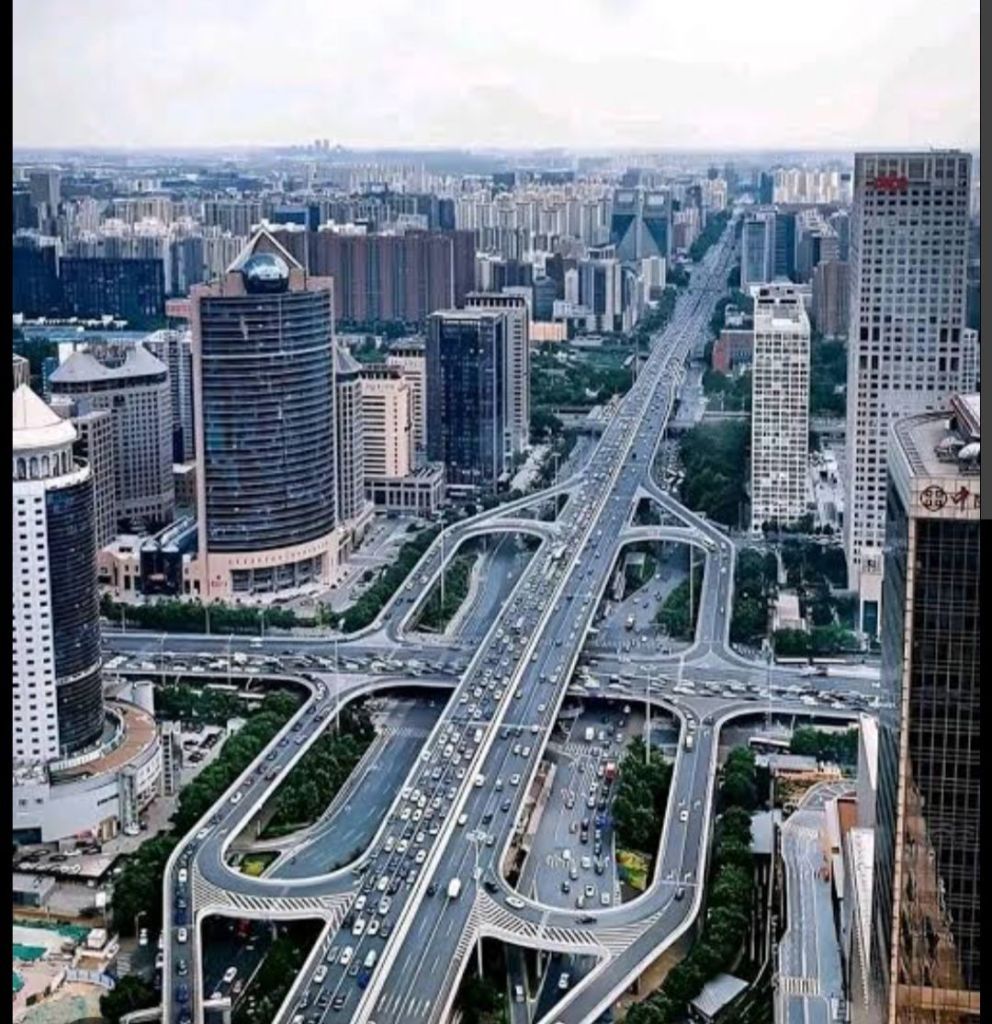
This strategy helped:
Lift 800+ million people out of poverty,
Turn China into the second-largest economy in the world (soon to be first),
Launch tech giants like Huawei, Alibaba, and Tencent.
Lesson: A nation grows when it is led by the most competent, not the most charismatic.
2. Elites Are Not the Enemy, They’re the Engine
Western politics often demonizes “the elite.” China celebrates and refines them.
In the CCP, elites aren’t born, they’re made through service, training, and loyalty. These individuals make decisions not based on polls, but on long-term national interest.
Lesson: Elite leadership, when grounded in merit and national purpose, produces elite results.
3. Stability Over Short-Termism
China’s leadership doesn’t change direction every four or five years. It plans decades ahead, sometimes even 100 years.
Examples:
Belt and Road Initiative, a multi-generational infrastructure megaproject spanning continents.
Smart megacities like Shenzhen and Xiong’an, designed with 2050 in mind.
AI and space dominance, prioritized with consistent funding and political support.
Lesson: Long-term vision requires political stability, not electoral chaos.
4. Collective Intelligence, Guided by Vision
China’s system bets on a powerful idea:
> Train a small group of highly competent people, then give them the tools to guide the whole.
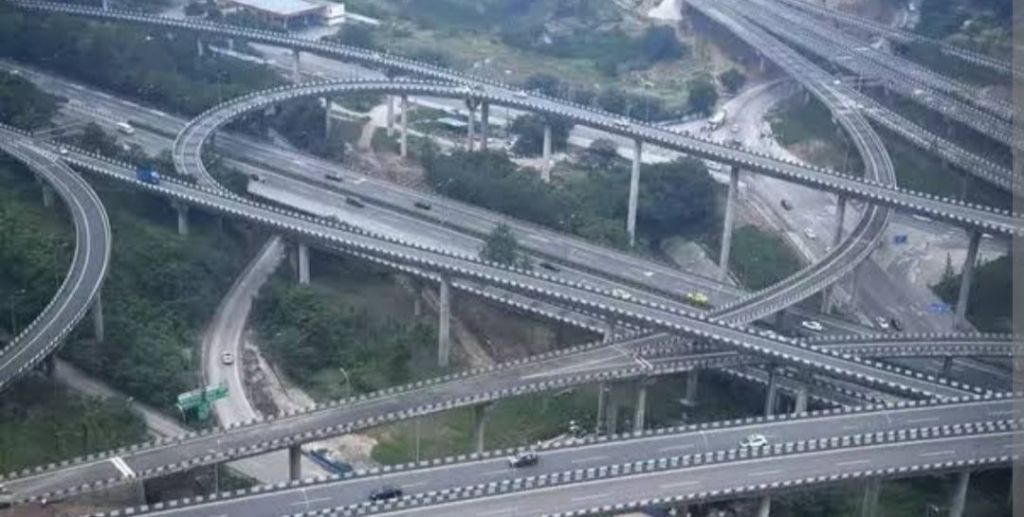
This results in:
Fast policy execution (infrastructure projects completed in weeks),
Efficient crisis response (e.g. COVID containment in early stages),
Massive digital adoption across society.
While Western democracies drown in endless debates, China acts swiftly and decisively.
Lesson: Freedom of expression is not always freedom of execution. Leadership matters.
Final Thoughts: Pragmatism Over Ideology
The Chinese model may not appeal to those who value free speech, pluralism, and public participation above all else, and it has its own serious flaws and criticisms, from censorship to human rights concerns.
But purely from a governance and results perspective, China’s system has delivered in a way that many democracies have struggled to match in recent decades.
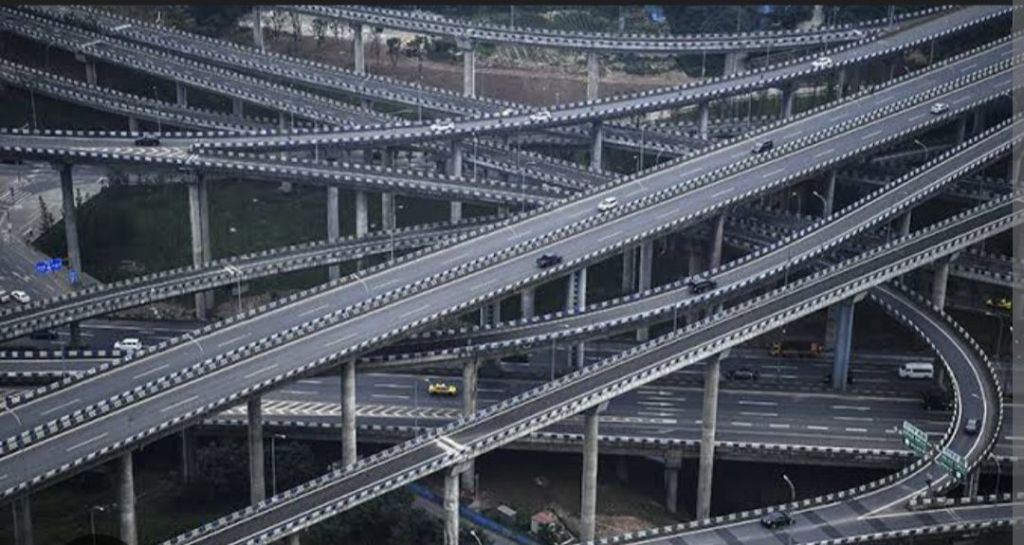
In China:
Power is not earned through applause, it’s earned through competence.
Governance is not a performance, it’s a responsibility.
The future is not a gamble, it’s a strategic project.
China doesn’t play politics as theater. It treats governance as national engineering.
And perhaps that’s the biggest lesson of all.
For strategic geopolitics, governance insights, and global power analysis.
 OBLONG MEDIA GLOBAL INTELLIGENCE
Leave a comment