
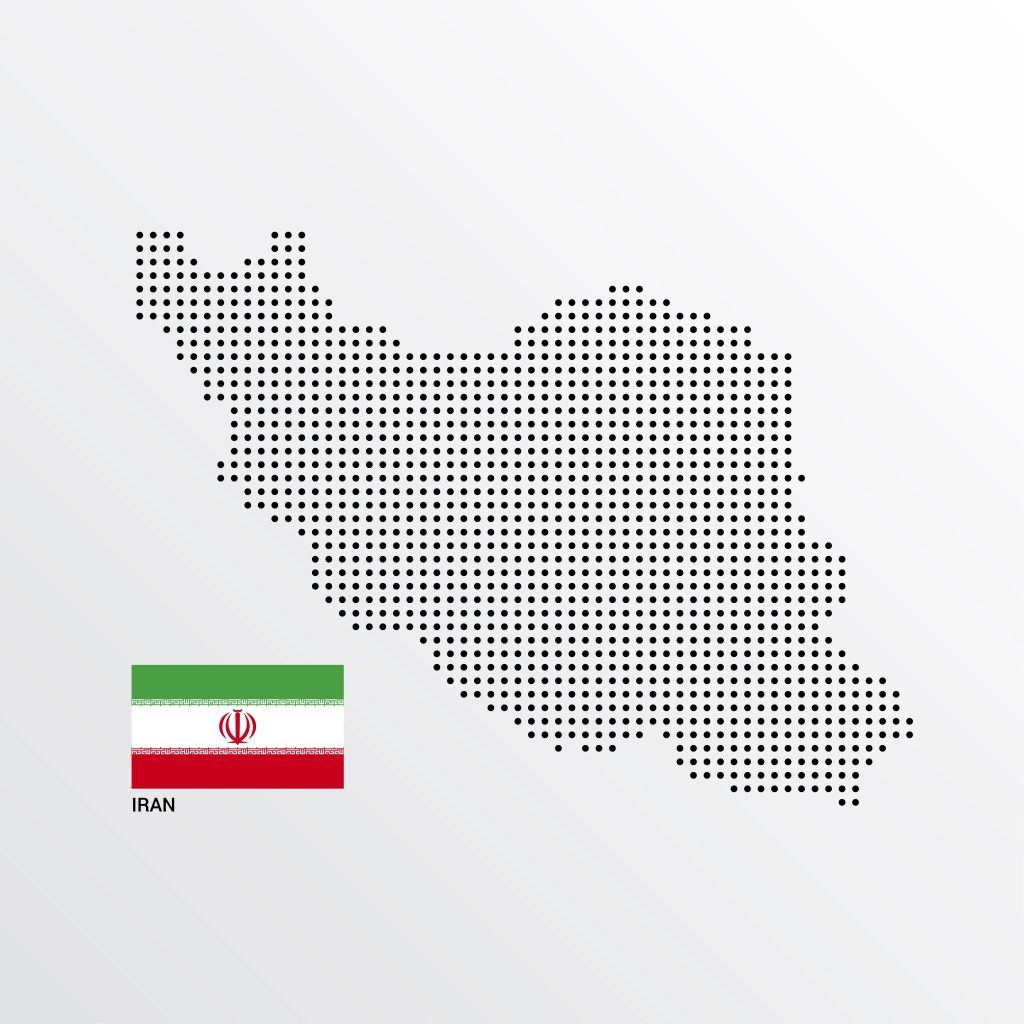
The brief but explosive war between Israel and Iran from June 13 to June 24, 2025, which saw unprecedented direct confrontation and limited U.S. intervention, has shaken the foundations of West Asian geopolitics. Yet the nuclear question, used as the pretext for hostilities, may be the least important part of the story. Beneath the headlines lies a deeper truth: Iran was not attacked because of nuclear weapons; it was attacked because it stands on the wrong side of the old world order.
The war, which exposed both Iran’s defensive vulnerabilities and its offensive resilience, ended in a ceasefire without achieving its stated objectives: halting Iran’s nuclear progress or eliminating its influence. Indeed, a classified U.S. Defense Intelligence Agency report acknowledged that Iran’s nuclear capability remained intact despite intense bombardment. And so, the true purpose behind the aggression begins to emerge, not nuclear disarmament, but geopolitical containment.
Iran: A Strategic Thorn in the Side of the Unipolar Order
Iran is not merely a nation pursuing nuclear autonomy. It is a regional counterweight to American hegemony, a state that has refused integration into the U.S.-dominated neoliberal global order since the 1979 Islamic Revolution. Its alliance with resistance movements like Hezbollah, Hamas, and the Houthis, and its strategic partnerships with Russia and China, make it a linchpin in the emerging multipolar axis.
The nuclear issue, though often highlighted, is only a veil. Nuclear latency, the ability to build a weapon without doing so, is widespread among nations. What sets Iran apart is that it wields this capacity outside the Western security umbrella. And that makes Tehran intolerable to Washington and Tel Aviv.
The Bigger Game: China, the Belt and Road, and Iran’s Centrality
At the heart of this conflict lies the global transformation toward a multipolar order. The unipolar moment, defined by unchallenged U.S. dominance after the Cold War, is eroding. China’s rise, both economically and diplomatically, has catalyzed this shift. Its Belt and Road Initiative (BRI), now anchored in multiple corridors across Central and West Asia, positions Iran as a vital node in the future of global trade.
Iran’s strategic partnerships with China are not symbolic. A $400 billion comprehensive cooperation agreement, large-scale yuan-based oil sales, and infrastructure connectivity projects like the China-Pakistan-Iran corridor and the Central Asia-Iran railway affirm that Iran is no longer isolated, it is integrated into a counter-hegemonic economic architecture.
When Chinese military and logistical support visibly backed Iran, during the conflict, ranging from cargo flights to naval maneuvers in the Strait of Hormuz, the message was unmistakable: China is willing to assert itself militarily beyond its periphery to protect its interests.
Russia: The Weak Link in the Multipolar Alliance?
While China’s role is assertive and strategic, Russia’s behavior during the conflict was noticeably restrained. Supposedly tied down in Ukraine and battered by sanctions, Moscow’s once formidable geopolitical reflexes, on the surface, appears dulled. Its silence during the Israeli bombardment of Iran, despite their alliance, was glaring. For a country that stood firm in Syria, Russia’s current posture reflects its internal economic vulnerabilities and a quiet attempt to explore rapprochement with the Trump-led U.S.
Yet this hedging may weaken Russia’s credibility within the multipolar coalition. If Moscow seeks short-term relief at the cost of long-term strategic alignment, it risks becoming a secondary player in a world it once helped shape. That is of course if we are reading Russia right.
The U.S. Strategy: Divide, Destabilize, and Redirect
With Trump’s return to office, Washington’s foreign policy calculus has shifted. The strategy is no longer about maintaining permanent global wars, but about restructuring alliances and disrupting China’s strategic depth. Iran is targeted not for being a nuclear threat, but for being China’s western shield.
By trying to dismantle Iran’s regional influence, via proxy wars, regime change efforts, and economic strangulation, the U.S. aims to encircle China, stretch its commitments, and slow down the BRI. The India-Middle East-Europe Economic Corridor (IMEC), though nascent and less viable, is part of this grand containment strategy.
The Future Is Multipolar, But Fraught
This war is not just about Iran. It is a battlefront in a global reordering of power. The unipolar order is gasping for breath, held together only by coercion and media narratives. The multipolar world, defined by regional spheres of influence, strategic autonomy, and diversified alliances, is not coming. It is here.
Iran’s endurance, China’s calculated support, and even Russia’s cautious recalibrations reflect a reality where power is no longer concentrated in Washington and Brussels. Yet the struggle is far from over. The next decade will determine whether this multipolar world will stabilize into a more equitable international system or devolve into chaotic spheres of rivalry.
Lessons for Türkiye, and the Rest of the World
For countries like Türkiye, which straddle East and West, neutrality is no longer sustainable. A fragmented Iran could embolden Kurdish separatists, destabilize its eastern borders, and further tip the region toward U.S.-Israeli dominance. A passive Russia offers Ankara little strategic counterweight, while an assertive China remains a distant, albeit promising, partner.
In this climate, aligning with the multipolar vision, championed by rising powers like China and resilient actors like Iran, offers a chance at genuine sovereignty, diversified partnerships, and a break from the neo-colonial dependencies of the past.
Ultimately,
Iran was not bombed for its nuclear potential; it was bombed because it refuses to bow. In resisting, it has become a symbol, not just of national defiance, but of a new world struggling to be born.
The multipolar order must not only defend its emergence. It must consolidate its gains, deepen its alliances, and present a viable alternative to imperial coercion. For if the future is to be peaceful, just, and cooperative, multipolarity is not merely an option, it is a necessity.
Editorial
http://www.oblongmedia.net
 OBLONG MEDIA GLOBAL INTELLIGENCE
Leave a comment