
What happened in Venezuela is not diplomacy gone wrong. It is power speaking plainly. It is the sound of empire reminding the world that rules are negotiable when interests are large enough and resistance is inconvenient.
The United States did not wake up this morning suddenly worried about democracy in Caracas. It did not suddenly discover drugs, corruption or authoritarianism in Venezuela. Those labels are old tools, reused whenever a defiant state must be disciplined. What happened is the end point of a long campaign designed to break a country until intervention looks reasonable.
Venezuela’s real crime is not misrule. It is refusal. Refusal to surrender control of its oil. Refusal to remain politically obedient. Refusal to accept that its future must be approved elsewhere. From the moment Venezuela insisted that its oil belonged to Venezuelans, it entered a permanent confrontation with Western power. Every government that defended that position was marked. Some were destabilised quietly. Others were crushed publicly.
The sanctions regime was not policy. It was siege warfare. Cut off finance. Cripple oil production. Freeze assets. Starve the currency. Let inflation explode. Let people suffer. Then point at the ruins and declare the state a failure. This is not theory. It is method. And it works.
Once a country is weakened enough, force becomes easier to justify. Arrests replace negotiations. Bombs replace diplomacy. Sovereignty becomes a technicality. International law is waved aside with moral slogans. This is what we are now watching in Venezuela. A state softened by years of economic punishment, then struck openly under the banner of law enforcement and security.
Call it what it is. Regime change by force.
This is not about one leader. Remove one man and another will take his place. The target is the idea that a resource rich state can exist outside Western control. The message is simple. You may govern yourselves, but only within limits. Cross those limits and the consequences are no longer economic. They become physical.
This is where Africa must pay attention. Especially Nigeria.
Nigeria today is dangerously close to the profile that invites external engineering. A weakened economy. Collapsing public trust. Fragmented elites. Insecurity that appears permanent. A state struggling to assert monopoly over force. These are not just domestic problems. They are signals. And signals are read.
Regime change does not always come with foreign troops landing at airports. More often it comes quietly. Through currency pressure. Through selective sanctions. Through elite isolation. Through the delegitimisation of elections. Through narratives of humanitarian necessity and state failure. By the time people realise what is happening, the decision has already been taken elsewhere.
Nigeria does not need an invasion to be dismantled. It only needs to continue drifting. When a state stops functioning, others will step in to manage the consequences. Not for charity. For interest.
The most dangerous illusion Nigerians cling to is that the country is too big to break. History has buried that arrogance before. Yugoslavia was once considered unbreakable. It had institutions, an army, a flag and international recognition. When pressure mounted and internal cohesion collapsed, it did not reform. It shattered. And the violence that followed did not respect borders or ethnic slogans.
Nigeria is already flirting with that edge. Regions acting like separate states. Security forces answering to different interests. Political actors preparing for power struggles rather than national survival. Citizens retreating into ethnic and religious identities because the state no longer protects them.
This is how balkanisation begins. Not with declarations. With exhaustion. With distrust. With elites who believe they can manage chaos and end up consumed by it.
Venezuela is the warning shot. Not because Nigeria is Venezuela, but because the method is transferable. Economic strangulation. Narrative warfare. Political isolation. Then decisive action.
African states must understand this clearly. Sovereignty is not guaranteed by flags or constitutions. It is defended by competence, unity and the ability to control your own resources and territory. Once those collapse, the conversation shifts from reform to replacement.
The question is not whether Nigeria is at risk. The question is how long Nigerians will pretend it is not.
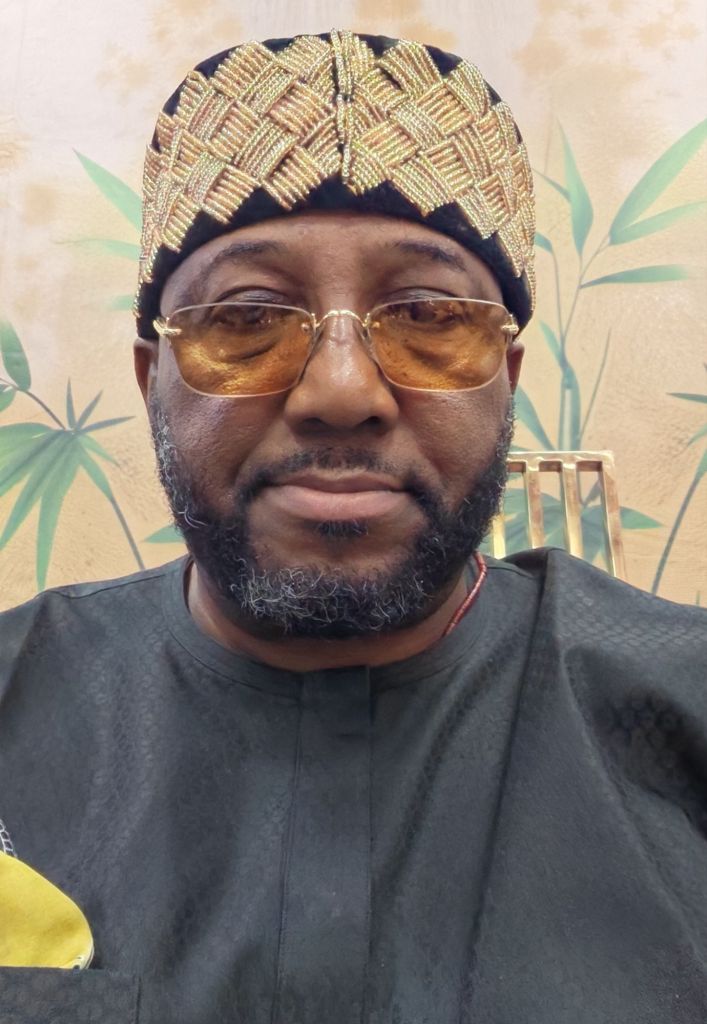
By Hon. Chima Nnadi-Oforgu
Duruebube Uzii na Abosi
 OBLONG MEDIA GLOBAL INTELLIGENCE
Leave a comment