
An Oblong Media Reflection.
There is a troubling pattern in Nigerias political conversations that deserves to be confronted honestly and without sentiment. When politicians from certain regions change alliances, cross party lines, or collaborate with rival camps, it is called strategy, maturity, independence, or smart politics. When similar choices are made by individual self serving figures connected to the Igbo space, it suddenly becomes tribal greed, betrayal, or collective shame. The action is the same. The interpretation is different. That difference is the real story.
Across the Nigerian political landscape, elite families and power blocs routinely operate across party boundaries. Fathers stand in one party, sons in another. Political mentors and protégés end up on opposite sides. In some cases, children openly support rival presidential candidates against their own parents’ platforms. The public reaction is usually calm analysis or even admiration. Commentators say it shows political independence. Analysts say it proves democratic maturity. Nobody condemns an entire ethnic group because one self serving individual made a political choice.
This is not theory. It is routine Nigerian politics.
Senior northern political figures have moved between parties while their close relatives or protégés align with different camps. Prominent Middle Belt leaders have seen their children stand on opposing political platforms. Influential Yoruba political families have competed internally across factions and parties and have been praised for boldness and tactical intelligence. These episodes are framed as evidence of political depth and pluralism, not ethnic moral failure.
But introduce an Igbo name into a similar scenario, no matter how low on the intellectual and integrity ladder, and watch the vocabulary suddenly change. The language hardens. Motives are tribalised. A self serving personal or business decision becomes a cultural indictment. One appointment or alliance becomes proof of collective greed. That leap is not logic. It is prejudice dressed as commentary.
This is where the dignity question arises.
No tribe in Nigeria votes as a perfect block. No ethnic group acts with one mind. Political behavior is driven by interest, opportunity, calculation, survival, and ambition across all regions. The North is not politically uniform. The West is not politically uniform. The South South is not politically uniform. The South East is not politically uniform. Yet only one region is repeatedly pressured to behave as if it must pass a purity test before its sons and daughters can engage national power.
Political participation is not treason. Engagement is not surrender. Appointment is not enslavement. Alliance is not ethnic liquidation.
The deeper irony is this. The same observers who preach inclusion, national integration, and bridge building often become the loudest voices condemning Igbo individuals who step into cross party or federal collaborations. Which is it then. Integrate or isolate. Participate or withdraw. You cannot demand inclusion and then demonize participation.
There is also a dangerous internal dimension. Sometimes the harshest echoes of these insults are amplified by fellow Igbos who feel morally elevated by denouncing their own. Internal policing becomes more aggressive than external criticism. That reflex may feel righteous in the moment, but historically it weakens collective bargaining power. No group negotiates strength by publicly shredding its own dignity.
Let us be clear and calm. This is not a defence of any particular hustler, businessman, politician, party, or presidential hopeful. It is a defence of a principle. Political choice is individual. Responsibility is individual. Benefit and blame are individual. Ethnic guilt is lazy thinking.
Nigeria is entering another heated pre election cycle toward 2027. Emotions will rise. Labels will fly. Propaganda will multiply. But one rule should remain non negotiable in any fair republic. Judge people by their individual actions, not by their ancestry. Critique decisions, not bloodlines. Debate policies, not tribes.
History shows that elections come and go. Alliances shift. Today’s rivals become tomorrow’s partners. Today’s appointees become tomorrow’s critics. The country does not end. The map does not vanish. The people remain.
So let no one trouble his neighbour with ethnic verdicts over political movement. One day at a time. The republic will test all of us equally. The only lasting victory is preserving dignity while the storm passes.
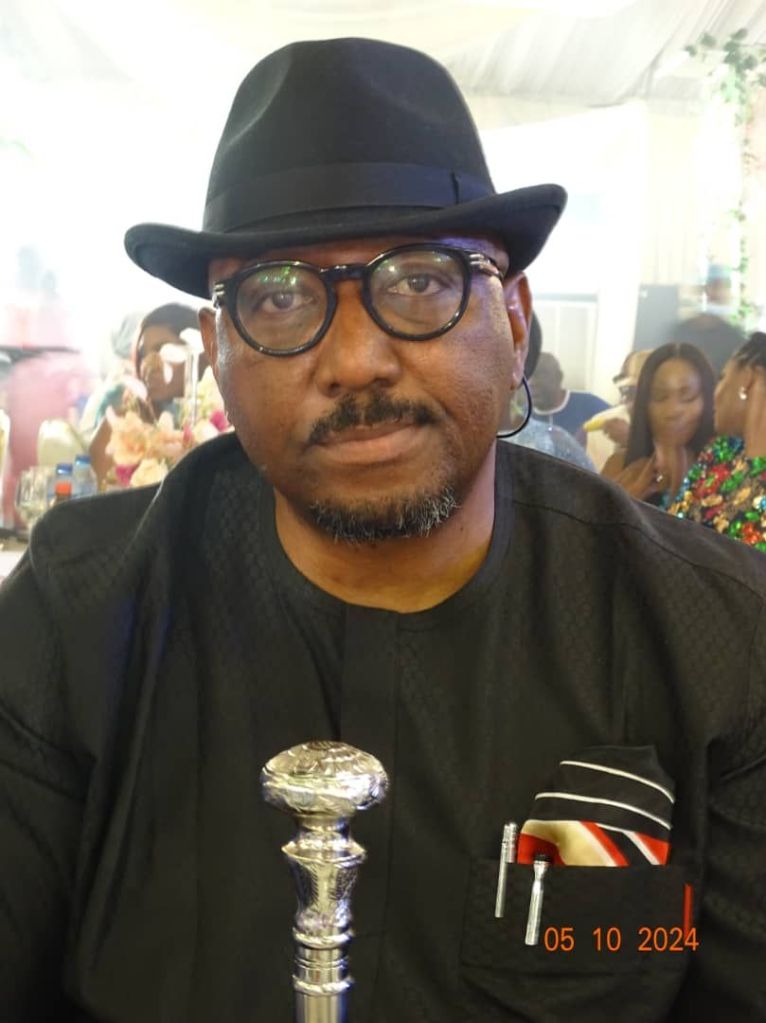
By Hon. Chima Oblong Nnadi-Oforgu
Duruebube Ndukaku III of Ihiagwa ófó asato
 OBLONG MEDIA GLOBAL INTELLIGENCE
Leave a comment