
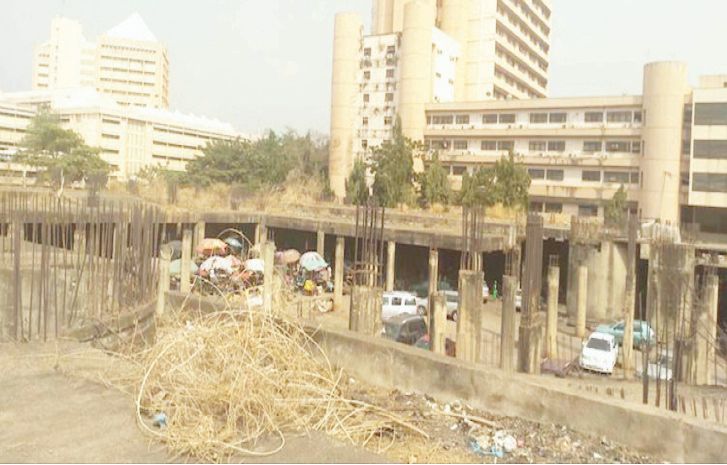
In Nigeria, the issue of abandoned infrastructure projects is a complex and multifaceted problem, deeply rooted in various systemic issues and spanning over half a century. The Nigerian Institute of Quantity Surveyors estimates the cost of these uncompleted projects at a staggering N12 trillion, with approximately 56,000 abandoned projects nationwide
These projects range from the Ajaokuta Steel Complex, which remains unfinished despite substantial investment, to transportation and hospitality projects like the Rivers Moonrail and Suleja International Hotel, which have been left to deteriorate for decades. Others include;
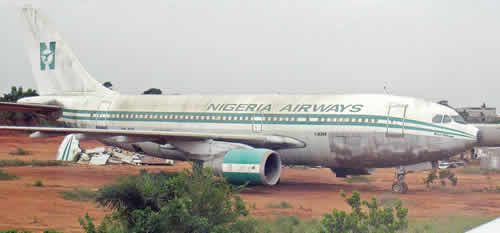
a) Nigeria Airways: Once a successful airline, it declined due to mismanagement and corruption, leading to its demise by 1999. Despite plans to revive it in 2019, the project never materialized
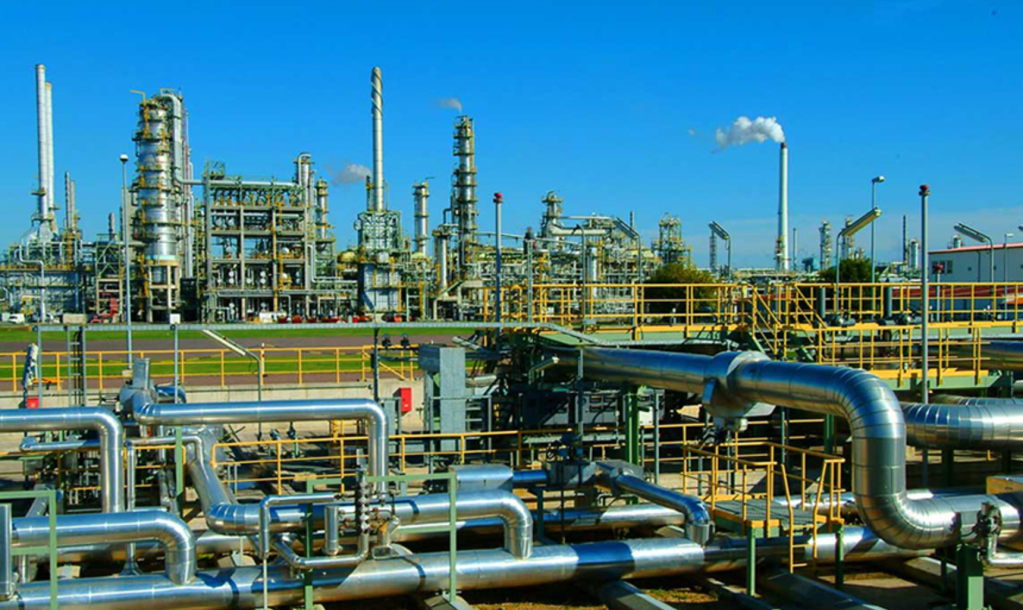
b) Ajaokuta Steel Complex: Conceived in 1979, this project aimed to bolster Nigeria’s industrialization. Despite reaching 98% completion in 1994, it has never produced steel, resulting in over $8 billion spent on an initially estimated $650 million project.
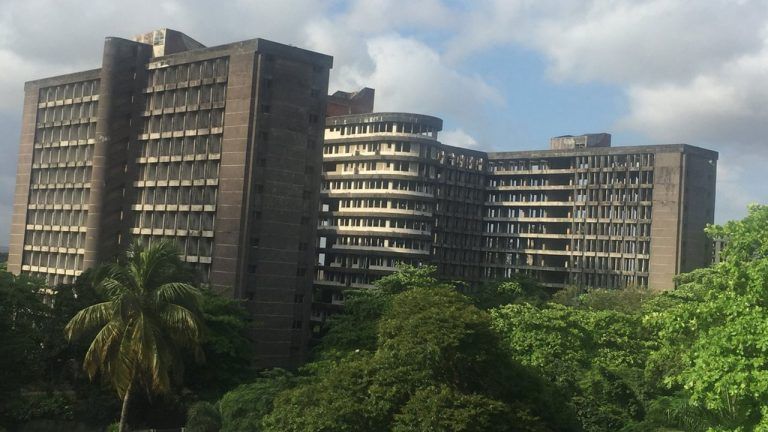
c) Federal Secretariat Ikoyi: This facility in Lagos, once a government hub, was abandoned following the capital’s relocation to Abuja in 1991. It has since deteriorated and become a haven for miscreants.
d) Suleja International Hotel: Planned as a five-star hotel and tourist center near Abuja, it has been left unfinished for over 37 years.
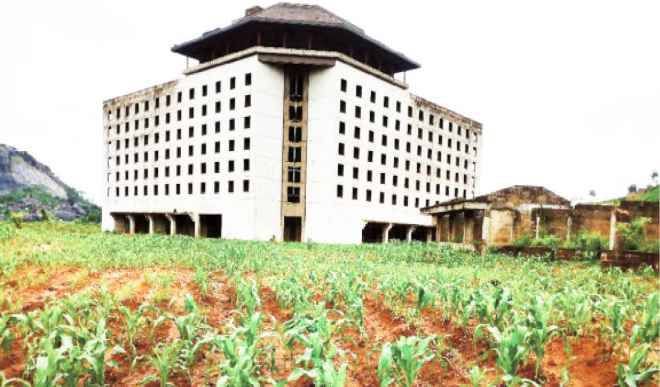
e) Tower Hotel, Bayelsa: Initiated by the late Diepreye Alamieyeseigha, this 18-storey hotel project remains incomplete despite several governors and billions of naira spent.
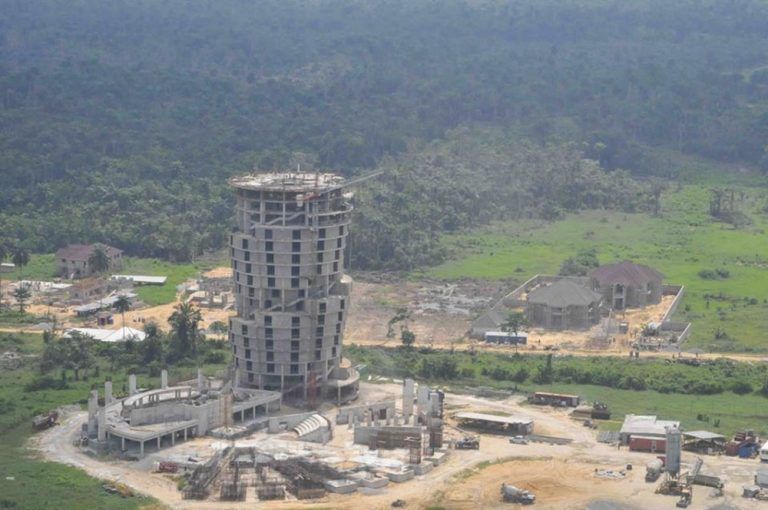
f) Millennium Tower and Cultural Centre: Planned to be completed in 2011 in Abuja, this project remains unfinished, with the cultural centre still under construction.
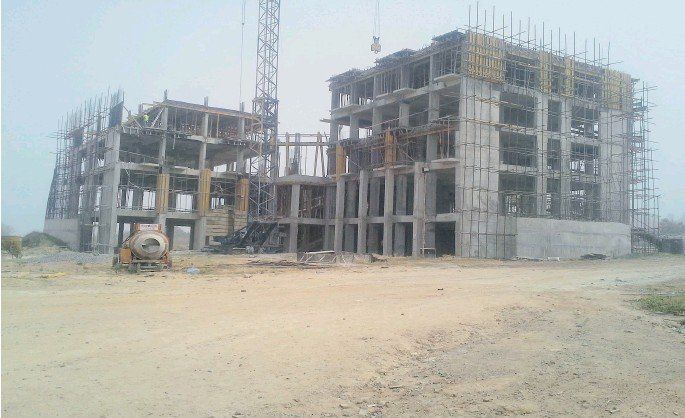
g) Minna 5 Star Hotel: Dating back to 2009, this project has consumed N500 million but requires an additional N19.6 billion to complete.
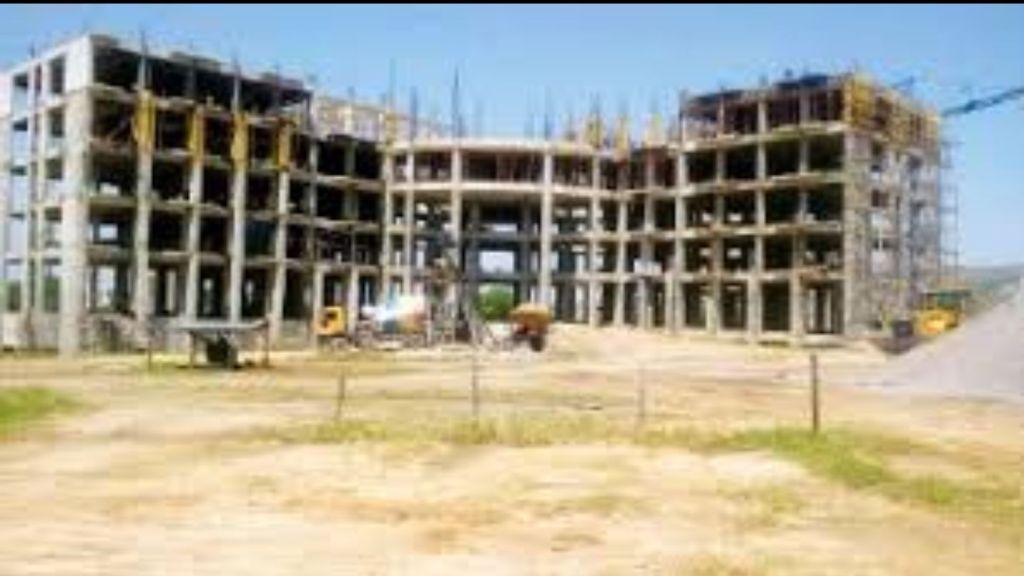
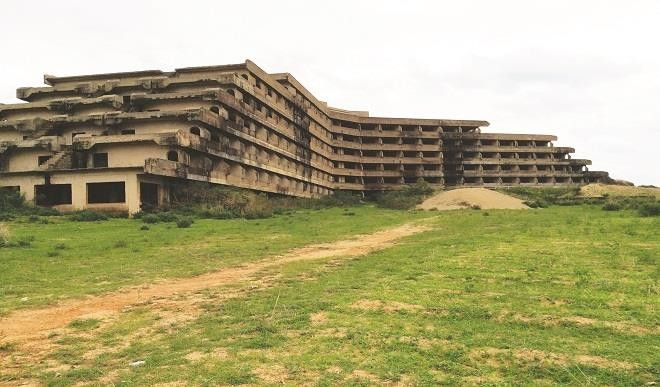
h) ROC International Hotel: Initiated in 1981, this ambitious hotel project in Plateau State has been stalled for nearly four decades.
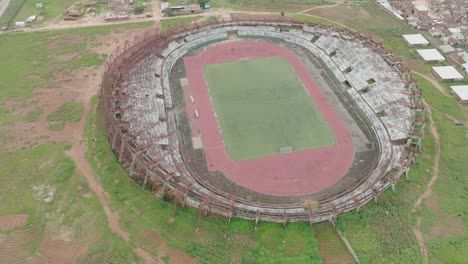
i) Plateau Olympic Stadium: Conceived in 1988, the stadium remains incomplete, with N7 billion spent and an additional N4 billion needed for completion.
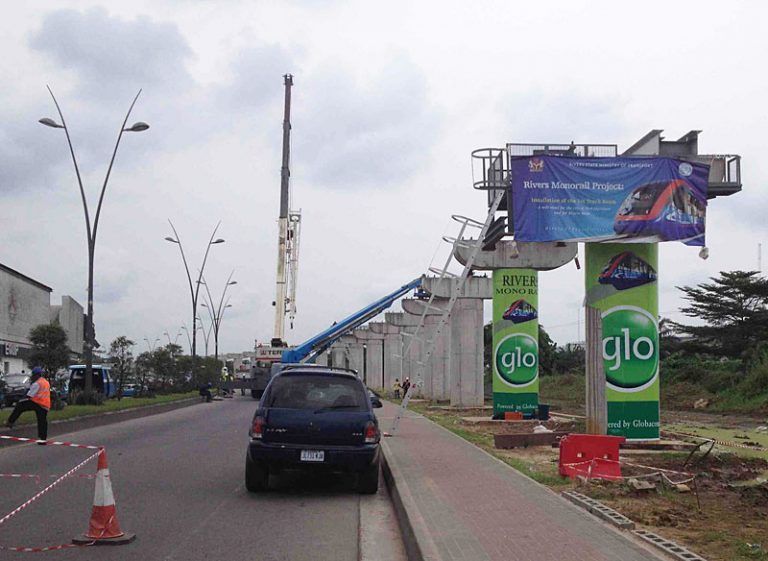
j) Rivers Moonrail Project: Despite an initial plan to cover 12km at N50 billion, this transportation project was abandoned at just 2.6km and others littered round the states and federal capital.
The root causes of these abandoned projects are diverse and complex:
1. Governmental Transitions: The difficulty in continuing projects after government transitions leads to a lack of continuity and the abandonment of initiatives started by previous administrations
2. Inadequate Planning and Budgeting: Poorly conceived plans and insufficient budgeting considerations often lead to projects being started without viable means for completion
3. Lack of Accountability: There is often little accountability over the rollout and outcomes of projects, which contributes to inefficiencies and the eventual abandonment of these projects
4. Legislative and Executive Branch Disconnect: A lack of effective communication and coordination between the legislative and executive branches of government leads to arbitrary funding decisions and project delays.
Efforts to address these issues include the potential implementation of the “National Monitoring and Evaluation” policy, which aims to provide a more objective and less politically influenced review of projects.
Additionally, technological solutions like the “Eyes and Ears” app in Kaduna State offer new ways to ensure transparency and keep citizens informed about the status of projects.
However, addressing these challenges requires more than just policy changes or technological solutions. It requires a shift in mindset and approach, as emphasized by the Problem-Driven Iterative Adaptation (PDIA) method:
1. Avoiding the Solver’s Mindset: Instead of assuming a direct solution, small incremental steps should be taken to understand and address the root causes of the problem
2. Inclusivity in Problem-Solving: Engaging in open and honest dialogue with stakeholders and understanding the power dynamics at play are crucial for making meaningful progress.
3. Teamwork and Collaboration: Effective teamwork and collaboration, both within government and with the public, are essential for addressing the multifaceted nature of infrastructure challenges.
4. Realistic Goal Setting: Focusing on feasible entry points and actions, rather than trying to solve the entire problem in one go, is a more realistic and effective approach.
In summary, the issue of abandoned infrastructure projects in Nigeria is not just a matter of inadequate funding or poor planning, but a deeper systemic problem requiring a comprehensive, multi-pronged, and inclusive approach. Addressing these challenges will not only require changes in policy and practice but also a shift in mindset and approach to governance and project management.
Duruebube Ignatius Chimazuru Nnadi-Oforgu
 OBLONG MEDIA GLOBAL INTELLIGENCE
Leave a comment